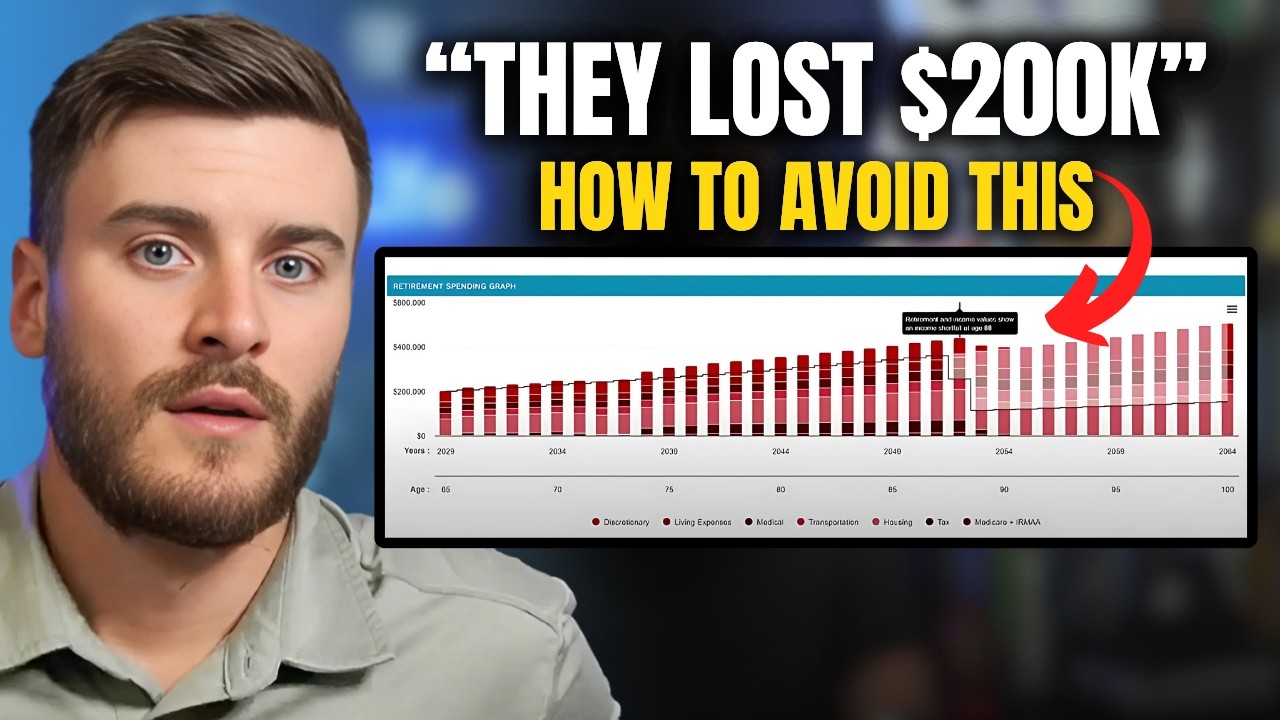
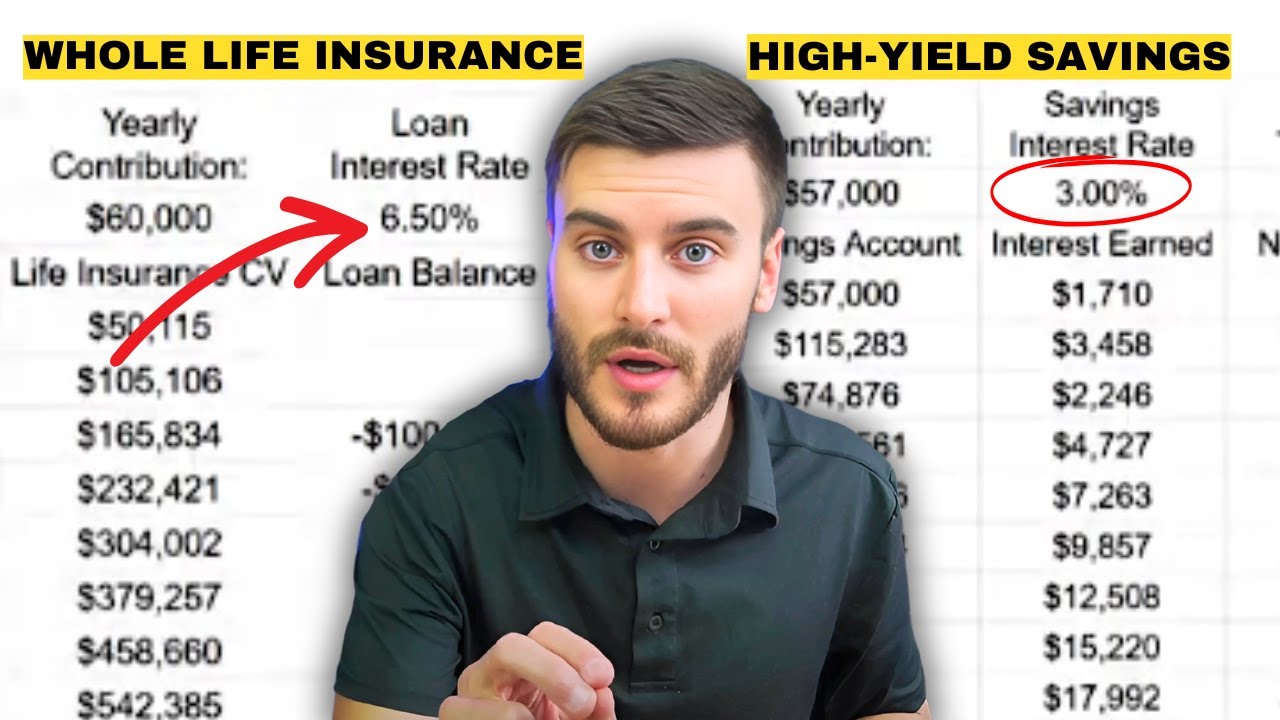
how many of us would like to give a hard dollars more than what Joe when life insurance is set of Ed properly you can access your money through a collateralized loan allowing your money to grow you have people like Walt Disney who famously used his life insurance policy to help with Disney World why in the world do banks at billions of dollars in their tier one Assets in in what's called Bank on life insurance there is so much research going on right now on how life insurance believe it or not can enhance and give you
more options for retirement income Caleb was a person that understood what my superpower was and he told me before I got to half a million subscribers 700,000 subscribers he like Carlton you are going to be the voice in tax and accounting he's like I've seen Robert kosaki I've met that guy met Tom rri you will become that voice and I've stuck by Caleb and he helped me with some of my life insurance policies and with some of my clients's life insurance policies and I realized this guy's superpower is in the end asset as he would
call it life insurance and what I want to do is I want to bring up Caleb here today to be able to explain to you guys the power of life insurance not only as a wealth building tool but from a tax perspective without further Ado Mr Caleb and what I want to do before I go into the exciting topic of life insurance is I have a thesis and my thesis comes down to two words and if you get nothing else from what I'm about to sh share I believe these two words could be a total
Game Changer and you do a framework of how to think about your life and about your wealth so the thesis comes down to wealth efficiency but we have to first answer the question what is wealth and I'm curious how would some of you say well what is wealth how do you define wealth it's very important if our goal is to be wealthy what is what is wealth Freedom freed I Freedom lots lots of people are saying freedom love that Financial Independence Financial Independence and so here's a picture of what some people would call one of
the world's wealthiest he's over 92 years old he's worth over hundred billion dollar and who in this room would trade places with War Buffet today it do you realize how crazy that is do you do you realize how crazy this is that none of us in this room would trade places with one of the world's wealthiest men that means that means on a macro level we value more than just money but on a micro level we be value every single day and so here's per ultimate perspective is when we're looking at well a lot of
you said freedom I love that for me and for what we're trying to teach we have a vision that we want to make intentional living the New Wealth metric because I get so sick and tired of people talking about net worth and castle and all those things are important at the end of the day they almost Elevate that more important than your life and and for us you're not wealthy if you're not living intentionally and the Beautiful Thing is Carlton's intentional life is different than mine and your intentional life is different than mine and who
am I to tell you what you should be doing with your time and money but if we can get really crystal clear and what does intentional living look like I'm telling you everything in our life it becomes the North Star so that that's number one that is that is what quote unquote wealth is the next question is efficiency so I again intentional living is the key efficiency what's the definition of efficiency the ability to avoid wasting materials energy efforts money and time and producing and desired results in other words get really clear about where you
want to go and remove any friction to get to that every single one of us should want to be efficient but we need two things you need your desired result which is ultimately intentional Ting how many of us actually know what we truly want it's a common theme um I can't tell you how many people come to me and and and they just were like hey I want help I want help doing this and it's like at the end of the day we got to reverse engineer like what do you actually want what's your desired
result and then the second thing is just eliminate friction whether you call it financial planning whether you call it sales like if you want to be really good at sales just help people get really clear and what they want and remove any friction to get you back I'm telling you that that that in itself is a total Game Changer and so the example of this is like if you're clear about where you want to go I I live in Nashville and I want to be here in California I'm really really clear about I want to
get to to California and I could walk there and it would taking 55 days of walking 12 hours that's not fun found walk there I could drive which some of us have made this drive before potentially it's it's not fun but you you can you can do it or how many people that aren't from California flew here and it's because it's super efficient I I can it's not just cheaper but it from a Time perspective and and so many people are walking to their destination and so for for me I just want to take a
step back the reason why I start this whole talk of glow efficiency is I'm going to be I'm going to be talking about a product and and at the end of the day I don't want us to get over obsessed with like this one product is going to change your life no prod will change your life I think I think there's some of the things that I'm going to share with when it comes to life insurance that could be a really how many of you own life insurance or have heard something okay my goal is
very simple is to make it very simple and and hopefully you might learn something that can enhance what you already have not talking about investing I'm not talking about creating I'm going to be talking about potential strategies that you can control your money better okay and so if you think about this this is a dollar bill this is a dollar bill and how many of us would like to give our dollars more than one J okay this is this is like this is just really interesting if we can have our dollars grow the rest of
our life and control it that's pretty that's pretty cool like that that for me was an epiphany like oh I can give my dollar more than one job pretty cool and then at the end of the day if it can potentially help create future cash flow in the future that's what retirement planning should be called future casb planning that's pretty cool and at the end of the day if it can also protect me if it also can play a role go in the Legacy and that $1 does all those jobs that's pretty valuable it's not
just one or the other I'm I'm a one Tri Pony you know and asset it's an and it versus or and so I think we regardless we should say how can we be more efficient how can we get one input to do multiple things for us and so a lot of these names come you know come up you know how many of you have heard of like people talking about incident banking on Tik Tok or Bank on yourself or dynamic bank and rich person's Roth I think it should be called now it's 2024 cash flow
banking you know some people called the volatility buffer um my friend Garett jerson wrote the rocket what the Rockefellers do like there's a lot of different words for this I wrote the book The and AET just because that was like my spin on this whole thing but at the end of the day this this boring asset is especially designed over funded life insurance and like that's what it is thank you so it's like yeah so usually when we're talking about life insurance there's a lot of different opinions i' I've heard almost all of them you
know when you when you create content on YouTube you get to read about how horrible you are every day you're like oh wow like um and so usually there's a couple op there's a couple you know faces that I get first of all like some of you are like okay why did I sit in the front row that's what you're thinking you're like why in the world I sit in the front row and you're like okay this is kind of weird and then some people are are just like um you know didn't yeah I can
make so many jokes here but like there's some people that just think you're like this is a scam this is scam and I think we have to take a step back and say not everything is created equal and so I want to be very clear that not all life insurance is created equal and and so this is not this is not what your friend or relative is selling you this is not maybe what your parents have this is not what you've seen on TV my ask is we take a step back and my hope is
to potentially educate you on one or two things that you may or may not know about life insurance to maybe help you create more efficiency with your dollar or make the argument that if you don't have life insurance you should learn more about it okay so that's my that's my um goal in this talk and so who who knows about this obviously I trigger everybody with this slide because it's probably somebody on here don't like but like there's politicians that use this there's there's Banks why in the world do banks have billions of dollars in
their tier one assets in in what's called bank owned life insurance I don't know why is corporations all these famous corporations use life insurance to retain key employees you have people like Walt Disney who famously used his life insurance policy to help with Disney World and and Ray Croc who used life insurance uh to help with payroll and they got the McDonald's off the ground my friend G Gunderson who literally wrote what with the Rockefellers did and and there's you know retirement experts that are talking about it and there's this this really genius who literally
teaches people about retirement income he's writing about it and you know there's a PhD in retirement income which sounds really lame and and he's talking about it and even you know Tom willite whate his latest book and he has chapter seven in his book talks all about this asset and we all know this guy I don't I don't got half a million Subs but I have a YouTube channel and I'm I I I use Carl I tagged them and all to get those extra views so and and and at the end of the day the
whole thesis is give your dollars more than one job be efficient efficiency efficiency efficiency and so how many I actually did this talk a week ago in a like a lot of investors and I said how many of you have a cell phone a smartphone and there was one person oh I asked it a different way I was like who doesn't have a smartphone and of course there's always that one person I'm betting there's nobody in this room that does not actually have a smartphone but I could be wrong anyone not have a smartphone okay
let me ask you a question this is going to be a perfect example is this phone an investment okay I will make so do we what kind of rate returns our phones give us does anyone is there any nerds in here that are actually doing a rate return calculation on the answer is no so yes why why do we all have a phone I believe when we remember efficiency removing friction to get you where we want to go how many jobs does our phone give us it was my alarm clock this morning it was my
white noise machine it got me a car ride here I got to text I got to call it's I can make videos our phone does so many things yeah it could be a couple thousand bucks but like one of the most valuable things that I have and yes there's a lot of problems with our cell phones and you get what I'm saying do I what kind of rate of return is it I don't know but do you realize that I'm not comparing this to my real estate Port Olio or Investment Portfolio it's an I would
consider this as an and because this is something that I'm going to have and I'm going to do other things and my same analogy I think a lot of times when people talk about any one one product or this product it's like invest in this it's not investment device this is not even an investment I think when life insurance is set up and used properly it's not an investment I would I would argue to say it acts more as an and than an or and I would say that we should think about it more like
a cell phone and giving our dollars more than one job so that's the analogy I use and I think all of us have a smartphone for a reason and so that might land and so when it comes to life insurance The Epiphany really when I was at the bank um hoping for people to come and see me I was thinking about these two interesting Concepts concept number one is compounding and we talked about you all know the power of compounding interest it's like over time you do you do an activity and and you compound your
money over 20 30 40 years it's amazing thing but compounding versus control I was like 19 20 21 years old and I was thinking I want to start businesses I want to do real estate I want to do other things and doesn't it feel sometimes that it's it's like a tuger rope where you can either do one or the other and for me when I realized like oh because I didn't I didn't come out of the boom but like wanting to talk about life insurance okay but I was like oh The Epiphany that I had
is like oh what if you could do both and and maybe that's why like even the bank that I was at the local Community Bank that I was at had a bank own like I was and they didn't I didn't think of it as an investment but they did it as an efficiency tool and there's there's reasons why these banks have it and so I'm just going to give Life Insurance 101 you'll probably know more than most people that have a life insurance license by the end of my 101 um and that's my goal and
then I'm going to go deep into four areas and uh I I really think at the end you'll have a lot of good knowledge of um do you want to learn more about this asset class or not so so what is life insurance life insurance is a contract it's a un atal contract between you and insurance company that's a unilateral is a fancy word for pretty much saying if you keep up your end of the bargain they're on the hook for Mays and so not all contracts are created equal not all insurance companies are created
equal so when you're looking at an insurance company there's a difference between a mutual company and a stuff think of mutual as like a credit union you get you get extra benefits by being there versus the stock company they're they're ultimately serving two types they serving you but then ultimately the profits go to the shareholders Mutual you are a part share older in the company you obviously want good you want to work with someone that has good ratings you want to work with someone that has a long track record if if I started insurance company
tomorrow it's like okay not your promise might be a little bit different than a company that's been around for over 100 years okay so every company is a little bit different you have to understand that now companies are cre equal but when it comes to life insurance majority of life insurance companies on the market are pretty solid especially if you go Mutual majority of the mutual insurance companies are pretty solid especially if they've been around for a while what's interesting is they all have contracts and this is where it really gets fun we want to
do what's called overfunding we want to specially Design This where we in this examples we can get more cash for this money that we're putting in and so when you when you do this you want to maximize the living benefits what are living benefits I'm going to talk about that in a second you want to maximize all the things that are going to benefit you while you're alive and in order to maximize that nothing there's no free lunch in this game we have to do is we almost have to drop or minimize the death benefit
okay so when we talk about specially design we want to engineer a contract where we can Max Max H the benefits and I'm literally going to show you an insurance company that will remain nameless and I'm going to show you two contracts two contracts from the same insurance company show you a couple things that we did different just for an example and you'll see and maybe get sick to your stomach about how a few tweaks and how it's radically different and this is why I get fired up because a lot of people that have bad
conceptions of life insurance should CU 95% or more should never have been replaced to begin with especially perment life insurance and and so again that's why you guys will have a lot of power at the end of this and so what are some of the pros obviously again non investment advice not investment advice okay but some of the pros when set up and use properly is it is there safety and liquidity and I'm going to go through a checklist later and so I just want to give you some of some of the pros which we'll
cover in a second well some of the cons and I want to be very up front with this if someone tells you that they're in anything there's no cons to something be really wary so what are some of the cons you don't get a tax deduction while put in your money that's why it's really really important to work with good tax strategists on the front end and try to do everything you can to permanently rase your passes you don't get a tax deduction going in in most cases there's some cases that you do what what
I'm talking about in most cases you don't second thing is you don't get all your money in the first year I'm being really conservative even if you structure these things properly it might take four or five years before you have more money than what you put in in these cical policies so that's that's a con and then not every own qualify self wise now there's ways around this that there are some people potentially in this room that may never be able to qualify for life insurance now there's again ways around if you have some kid
or business partner or something you can you can figure that out but at the end of the day that there's a con to okay so now we're going to look at a typical policy I'm going to blow this up okay I promise um but we're literally this is the same company contract a little bit different I'll show you what we did differently so we're going to start with the typical policy um and for those of you that want to take pictures any of you I will have at the end you'll get a copy of my
book if you want if you want a copy of the slides we'll give you our entire slide deck okay so yeah um so typical policy um typical policy has what's called a high base um little to very no cash little to zero cash value in the first couple years it's not flexible at all it takes over 10 years to break even and this is an example of what that policy could be so for those of you that can see how much cash value do you have in the first year let me see if I can
you so you put in this example you put $50,000 in and you have how much cash value but you have three $3.9 million death benefit year number two you put $50,000 in you have how much cash value zero you have 3.92 million okay third year you put 50 you realize why people say that this sucks I don't know how people sell this but people sell this stuff I'm like yeah that's that's crazy um okay and so a couple things to write down at the end of 30 years you have 2 point we'll just say Round
Up 2.8 million of cash value and you have $5.8 million of death benefit write that down and and in year 12 in this example which is actually really good this this is a really good example uh year 12 you have more money than technically what you put in lots of opportunity costs and very zero flexibility like you have to pay $50,000 and then year four I guess you have enough cash value you're you could supplement that but it's a very this is this is a type of policy when people say whole life insurance is horrible
like I have empathy I agree with that okay so especially design policy what are the differences you we use what's called a Pua writer we use what's called a term writer it's just things that ultimately help with the efficiency of cash we have a lot of earlier cash value lots more flexibility you'll see it has way better performance we just get paid a lot less diving in it's pretty much the difference okay so here and this again I this is not like I'm not saying that this is the best design policy I'm just giving an
example same company we just put a prea rider in a ter minor nothing else and this is the difference so first year instead of having zero cash value you have almost 40 year number two you put you're up to $100,000 you have $882,000 in year six instead of 12 you have three you have you have more money than what you put in in this example okay at year how much did anyone remember what we had last year or last time so end of 30 years in this example you have $420,000 more of cash value in
just this one example and the death B ownit is identical pretty much you can't even make the argument that the other policiy better long-term for death benefit the only argument that you can make to why you did the other policy is initial death benefit and I'm a big fan of term insurance there's a world where you can supplement initial death benefit so the point that I'm making is you have a lot more flexibility the really the biggest difference is the person designing this get paid a lot less than the person designing the first one fascinating
isn't okay so when we're talking about an ideal foundational asset we're talking about an ideal foundational asset we have to come up with a couple different like what would this be okay what what would this look like would it be safe or not would it be easily accessible or not would it would it have competitive growth would it a leverageable would it have like built-in leverage to it would it have certain guarantees or not which is a really dirty word for in the finance space but um would you would you pay a percentage based fees
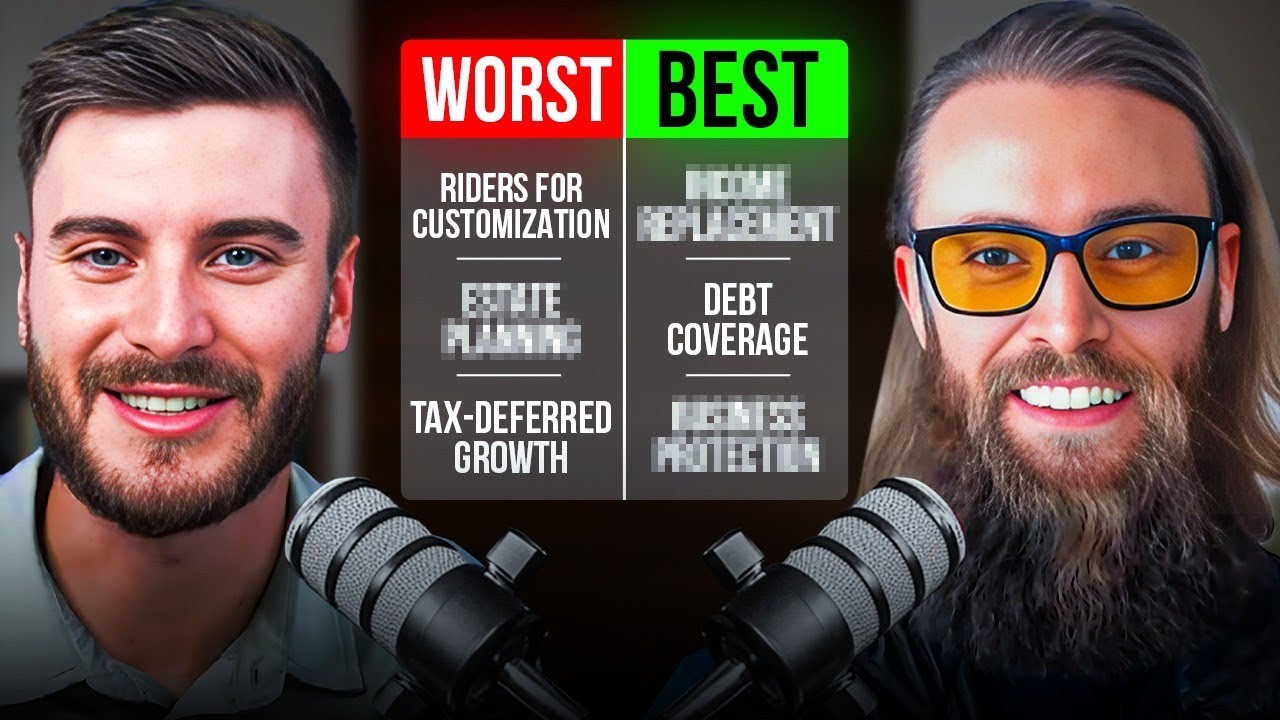
for this asset would it be free of Regulation would you have contribution limits would you have certain credit protections would you have deductible contributions would it grow tax deferred would you be able to use it taxfree like these are all the things that you would be wondering and so again I I what I hate about what I'm about to share with you is I wrote this down into red and green and there's so many nuances to this I'm literally going to break down how life insurance rate return you should look at I'm going to break
down how you can look at it from a controlling aspect but just hear me out here because really when we're looking at life insurance you should compare it to a SES account or something like that's liquid because I'm going to share with you in a second how you can use it like a liquid asset so I'm using 401ks and irrs just as an area of reference but if I had to do this over again I probably would just compare it to a like asset which would be more like a a safe liquid asset so there's
my disclaimer but when it comes to safety you know life insurance you know is safe a savings account is safe when it comes to easily accessible savings accounts are safe life insurance is safe and again like it depends on a Roth is sh Roth and 401K are technically rappers a lot of people put their money into the market it and so it doesn't you don't necessarily put your money into raw for safety and easily quickly um but when it comes to competitive growth easily 41k raw fire a knocked that out of the park that's why
you do it I'll make the argument later and you can see how good the argument is that life insurance does have good rate of return and you can be the judge of that for the asset not the investment if any of you want to invest in life insurance you're in the wrong room okay don't but from from that standpoint a leverageable I believe you know every one of these assets you can leverage against life insurance is one of the only assets that has built in leverage when it comes to guarantees that not all not all
accounts to have guarantees percentage based fees when it comes to free of regulations like the these are some of the things that like what are the some of the values of things I don't know but there there's like there's we need to put a value on each one of these benefits contribution limits like technically there's people that can put millions of dollars in new insurance products because there's no government regulate regulator saying like you can or cannot do this it's all based on what your work on paper comes to creditor protections every State's a little
bit different there's there's certain aspects that we don't get a tax deduction but at the the end of the day when set up and use properly gross tax deferred can be used taxfree and there's this thing that we call the death benefit that also is a benefit now if I'm being fair I probably would use some of the yellow for some of these areas and the red and green maybe don't give the best contrast but when you start looking at this again when you don't look through the lens of it at being an investment it's
a very attractive asset to have as a portion of your portfolio especially when it's foundational so we use the example of the smartphone as multi-dimensional some other people use the the um a pocket knife and and and you your your pocket knife can do multiple different things um and so Swiss arm man I'm losing my mind what is that thing called um so like that's another example of giving your dollars more than one job okay so we we're so so good so we all jacking okay all right so now what I'm going to do is
I'm going to go through each section lifetime grow of control future cash flow and and protection and Legacy and by the end you'll understand maybe how life insurance impacts each one of these so lifetime drop okay so uh section 772 and 7702a this is always I knew this was tax place so I had to like bring up the Cod um and when set up Ed properly life insurance can grow taxfree it can be used taxfree and it can get passed on taxfree so at the end of the day Albert einon actually never said this but
he's so misquoted for saying this I think we should just give him credit um so he said compound interest is the a in the world he understands that earns it he doesn't pays it um okay that's great but what is compound interest just just like just all things you know but you need something to compound 100% is zero it's still zero you need an interest rate and like we not all interest rates are created equal we just saw the fact a 10% versus a 15 is a massive difference and then time okay so in that
same life insurance policy that I shared with you guys you can see early on in the first four four or five years your R meaning the internal rate of return is negative meaning if you cancel your policy in the first couple years you'll get a negative inter rate return after uh year six in this example you now have a positive what's called intern rate return and this is an this is not just saying it's finally earning this is saying we're we're taking in account all the lost feers so at the end when this says a
4.58% in this example we're not saying that it's finally earning 4.5% we're saying that it's that's assuming that it's earning 4.58% every single year this this is an example done uh two years ago by the way when interest rates were relatively very low the thing about life insurance is they don't move quickly and so this is an example like a year a year and a half ago you're comparing to savings accounts that don't even reach 1% I understand that short right now savings accounts are that at this level or more um but but there's a
there's a good argument to be made if interest rates stay high that these numbers will ultimately increase as well that makes sense so when you look at this okay 4.58% no one's getting excited about that number everyone is in this room can earn a greater return than that that's why this is not an investment we really have to ask a question compared to what what are we comparing this to are we comparing this to you know what Tony Robbins talks about in his book are we comparing this to real estate are we yeah tier one
asset baby I man I love that um okay so so interest it's interesting so if we take up 4 and a half% we just earn if we're comparing this to maybe a saves account and let's say you you have a 30% tax rate maybe not in this room you guys all know how to bring this down but there's some people we were in the great state of California you know 30% now you need to earn over 6.4% every single year in your savings account just to keep up with the boring of life insurance you see
what I did there because you need to earn you need to pay taxes on on the difference and so what if you add a 1% management fee what if you include the cost of term insurance I'm not saying that whole life insurance is going to get you more than 10% that's not what I'm saying I'm saying if we compare it to other life assets if we compare it to an asset I'm going to sh you in a second how you can utilize that asset if you compare it and then you say what do I have
to earn in an other asset that gives me control that I can liquidity but that 4 and a half% is is taxfree if set up use properly in other accounts have to pay taxes on that and and that and that's built in with all the fees what if I have to pay extra fees and if I don't do that I need to use C term insurance to insure my family so I'm just saying that there's there's a good argument to be made that again I'm not saying that this is you should invest I'm just saying
for the reason I make this green as an amazing rate of return is when set I can use properly if you understand where this goes in your portfolio I believe whole life insurance gives an amazing rate of return if you understand the like asset okay we're going to move on due to time um the key thing here is continue to compound to the day that you die continue to compound to the day you die okay so number two is control and use when life insurance is set up and use properly you can access your money
through a collateral loan allowing your money to grow how many of us use credit cards versus debit cards okay we understand that if we have a balance on our credit card it could be a bad thing I'm not saying that everyone should use credit cards in fact I actually think gab Ramsey is right in the majority of population credit cards are a bad thing everyone in this room probably uses credit cards and you get points we're going to we're going to hear from some incredible people this after or later today that literally hack using the
power credit cards but you're you're potentially making the same purchase but some have a lot more points in protection versus others I would think about this as using a credit card versus a debit card and so we have these we have real life examples of people that invest in real estate using their life insurance they you know are starting businesses and having emergency funds using their life insurance they they're investing in individual stocks and invest and index funds and Bitcoin and Bitcoin Miners and buying gold and silver and education you'll get the point I'm not
giving any investment advice but just imagine if if you name it someone's probably used their life insurance policy to to for that activity we've even had had a client that flipped you know how some people flip houses they flipped cows they made 3,000% on their cow flipping and they use their life insurance uh in the process of doing that we have people that do land investing my good friend Justin Donald who has lifestyle investor he literally wrs about this in his book he uses life insurance require companies and so how does this work you have
your money's growing the rest of your life you have built in uh ability to borrow against it and at the end of the day you can buy an asset or liability obviously the more assets will we buy liabilities but that's that's a simply that's that's how how it works and so the way that this is a picture that you guys might want to take a picture of of it's like this is this is you this is Carlton he's saving his money he is his greatest asset he's building up an emergency fund for his business's family
everything above that is an opportunity fund and that's when you actually invest that's when you double down and invest in yourself your real estate properties businesses whatever you can whatever you want to do to help you get closer to where you want to go and so another example of this is essenti you know creating this this flow insurance is not an investment it literally is the foundational place are we understanding this okay cool all right so moving along when does this make sense to borrow this is a question I get when should I borrow against
here's here's the answer when your activity is greater than the cost of borrowing so we call borrowing cost control cost and so if you can if your activity you value that more than what it costs you to borrow that's a that's a good thing if not don't do it borrowing doesn't make you rich on like Leverage is an amazing thing when done properly if not done it's not great so here's an example of banks this is again this was done a couple years ago but back in the day when you know we were making 1%
let's say Carlton came into the bank and he gave me $100 on the bank and I gave him 1% Carlton my investment is that one $1 because I'm the bank and now I loan it out to you for 4% okay what kind of rate of return did I at the bank make 300% because my investment is that $1 and I just made I made $4 with $1 that's why they hand us suckers every time they like they want to they want to kind of remind me you are a sucker every time you know you'll never
go to the bank again and say like every hey it's Caleb Williams here I'm just interrupting this video quickly to invite you to check out our anset vault you may have been there we've actually re revamping it and if you are somebody that wants to learn more about is life insurance right fit for me does andet make sense like does this actually help me be more efficient we've put together a 10-minute documentary style video that I think does a really really good job giving the history why the and asset different setups and designs that we
use and then we have an and asset fault that gives like case studies calculators handbooks and so much more we are here to serve you whether it's a conversation whether it's education or the video so make sure to go check out and asset.com learn more for me it's like okay this concept of control compound you're telling me that I can control money I can control money wallet compounds again not an investment but over my lifetime if I can get you know that consistent internal rate return and I can start thinking where can I actually utilize
my money as an opportunity fund what can I how can I generate more wealth or who can I go to that can really help me move the needle now you're getting a dollar doing two things rather than just wanted be getting that okay so now I'm going to talk about a word that I think is should be a squar word the word retirement but I use it because everyone talks about retirement retirement should just be called teacher cash flow planning but there is so much research going on right now on how life insurance believe it
or not can enhance and give you more options for retirement income it's very interesting this is this is something when I first got into this space not a ton of people are talking about and over the last couple years a lot of people have been talking about this and so when you again retirement 101 there's you get up the mountain but now we have to get down the mountain safely okay so how how do we how do we do this thing and so I already said this like it really when we call retirement planning we
call Future Casal planning so there's a lot of experts out here ernston young um they they just did a study a couple years ago and they literally said insurance with Investments gives you potentially more options to just one or the other they're not saying insurance or annuities are better than Investments but they are saying all your money is in Investments period you could have a problem when it comes to dist taking that money out and income and so there there may be a world where you can use products diversification to increase that and and and
someday if I I'm really bored I'm going to write a book that nobody will buy but it literally will be learn how whole life insurance can increase your future cash flow and reduce your risk and give you more options to establish a better Legacy for your family a little bit wordy but you know you get the point like but it's just like interesting to me it's like if no one everyone in this room are entrepreneurs but like there's some people that should just buy life insurance just as a portion for the bance or just as
a portion of their portfolio and give them more options in the future very interesting and the cool thing is if this is true by having it in your asset today it's just going to give you more options in the future and so again I don't have time to get into all of this but it's like knowing the fact that we're all going to die if we have a unilateral contract with an insurance company that has to keep their end of the bargain we know that we're going to die someday we think that's an actual valuable
asset that we could leverage while we're alive if I have a $2 million death benefit and I'm 8 5 years old and I'm not doing so hot there I'm going to get that do you think that that could potentially be valuable and I could get creative with that okay um there's you know if you have an asset that's not correlated to the market and the Market's going doing all these things and you can potentially let the market or your assets rebound and take from something that's not correlated there's benefits to that you know we all
have some type of potential pensions in our future depending on where Social Security is going to be and what annuities are going to be and at the end of the day there's different pension payouts and if you have a permanent Deb benefit it potentially gives you the ability to take more income be more aggressive taking income all your life knowing that the day that you die your spouse can get the death benefit instead of having taking a lower payout early on because you don't want to leave your spouse higher drive so this is an example
there's there's you know some people uh reverse mortgages is a whole another 16-minute talk that's like less popular than light Insurance just the point is there's there's some there's some people that want to get creative with some some of their debt and they feel more comfortable if they have a death benefit that ultimately allows them potention take out money different aspects while their life knowing that they can give their kids the option you have the house or you want money um and then there's a strategy that I'm not going to get into called future of
asset tax shelter which is used uh when people buy and sell big big activities they can use your life insurance policy to recycle that money okay last last por I'm going to talk about so do we understand that it's possible that have your money grow the rest of your life and use it and it can be give you options in the future I'm not telling you what those options are going to be but I my my opinion is more options are better than less options okay so protection Legacy this is an and remember this is
not an or protction Legacy when life insurance is set up used properly it can provide protection I love California but I have to I'm on the Florida bang Wan especially when it comes to creditor protection California is not a great state for creditor protections I don't want to I don't want to share that on this slide but it's like there's certain States California Texas very good Predator protection and this is an example like you're like your life insurance is 100% creditor protected some states like California not all your money is creditor protection perfected there's examples
and this this might like make you feel like bad but like there's examples of like Enron Executives that literally committed fraud but are still getting some of their money from life insurance and annuities because in the state of Texas there's amazing Predator protections with these assets that's that's messed up it's also really really cool if you think about it I like this you guys are chronic illness right so essentially there's other benefits in life insurance that God forbid and some of this will happen while we're alive like if there's things that happen we're not dead
but we life gets really tough especially medically there's ways to spend down the death benefit while you're alive it just gives options I know somebody that's alive to this day because they use their chronic illness R Rider to do alternative medicine and and it kept them alive to something that they were they had 6 months to live and three and a half years later they're alive I'm not going to say it's all because the life insurance but like the chronic illness writer gave them the ability to make moves and they're they're still breathing to this
St very interesting and then obviously when it comes to a estate planning a lot of a lot of estate planners utilize life insurance as it relates to properly funds an estate so um as I wrap up I uh wanted to share with you this this gentleman right here his name is Greg Heil he's like the second father to me he was actually in the gentleman that flipped cows okay and Greg believed in me I could I could talk a lot about how amazing Greg was um and March 26 2019 Greg went to be with the
Lord he uh battled uh lung cancer and I got to see one of my best friends and the Father Figure passed away and and it was very very interesting because he it continued to remind us like why we do what we do and he would kep keep saying like Caleb intentional living intentional living being cherish every moment and that's ultimately why I started all our talks with wealth efficiency CU at the end of the day you're not wealthy if you're not living intentionally and I would I would encourage every single one of us to really
lean in if there's days that go by that we're not living intentionally like shame on us like life is way too short for us to continue to make that a reality and so what's interesting is we actually did a podcast if any of you want to listen to it um I'll give you ability to reach out to us and I'm gladly share this he talks about his family and upbringing but he also talks about like he was my first step plan which is messed up he was one of my first clients at the end of
the day his family was better off financially because he made certain decisions like this it's just a good example of like yeah I talked all about controlling your money and growing your money and options and protection but at the end of the day we're all going to die someday and like it is pretty cool to think like we can make decisions today and make sure regard this we live 30 40 50 years from now we can make sure that our future is fully leverag and funded like we're going to live and make that happen and
so um yeah that's all I'll say and and because time is running down I just like I hope we understand that when we look at our cell phone we don't look at this as an investment but we look at this as a foundational asset and so my encouragement is I use life insurance as an example but let's look at every aspect of our life and say how can we be more efficient how can we be more effective how can we lean into intentionality how can we lean into friction to getting to where we want to
go are you impressed we have 30 seconds left they were like there's no way you're going to do this so thank you guys [Applause]