so today I want to walk through the four core elements of story this is something that has kind of blown my mind over the last few days as I've been realizing just how simple a story is and how simple it can be and that you are very likely over complicating what needs to be going on in your story and I hope to give you some clarity today the first piece of this is the three layers of conflict now what are the three layers of conflict there is the philosophical or belief layer philosophical layer this could
also be called the belief layer you have the emotional layer also can be the uh mental part of the mental layer um and then you have the external which is the physical layer so these three layers of conflict are present in every moment of choice in a story so when you have a choice all three of these layers distill down into one moment in your story where a choice takes place okay now I want to show this again because this is a this is a Trinity right it is it's a three in one right you
do not have these three layers split from one another so let me explain it again in this way let's take a character or even just a human being right like we don't even have to be thinking in the abstract here let's take a human being let's take you okay you are made up of three parts three layers okay you have your belief your beliefs your belief layer your philosophical views your world view both conscious and unconscious beliefs create ultimately what is your soul right what is your essence of what drives you what pushes you forward
what makes you make the types of decisions that you make these things are your soul right your beliefs are your soul you can think about it that way right and so we also have this internal conflict about what we should do externally but internally it is a conflict about our beliefs it is a conflict about which way is the correct path to go then we have our emotional layer right we have our feelings right and these feelings are in our mind and so this is where we get your mind your conscious mind many times is
can house some of your beliefs but really your beliefs or something that are embedded in who you are a lot of your unconscious actions and the unconscious reason you have thoughts and all of these things is more from your soul more from your beliefs then your mind mind your your beliefs then create how you feel create mental States right and that is attached to your mind and then finally you have your actions which are attached to your body which is attached to what you do in the external world again all three of these layers are
connected together they are inseparable they are a trinity if you take your beliefs away you are no longer a human if you take your emotions away you're no longer a human if you take your body away you're no longer a human you have all three of these elements inseparably attached inside of you and then these three come together to make choices in the external world right now let me explain this with an example and I use this example recently on those Community posts which you can find on the YouTube channel and you can also find
those posts in the Discord and on my email list so I have discussed multiple times particularly in my second latest YouTube video The Little Miss Sunshine ice cream scene okay well what we have in that scene is we have all three layers of conflict present in a single choice so the choice of the scene is eat ice cream or not let me pull this scene up so that you guys know exactly what I'm talking about here right so you know I've shown you this scene before what happens in this scene is we have this family
that is going to a beauty pageant right they're going on this beauty pageant to win their daughter olive olive here she is the one that's going to be competing in this beauty pageant she orders ice cream at a diner on their stop on the way to the beauty pageant now we now this now presents a choice should olive eat the ice cream or not and this is something you can also find in depth on that YouTube video of mine so what happens is this creates this larger question right should you eat ice cream if you're
about to be competing in a beauty pageant and that is the argument that Olive's father right here on the right hand side makes to Olive and says hey if you're competing in a beauty pageant if you want to win a beauty pageant you shouldn't be eating ice cream for breakfast right so now what happens is that immediately creates the three layers immediately they are present so what happens is we have in the beliefs in the belief layer in in the philosophical layer we have this question of essentially your like winning like being a winner versus
being a loser and that really comes down into is your Public Image the most important or is it your private life your private decisions your private happiness and who you are individually is that what is most important and so now we this comes into the emotional layer as well because this is not just a random character versus a random character it is very important that Olive is the daughter of Richard this is a family of people here right we have Olive we have her brother we have her uncle we have her Grandpa we have her
mom we have her dad this is a conflict between a father and a daughter father's on this side daughter is on this side Olive and then we have the external or the physical say say physical which is uh don't eat ice cream in the backdrop of when beauty pageant versus eat the ice cream and we are less concerned about winning this beauty pageant okay so notice that all three of these elements distill into the single Choice which is eat ice cream or not so a choice a well-crafted choice in a story is dealing with all
three layers of conflict all three layers of stakes that you are going to see in a story they are not sep they are not separate sometimes I see writers discuss okay I have a philosophical scene here and then I also have an external scene over here and then I have this emotional scene here that is in that is the incorrect way to think about this conflict okay I see a question about would doubt what I say that philosophical and emotional conflicts are subcategories of internal conflict so I would say that the philosophical and the emotional
can both be internal philosophical and the emotional can both be internal conflict however they are also usually related to characters they are related to other characters okay they are not only internal they are connected to other characters notice here it is not just olives internal conflict in this scene about whether or not she's actually going to eat this ice cream and the ice cream where does it come um right here camel here's your ice cream aloi right I'll be back with your waffles in a sec okay so this is not just an she is in
she is in internal conflict in this moment however that is not the only conflict that is taking place her father is giving her a look see he's giving her a look right now she is not just in internal conflict she is also in she is in both internal conflict and philosophical and emot conflict with another character at the same time and that's another key piece because it is many many many many times in a story you're not going to have just your character in a dilemma that is inside of them and they're dealing with this
issue in front of them it is also connected to a character that is important to your main character right so this is where we get these three layers of again three layers discussing this where we have belief of a character need of a character and want of a character okay so the belief in this case is so let's take Richard here okay um and I'm going to let me can I let me open my channel here okay so I talk about this in this scene all I talk about this little Missin scene in this video
where I'm talking about how we have Richard presents his worldview shery presents her review of that we have this question about whether or not she's going to eat the ice cream and this is a PO important part of understanding Richard's character and where he sits and understanding Olive's character and where she sits in relation to her father so with olive olive olive wants to win the beauty pageant so her want is that she wants to win the beauty pageant okay at least as as we understand we don't even know what her routine is but from
what we understand in the story she wants to win the beauty pageant however her need again need is attached to the emotional layer this want is the external layer and then you have belief which is obviously the philosophical layer the need is attached to the emotional layer and how do why does that character have emotions why are they why are they in that state of emotionality because their need is attached to another character this is where understanding the emotional relationships in your story is very important because it it is not just about the belief level
or philosophical layer of the relationships and the story the emotional layer is the attachments that characters have to one another and so ultimately Olive's need in Little Miss Sunshine is that she needs her father's approval right and this is extremely important because there's this scene let me see if I can find it um uh Dad hates losers here we go okay so this is supposed to be very soon before the pageant is taking place Grandpa and Olive are staying together in the hotel room the other family members are in different hotel rooms and we have
this very important moment that happens I believe it's right here am I pretty um let me find it no I'm not I'm mly brains are your beautiful inside and out Grandpa what I'm worried about getting copyright struck but here we go I don't want to be a loser you're not a loser where'd you get the idea you're a loser because Dad hates losers whoa whoa who because Dad hates losers Olive wants to win this beauty pageant not because she has some sort of deep philosophical belief about how winning defines you she has this desire to
win the beauty pageant because her father has the belief that you are defined by being a in public therefore Olive on the Olive's need and what creates her crying in this scene is that she needs the validation and approval from her father and so the need in your story a lot of people get the need confused uh the need is not an external thing it is an emotional thing usually it is connected to another character in some way it doesn't always have to be positive but it is us it is usually connected to another character
and connected to how that particular character is perceiving this important character in their life and what they're looking for from that person and so in the end of the film with Richard Richard believes winning defines you you are defined he believes you are defined by your Public Image and so he wants Olive to win the pageant that's the whole purpose of the big road trip movie that we're on is so that Olive can win this pageant and prove to her father that she's a winner ultimately what Richard needs to learn to ultimately come to a
change in his belief an arc in the story is that he needs to realize that olive needs his approval and that she is looking for her father's validation he does not really understand this throughout the story until the very end when he arcs when he realizes that this is what of needs and ultimately he realizes that he needs to be supportive of his daughter no matter her Public Image he realizes he needs to make a change and he shifts his belief from winning defines you over to supporting his daughter and supporting private life essentially supporting
his daughter no matter her Public Image and he goes through his Arc and that's exactly what we we see in the climax of littl Miss Sunshine so if we go right over here to this video created by some super smart guy on YouTube Olive gets to the this is our climax Olive gets to the pageant and her performance is not going well what we find is that her performance is created by Grandpa who is the philosophical mentor of the other side in the story he is the philosophical mentor of your private life your private life
being more important than your Public Image that doing what you want living in a truthful manner is more important than people's perception of you and so Olive essentially is losing she's getting booed on stage people are leaving the family knows she's not going to make it she know they know she's not going to win and they kind of knew this even before she went on stage which you will see if you watch this video or if you already have then you are right there with me right now and then when the host tries to pull
Olive off stage we get to this climactic choice that Richard must make now remember your three layers of conflict distill down into individual choices the layers of conflict are not separate we don't have separate scenes for your beliefs separate scenes for the emotional sake separate scenes for these philosophical they are connected in single moments of choice one might be you know maybe a little stronger in a particular moment but they are connected and so what you are essentially creating is smaller choices like the ice cream scene that when we're not in a climax and then
our big climaxes are going to be huge big character defining choices where an arc can take place so In This Moment drama Richard now has two options he can drag Olive off stage holding to his belief that your Public Image defines you or he can choose to support his daughter letting go of his belief and embracing The View that your family and private life are more important than your Public Image this is where Richard arcs in the four the choice of commitment he was against Olive going on stage now he is faced with the same
choice but much more intense and in the climactic choice Richard chooses to dance with olive so notice that Richard's Arc here does not happen through him sitting in a scene saying you know what I have realized that it's more important for me to support my daughter and rather than wanting her to win and because of that I have decided to change my opinion and I have decided to support her in this moment and that's what I'm going to do that is not what happens why because that would be bad dialogue that would be pre that
would be a lame way to end the film instead we are shown his choice because the writer Michael AR has set up a moment where Richard's choice is not him saying some words that Express his Viewpoint his choice is a physical action that has been clearly set up black and white one way or the other right it's very clear he has two options here we are not no one in the a no one watching the film is confused about what Richard's choice is that is very hard to do I will also add okay a lot
of writers want to write these stupid nonlinear confusing messes of a story and they have no idea how much Clarity is required to keep the audience engaged with the story if a 10-year-old was watching this movie they would have an exact understanding of Richard's choice they might not be able to articulate it to you in a conscious left brain manner but they have a clear understanding of what's Happening and that comes from Clear simple writing where you as the writer have to do this work to understand that there are three layers of conflict there is
beliefs in Conflict there are emotions in conflict and there are physical elements in conflict in other words the beliefs in Conflict are both inside of a character internal conflict should I believe this should I believe that there are emotional conflict emot conflict internally and emotional conflict between characters I'm looking for my father's validation I want his approval therefore I am doing these things to gain that approval because I feel that this is because I respect him and this is what I need and then on the same way there are physical or external conflict which is
the conflict that you are actually putting a camera on at the end and I think one of the reasons I really like the audiovisual medium of Storytelling film TV is because it forces you to combine the three layers into a moment of choice where we can put a camera on the drama versus something like a novel which can take place more in characters heads where we get more internal monologues and these kinds of things that is a fine way of telling a story but to me it is much less interesting than actually physicalizing the entire
story and making it clear enough to where you are able to present it visually without any narration without any internal character dialogue or monologue and we have a full understanding of the philosophy in Conflict the emotions the character's emotions in conflict and the actual physical external conflict now that is the first three of the four core elements of story this is essentially how you understand how you take the three layers and how you create choices and if you want to learn more about how you create choices and how a choice really functions in a story
you can check out my how to write a perfect scene video here where I discuss in detail choices how they create scenes and then I expand upon this idea in the how to write a perfect climax video now for the final element notice i' said four core elements and so far we've covered three there is one more element that is the core element of story I'll say I just yeah that is actually placing a story into motion right so we can have one singular choice right but one scene is not a total story because one
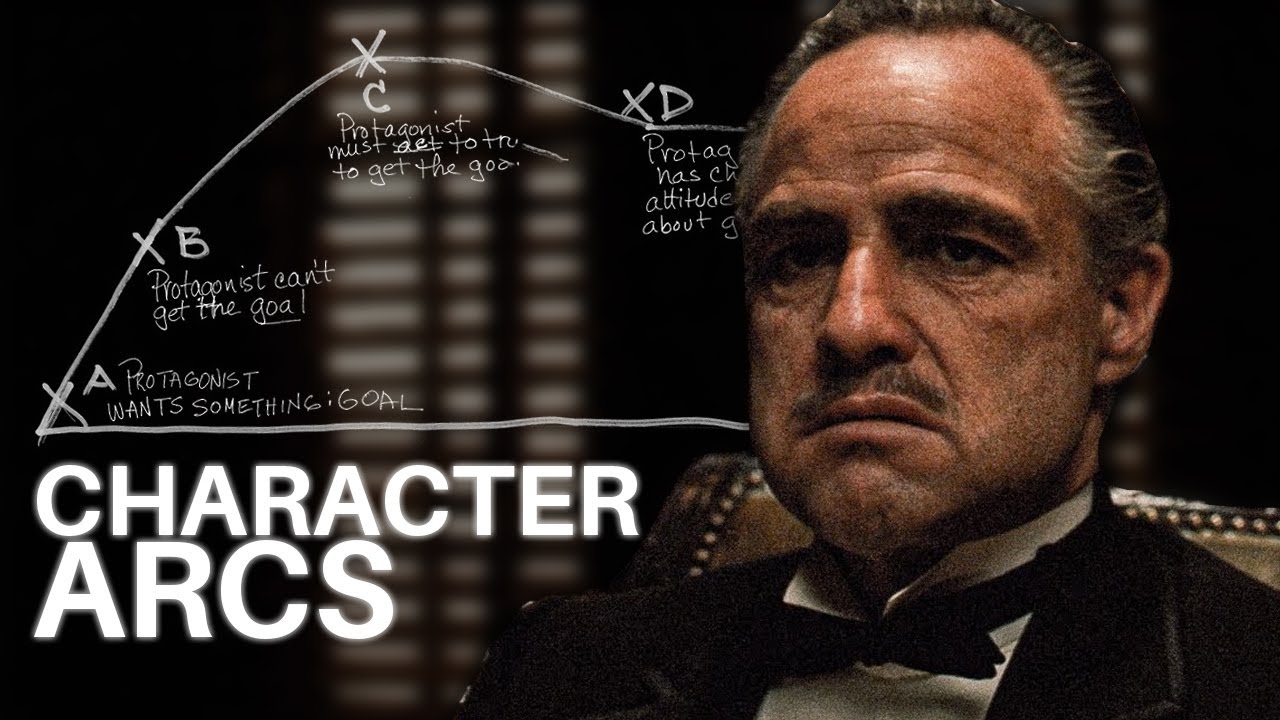
choice is not a complete story you need at least two choices to have a complete story let me explain this is where we get into the story Circle here's why I explained that you have the three layers of conflict aka the three layers to a single character that these layers distill into a choice right so three layers of conflict distill into a single choice however you need two choices minimum to create a character Arc why well because you need a setup choice and a payoff Choice why do you need a setup and a payoff Choice
well if your character let's say we have a character who makes a choice to steal right they have opportunity to steal are they going to take the someone's belongings yes or no they make the choice to steal we have now set them up as a thief this is a character who is a thief they steal from others if we want them to have an arc we must present them with another choice later down the road in some capacity where they have another opportunity to steal and so now we have this question to say okay steal
again yes no if they don't steal again they choose not to steal we are now saying this is a payoff and this is a change Arc they have gone from being a thief to learning their lesson in some way they decided not to steal again they have a change Arc if they choose to steal again steal again yes this also is a character Arc but this is a flat Arc they are the same they were presented with a similar Choice once again and they chose to steal again they are still a thief they have a
flat Arc therefore you must have at minimum no matter the size of the story two choices to create a character Arc therefore we have a story Circle and a story circle is the fundamental we're going to try that again better story circle is the fundamental organic movement of drama to have a two Choice story which M again I'm arguing you do not have a story if you do not have two choices that is my argument I would say that the definition of a story requires at least two choices in it because if we say that
anything can be a story then a snail then a a one page of a snail simply scooting around in the woods for five pages and no choices are made and nothing happens and that's it if we consider that a story then we're just in Crazy Town and we're we have no structure to our definitions whatsoever and it becomes totally unhelpful which is where a lot of people for whatever reason are in their understanding of story they walk around with no definitions whatsoever and that is fundamentally unhelpful here we use structured and clear definitions to understand
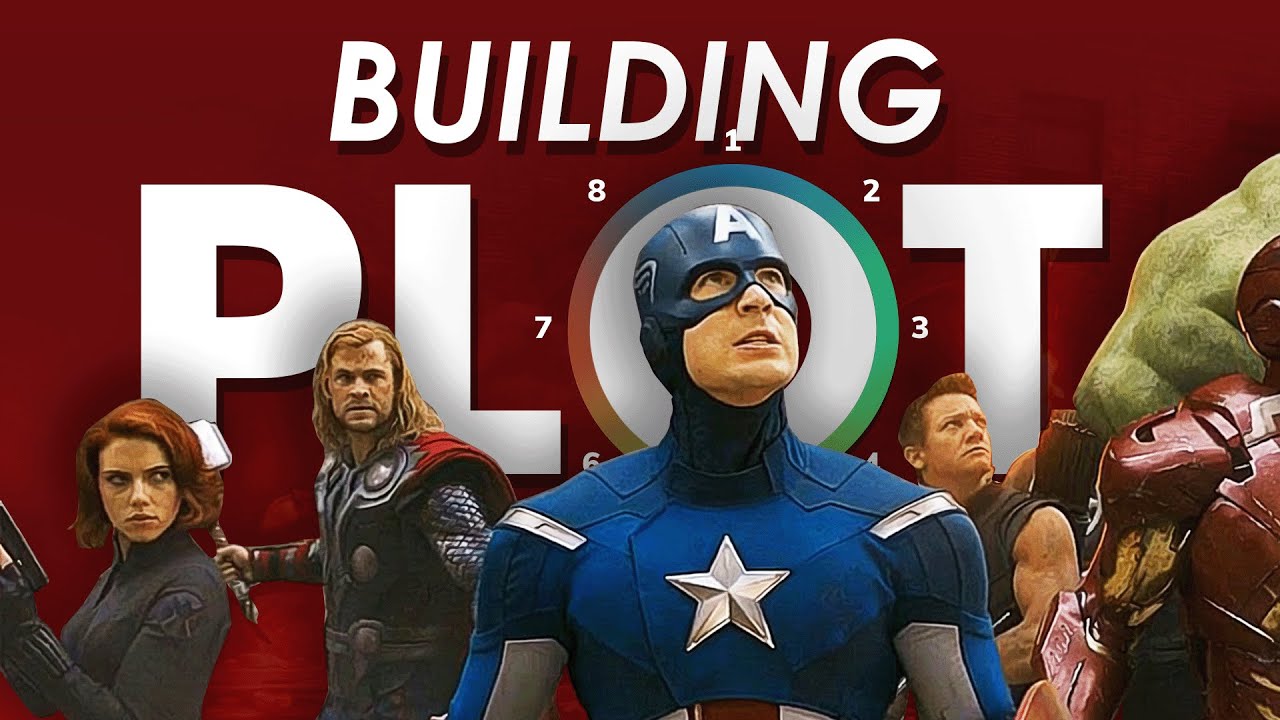
what we are talking about so that it is helpful to oursel and to others now there are two choices in a story Circle there is a choice Choice here at the four and there is a choice here at the seven therefore already this is a tool that allows us to create a complete story from my definition now how do we actually get to a choice well we need a choice to be presented well how is a choice presented well we need some sort of problem that makes it so that that choice can be presented to
us right there is no choice if there is no problem if there is no issue there's nothing to be solved there's no multiple directions to go in we do not have a choice and so again if we're going to have two choices well we must have at minimum two problems right now obviously to have a story what else do we need we need at least one character okay let's throw in a character here now we have a character and we have two problems and two choices that's a lot of the work done now if we
want to give this some backbone pushing this in a particular direction we give that character a desire they want something either they're already going after that thing or the problem forces them to go after that thing but if the character has no desire it's very unlikely for them to actually go into a story now they can sometimes encounter a problem and that problem create a desire because now they say oh well my desire is to solve this problem that can work but also most of the time human beings are not the Buddha we have a
some desire within us whether conscious or unconscious we want our lives to be different in some way we are seeking something we're looking for something and that does it does not have to be you're looking for $500,000 it can be an Olive's case where she is looking for validation from her father and therefore that creates a physical want which is to win the beauty pageant but it doesn't have to always be so physical I want the gold I want to build house it can be more I'm looking for validation from someone that I care about
that can still be a desire and so if we have this desire what happens is the character is now going after that desire and they encounter their first problem to solve this initial problem they then make a choice and they get to this point where their desire is achieved on some level either they have made major progress to that desire or they actually get what they want in the case of the opening of Indiana Jones and the Raiders of the Lost Arc Indiana Jones goes into the Ancient Temple he goes inside he encounters some of
the initial traps gets through them and ultimately finds the idol right desire achieved he has the idol and if you all remember the iconic scene where he has the sand and he has the Idol and he flips them in the temple a new problem arises as this desire is achieved he grabs the idol and the entire Temple begins falling down around him which then sends us into the payoff side of the story Circle remember this is the setup this side is the payoff because remember we have a setup choice and we have a payoff Choice
therefore the first problem in the first choice is the setup problem in the setup Choice and then we go into the second half where we have the payoff problem and the payoff choice this is also where the six is usually a surprise problem the character did not intend to have to deal with this secondary problem they thought the story was going to end here on some level and therefore they must make a climactic choice this is why you get this swinging of conflict at the second half of the story because this side is usually slower
right the setup side is usually a slower Pace where more scenes take place here and then this becomes all present immediate conflict where we are having to make quick decisions right now to actually solve the problem and then finally the eight is simply the change where the character has now gone through so you can even say character change where this is the we essentially bring us back to the one and these two are are connected and so if you understand this okay this this is story okay I'm not looking at certain medium I have said
this is just for features or this is just for sitcoms or this is just for short stories this is the core elements of story at large in all shapes and in all sizes and could you come in here and be like oh I want to be nonlinear I want to start with my surprise problem and then jump to the desire and then go to the climactic choice and then come back to the desire achieved it's like okay you could create chaos like that if you wanted but if you actually clarify your own mind you clarify
your writing you will find that the core middle 80% 90% of your story is going to be pretty linear because without that it ceases to make sense in the minds of other people and remember your story is not to be some ego trip of yours just to get other people to go wow how interesting you're trying to connect with them on a belief level and on an emotional level through your story so to summarize there are four core elements of story the three layers of conflict philosophical layer the belief layer your soul layer the the
emotional layer the mental layer and the external layer the physical layer and the same way a character and a human being has three layers to them your beliefs are your soul your emotions and feelings are your mind your actions are your body and there is a fundamental interconnectedness between these three layers that is why they are three in in one they are inseparable and they all distill down into single choices that a character must make and that your story is about once you understand the three layers of conflict and choice you can then come to
the final fundamental layer of story which is actually setting those choices into motion and you use a story Circle to do so because to have a complete story to have an arc to have a setup and a payoff in the same way that a joke has a setup and a payoff you need two choices to create an arc if they make the same Choice twice that's a flat Arc if they make a different choice in the beginning then they make it the end that is a change Arc and then you can plot this in this
manner here and then you can use this to create stories of all shapes and sizes if you have a five-page story Circle excuse me if you have a five-page short script you can use a singular Story Circle to create that short script if you have a 100 page feature film screenplay you can use a story Circle to understand the big picture to understand your inciting incident your midpoint and your climax then you can distill each Act of that screenplay that screenplay will have four acts 25 pages long each if you have a 100 page screenplay
and each of those 25 page acts will be their own Story Circle because an act is simply a story within a larger story an act is not totally separate and totally different from the other acts an act follows a similar structure because a story fractal down it is the same big as it is small when you get to the smaller elements of your story you can use the same structural elements that you are using in the larger element of that story and that is how you are creating a clear well structured well momentum story I
don't know if momentum is a word but I'm inventing it and that is the four core elements of story