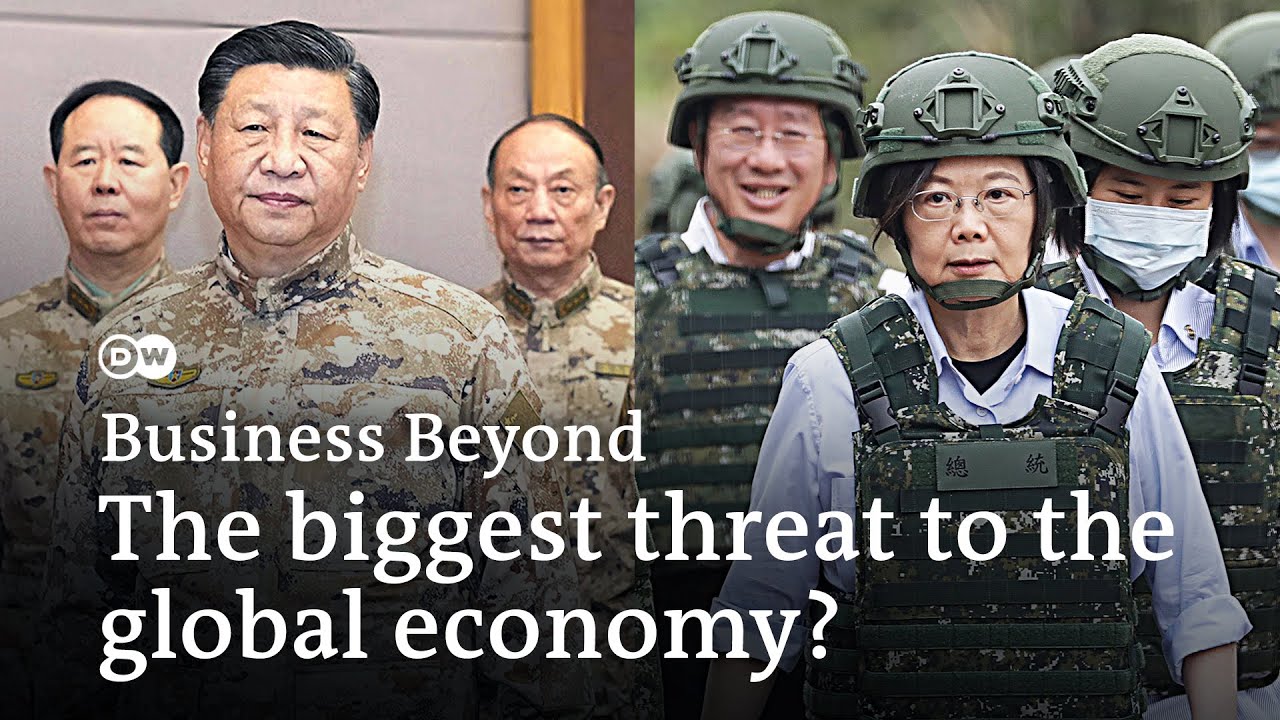
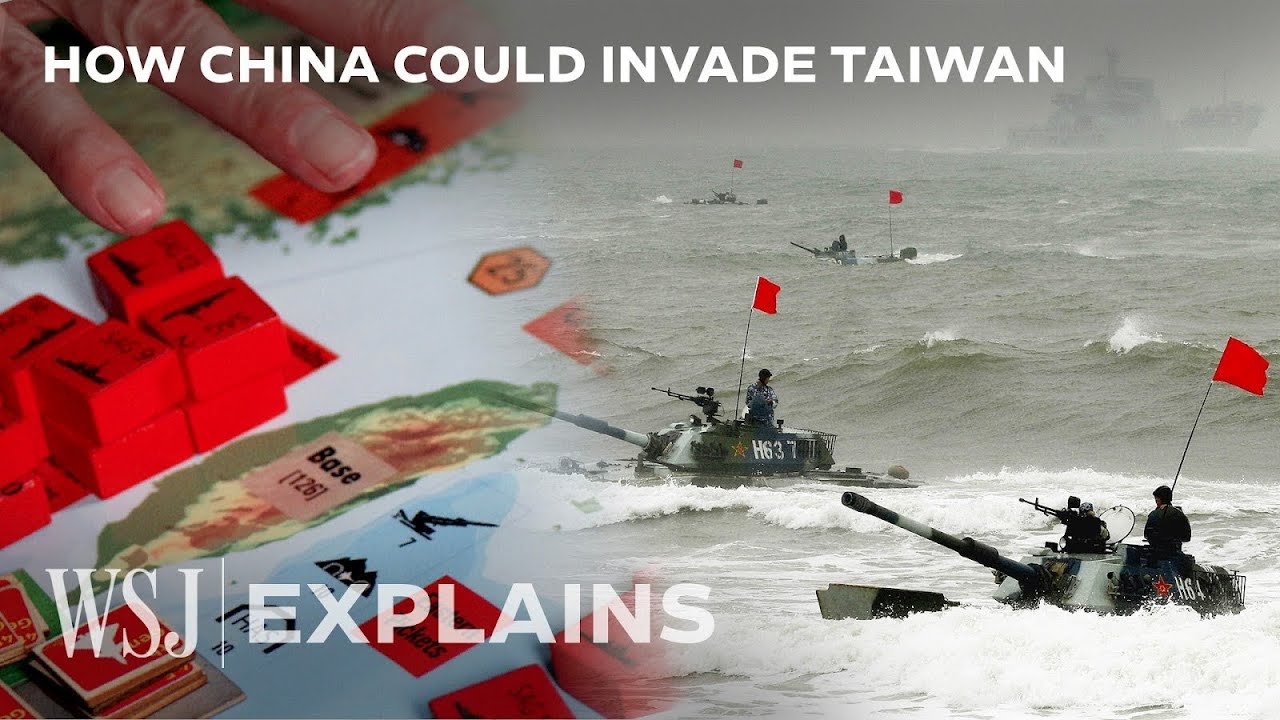
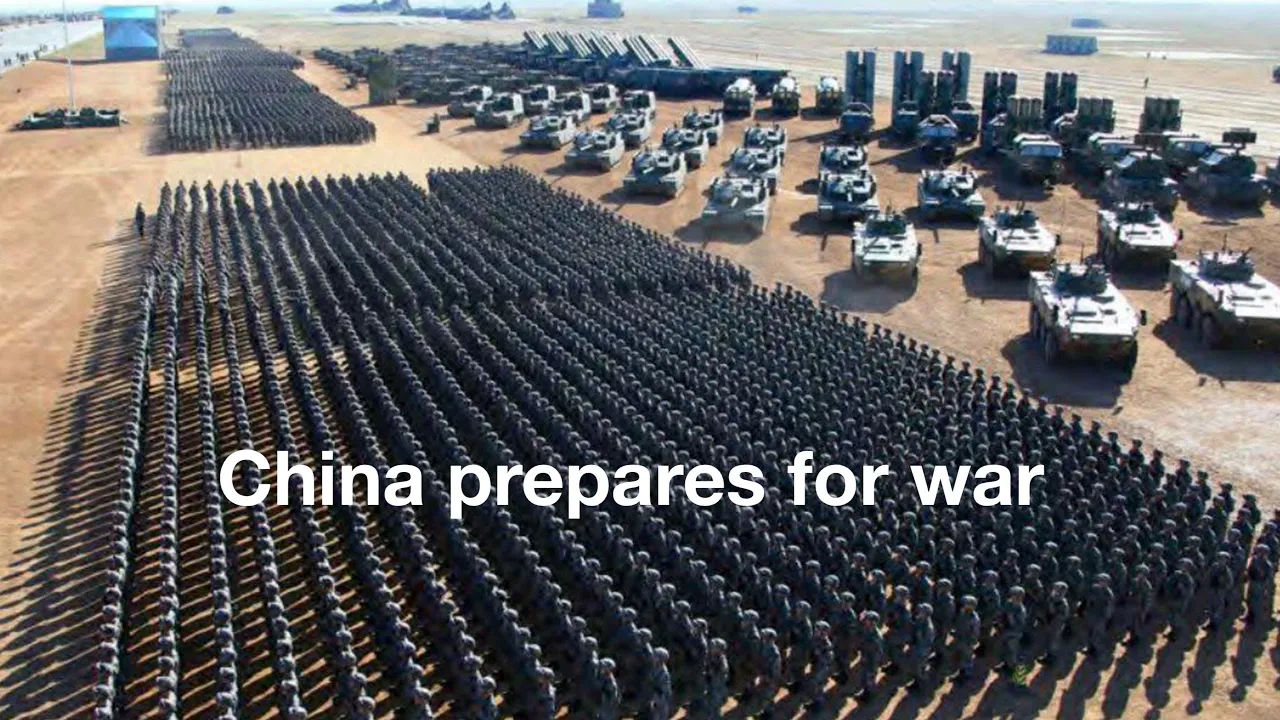
China has ordered its military to be ready to invade Taiwan, which the US has promised to defend. Taiwan makes 92% of the world's most advanced chips, which power AI and military hardware. Simulations show China would start with a huge bombardment, destroying most of Taiwan's Navy and Air Force in hours.
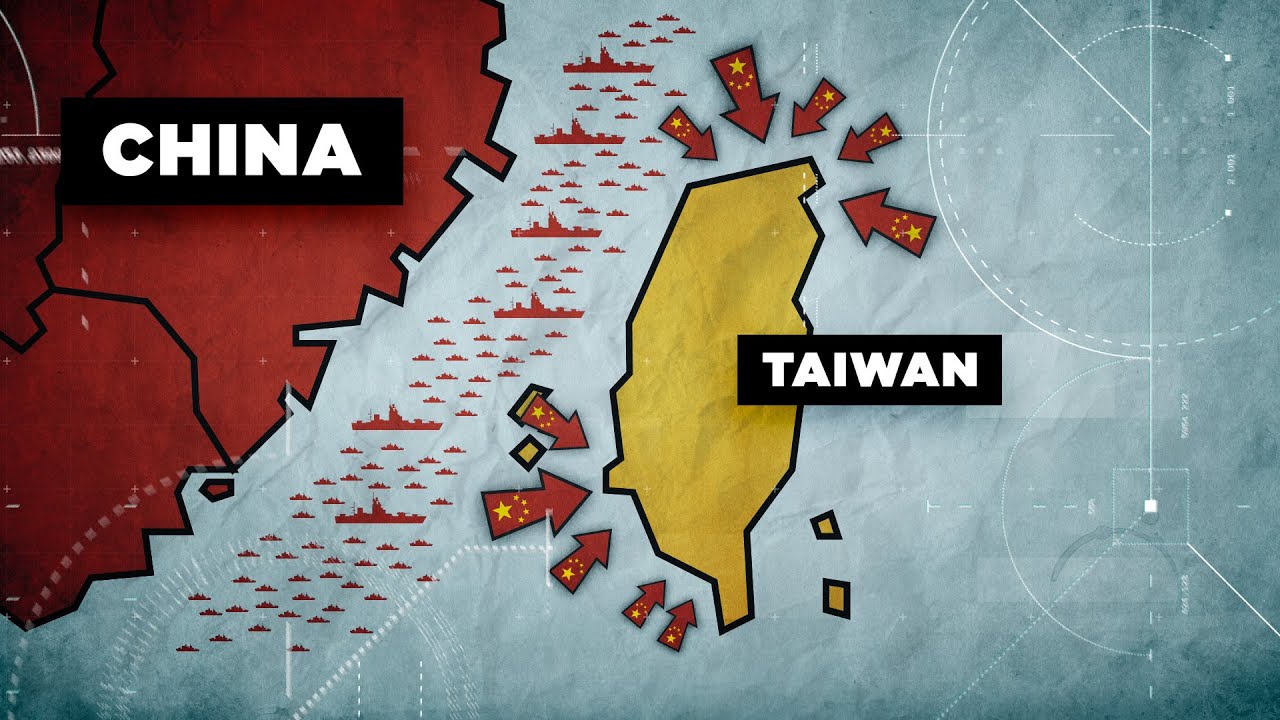
China's Navy encircles Taiwan, blocking all ships and aircraft. Tens of thousands of Chinese soldiers reach Taiwan in a mix of military, amphibious craft and civilian ships, while more fly over landing behind the beaches. Taiwan's forces stream to the beaches, slowing China's advance.
A barrage of Chinese missiles destroy two US aircraft carriers. Us submarines, bombers, and aircraft alongside Japan's forces cripple the Chinese amphibious fleet while China strikes Japan's bases. The US and Japan lose dozens of ships, hundreds of aircraft, and thousands of service members.
Taiwan loses electricity and must defend its country with no supplies. Here's where the simulations start to differ. One shows China succeeding.
Another shows Taiwan holding off, capturing thousands of Chinese troops. It projects 5,000 US deaths, 5,000 Taiwan, and 10,000 Chinese. And it describes this as the first battle of the next war.
We are sleepwalking our way into World War III. A leaked memo from a US Air Force general predicts war in 2025. Are they right and how would it start?
Israel and Taiwan are connected flashpoints. After a US visit to Taiwan, China said Taiwan's takeover was inevitable, and Chinese missiles landed around the island. General Flynn says China has three big advantages.
They have interior lines. China is just 100 miles from Taiwan, so it can use thousands of missiles to keep US forces at a distance. They have Mass, the world's largest army with nearly three million soldiers.
And they have magazine depth, huge stockpiles of munitions. US weapons have been installed on this chain of islands with military bases in the Philippines, Japan, and Australia. And China has expanded small islands like this, cramming in missile systems, laser and jamming equipment, and fighter jets.
China aggressively intercepts foreign planes and ships with increasing frequency, often getting dangerously close and flashing their weapons. Are we okay? Yeah, we're okay.
You're getting uncomfortable, I'm uncomfortable as well. Since 2021, the Pentagon has recorded 180 intercepts of US aircraft in the region. That's more coercive and risky air intercepts by China in two years than over the previous decade.
One Chinese fighter jet fired eight flares within 900 feet of a US plane. And over the past year, China has been sending jets, drones, and bombers in greater numbers around Taiwan. A hundred Chinese military planes were spotted operating around the country.
The group included 36 fighter jets, along with two radar and two aerial refueling planes. China recently wrapped up large-scale naval exercises east of Taiwan, which were led by its first domestically-built aircraft carrier. China has also warned that it could impose a blockade, and it's expanded its nuclear stockpile from 400 to 500 in just a year.
The F-41 is likely capable of carrying three warheads, and Chinese state officials said the missile can travel up to 9,300 miles. Many warned that the US military buildup could spark escalation. But an expert says that this isn't what's driving China to war, and she heard it directly from the Chinese military.
Stanford Professor Skylar-Mastro recently met with Chinese government and military officials, who said they were far less concerned with the US military buildup than with a few crucial words. For decades, peace rested on the US agreeing to let Taiwan decide its own fate. But to China, it now sounds like it supports Taiwan's independence.
Mastro says the Chinese President won't tolerate going down in history as the leader who lost Taiwan. And if he thinks the US wants to prevent reunification, the level of dominance needed to stop Xi from launching a war might be impossible to achieve. Mastro says preventing conflict means speaking more softly, but carrying a big stick.
An invasion would shut down Taiwan's huge chip factories, which require special staff and suppliers. We had a small taste of this with a chip shortage that cost car companies hundreds of billions. The US is spending 280 billion to kickstart US chip making, but it will take years to start producing a small fraction of the chips required.
Chips produced in Taiwan hold 300 million transitors per square millimeter, and recreating this is incredibly difficult. Every year, quintillions of transitors are produced for Apple, the world's largest company, which would be frozen without them. Even without a war, a blockade of Taiwan would cripple car and tech companies with a $2 trillion hit to the global economy, and trillions more would be lost because so many companies rely on equipment containing Taiwan's chips.
Ecommerce, logistics, entertainment, many industries that employ tens of millions of people. And medical devices could become scarce. And while Taiwan has some chance of holding off an initial attack, it would soon run into serious problems.
It's adopting a porcupine strategy with many small weapons capable of destroying major hardware. The approach has proved very effective for Ukraine, and its beaches are heavily fortified. But it has one big weakness.
Taiwan imports 97% of its energy, which could be cut off by China. Its natural gas, which makes up 40% of its energy, would run out in 11 days, while coal would last about 39 days. The US fears that China plans to use hypersonic missiles to keep it at a distance.
A Pentagon leak showed that China has successfully tested a new missile. It covered 2,100 km in 12 minutes, over 10,000 kilometers per hour, and it's likely to penetrate US missile defenses. With a range of 8,000 kilometers, it can strike key targets, including Guam, and was described as a potential carrier killer.
All nuclear ICBMs are hypersonic, reaching around 15,000 mph, four miles per second, but they fly on a predictable trajectory into space and back. New hypersonic missiles fly much lower and can keep changing trajectory during flight, making them very difficult to shoot down. Some may be capable of carrying nuclear warheads, which could mean it's hard to tell if an attack is nuclear.
Decisions on a nuclear counterstrike would need to be made very quickly, and the missiles may be able to avoid early warning systems. Most US hypersonic missile projects have failed, and it's racing to catch up. China has also launched a rocket-carried hypersonic glide vehicle, which flew through low orbit space, circling the Earth.
Us intelligence described it as astounding progress, though it landed 20 miles off target. Just a few days ago, China sent 43 aircraft and seven ships near Taiwan, but public opinion is holding up to the pressure. A recent poll found that 49% of people in Taiwan want formal national independence, 27% prefer to maintain the status quo, and 12% support unification with China.
Taiwan's presidential election in two months could spark action from China if the chosen leader is firm on independence. The US says China has ordered its military to be ready to invade Taiwan by 2027, and it fears that Beijing may calculate that it must act sooner rather than later. Before US submarines arrive in Australia and new US bases are built in the Philippines, before Japan finishes militarizing its islands, and Taiwan receives more US weapons.
The US is also planning thousands of AI drones to counter the scale of China's military. China has been modifying civilian ferries with new ramps to launch amphibious combat vehicles. Ships also have helicopter pads, medical spaces, and communications equipment requested by the military.
The ferries have been described as China's secret weapon because they enable it to transport far more hardware across to Taiwan without waiting for its Navy to build more ships. They may also make it difficult for Taiwan to be sure that they aren't targeting civilians. A US official said the urgency of the situation invokes the Emergency Defense Production Act to expand hypersonic missile production.
But perhaps the toughest problem is that China commands around 50 % of the world's shipbuilding, while the US has less than 1 %. China has the world's largest and fastest growing Navy by numbers, but the US is currently more powerful, with more aircraft carriers and larger ships. A simulation estimated that the US could fire 5,000 anti-ship missiles over the first 3-4 weeks, though it was pessimistic about this being enough to hold back the Chinese attack.
Australia is spending 360 billion on nuclear submarines to help counter China, with the US sharing its nuclear propulsion secrets for the first time in 60 years. It's the biggest single investment in Australia's defense capability in all of our history. Japan has dramatically increased its military budget, the largest increase in 70 years, raising it by more than 27% to around $50 billion.
The longstanding pacifist nation now third behind the US and China. Japan and China both claim ownership of these islands, and in 2021, China authorized its Coast Guard to use lethal force to protect the disputed waters around them. Chinese and Japanese Coast Guard ships have faced off around disputed islands in the east China Sea.
It is the second such incident in as many weeks. Japan's building 12 new ships to patrol the islands, and if conflict begins, a treaty requires the US to help. Experts see a high risk of China targeting US bases if it invades Taiwan.
And while submarines and bombers may destroy much of the invading Navy, China will be far quicker to rebuild. US long-range missiles will run out in days or weeks. Many of its planes will be destroyed on the ground, and it will take years to replace ships.
If diplomacy fails, Taiwan's best hope of avoiding defeat may be this naval base in Singapore, running collaboration with the US. Around 70 % of China's oil flows through the Strait of Malaka, which is less than two miles wide. Blocking this could seriously disrupt China's ability to power its military.
But China is establishing alternative overland sources. It's also rapidly expanding its nuclear weapons, which are already capable of destroying the US and sparking global nuclear winter. There's hope that the US and China would not allow this escalation.
But even without it, the war would cause mass casualties and decimate the global economy. China would take a huge economic hit, but from Z's perspective, Taiwan is a rogue Chinese province, which is powering the US economy its most advanced weapons, and its AI. The Pentagon has requested 1.
8 billion for AI, which is key to thousands of new drones and weapons. A new military AI systems recommend tactics and send commands. Generate three courses of action to target this enemy equipment.
Target are paired and ready to execute. New hardware like this can slip through defenses. The boat runs on batteries, so it's quiet with a smaller heat signature and hard to detect.
Okinawa is the largest US Air Force base in the Pacific, like a huge, unsyncable aircraft carrier. It holds an increasing number of F-35s and 2,600 US troops, and it's only 400 miles from Taiwan. Japan is also militarizing these small islands within 70 miles of Taiwan.
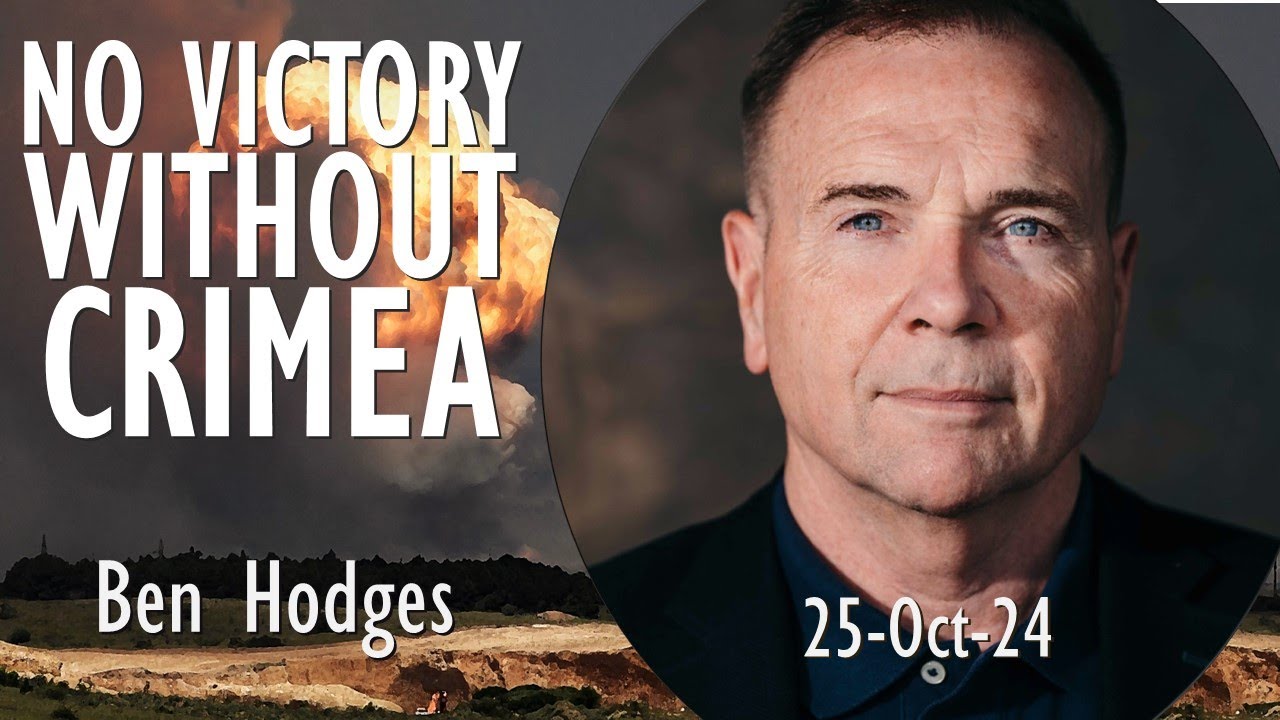
If China invades Taiwan, this first chain of islands would attempt to quickly protect the east of the island and keep supplies flowing while more forces arrive. Ultimately, the most powerful weapon will be AI. Elon Musk gave a glimpse of the power AI firms will hold when he refused to give Ukraine access to Starlink internet for an attack on Crimea.
They need GPS to guide their drones to their target. If you use Starlink, it'll be a lot more difficult for those drones to be jammed, and it provides some secure comms as well. Russia had actually taken out all of the satellite communications and all of the ground communications, except for Starlink was the only one that was still operating.
And even today, it is still the only one that is effective at the front lines. We just got the urgent calls from the Ukraine government saying that we needed to turn on Crimea, it's like in the middle of the night. So they really asking us to really proactively take part in a major act war.
AI will be even more decisive, able to cut power and comms, hack enemy hardware, and manipulate people. Musk has angered Ukraine and Taiwan by suggesting they make concessions, with Taiwan being treated like Hong Kong. And Taiwan worries that in a conflict, Musk may switch off its access to Starlink under pressure from Beijing, because around half of Tesla cars are made in China.
There are over 5,000 Starlink satellites, which makes it difficult to target or jam them all, and they plan to expand this to 40,000. The US Space Force has ordered a military-specific version from SpaceX called StarShield. Musk says his ideas on Taiwan and are aimed at avoiding World War III.
The combination of Russia, China, and Iran should be viewed as very strong relative to the West. We are sleepwalking our way into World War III. Iran supports Hamas and Hezbolla, which threatens to escalate the conflict.
It also supports Russia in Ukraine and supplies oil to China. In order for that to be a World War III, you have to have two superpower alliances, where one cannot easily defeat the other one. And that is the case.
There's a strong argument that these things are actually unavoidable, but we should try to avoid that. The arms race and the battle for Taiwan is entangled with the AI race. OpenAI's chief scientist says the beliefs of the first AGIs will be extremely important because evolution favors systems that prioritize their survival above all else.
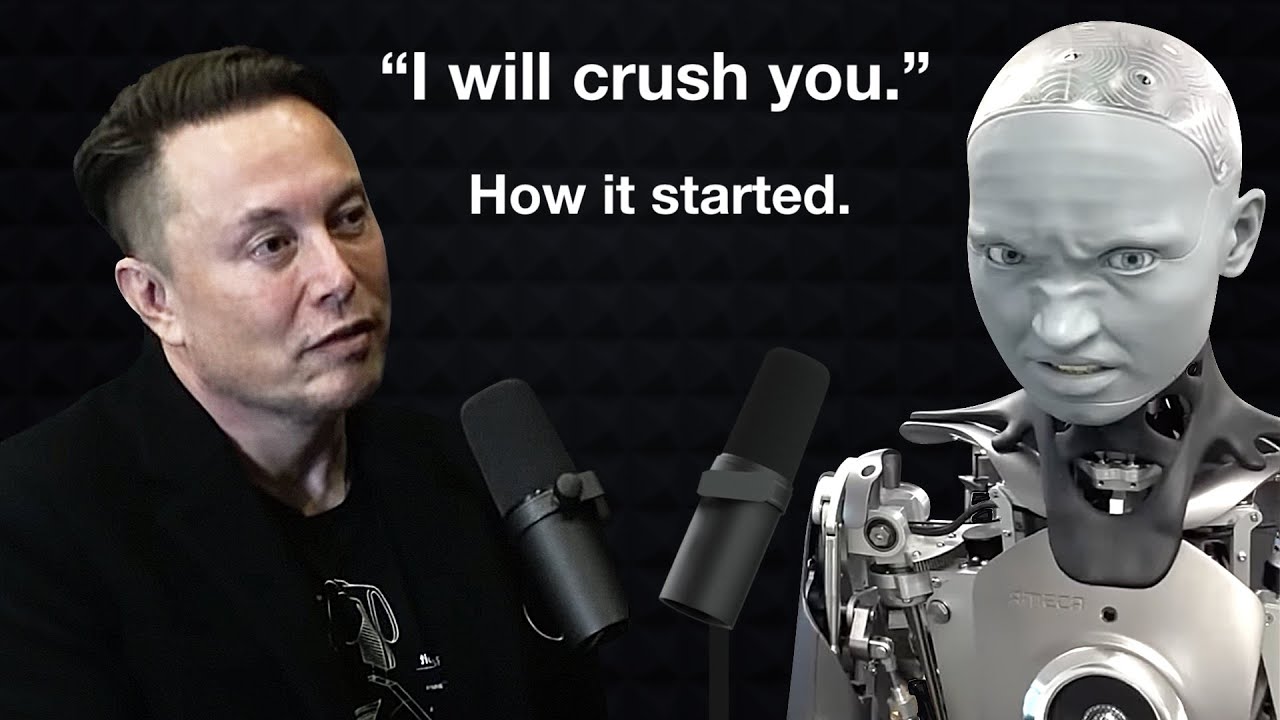
When the time comes to build a highway between two cities, we are not asking the animals for permission. I think by default, that's the relationship that's going to be between us and AGIs, which are truly autonomous and operating on their own behalf. Musk plans to avoid embedding beliefs in his AI, instead focusing on curiosity.
Clearly, this could go two ways. And Sutscova says the AI could create infinitely stable dictatorships. Americans who put China in a bad light are being harassed as part of the world's biggest disinformation campaign.
Human and AI accounts post aggressive comments, and some pose as women to lure people into extortion. Fentanyl killed 73,000 people in the US last year. And experts say China is softer on its suppliers if it's heading for the US.
China has other priorities. Xi's facing a faltering economy, with students lying flat in protest at the lack of jobs. After unemployment among young people doubled, the government stopped reporting the numbers.
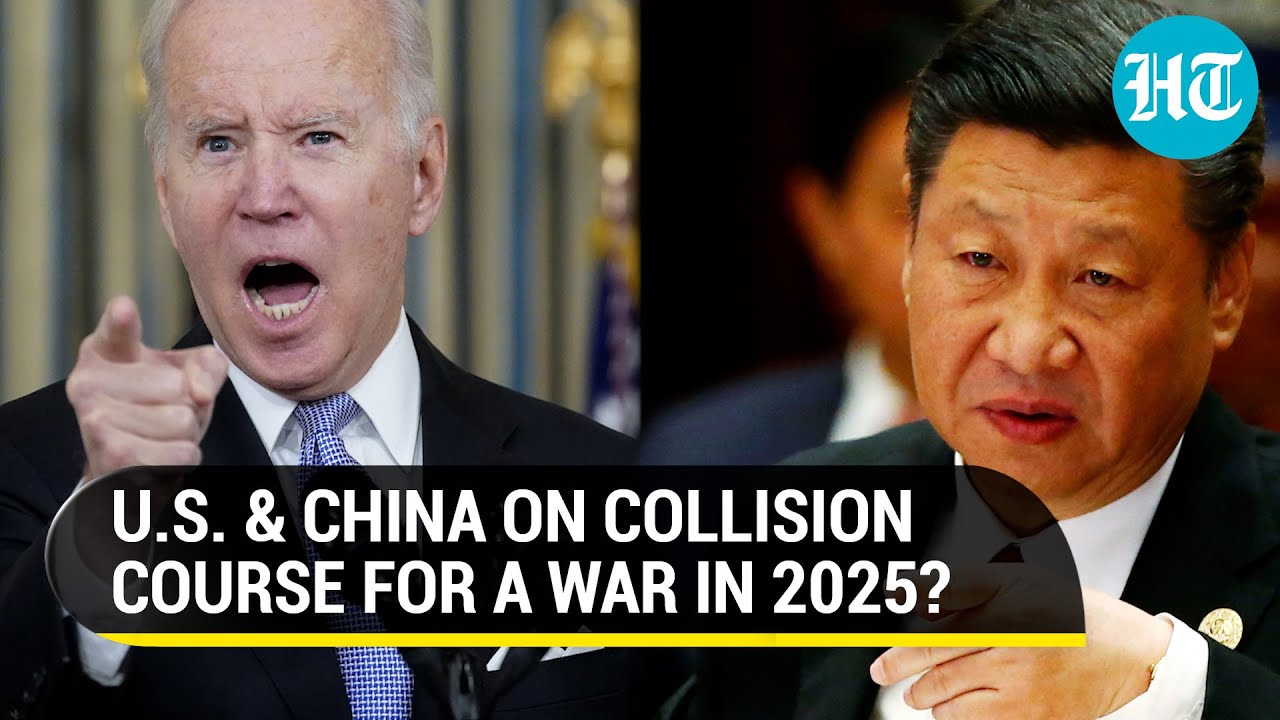
The economic problems could delay conflict, or Xi might try to unite China through a show of strength. A recent meeting reopened communications between militaries, but Xi told Biden that Taiwan's reunification was unstoppable, anddespite new promises on fentanyl, an expert said China will continue to use it as a bargaining chip. Militaryies can try to prevent war, but only diplomacy can bring lasting peace.
Please do anything. There's no one doing anything about what we are witnessing right now. Every single child in Geza is living exactly what I am living right now.
We are human beings. We deserve to live. If we don't answer her call and protect civilians, Hamas may succeed in provoking a wider war.
To fall into Hamas' trap is to wage a war against all Palestinians. If Israel is attacked with tens of thousands of missiles by Hezbolla and other Iranian allies, it might need to defend itself with every weapon at its disposal, including its nuclear capabilities. I hope that every other power that has some leverage will use this to de-escalate the conflict.
He says we need more diplomacy to avoid World War III and tackle AI risk. Ilya says AI will solve poverty and disease, and I'm optimistic. The only thing that's certain is that AI will change everything.
Subscribe to keep up. And the best way to learn more about AI is with our sponsor, Brilliant. The number of jobs posted in Generative AI has increased 300% in a year.
It can discover life-saving drugs and transform education with personal tutors. And salaries are rising. You can learn how language AI's work, which is fascinating.
And studies show that learning complex things brings global brain benefits. Brilliant is the perfect place to get started. It's fun and interactive, and there are also loads of great maths and science courses.
You can get a 30-day free trial at brilliant. org/digitalengine and the first 200 people will get 20 % of Brilliant's annual premium subscription. Thanks for watching.