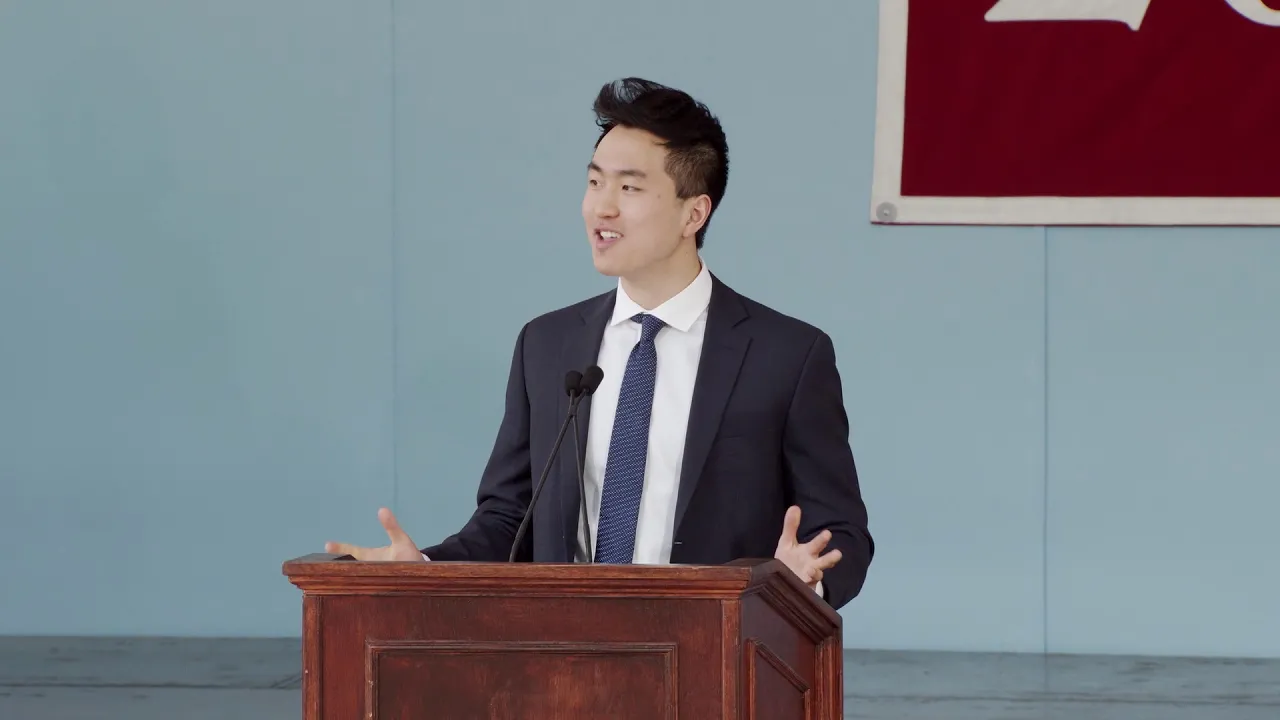
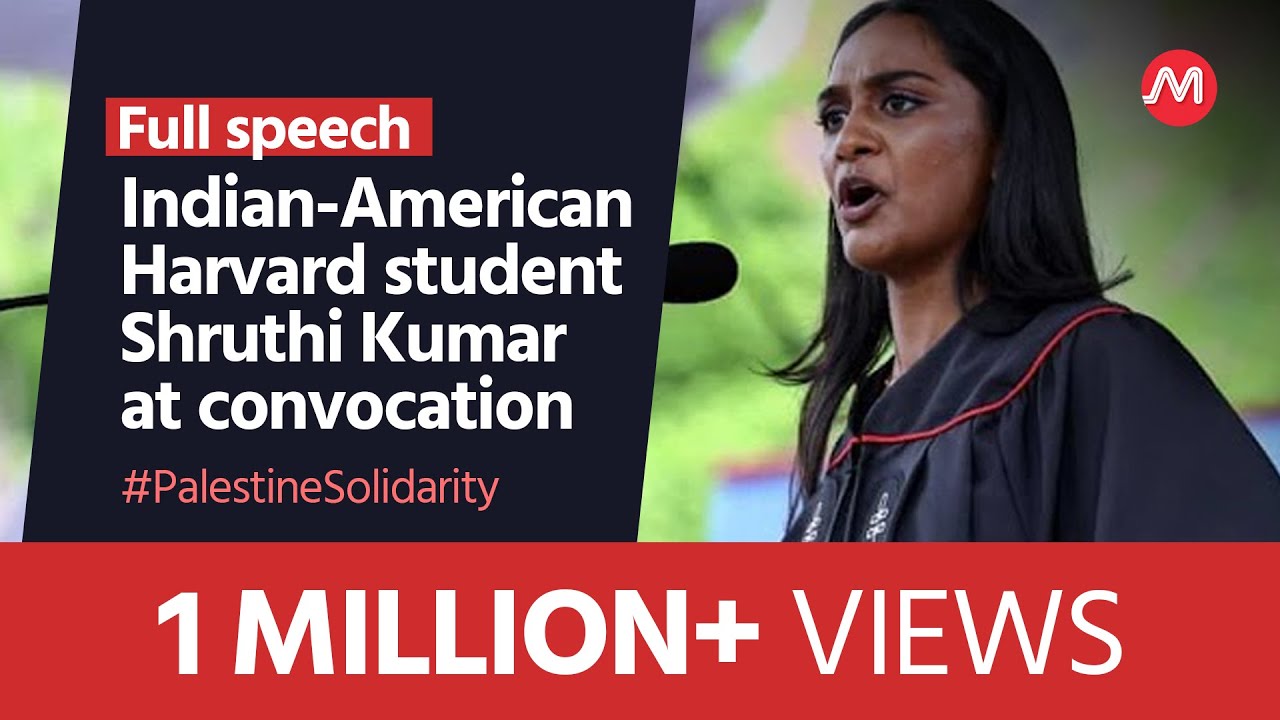
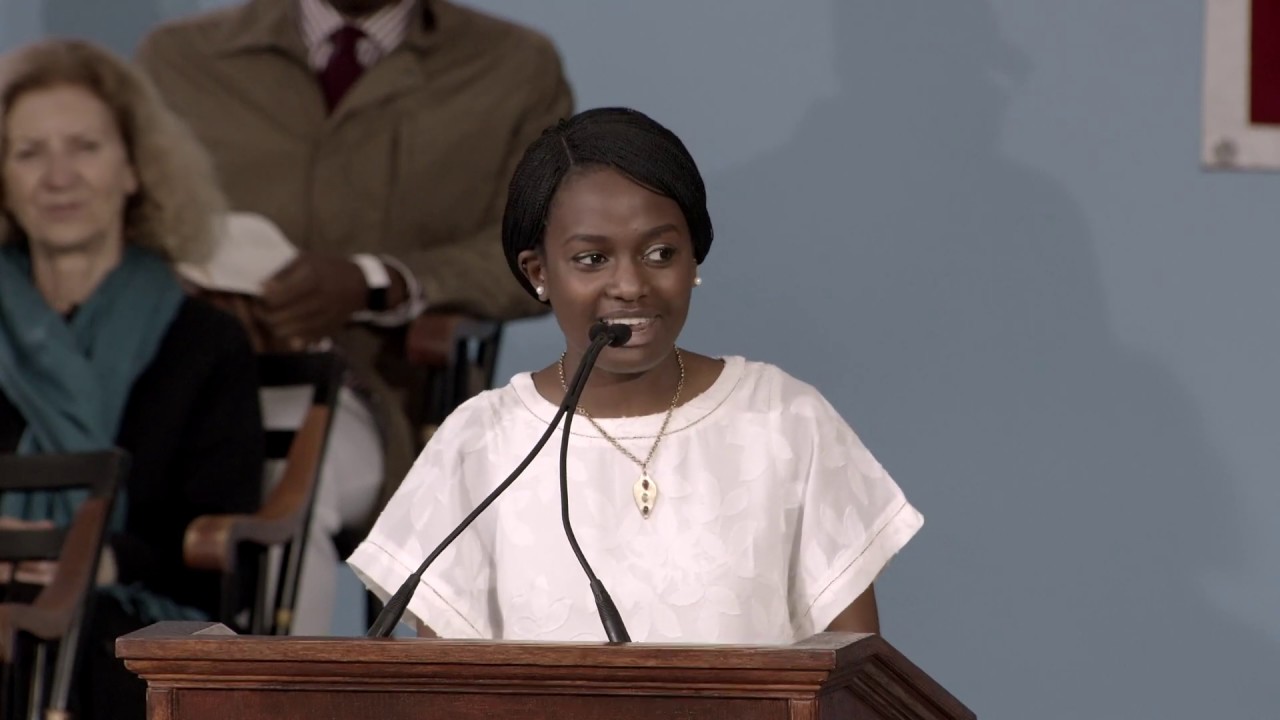
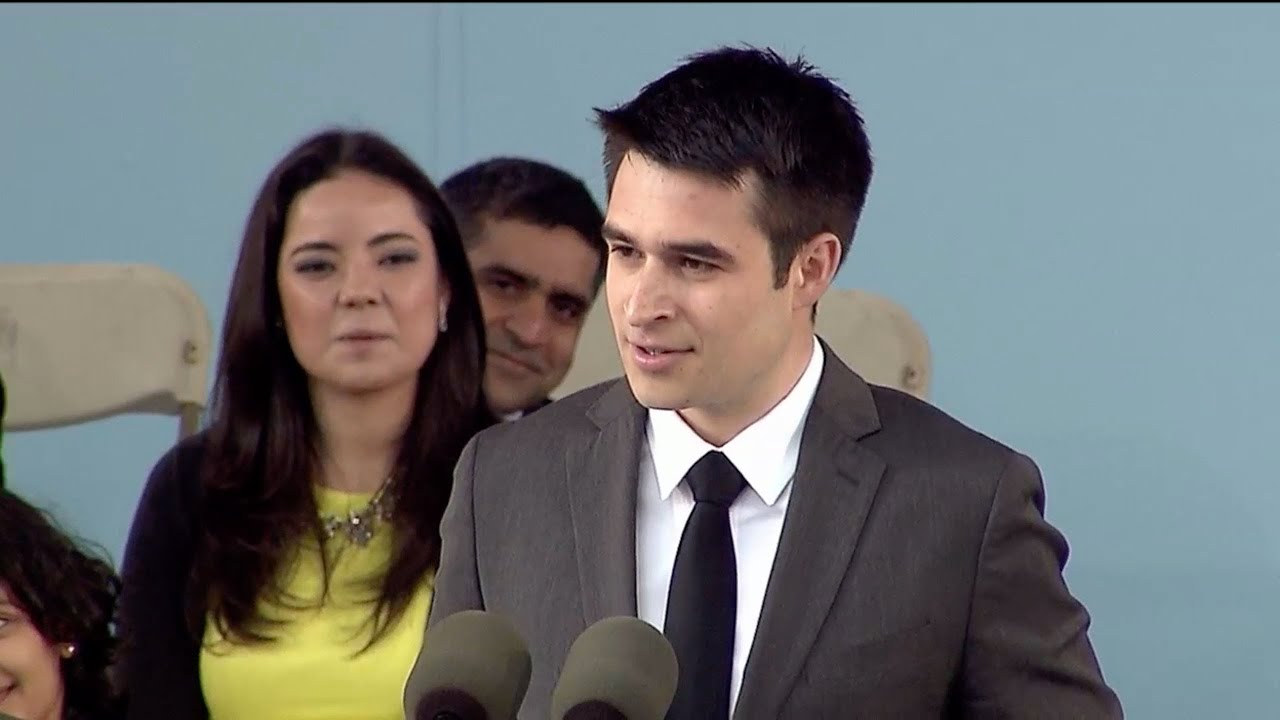
Okay so I know most of you guys are probably nursing a hangover from last night but I really need you to pay attention for the next 10 minutes it's pretty important okay there is a question that every single person graduating tomorrow knows the answer to some of us more certain of this question than others and many of us actually come to Harvard to figure this out but even if we don't know the answer it's a question that we ask ourselves often and it's something we spend four years trying to figure out what am I gonna
do with my talents some of us are gonna change lives and classrooms around the world reimagining how education is practiced and theorized some will use their talents to take your patience and cure disease many are going to become lawyers and legislators still others writers actors comics and heads of state and I'd be lying if I didn't think about this question myself but I felt more lost about this question this is because I like so many other students at this university was lost about my place at Harvard whether I belonged and what I could possibly hope
to contribute to such a vast and hallowed institution I am one of the nation's eleven point three million undocumented immigrants my father finds work as a line cook in restaurants across New York City and my mother finds work in beauty salons so if you've ever eaten at a Korean restaurant or receive the mani-pedi in New York City congratulations like it or not you may have partially subsidized the education of what Fox News would call an illegal alien my parents are actually here today mo- thank you, papa - don't cry I knew early on that my
talents were merely a testament to their sacrifice a product of their original dream to secure a better life for me and so I knew most of all that my talents were not my own they were molded by my parents labor shaped by their bowed legs and their blistered hands my talents are indistinguishable from their labor they are one in the same thus this perspective I brought with me to Harvard gave new meaning to the question of what am I going to do with my talents I felt bound to my community I felt beholding to my
undocumented people particularly those in my home in Queens my immigration status is always affected the way that I see the world affected the way that I envision my place in society and by extension what I wanted to do with my so-called talents and so I wondered what am I gonna do with my talents in the face of this impossible question I searched for my answer at the center of all human knowledge Widener Library to be specific under Widener there's a small yet indispensable part of Harvard called the Pussey archives which is home to many of
the private documents of distinguished Harvard faculty I found the answer to this question buried in the personal library of John Rawls a famous political philosopher at Harvard who according to President Clinton helped the whole generation of Americans revive their faith and democracy itself and this is definitely true for me at a time when the President of the United States believes that I don't belong here John Rawls helped me envision in America shaped by principles of justice fair inclusion and human equality so Rawls tells us that there's a sense in which this question we all ask
ourselves what am I going to do with my talents has hidden within it a false assumption this assumption is the commonly held belief that our talents are gifts of intelligence health wealth charm wit and abilities is something we can claim as our own Rawls challenges us to question whether our talents are something we can truly claim ownership over like D Hall plates or that last piece of chicken breasts blow the grill closes indeed Rawls says that one's talents are merely the product of luck an arbitrary force dispensed to humans based on no moral standard thus
he argued we must think about our talents as a collective asset a common asset that must be leveraged as part of a well-regulated political union ok so now to be sure some of you were thinking but these are my talents I was the one who worked to cultivate them I was the one who spent all those hours at Lamont and I was the one who shed sweat tears and peppermint Rubinoff to perfect my abilities I deserve what flows from my talents why should I think about it as a common asset like a public restroom or
John Harvard's foot now hear me out hear me out what I'm saying is that thinking about our talents as a collective asset helps us escape the language that often surrounds the conversations that we have with each other at Harvard we often swim in a culture that says talented people get what they deserve right that those with higher GPAs are smarter that those who get punched by final clubs are cooler than those who do not that those who work at Goldman are more brilliant than those who do not alright maybe that's my last what isn't true
but we swim in this culture that says what you get is tied to your talents in reality our talents are products of social collaboration our intelligence charm and abilities only blossom when others believe and invest in us I think this is clearest at Harvard the only thing I would venture to say is true for every single person in our class is that not one of us could have gotten to this point on our own dining hall workers nourish our bodies librarians and archivists preserve the knowledge and heritage we rely on to write our papers and
landscapers and custodial staff make our campus a beautiful place for us to completely ignore as we swipe away on tinder our TFs and professors sit down with us time and time again to explain for the hundredth time things like how a protease inhibitor works or why the hell Nietzsche was so angry indeed our talents are developed through interaction with others in a web what Rawls called a close knitted an interconnected political community composed both of people you know but more by people you do not and once we accept this there's no reason why the duties
we have to those we know shouldn't also extend to those we do not indeed there's no reason why the close bonds of fellowship we often feel to our family and friends shouldn't also extend to those we don't know in our political union and that's why Rawls is vision of society as a political community is more than a catchphrase when we share a society your life affects mine whether we know each other or not and we have to evaluate this joint project by the hole because if you think about it our particular positions within the web
of society come to us most of all through fortune not desert therefore how we treat everyone in our union not just those who are talented is really a reflection of our personal values who we want to care about who we want to include and who we want to protect at Harvard we can often be blind to the fact that we have duties to one another that demand more from us than simple non-interference, non-interference that says i'll do with my talents what I will and you do with your talents what you will non-interference that says we
should draw the line of membership in our society only around those who possess talents on the contrary we have a positive responsibility to others a duty to liberate those who are unable to wonder what am I going to do with my talents and I know this isn't easy it's not easy because it demands that we reject this notion that we can truly own our talents it demands that we step up and own our good fortune enough to give its fruits away but if it's any consolation there's a reason that the inscription facing you as you
leave the yard says depart to serve better thy country and mankind not depart to serve better thyself and I can thus I believe truly taking this adage seriously and taking it to heart requires us to ask ourselves a slightly different form of the question we all know the answer to what am I going to do for others with my talents thank you you




![UCF Professor Richard Quinn accuses class of cheating [Original]](https://img.youtube.com/vi/rbzJTTDO9f4/maxresdefault.jpg)