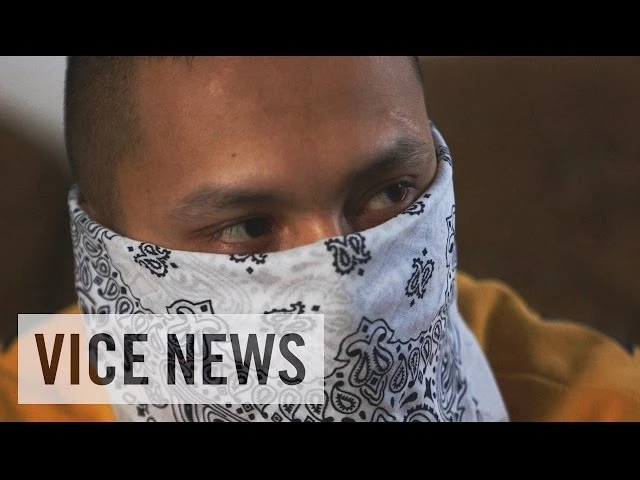
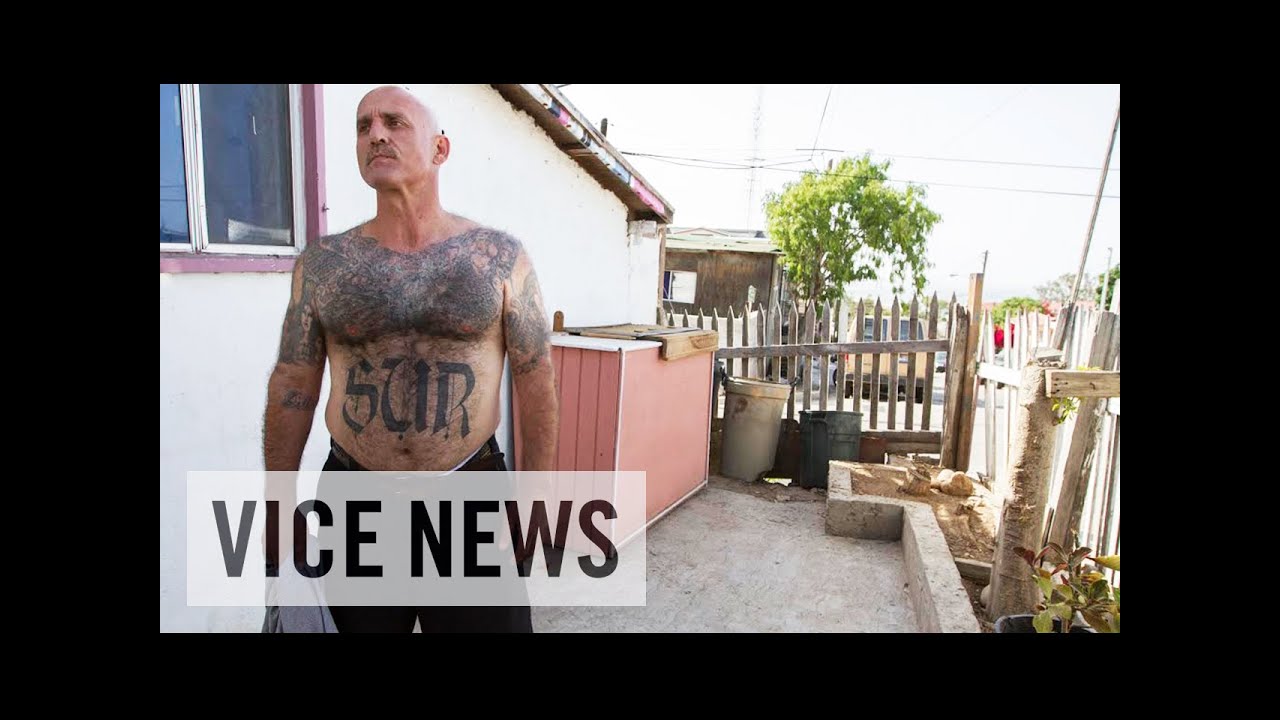
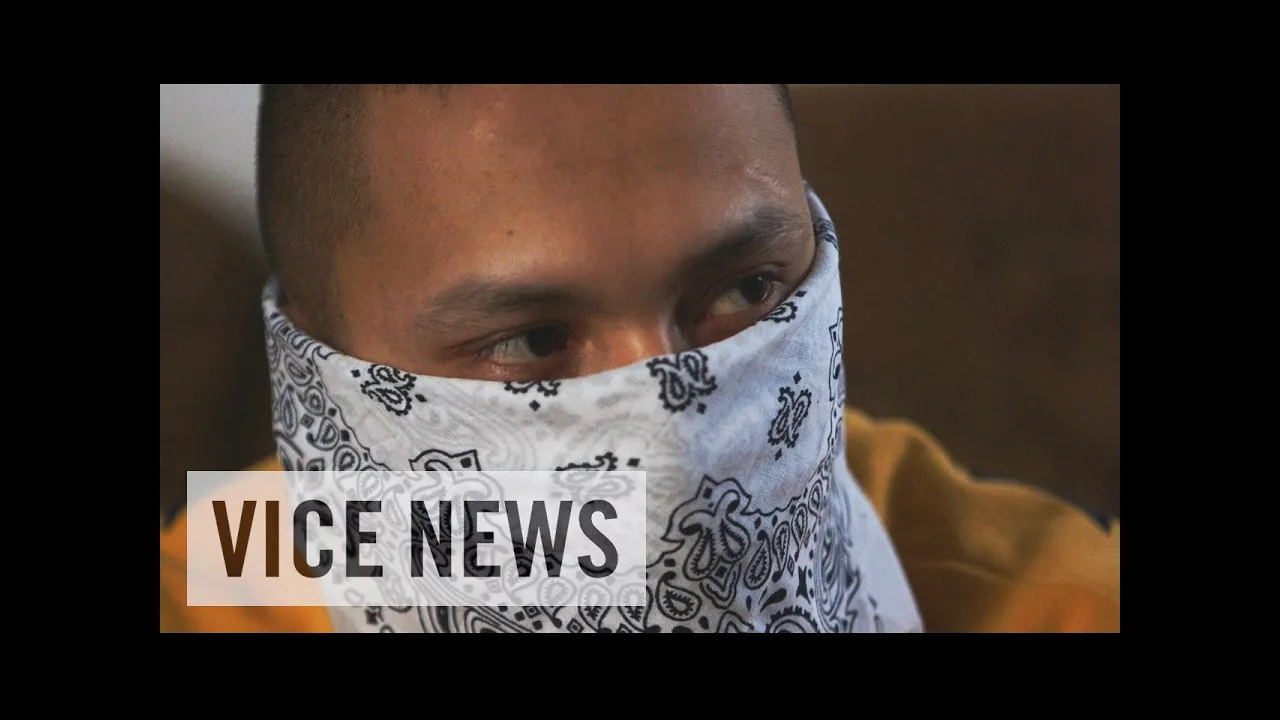
a lot of our people our Young Nation are leaving to find their place and they weren't ready for our people rival gang pull a gun out on me stuck in my face stuck in my kid's mom's face I didn't care man he loaded it he cocked it I wrestled it from I shot him in the leg took his leg off with it so in their minds I think they're forming a Brotherhood of like-minded people people that all feel disadvantaged and Outcast are the outside of society and they decided they were going to take theirs [Applause]
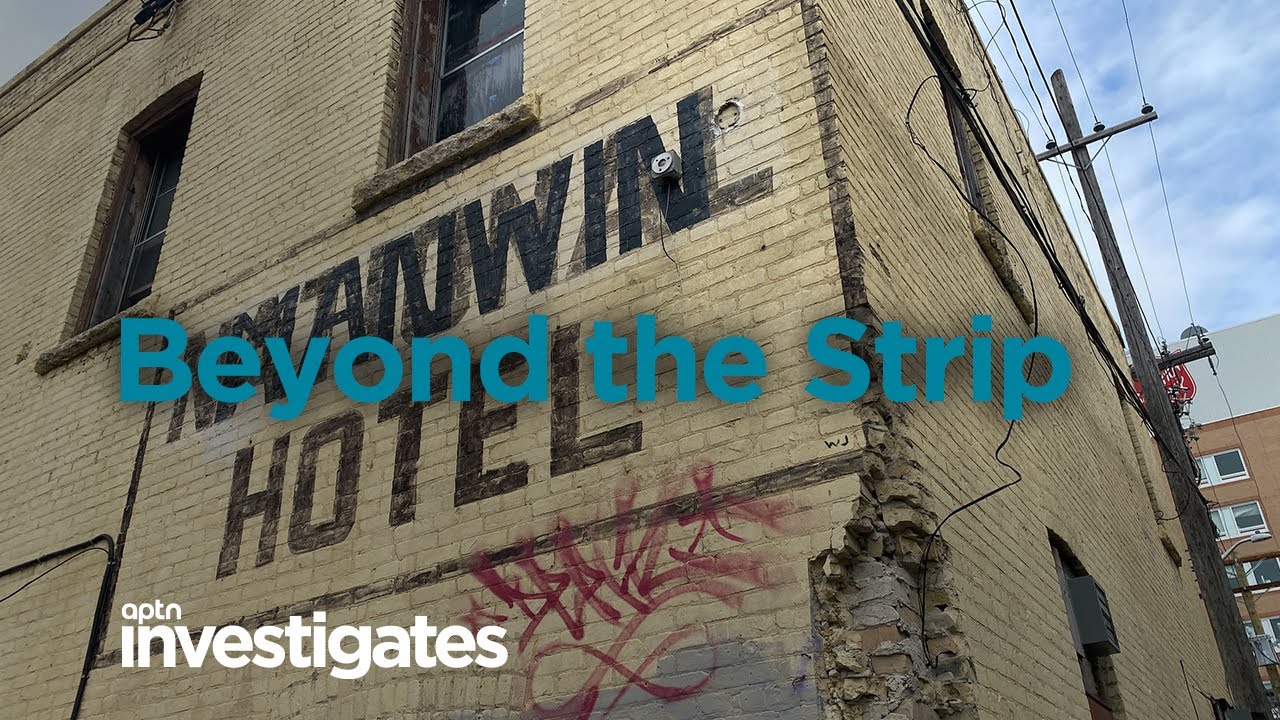
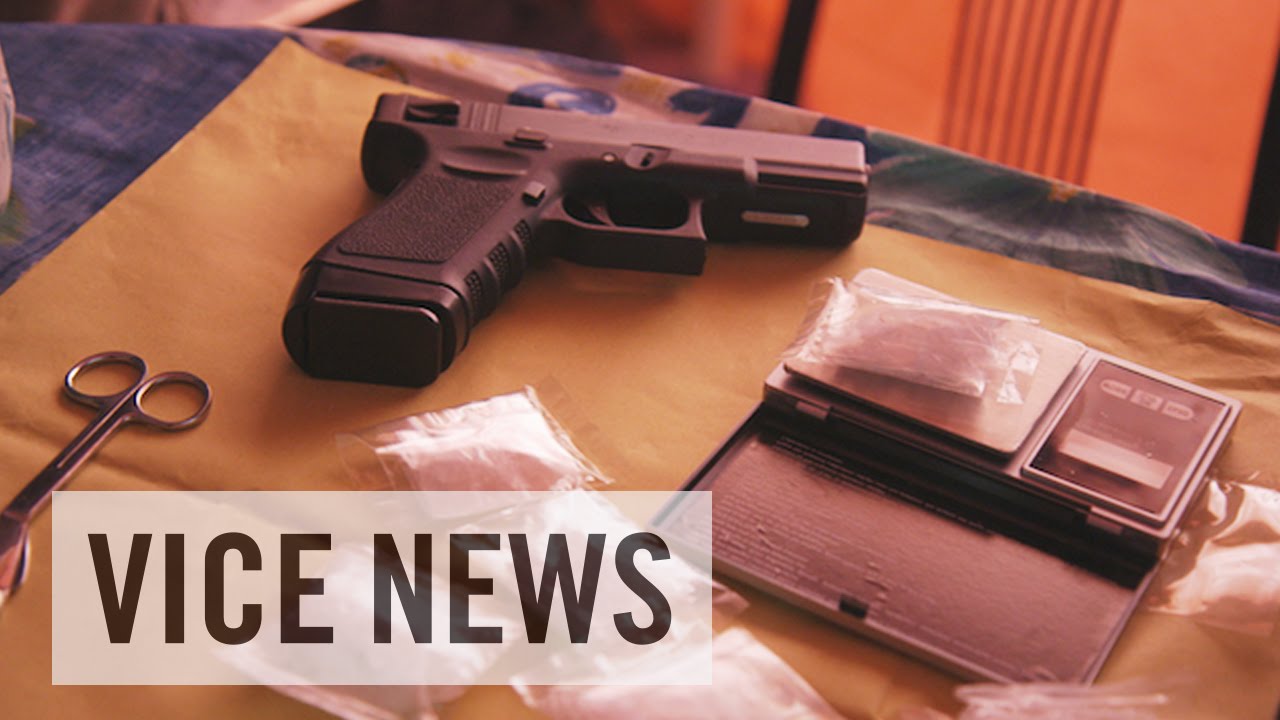
Winnipeg is the capital city of Manitoba Canada it's a Prairie City with a population just under 800,000 about 10% of which are of Aboriginal descent in addition to having the largest urban Aboriginal population in the country Winnipeg is also known for something else it's been Canada's murder capital 16 times since 1981 officers showed off today a huge Hall of guns and drugs and other and the source of the majority of this crime isn't exactly something that people would expect in the middle of Canada Aboriginal street gangs it was the only thing you ever wanted to
be you know what I mean I was only 8 years old when I did my first b& you know so there was no other way than the gang life when were kids and what part of that did you look at and say like yeah I want that well belonging and money first belong then money gangs like the Manitoba Warriors Indian posi and Native Syndicate are the most infamous of Winnipeg's 35 active gangs you know you stab up the first guy you fights you know ain't nobody going to with you so that's what I did man
I just you know made it know that you know anybody's going to with me you know I'm going stab me up after you know so think twice about fight me you know I may be a little guy you know think twice about try to muscle me think twice about trying to tell me something think twice about try to take something I I think twice SCH trying to talk to me like I'm a punk you know what I mean cuz you know I stab you so nationally we have the reputation of being the murder crime capital
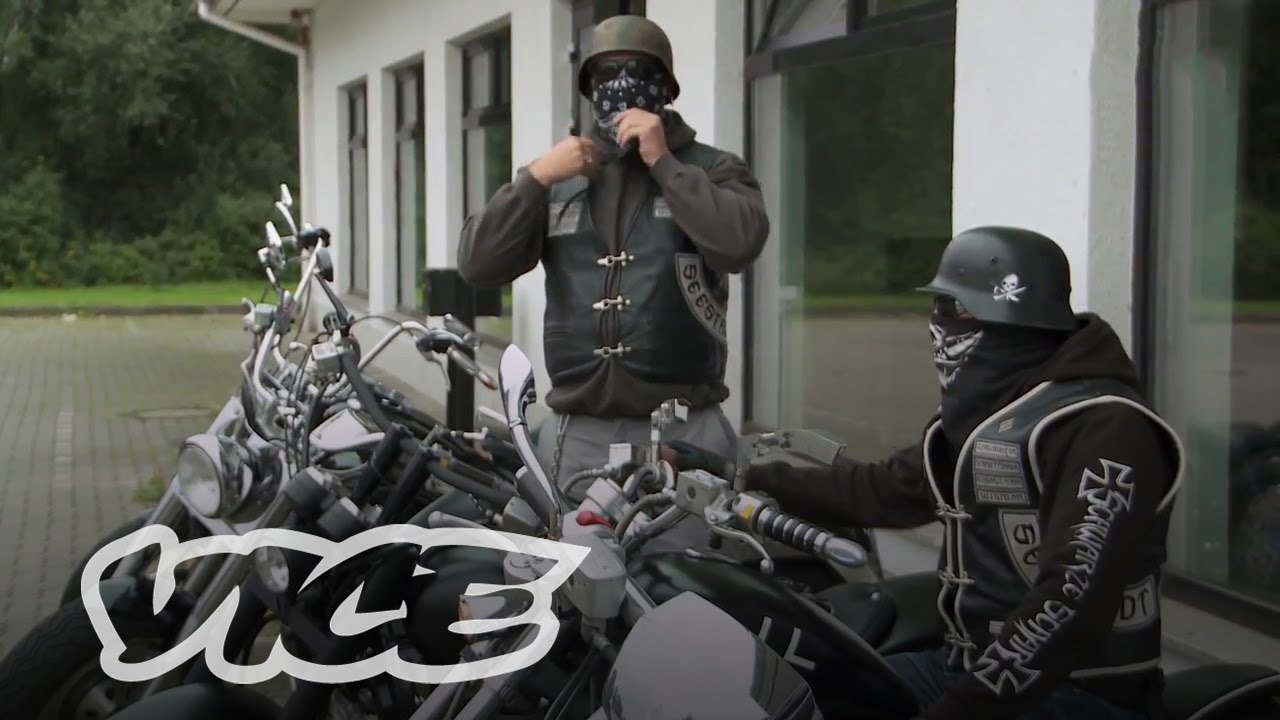
of Canada and violent crime capital A lot of people um refer to Winnipeg as murder Peg we met up with James juel a former Winnipeg police officer he served 25 years on the force and 8 years in homicide for someone who's never heard about Aboriginal gang violence in one of how would you explain what's going on in the city to them when I started policing in 1987 in Winnipeg we really didn't have Aboriginal street gangs and there was an evolution that took place um with the Alla motorcycle gangs they needed to build relationships with uh
people to do their dirty work for them to push their drugs and move their drugs so doing the gang's heavy lifting they were always looking for someone to to step in and play those roles to to insulate themselves from law enforcement and when it came to a lot of these Aboriginal kids they came from disadvantaged homes and the opportunity to make fast money real money um appealed to a lot of them and the level of violence that they were using was escalating and and really waking us up to the reality that Winnipeg had a gang
problem and why does it seem like there's so many First Nations and mate's members in gangs and creating their own Aboriginal specific gangs in the city common denominator I think that they would have is poverty the gang makes a lot of promises they promise money they promise employment by virtue of drug trafficking they promise Brotherhood respect love all these things that the gang promises to these kids that don't get it in their lives and in reality all of those things are false promises as with most of the Americas the land that's now Canada was once
inhabited by a number of Aboriginal tribes when Britain colonized Canada irreversible conflicts and divides were created between those native to the land and newcomers and it's this Fallout from colonization that many believe is the root of the wide range of issues that Aboriginal people face in Canada [Music] today we went to the saging First Nations Reserve outside of the city to meet with an elder and Community teacher named Eric Ken my father when they listen to his stories they were independent they had inde dependent thinking uh they didn't rely on anybody to to feed them
they fed themselves they looked after themselves and they and they did it from the land so what ended up happening was that uh the government kind of created this dependency right when they forced our people onto this Reserve in addition to essentially imprisoning Aboriginal people on reserves Canada also systematically tried to R them of their culture and way of life with the creation of what were known as residential Schools Indian residential schools were created as early as 1840 and by 1884 attendance was mandatory for all Aboriginal people under the age of 16 large numbers of
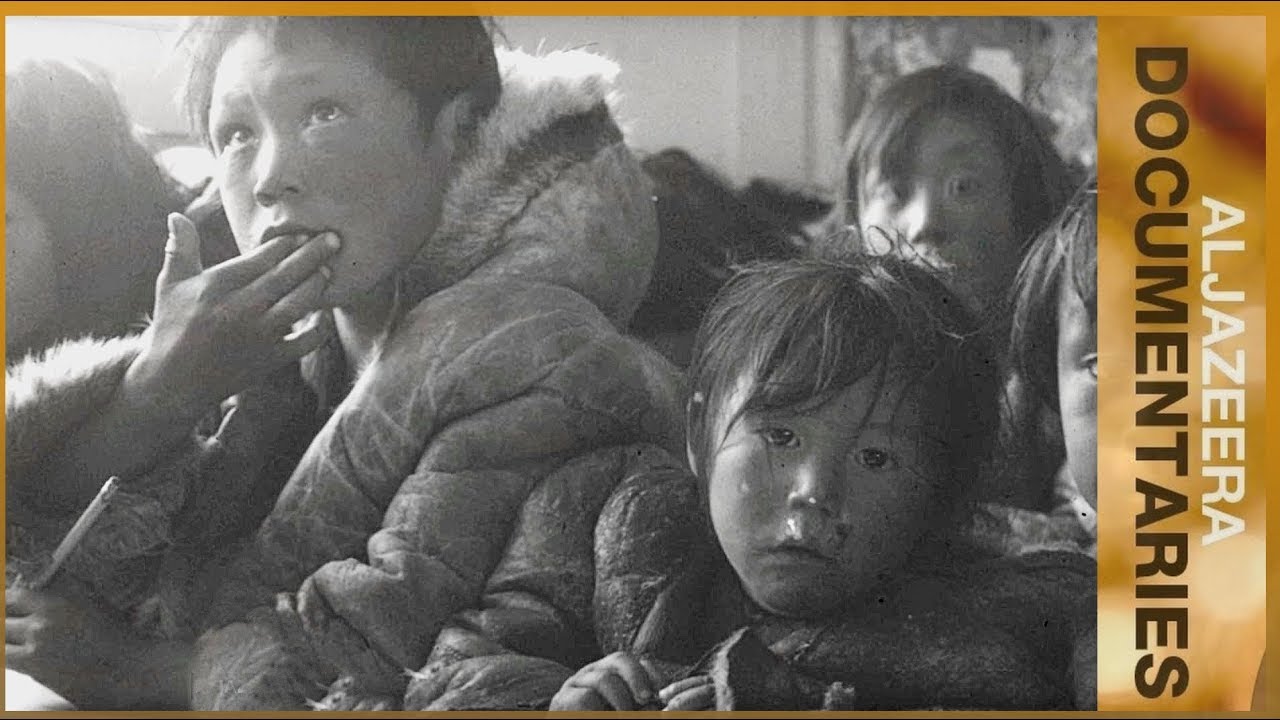
Aboriginal people's children were forcibly seized by the government and and in my opinion incarcerated in residential schools where they were told that to be an Indian was was bad and you they were prohibited from speaking their language or practicing their cultural beliefs separated from their families we did this deliberately Canada did this deliberately to try to eliminate Indians to try to get rid of indianness to kill the Indian and the child as one Ottawa bureaucrat put it in the 1960s Manitoba's hydroelectric projects flooded and devastated the traditional hunting and fishing grounds of Aboriginal people that
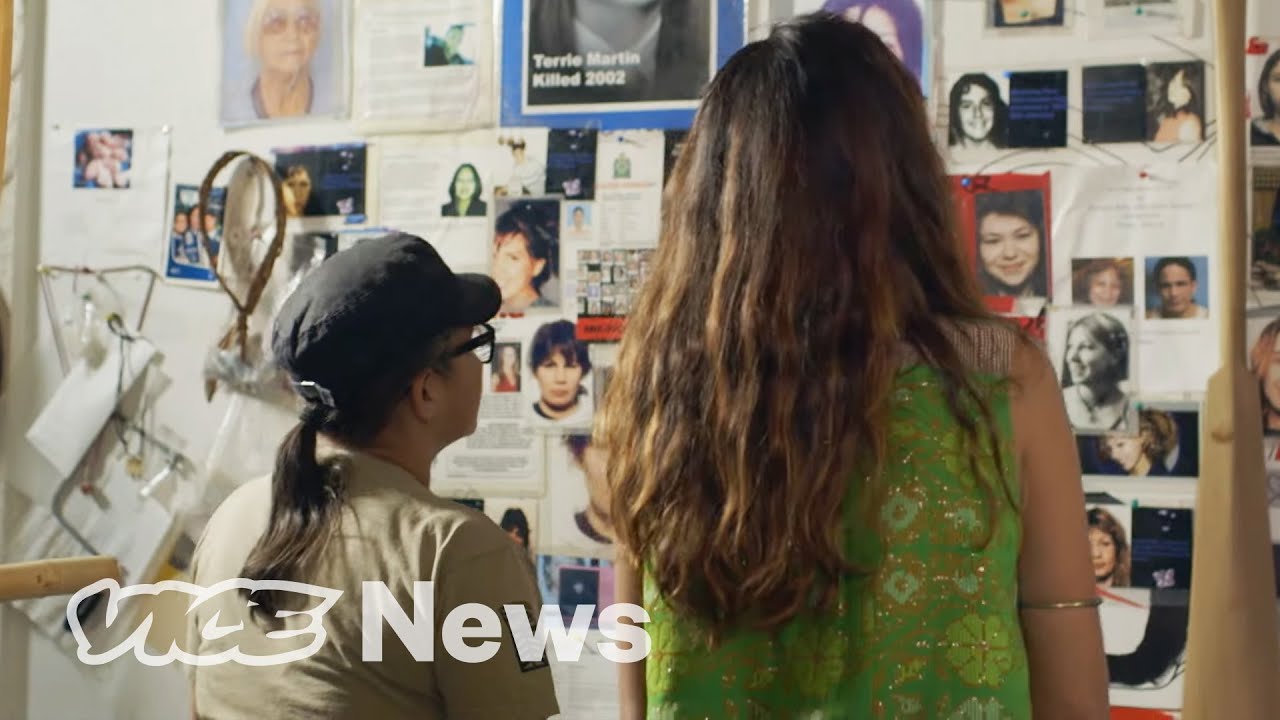
forced them to move in droves from the reserves to the city many of them arve without job skills and settled in the poorest most dangerous neighborhoods um my mom was in residential school at the age of 4 up until she was 16 and then she ran away from there Bonnie's mother was one of the more than 150,000 children who were forced to attend residential school while she was in residential school she was abused like physically mentally emotionally wasn't allowed to speak her language what would happen if she spoke her language she would get beaten with
a ruler or a whip or they chopped off all her hair so then when she was out raising us kid she became an alcoholic she didn't know how to deal with her abuse and then all the abuse she went through she would abuse us children like and then I grew up like that like not abusing my kids but I became an alcoholic a drug addict I joined a gang because that's where I found like security and and probably identity like you had no idea about I didn't know who I was and and how have you
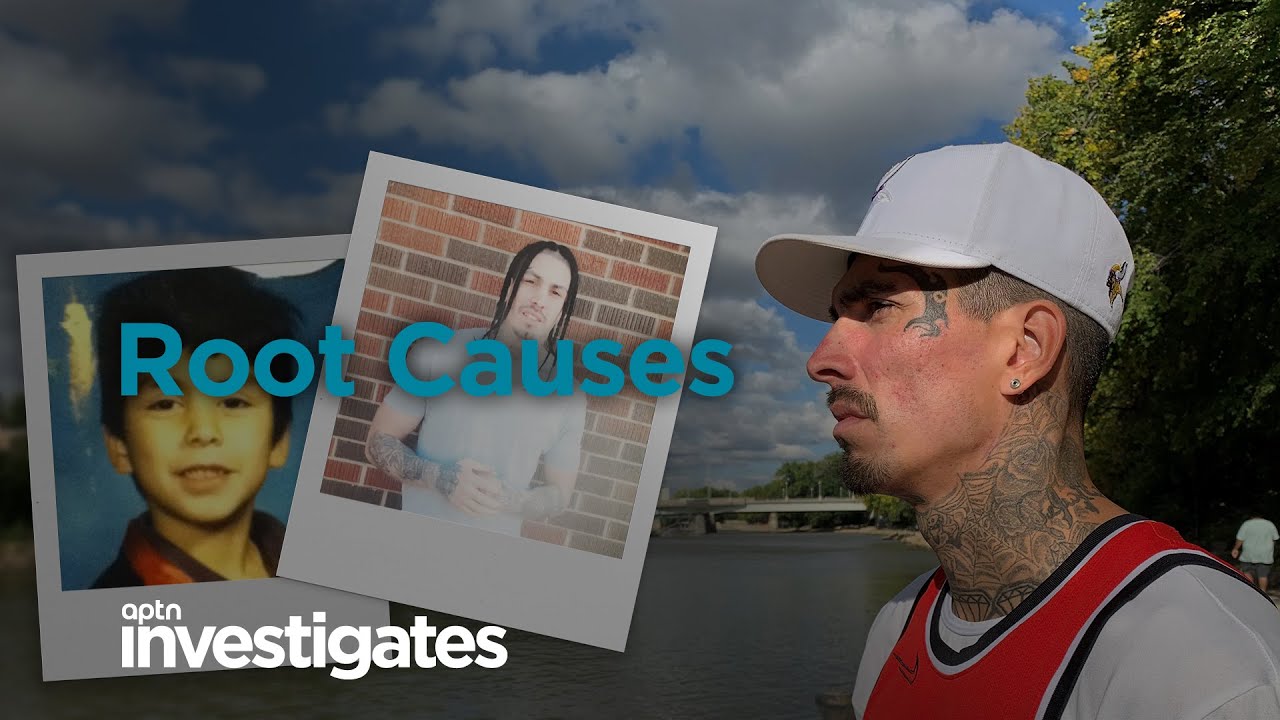
seen that you know impact your son for example look at him now he's in a gang the North End Winnipeg's Infamous inner city neighborhood is where Bonnie's son David grew up we met up with him and his friend Ian both of them have been gangs for most of their lives we were really bad car thiefs in the city we was a notorious car thief here us two higher ranking yeah like they were on us every day like we used said this for fun we would park like 10 cars chilling like this just on the side
be a whole whole group of us take about 10 cars and we'll just smash them up just crash into each other just for fun man just cuz we didn't give a I don't know and like how do you you know like how do you go from like stealing cars to like being affiliated with a crew like we were always Affiliated we started our own as kids and everybody that was close when we were younger we started our own and we just went from there and gradually we moved on to a different gang as we got
older bigger gang yeah yeah what was the gang you were in when you were kids the ones you started um money over money over yeah and what do you guys join after um mental Warriors yeah yeah why did you start a crew when you were a kid do you is that even a thought in your head or is that something you just you just did you just did man born into it born into it yeah just everything we seen growing up man like I said my mom was affiliated with the Warriors when I was younger
and my dad was Indian and my dad was at the Las Bravos yeah it just went on from [Music] there so like when you were you know growing up going from starting your own career to being a part of Manitoba Warriors like what was were you making a lot of money is that what you wanted like what's the you know what's one of the big reasons that you'd be in a yeah it's all B Money it's what it is all 16 years old I owned four cars I had dirt bikes I had quads I had
everything yeah yeah me 25 the gold chains bracelets Rings ring on every finger cars $10,000 chain seemed like after a while you get sick of all that I don't know yeah you grw out of that right that cuz you just so fascinated by it as a kid and now you just started to realize and it's all heat yeah attracts the attention so like growing up um like you know what was that like like was there you had to fun for yourself you had to look after yourself on the table yeah exactly what it is I
was I was paying my mom's bills at 13 14 cuz she was so bad into a drug habit like I pretty much raised my younger ones to a point until they were old enough to take care of themselves so was that normal with most of your friends like most your friends most of us we were we were like that we were providers that's why we did what we did yeah because our parents weren't incapable of doing it what do you make of how some of these gangs are co-opting identity in their crew so for example
they have names like Indian posi native Syndicate Manitoba Warriors trying to take their culture and creating it into something different uh historically as part of our nation there there is a process in life where where we all are warriors and and and we become Warriors for uh for the people that teaching that being a warrior hasn't left our people uh but it but it's coming up within our young people because they formed these relationship gains unfortunately it's built upon some uh are of our family networks that were damaged but it all comes down to Identity
what lots of our people are hungry for is that identity in that drug life gang life that's there too experts say that continuing High Dropout rates and little Economic Opportunity means that membership in gangs for Aboriginal youth could double in the next 10 years the age structure of the Aboriginal population is much much younger than the age structure of the population at large and it's growing more rapidly and so the factory in which these street gang guys are being manufactured that factory just keeps getting bigger and bigger and the kinds of things that are being
done now to try to address the problem are futile as a society we're simply not prepared to deal with the source of the problem and the source of the problem is the severe racialized poverty that we allow to continue to exist it will continue to be violent young people will continue to kill other young people they'll continue to be incarcerated this story will just go on and on and on unless somebody decides to take some serious action dealing with the root source of the problem despite only making up 3% of Canada's population about a quarter
of incarcerated men are Aboriginal David served 5 years at Stony Mountain Penitentiary there he only became more involved with the Manitoba Warriors so where are we right now we're at uh Stony Mountain Penitentiary which is where I did my 5year sentence here yeah and what did you do while you were at Stony you were telling me about how you made money and stuff like that there was a lot of drug activity I made a lot of money in there did what I had to do survive in there yeah but it also helped being who I
was with the crew and so but anyway this is what I did my 5 years for shooting that guy I feel like you know the reason why Canada has prisons is you know the idea is you go in there you do your time you think you come out as a you know better person and you're not going to be Affiliated anymore do you think that's true no you actually go in there learning a lot more than what you knew before oh yeah it's not a place where you rehabilitate yourself some people I guess do but
a lot of it is just playing the system to get out of it mhm so original culture identity like does that at all play into gang culture in winipeg I don't think so it's just you know for the select few like we do take interest in our culture in that and we do learn the ceremonies and everything and but other than that we just that's not going to necessarily keep you away from no no cuz none of that's going to solve the poverty issue or the fact that you haven't had nothing to eat today or
I can go sit in a crack Shack or something sell some drugs make a poket full of cash and then there you go I got my new clothes new shoes stuff my mom's not giving me a like that what do you think could could be done to end gang culture in wi it'll never end plain and simple Never End never for many gang culture has become the only culture they know well it's just me and my son me and my boy I just take care of me and my what s i don't about nobody know
I don't want to be like me but I don't really know how to show them any difference you know it's kind of hard it's you know it's like uh it's it's on my skin man you know it's the way I talk it's the it's my friends you know what I mean my kids uncles are all all my Bros are all guy members you know what I mean like that scares me in the way because I don't know how to teach my son right from wrong because I myself don't know right from wrong you know what
I mean like I myself I don't even know right from like I do but I don't even though I don't want to show my boy that way of life my boy still going to know what's upen he's going to know what I am he's going to know who he is and you don't know this it's how we do it [Music] here Canada succeeded in mostly destroying the cultural traditions and identity of Aboriginal people and the legacy of colonization has only replaced them with inner city poverty and violence with the last residential school closing in 1996
the memory of segregation is still fresh in their minds and unless the government does something to address the racialized poverty in urban settings gang culture in Winnipeg will continue to erode the Aboriginal Community from within [Music]