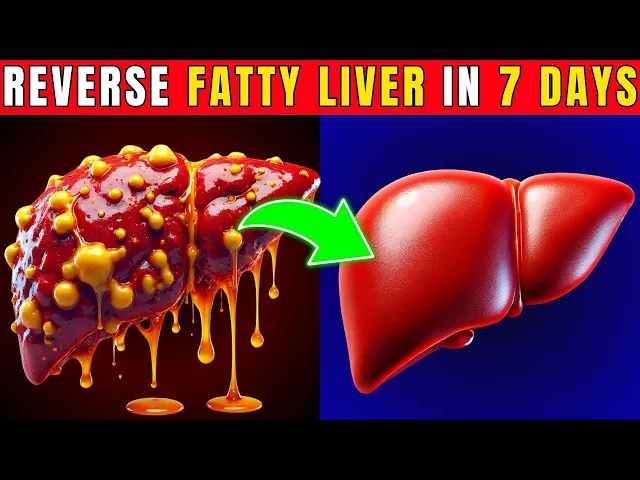
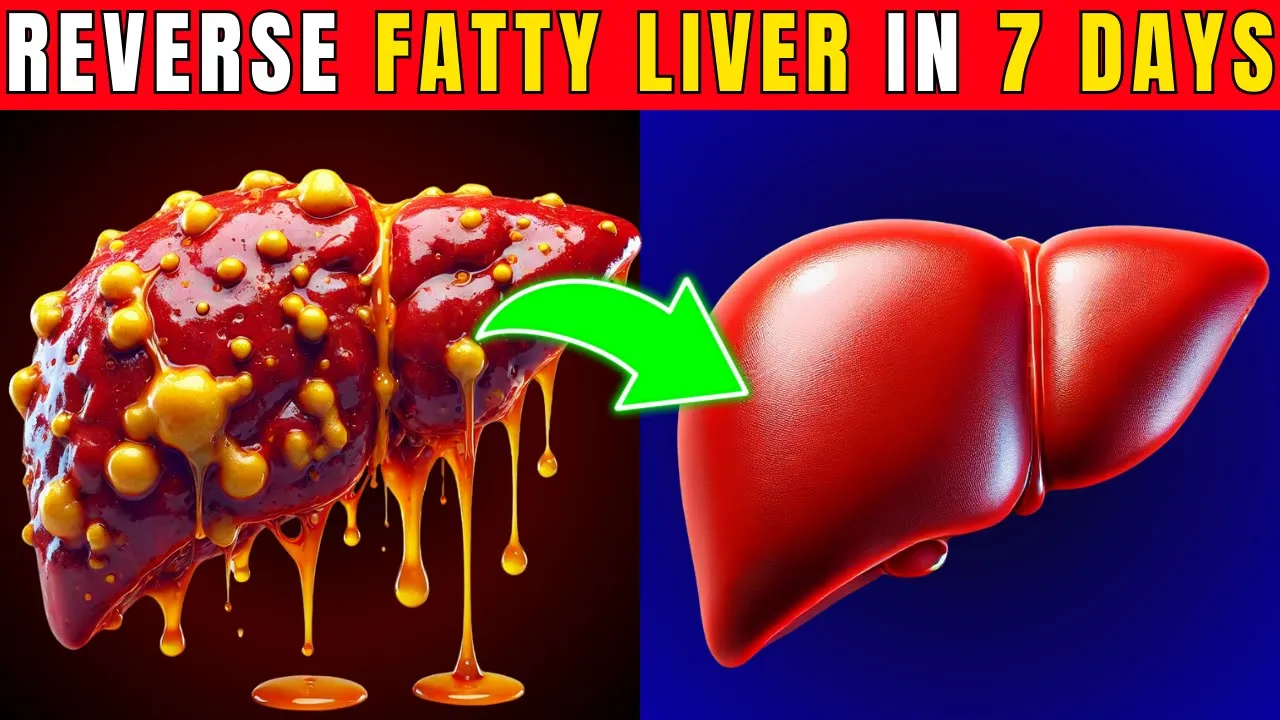
hello everyone welcome to healthy care the liver is one of the most vital organs in our body playing a crucial role in detoxification metabolism and maintaining our energy levels but did you know that our daily habits can directly impact Liver Health in today's video we'll explore simple yet effective ways to protect and enhance Liver Health helping you stay strong and energized let's dive into the Journey of liver care right now one increasing fiber intake fiber plays an essential role in protecting and supporting Liver Health especially through its ability to reduce fat accumulation and Aid in
detoxification consuming fiber rich foods such as vegetables fruits whole grains and legumes enhances gut health ensuring smooth digestion and reducing the liver's burden a 2020 study found that individuals consuming more than 25g of fiber daily had a 30% lower risk of developing fatty liver disease compared to those consuming less than 15g daily fiber also promotes bile acid production from cholesterol which helps reduce fat buildup in the liver additionally soluble fiber helps regulate blood glucose levels particularly important for those at risk of non-alcoholic fatty liver disease nld high blood sugar levels can Elevate insulin levels leading
to Fat accumulation in the liver fiber not only AIDS in blood sugar control but also helps reduce systemic inflammation a critical factor in maintaining a healthy liver and preventing damage according to a Harvard University study increasing fiber intake by just 10 G daily can lower the risk of liver related diseases by 15% two consuming foods rich in antioxidants antioxidants serve as a Shield protecting the liver from oxidative stress a phenomenon that occurs when free radicals attack liver cells and weaken their function antioxidant rich foods such as berries citrus fruits leafy greens and nuts are abundant
in vitamin c and e a 2018 study in the journal free radical biology and Medicine found that vitamin C protects liver cells from damage and enhances detoxification by reducing lipid peroxidation a process that destroys fats within liver cell membranes vitamin E on the other hand helps prevent free radical formation safeguarding the liver from oxidative stress adding antioxidant rich foods to one's diet can reduce the risk of liver damage from free radical by up to 40% particularly in conditions like fatty liver disease and curosis a study published in the journal of clinical biochemistry and nutrition showed
that supplementing with 800 mg of vitamin E daily significantly reduces inflammation levels and improves liver function in people with nld this proactive protection against external damage helps the liver maintain stable functioning three increasing omega-3 intake omega-3 fatty acids and essential unsaturated fat are abundant in fatty fish such as salmon and mackerel flax seed and chia seeds Studies have shown that omega3 not only helps reduce liver fat but also improves markers of inflammation a 2019 study in liver International indicated that individuals consuming 2 to four G of Omega-3 daily saw up to a 33% reduction in
liver fat accumulation and a significant decrease in inflammation markers thus protecting liver cells from harmful effects omega-3 helps balance fat levels within the liver and can reduce the likelihood of fatty liver disease which is a leading risk factor for liver conditions such as curosis and chronic hepatitis omega-3 also lowers blood triglyceride levels a type of fat that can accumulate in the liver when uncontrolled helping the liver maintain a healthy fat balance research from the US National Institutes of Health also shows that omega3 can reduce insulin resistance lowering the buildup of unhealthy fats in the liver
which helps the liver function better and avoid issues related to fatty liver disease four limiting sugar and refined carbs sugar and refined carbs have a significant impact on the liver especially in promoting fat buildup and increasing inflammation consuming excessive sugar or refined carb products such as white bread pastries and sodas leads the liver to metabolize some of it into energy while the excess sugar is converted into fat and stored in the liver according to a study from Yale University individuals consuming more than 25 g of sugar daily have a 60 1% higher risk of developing
fatty liver disease than those who limit sugar to less than 10 G per day to reduce the burden on the liver nutrition experts suggest replacing refined carbs with complex fiber rich carbs like oats quinoa and legumes these complex carbs digest more slowly limiting sudden blood sugar spikes and reducing the risk of the liver needing to convert excess sugar into fat a study in the American journal of clinical nutrition showed that replacing just 30% of refined carbs with complex carbs in one's daily diet could reduce liver fat accumulation by up to 25% this not only protects
the liver from the risk of fatty liver disease but also helps maintain stable blood sugar levels imp improves insulin sensitivity and supports liver function five avoiding trans fats and processed foods trans fats are among the most harmful fats for health negatively impacting both the liver and cardiovascular system trans fats found in fast food fried foods and processed foods increase inflammation in the body and promote fat buildup in the liver a study by the American Heart Association found that people who consume trans fats daily have a three-fold higher risk of fatty liver disease than those who
limit trans fats additionally processed foods often contain hidden sugars preservatives and artificial flavors that the liver must work to detoxify placing a significant strain on it when the liver is overworked processing chemicals from processed foods its metabolic function and ability to regenerate cells are compromised increasing the risk of chronic liver diseases like hepatitis and curosis according to research from the Journal of hepatic Health reducing processed foods by just 20% in one's diet can help decrease inflammation and the risk of fat buildup in the liver by 27% replacing trans fats and processed foods with fresh nutrient
rich foods such as leafy greens fruits fatty fish and nuts not only reduces the liver's workload but also provides antioxidants and beneficial fatty acids that help the liver maintain efficient metabolic and detoxification functions Health experts recommend balanced diet of fresh minimally processed foods to enhance Liver Health reduce toxin buildup and ensure optimal liver function preventing long-term damage six consuming healthy fats healthy fats especially from sources like avocado olive oil and nuts play an essential role in protecting and improving liver function unlike saturated in trans fats which often cause inflammation and fat buildup in the liver
unsaturated fats from olive oil and nuts help reduce inflammation and enhance the liver's fat metabolism according to research from the Journal of hepatology a diet rich in unsaturated fats from olive oil can lower the risk of fatty liver disease by up to 35% particularly in individuals at high risk olive oil for example is high in AIC acid Omega 9 and polyphenols Powerful antioxidants that can reduce the risk of liver cell damage from free radicals a study from the University of Barcelona found that consuming 1 to 2 tablespoons of olive oil daily can reduce inflammation markers
in the body by up to 28% helping the liver function more effectively in metabolism and detoxification moreover nuts such as almonds and walnuts provide healthy fats vitamin E and other nutrients that help maintain liver cell membranes and reduce metabolic stress on the liver incorporating healthy fat sources into your daily diet not only protects the liver from inflamm but also optimizes metabolic functions allowing the liver to recover and maintain longterm health seven increasing protein intake protein is an essential nutrient in the diet playing a critical role in maintaining liver health healthy protein sources like chicken tofu
eggs and legumes provide the necessary amino acids for protein synthesis and cell regeneration when the liver receives adequate protein it can metabolize fat more effectively reducing fat accumulation in the liver a study from the American journal of clinical nutrition showed that a high protein diet could reduce the risk of fatty liver by up to 25% due to its ability to enhance fat oxidation and decrease fat storage additionally protein helps regulate insulin a hormone that directly affects liver function when insulin levels are stable the liver does not have to convert excess glucose into fat reducing the
burden on the liver and lowering the risk of fatty liver disease furthermore protein provides the amino acids needed for the production of glutathione a natural antioxidant that helps the liver detoxify and protect cells from damage caused by free radicals nutrition experts recommend that adults consume 2030 g of protein per meal to meet the body's needs helping to maintain Liver Health and allowing it to function optimally by incorporating healthy protein sources into the daily diet you not only reduce the liver's workload but also build a foundation for a healthy and balanced body eight reducing stress chronic
stress has a profound impact on the body and Liver Health is no exception when stress is prolonged the body increases cortisol production as a natural response to maintain balance however when cortisol levels remain elevated continuously it not only disrupts immune function but also increases inflammation in organs including the liver studies indicate that when chronic stress is not managed liver detoxification capability can decrease by up to 40% increasing the risk of non-alcoholic fatty liver disease n afld and in more advanced stages curosis a study from the University of Michigan's Center for Health and psychology research showed
that individuals with chronic stress have double the risk of developing liver conditions compared to those with lower stress levels practicing relaxation methods like meditation yoga and deep breathing exercises helps reduce cortisol levels a and boosts endorphin release a hormone that promotes relaxation and well-being which AIDS in improving liver function according to research published in the Journal of psychosomatic research meditation can reduce cortisol levels by up to 20% after only 8 weeks of consistent practice creating positive effects on Liver Health and reducing the risk of stress related liver diseases in regular exercise exercise benefits not only
the cardiovascular system but also brings significant advantages to the liver particularly in reducing fat accumulation and improving liver enzyme levels cardio workouts such as running cycling swimming or strength training exercises have been shown to decrease liver fat buildup enhance insulin sensitivity and reduce the risk of fatty liver disease study by the US National Institutes of Health n found that exercising at least 150 minutes per week can reduce the risk of nld by up to 30% physical activity also improves blood circulation delivering ample oxygen and nutrients to liver cells thereby enhancing detoxification efficiency additionally exercise helps
improve key liver enzyme levels such as alt alanine transaminase and as aspartate transaminase which are essential indicators of Liver Health a study from Newcastle University examined 100 people with fatty liver disease showing that those who engaged in regular exercise had significantly reduced alt and ass levels indicating reduced liver inflammation and damage maintaining physical activity not only decreases visceral fat buildup which is crucial for liver efficiency in metabolism and detoxification but also Fosters overall Fitness and resilience creating a foundation for a healthier life 10 reducing alcohol consumption alcohol is one of the most common causes of
liver damage ranging from fatty liver alcoholic hepatitis curosis and even liver cancer when alcohol is consumed the liver processes and metabolizes ethanol producing asahid a highly toxic substance that can destroy liver cells and increase inflammation higher frequent alcohol consumption can deplete glutathione an essential antiox oxidant needed by the liver to detoxify and protect against free radical damage according to the World Health Organization who approximately 7.7% of liver related deaths globally are attributed to alcohol consumption research from the National Institute of medicine found that people who drink alcohol heavily and frequently have a three-fold higher risk
of fatty liver disease and up to a 15-fold higher risk of therosis than non-drinkers reducing or completely stopping alcohol consumption allows the liver to recover and decreases the risk of fat buildup just one month after quitting alcohol liver function improves significantly liver enzymes such as alt and ass drop to normal levels inflammation reduces and cell regeneration is promoted research from the Journal of hepatology also showed that the liver could regenerate up to 50% of damaged cells after just 6 weeks of alcohol abstinence restoring essential liver functions and reducing the risk of long-term damage 11 getting
enough sleep sleep is not just a time for rest but also a period period for the body and liver to repair and recover during sleep the liver not only undergoes detoxification but also regulates fat metabolism and nutrient balance research from the University of California shows that when sleep is insufficient cortisol levels in the body significantly increase disrupting metabolic functions and raising the risk of fat ACC stimulation in the liver a study by the US National Institute for Sleep research found that individuals who sleep less than 6 hours per night have a 47% higher risk of
developing non-alcoholic fatty liver disease nafld than those who sleep a sufficient 7 to 8 hours moreover quality sleep helps balance insulin levels a crucial factor in regulating blood sugar levels and directly influencing fat accumulation in the liver when sleep is lacking the body produces more glucose to compensate for energy needs leading to high blood sugar and causing the liver to work harder to manage it this can lead to Fat accumulation in the liver according to a study published in the Journal of hepatology improving Sleep Quality can reduce fat accumulation in the liver by up to
35% in adults enabling the liver to perform metabolic and detoxification functions more efficiently experts recommend establishing a regular sleep routine and reducing blue light exposure from phones before bed to support deep sleep and ease the liver's workload 12 practicing in intermittent fasting intermittent fasting if is an eating approach that can bring numerous benefits to Liver Health especially in reducing fat and improving metabolic function during intermittent fasting the body has a period of rest from food intake allowing the liver to focus on burning stored fat including fat accumulated in the liver a study published in cell
metabolism showed that intermittent fasting could reduce liver fat by up to 30% and significantly improve inflammation markers in individuals with non-alcoholic fatty liver disease n afld moreover intermittent fasting helps regulate insulin and reduce insulin resistance thereby lowering fat accumulation in the liver and supporting a healthy metabolism when insulin levels decrease during fasting periods the liver does not have to convert excessive glucose into fat enabling it to work more efficiently intermittent fasting also activates autophagy a natural cleansing process that removes damaged cells and regenerates new cells supporting liver recovery according to a study by the University
of Southern California practicing intermittent fasting just two to three times per week can help improve liver function and significantly reduce the risk of liver disease related to inflammation hopefully today's insights have helped you better understand the importance of liver care and simple ways to protect your health remember a healthy liver is the foundation of an energetic and fulfill in life don't forget to hit the Subscribe button on healthy care and turn on notifications so you won't miss any of our upcoming health tips and wellness videos thank you for watching and see you in the next
video