What's up brand builders Stephen Houraghan here with BrandMasterAcademy.com and in this video you're going to learn 15 branding principles for a powerful strategy so you can avoid the lazy branding trap with a guide of standards for real influence now if you're new to the channel and you want to build brands that go beyond the visuals using strategy psychology and creative thinking then you're in the right place hit that subscribe button and the notification bell if you want to fast track your results make sure you grab the pro brand strategy blueprint it's a free download and
the link is in the description now so many businesses fall into the easy road branding trap which is get yourself a well-designed logo and a visual identity get yourself a website up and run traffic to your product and your own business now this is a trap of course because this isn't branding at all developing a visual brand or developing visual brand assets can be categorized as branding though it's only a very small slice of a much bigger pie branding is all about making a business more appealing to the audience it's about making that business a
more appealing choice than the competitors to ultimately influence the buying decisions of that audience now to do this effectively you need a guiding compass so in this video I'm going to show you 15 of the most critical branding principles that you can live by principle number one branding is about people branding is not a game of visual muscle flexing which brand looks visually better rarely wins the day how many times have you made a buying decision based on a logo now unless you're a brand identity enthusiast my guess would be few to none there's just
far more to making buying decisions than visuals and behind every decision that's made there is a person with circumstances objectives challenges and emotions use these along with your impressive visuals and you'll be branding for the people principle number two be different not better the most successful and most loved brands in the world are not necessarily the best but they're almost always unique they do things differently to the rest they speak with a unique tone of voice they provide a different brand experience or they live by a unique philosophy most businesses focus too much of their
time and effort and attention trying to find different ways to be better and even if they achieve that even if they do become better it most often doesn't have the value that their effort warrants in truth better is just more of the same really but different is unique so ultimately different is better than better principle number three specificity and relevance wins there are very few markets today that aren't full of noisy competitors all scrapping for the attention of their shared audiences some brands attempt to speak the loudest with aggressive and consistent marketing campaigns which are
not cheap and you know that is one strategy but to be honest it's out of reach for most brands because it is so expensive the gorilla approach is specificity and relevance the more specific you are about who you're targeting and the more directly you speak to who they are as a person the more likely you will be to resonate with who they are and influence their decisions principle number four story over product now the product is what will help the audience to achieve their end results though it's rarely the product itself that influences the decision
to buy most of our buying decisions as humans are made in our subconscious long before it ever reaches our consciousness so brands need to be able to communicate on a higher level and engage the emotional brain story is without a doubt one of the most effective forms of communication to engage the human mind and light up those neural connections so align your brand with an emotional narrative and make it stick principle number five their challenges are your gateway what consumers say and what they do are two distinctly different things when you're looking for a way
to connect try and look at the subtext behind the challenge so for example if a major challenge of a consumer would be I want to cook more but I just don't have the time to do so then don't jump to the lazy approach which might look something like this she's time-poor she values healthy eating let's put a focus on nutritional value how you resonate lies beyond the obvious in the subtext which could be something along the lines of although she says she wants to cook more that's not really what she wants she just doesn't want
to feel guilty for ordering takeaway all the time let's make her feel better about her choices principle number six address the cognitive dissonance so okay before i explain this one let's break down what cognitive dissonance is it's when the beliefs values or behaviors of a person contradict each other so for example if you hold the belief that you're a person of your word yet you consistently fail to follow through on what you say that you're gonna do that's cognitive dissonance right there inconsistency between beliefs and actions causes friction within the law of consistency which is
basically our desire to be aligned with who we believe we are storytelling is a great way to let them know that they are who they believe they are they just need help with that principle number seven define the enemy now every target market shares common traits objectives desires fears and enemies now an enemy is the most common pain point amongst your target market now this could be a group of people a philosophy a belief an approach or anything else that stands in the way of that audience ultimately achieving what they want ultimately achieving that goal
so if you can pinpoint the source of the pain and then position against it you can resonate through a shared emotion which is a really powerful technique principle number eight identify their drive now with every solution we buy we're either running towards something or we're running away from something we run towards our desires because we want to achieve them and we run away from our fears because we want to avoid them now some consumers they are equally weighted in their desire and their fears but others are driven more by one or the other so take
the time to understand what drives your audience and leverage that understanding in your position and your messaging principle number nine positivity wins over negativity now although fear has its place in almost any brand messaging strategy to highlight the enemy and to agitate the problem this is a card that does need a filter any message can go either way positive or negative now negative messaging highlighting fears will most certainly drive some action though you know we do have this superhuman strength to turn a blind eye to negative pain over time whereas possible er on the side
of positivity the action that you drive with a positive message will motivate for longer and garner more affection as well principle number 10 speak to their beliefs now brand messages shouldn't be all about pushing the product when you focus on what they believe you make impactful connections now they might not provide an immediate roi but the connections that you make from these kinds of messages influence future roi and that really is branding at its purest back in 2011 on black friday patagonia ran an ad with the title don't buy this jacket now it forced consumers
to think about the impact of their consumerism on the planet so patagonia spent part of the marketing budget telling customers to do the exact opposite of what marketing aims to achieve and in doing so they put off short-term gains they put off short-term sales but their message landed and it built long-term loyalty so on the long play on the longer scheme of things messaging like that speaking to what your audience believes that is true brand building principle number 11 be a step ahead now most businesses put their entire focus on their product development and their
marketing efforts into addressing today's challenges of their audience now while the challenges of today represent the low hanging fruit and the short-term gains smart brands consider their customers future challenges as well when you know what your customer is going to need in two five or ten years time you can educate them on that impending need nurture them towards that solution and steal a march on your competitors principle number 12 turn up the tension now tension turns up the heat and produces this gravitational pull now when it comes to wants and needs there are many possible
outcomes a good outcome a bad outcome no outcome at all and these possibilities open up the door for tension a strong emotional weapon to pull that attention and isolate the crossroads seth godin wrote about tension in his article to earn our attention there needs to be tension so he spoke about the tension of how it might turn out the tension of possibility the tension of change that you know this might work it might not work the tension of maybe so find the most relevant possibilities and turn up that tension principle number 13 make your audience
the hero now let's get this one straight once and for all you or your brand you're not the hero it's not the lead role coming in to save the day for the damsel in distress your audience is that hero saving the day for themselves or those around them your bit part role as the brand is the guide to help them on their way now if you're lucky enough for the real hero to involve you in their quest for success then your role is to help them to overcome an obstacle in their path so turn down
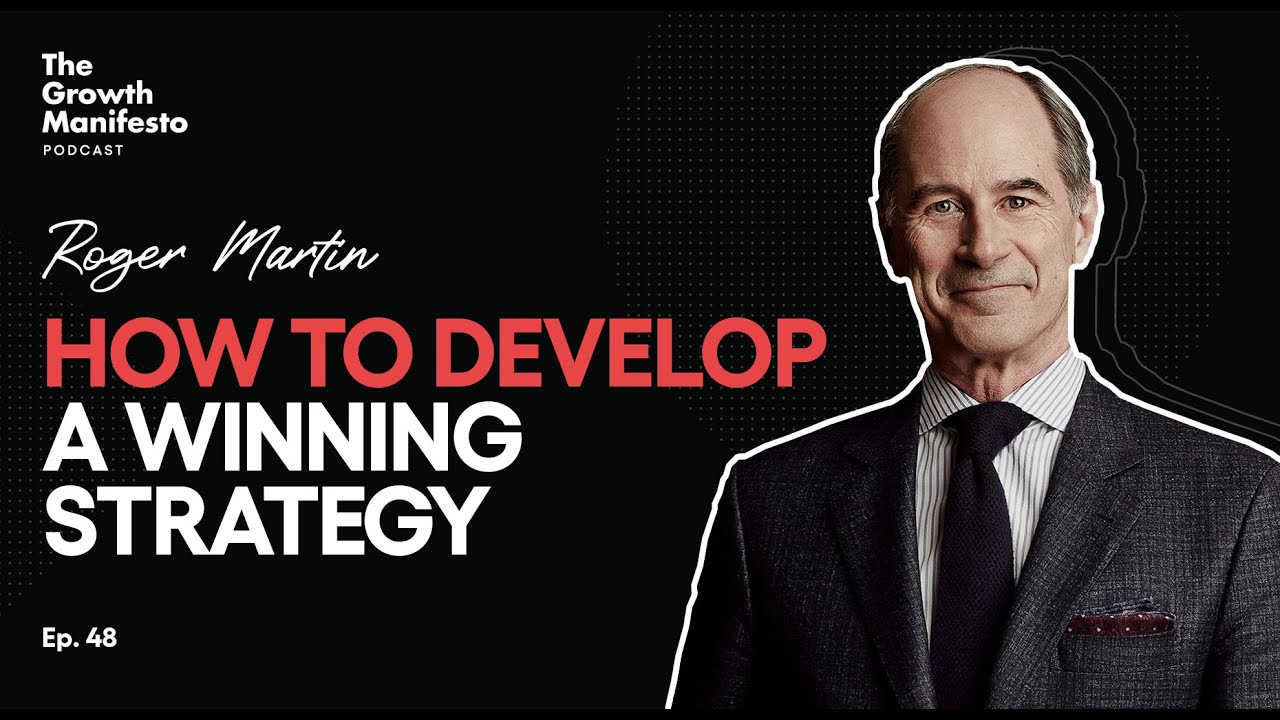
the we're amazing soundtrack and tell a different story of your audience's success they are the hero of their journey principle number 14 mirror against the opposite strategy now in his harvard business review article roger l martin highlighted a point of view that was refreshingly simple but beautifully effective as a tool to test your strategy he spoke of a strategy that he reviewed for a global wealth management firm which was to target individuals who wanted and were willing to pay for comprehensive wealth management services by providing great customer service across the breadth of their wealth management
needs and as with all his reviews he used a simple litmus test which was the following question can the opposite of this strategy also be a strategy which would look like this to target poor individuals who don't want and aren't willing to pay for comprehensive wealth management services by providing crappy customer service and his point of view was this if the opposite of your core strategy looks stupid then every competitor is going to have more or less the same strategy as you and principle number 15 always follow through now every successful brand in the world
ever has been built on trust in some way shape or form trusting quality trust and service trust in experience now the most effective way to develop trust is to plant your flag firmly in the ground for what you want to be remembered for and then follow through on that promise consistently and that's it flag in the ground and follow through now the reality is building a brand goes far beyond the visuals that the visuals become a footnote in the long term play to build a successful brand means to find a way to get the attention
of to connect with and resonate and ultimately influence a group of people over a long period and to do that you need to consistently show up time and again and you need guiding principles to be able to do that consistently and these principles if you adopt them and live by them they will help you to build a successful brand long term if you want to learn more about the elements of building a brand strategy and what elements need to be included in your brand strategy then this video will help you out until next time brand
like a master and I'll see you in the next video