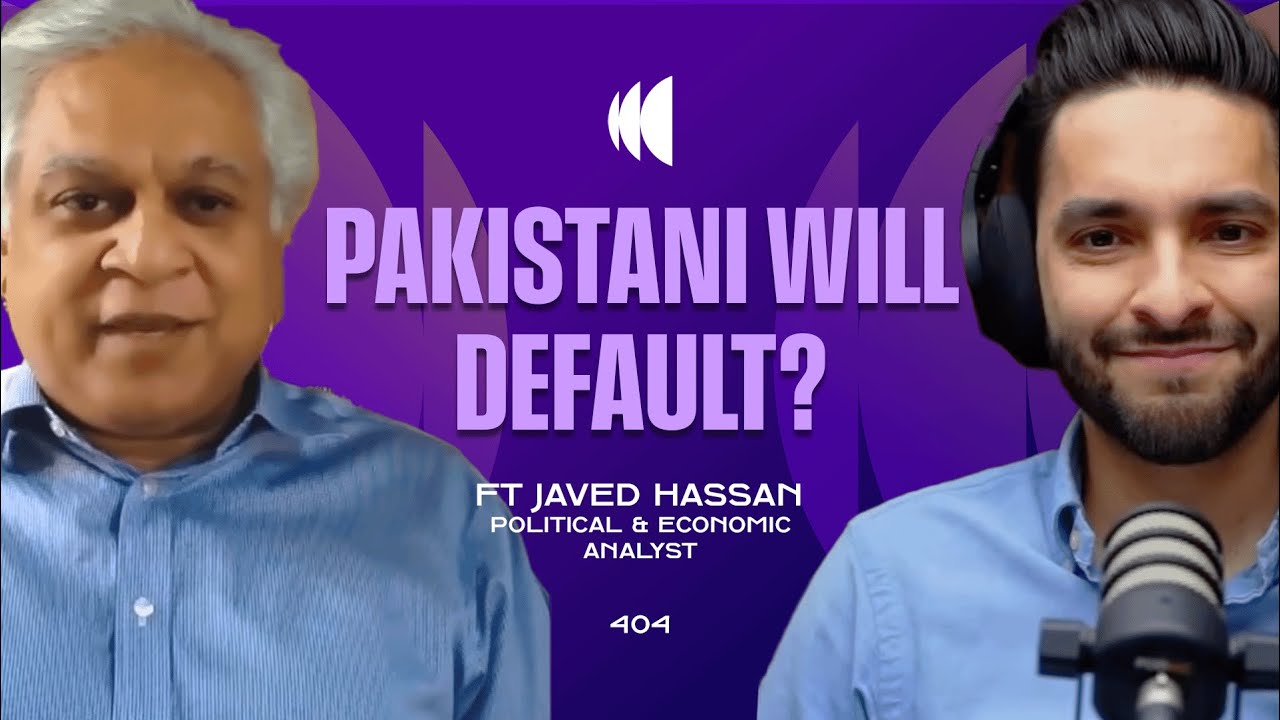
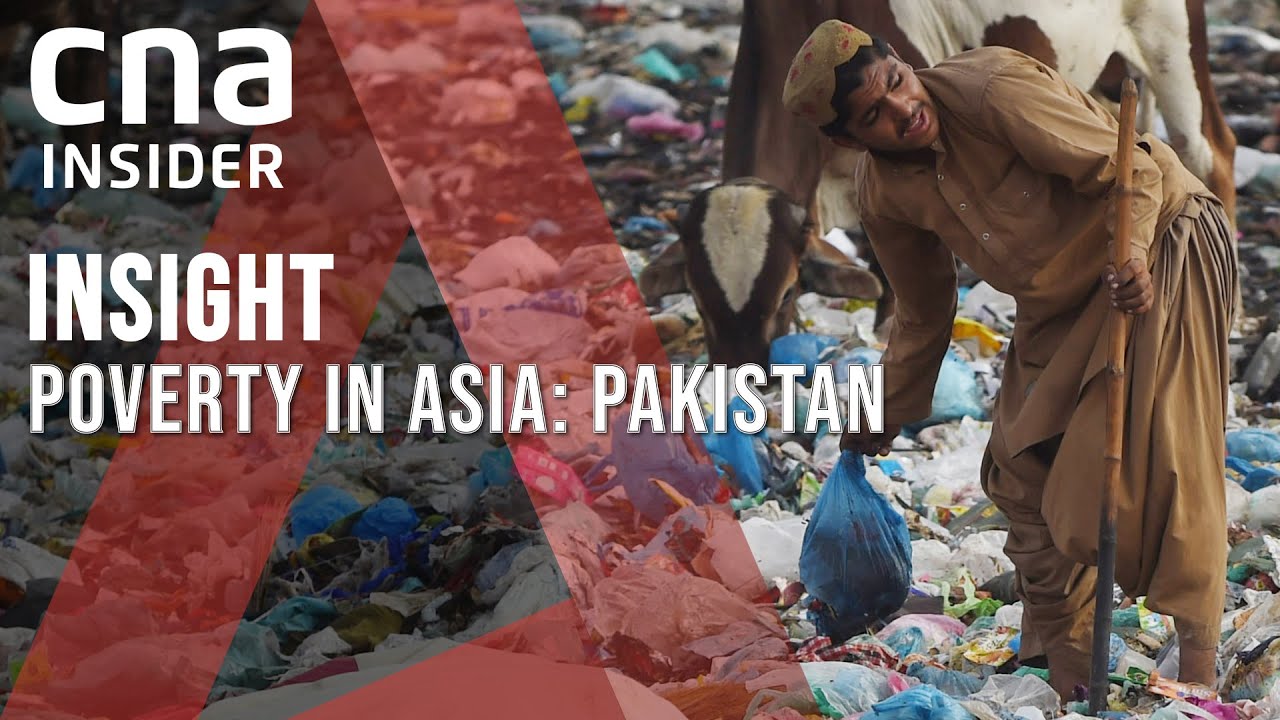
a growing debt crisis dwindling forex reserves and soaring inflation push pakistan to the brink of an economic disaster at this point is that governments coming and going bring with them such upheavals which momentarily distract the country from the economic recovery part the pakistani rupee has been in free fall in june the repeal plummeted to an all-time low of 211 against the u. s dollar only strengthening marginally since then we need the imf yes we need the imf for a year or two maybe three years we can take their palliative but the longer term solution is ours with the economic crisis deepening all eyes are on prime minister shabaz sharif can he get the country out of the woods or is pakistan another sri lanka foreign [Music] [Music] uh [Music] foreign [Applause] in the largest fruit and vegetable market in capital city islamabad small vendors like muhammad and etysham have been feeling the heat of inflation and rising fuel prices in pakistan inflation hit a two-year high of 13. 4 percent in april and consumer prices spiked according to a survey food prices surged 17.
3 while transport costs went up by 31. 8 foreign inflation erodes the buying capacity of the vulnerable poor the rising prices have hit them so badly that they've begun to cut back on spending on essential commodities skimping on food as well foreign foreign people have also been grappling with power shortages during a brutal heat wave that's hit the country pakistan is the fifth largest mango producer in the world but this year the production is expected to drop by roughly 50 percent as the crop has been harmed by high temperatures and water shortages but it's not just the production that suffers because of the heat wave elements the current economic crisis follows closely on the heels of a political crisis it saw former prime minister imran khan's dramatic ouster on april the 10th in a vote of no confidence creating a turbulent period of political instability and uncertainty technically it wasn't supposed to be a drama at all it was supposed to be a pretty normal procedure of getting rid of our government so the government had lost its majority the allies had dished it they decided to file a vote of no confidence move which is constitutionally mandated and the vote of no confidence move was supposed to be also processed according to the constitution that's exactly how it happened but in between imran khan in trying to save his government and knowing what was going to come his way tried to pitch a conspiracy theory in pakistan that drama frankly is part and parcel of how parliamentary systems work but the real theater as it were which baffled the world was imran khan's insistence that it's a global conspiracy to get rid of this government so when you talk about the pakistan history this this is our bad luck it's not good none of the civil governments complete their tenure in an office as a prime minister every tenure was disrupted due to something sometime it was cold sometime it was martial sometimes one or other reason there was always tenure was reduced now i request mr muhammad shabazz sharif to please take the seat of the prime minister of the islamic republic of pakistan on april 11 shabal sharif was sworn in as the new prime minister imran khan however has remained defiant despite his ouster and since then has conducted several rallies demanding fresh elections in pakistan [Music] it's a very fascist thought process which is pursuing and he's pursuing it in a economic situation which is very precarious he's really fragmenting the society he's trying to create hatred within the society and this is the real threat what is done with the economy one can manage but when the society is fragmented when the politics becomes enmity then you have much bigger problems than economic issues and i think that's the disservice that imran khan is doing to pakistan well the manner in which it happened was clearly not a normal democratic process one the use of money to buy loyalties that's something which is largely acknowledged in pakistan we know people who were approached of our party the legislators who turned down the office and then the cipher coming from the u. s which talked about a direct link between the vote of no confidence and the u.
s foreign policy towards pakistan imran khan is not going to relent he's not going to come back to poverty considering the current narrative he's building conspiracy theory toxic material being held at people threatening civil war you know you do not come to power in a country like pakistan by threatening civil war that's a given but he's not going to relent he's going to insist and uh on his narratives he's going to persist with the street agitation there's very little this government can do about convincing imran khan to stay back and and you know be reasonable talk about reforms and then move on the nation has been grappling with a severe economic crisis pakistan faces 6. 4 billion dollars of debt due over the next three years as prime minister shahbaz sharif's new government has been trying to meet bailout terms that have been set by the international monetary fund the price hike and the increased taxes in the recent budget signals that the sharif government has decided to bite the bullet the budget has addressed some of the subsidiation that we need to remove far more the oil prices and the gas prices the electricity prices have been addressed but naspers himself admits that there's a lot more to go so i think the imf will negotiate a lot more with the country and we will see some changes maybe a few additional taxes maybe a few additional cuts quite frankly we need spending cuts but imf is not the agency that can make the spending cuts because spending cuts are very hard much harder than tax increases and spending cuts really require time and political will to do that and with election coming up next year i don't think the imf will be able to persuade the government but it's going to be a tough call but because the government needs the imf and needs the financing gap to be filled in june finance minister ismail presented the budget for the upcoming fiscal year when he promised to remove fuel and energy subsidies to revive the imf's six billion dollar bailout package but not before blaming the imran khan government for the current crisis everybody blames he did i as a impartial person say everybody is responsible for that it is not the month sahaja yoga story this decade story every dictator of pakistan every political government of pakistan they are responsible for it none of the government ever went for long-term policies none of the government ever started long-term projects which could benefit pakistan's economy or pakistan's revenue generation every government went for ad hoc projects we started such projects which were visible popular in public but they were not generating any revenue until something serious happens there will be an adjustment there will be pain and it's important for us to try and educate the people on that i know the politicians hate to do that what is an adjustment program the country is overspent the country's got itself indebted more than necessary a certain amount of pain has to be taken to pay off the debt we have to undertake a certain amount of pain we've got subsidies that have been taken those subsidies have to be paid off imf is the emergency ward of the world if you get into the imf fold pain has to be taken period there's no way out for a nation that's reeling under the impact of back-breaking inflation and a depreciating currency the revival of the imf program is crucial prime minister shahbaz sharif has indicated that the country could soon receive two billion dollars from the lender but the adjustments are bound to hurt the poor there is foreign my [Music] hey foreign [Music] who's been in the food business for 18 years this would have to be the worst year yet it's high commodity prices fuel asia's second fastest inflation fund faced with soaring prices hassan is fighting hard to provide for his family and manage his household expenses he's the sole breadwinner of a family of eight and has an elderly father to take care of as well foreign sellers like hassan are grappling with shortages of fuel power food and medicines and a currency that's depreciating at record speed in june the pakistani rupee became asia's worst performing currency in 2022 with a fall of nearly 16. 5 percent against the u.