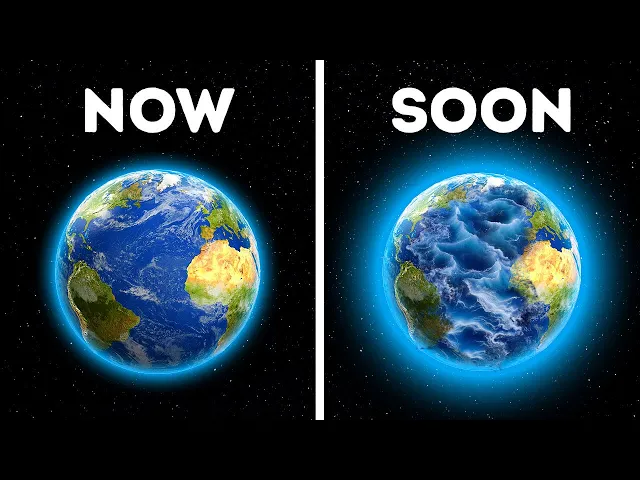
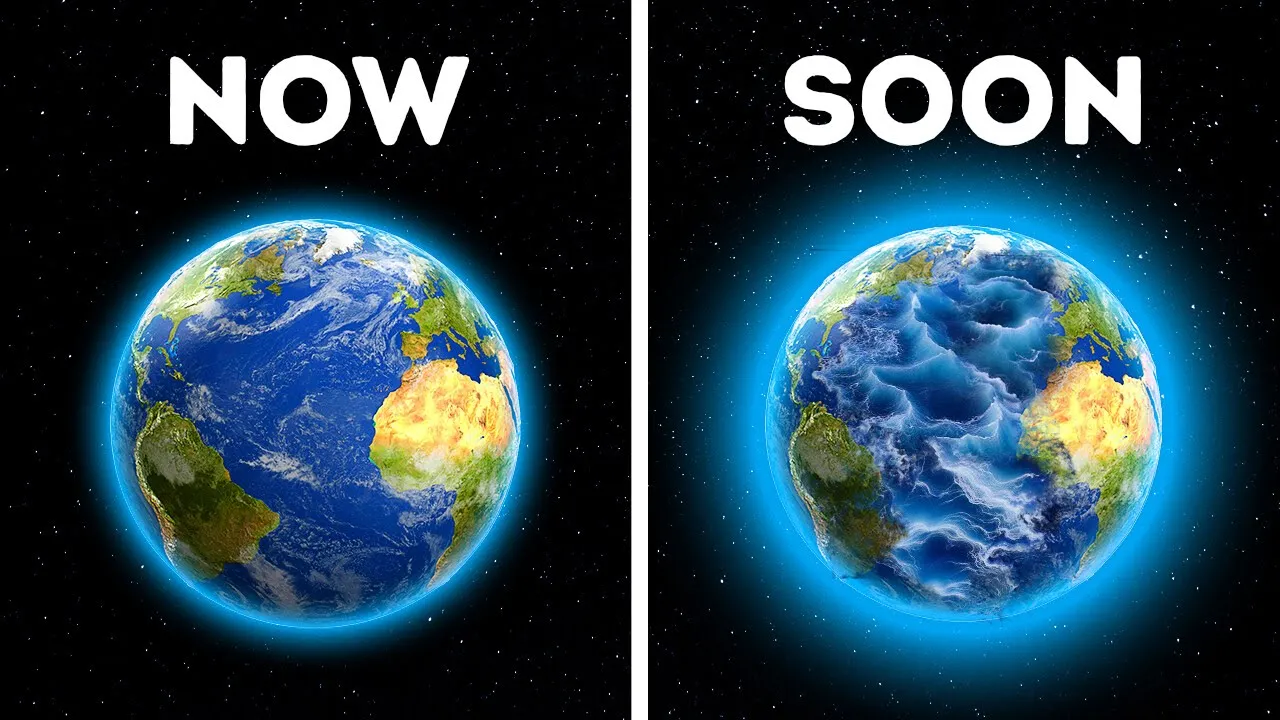
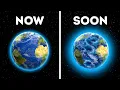
about a year back something wild happened on Mars its magnetic shield and air around it expanded to about three times the usual size Earth has experienced this ballooning before too in 1999 it caused our magnetosphere to expand up to 100 times its usual size and scientists are saying that Earth might experience it again soon but on an even larger scale the consequences of that could be catastrophic let's see why it happens and what might happen to us if that repeats NASA's Maven Orbiter has been orbiting Mars since 2014 it's the only spacecraft we have that
keeps track of both the Sun and Mars in 2022 on December 26th it witnessed a fascinating show on the red planet Mars's atmosphere and magnetic Shield suddenly stretched out by thousands of miles according to scientists it's a unique unbelievably dramatic event and Maven was there to catch it all scientists tried to uncover this mystery digging into the event they discovered something incredible it turns out this air show was linked to the solar winds solar wind is the stream of particles coming from the sun it's a constant flow of protons and electrons from our Stars outer
atmosphere moving super fast up to 500 m/s these charged particles travel through the solar system in a plasma State Mars like all other planets in our solar system is always dealing with solar wind think of it like a breeze from the Sun this wind pushes on Mars's magnetic Shield called magnetosphere and is part of why Mars loses some of its atmosphere into space researchers found out that the weird expansion on Mars happened because there was a rare void void in it faster solar wind caught up with slower solar wind making them squeeze together this created
a gap in part of mars' atmosphere because some solar wind was missing this unusual situation caused Mars's magnetosphere to expand so rapidly the Sun goes through a cycle about every 11 years it jumps from low activity or solar minimum to high activity or solar maximum then it jumps back we not notic this way back in the 18th century and we're currently on the 25th cycle it's all because of the sun's magnetic field during solar minimum the magnetic field is strong and organized but over time it weakens suddenly solar activity jumps up this creates solar winds
the sun spewing Jets of particles on the planets including our Earth in 1999 the solar wind nearly disappeared for 3 days it will probably repeat again now this time around scientists believe it might hit us sooner and harder than expected the sun becomes quite Lively emitting fiery plasma developing large dark spots and releasing powerful radiation and unfortunately the upcoming solar maximum kind of caught us off guard the storm was predicted for 2025 so scientists aren't very prepared the number of sunspots observed has been way high higher than anticipated the sun hit an 8-year Sunspot peak
in 2022 and then showed more than double the expected sunspots in 2023 it's not just them many solar flares have also been on the rise in March the geomagnetic storm lit up the skies with vibrant auroras across 30 US states it was the strongest storm in over six years many rare solar events have become more common recently for example a gigantic plasma waterfall a polar vortex swirling around the sun's North Pole for hours and a 3-day solar tornado towering over 14 Earths because of all that Earth faces some risks solar storms could hit our planet
it can mess with Communications damage Power Systems and cause blackouts and even pose threats to living beings they can ionize Earth's atmosphere this would mess with radio signals and GPS systems major disasters like earthquakes or tsunamis combined with such blackouts could lead to catastrophic outcomes additionally strong solar storms may generate electrical currents that can damage infrastructure including power grids and Rail lines airplane passengers might experience higher radiation levels during solar storms it's hard to tell what that would mean for their health however astronauts on spacecraft such as the International Space Station could face more significant
risks future space missions will have to take solar Cycles into account we're not the only creatures in danger these storms can disrupt the migration patterns of animals like grey whales sea turtles and birds all these poor animals rely on Earth's magnetic field to understand what's going on and as a cherry on top there's a risk of satellite collisions commercial space companies are focused on launching satellites quickly rather rather than safely because of that they often Overlook the impact of space weather during solar storms the ionized upper atmosphere increases drag on Earth orbiting satellites if something
goes wrong satellites can be forced out of orbit and collide with us the scariest solar storm that has ever happened to us was the Carrington event in 1859 Earth experienced the most intense geomagnetic storm ever recorded the sky lit up with vibrant auroras they were visible from the North and South Poles to places like Cuba and Japan the display was so bright in the United States that gold miners woke up thinking it was morning it was caused by a massive solar flare the auroras were breathtaking but the impact was more than visual it disrupted Telegraph
systems across Europe and North America Telegraph pylons threw Sparks operators got electric shots and conversations were conducted using the auroral current instead of batteries similar storms occurred at least three times throughout history with the same awful consequences scientists estimate the cost of such an event today could range from 600 billion to $2.6 trillion in the us alone researchers continue to study historical events and icec cor data to understand and prepare for the potential impacts of future solar storms the sun's behavior is very unpredictable but this just shows that we need to study it in Greater
depth the chance that this newcoming storm will be the same as a superstorm like the Carrington event is low besides if we spend this time preparing it might go unnoticed preparation usually involves adjusting satellite trajectories grounding planes and identifying vulnerable infrastructure meanwhile we keep exploring Mars its atmosphere is is different from ours our atmosphere has breathable air mostly consisting of nitrogen oxygen and a lot of other gases meanwhile Mars has incredibly high CO2 levels if on Earth carbon dioxide doesn't even reach 1% on Mars it makes up about 90% of its atmosphere also Earth's atmosphere
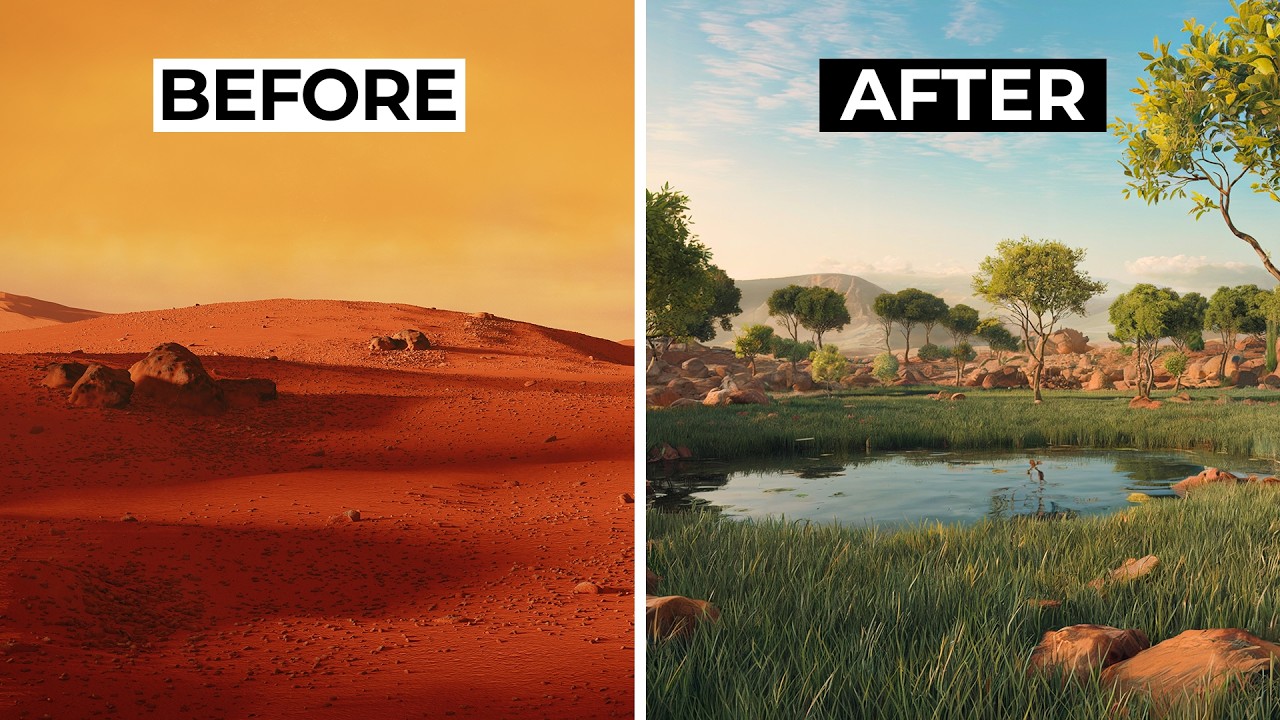
is over a 100 times denser than the one on Mars even though Mars is about half the size of Earth its atmosphere is like a feather compared to our air a long time ago Mars could have been kind of earthlike we know that it definitely had water and perhaps there were even some plants if we added water on Mars now plants could have grown up there a long time ago Mars was experienced some serious volcanism suggesting it had a thick atmosphere and maybe even a giant ocean we're not sure what happened to them but there
are some theories for example Mars has a magnetic field but it's very weak so solar winds could have Stripped Away its atmosphere in the end it became the chilly Dusty red planet we know today NASA's perseverance Rover celebrated its 1,000th day on the red planet with some amazing discoveries the Rover cruised through an ancient Martian River and Lake system it gathered 23 precious samples along the way all of these samples will help us to unlock Mars's history and geological Mysteries extreme dream events and conditions are horrifying but great in a way that they help us
to learn more about our solar system luckily Maven was designed to be sturdy and prepared even for intense solar storms so now we can find out more about Mars when it's stripped of its protectiveness that's it for today so hey if you pacified your curiosity then give the video a like and share it with your friends or if you want more just click on these videos and stay on the bright side