(beep) - Creatine, beneficial for maintaining muscles or is it actually dangerous for the bod? I'll explain. (beep) (bright upbeat music) Those involved in strength training and the fitness world, trainers and athletes alike know the importance of proper nutrition and supplementation.
But being informed with the right information when shopping for supplements is even more crucial. And being that creatine is one of the most successful selling supplements to hit the shelves, it's important to know if it's actually beneficial in maintaining and building muscles, or is it just a bunch of bro science? Today, I'm breaking down all of the crucial facts and questions that you might be wondering about creatine.
Hey, everyone, I'm Dr Jordan Wagner. I'm an emergency room doctor who treats everything from COVID to gunshot wounds, burns, you name it. I've created this video series to help answer some of your medical questions and the questions that I get from patients each and every day.
If you find this video helpful, please do me a favor and subscribe. So what is creatine? Creatine is a substance that is found naturally in muscle cells.
It helps your muscles produce energy during heavy lifting or high-intensity exercise, AKA resulting in an increase in muscle mass. Your muscles then convert creatine into creatine phosphate, which is then generated into adenosine triphosphate, ATP, which your body uses for explosive exercise. Now, don't get protein and creatine confused.
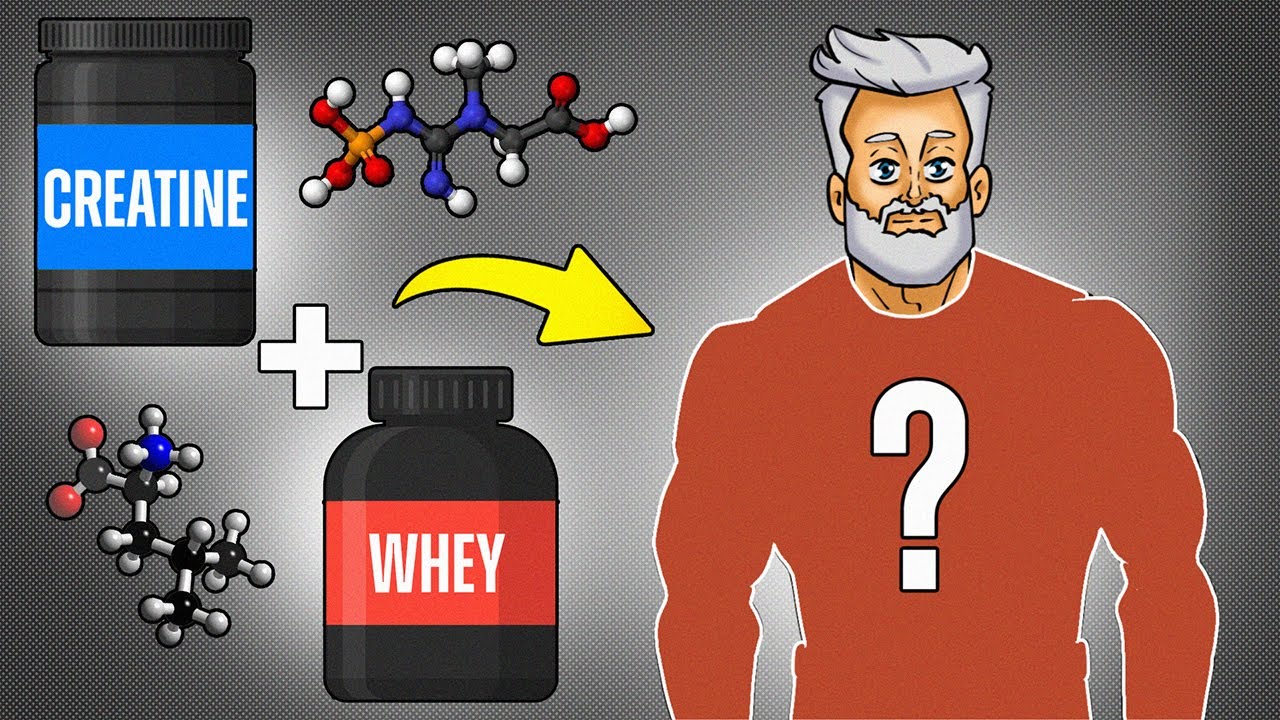
In short, creatine leads to more strength during your workout, whereas protein leads to more muscle repair after your workout and creatine isn't a replacement for protein. How does creatine work? Chemically speaking, it shares many similarities with amino acids.
Your body can produce it from the amino acids, glycine and arginine. If you want even more of an amino acids breakdown, I'll link to a video I made on it below. But, several factors affect your body's creatine stores, including meat intake, exercise, amount of muscular mass, and levels of hormones like testosterone and IGF-1.
About 95% of your body's creatine is stored in muscles in the form of phosphocreatine. The other 5% is found in your brain, kidneys and liver. When you supplement, you increase your stores of phosphocreatine.
This is a form of stored energy in the cells, as it helps your body produce more of a high energy molecule called ATP. Creatine also alters several cellular processes that lead to increased muscle mass, strength and recovery. One 14-week study in older adults, out of the Journal of Clinical Medicine determined that adding creatine to a weight training program, significantly increased leg strength and muscle mass.
In high-intensity exercise, its primary role is to increase the phosphocreatine stores in your muscles. So what are the benefits of creatine? So far, we know that it improves performance, supports muscular size and strength, and recovery.
However, creatine has a lot of science-backed benefits for both athletic performance and health as well. Just like your muscles, your brain stores phosphocreatine and requires plenty of ATP for optimal function. A study from the Royal Society reports that creatine supplements also increase possible creatine stores in your brain, which may improve brain health and prevent neurologic diseases such as Alzheimer's disease, Parkinson's disease and even epilepsy.
Are there any cons to creatine to be aware of and is it actually dangerous? Creatine strong safety profile is commonly overshadowed by media reports claiming that it harms your kidneys and causes extreme bloating. First, studies involving a variety of people of different ages have found that taking creatine supplements did not harm kidney health.
However, those individuals with impaired kidney function or kidney disease or anyone watching this video should always check with their primary care doctor or healthcare provider before taking any new supplements. Second, the most common complaint associated with taking creatine supplement is stomach discomfort due to bloating. This feeling of being bloated or having a distended stomach most often occurs when you first start taking the supplement during the creatine loading phase.
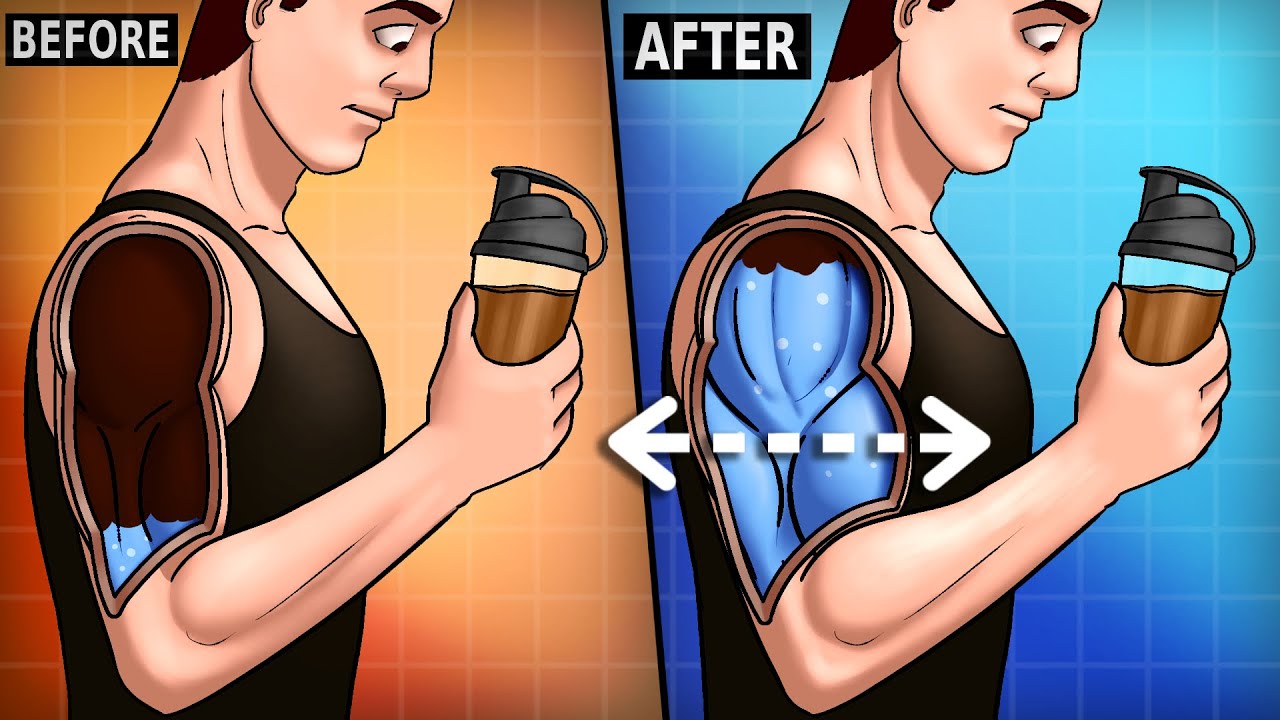
During the loading phase, creatine also tends to pull water into your muscle cells resulting in waking. This may cause bloating or adding of water weight. In fact, the average weight gain for adults in the first week of using creatine during the load phase is 1.
5 to three pounds, though that weight gain may be due to water retention. It has been noted that an athlete that has used creatine for up to three months will gain upwards of 6. 5 pounds of lean muscle mass more than an athlete that is not trained with creatine.
How do you take it and how much? Creatine supplements usually come in powder form. You can drink it by mixing the powder with water or juice, take it whenever it's convenient for you.
The international journal of sports medicine currently recommends two dosing regimens that you can follow when taking creatine. The first option called creatine loading involves taking 20 to 25 grams split into four to five equal doses over five to seven days. After you're finished with the loading phase, take three to five grams per day to maintain your muscle stores of the compound.
The second option is to skip the loading phase and start with the maintenance dose at three to five grams daily. Both options are equally effective, but following the loading protocol will allow you to experience the supplements benefit four times faster. However, if that is all a little overwhelming to you, I suggest taking precautions and keep your dose to 10 grams or less per serving A question I hear a lot, can women take creatine or should men only take it?
Creatine is an equal opportunity workout enhancer, meaning yes, both men and women can take it. In fact, many studies show that ladies can experience the very same increases in strength, endurance, and performance improvement. In one Canadian study, for example, men and women who supplemented with creatine for six weeks both showed physical improvements and became stronger.
Which type of creatine should you buy? From creatine monohydrate, buffered creatine, creatine hydrochloride and creatine nitrate. It all adds more confusion surrounding which supplement is right for you.
To keep it simple my friend, creatine monohydrate, best option. Based on the scientific evidence, creatine monohydrate is backed by the strongest research with studies demonstrating its effectiveness at increasing your body stores and improving exercise performance. And if you're curious as to some of my recommendations, I'll link to some of my favorite creatine supplements below.
Also, keep in mind that some dietary supplements out there are largely unregulated. The content of some of the products may differ from what is specified on the product label. And a word of caution.
The safety of supplements in pregnant women, nursing mothers, children and those with medical conditions or who are taking medications has not been established. That's why it's always best to talk with your primary care provider first before incorporating any supplements into your daily routine. Self-treating your condition and avoiding or delaying standard care may have serious consequences.
All right, that's been a creatine breakdown with me, Dr Wagner. Do you take any creatine supplements? Let me know in the comments.
Please make sure you subscribe and turn your bell notifications on. When you do that and you hit that Like button, you let YouTube know that you'd like to see more videos like this one. Thank you so much for watching and stay healthy, my friends.