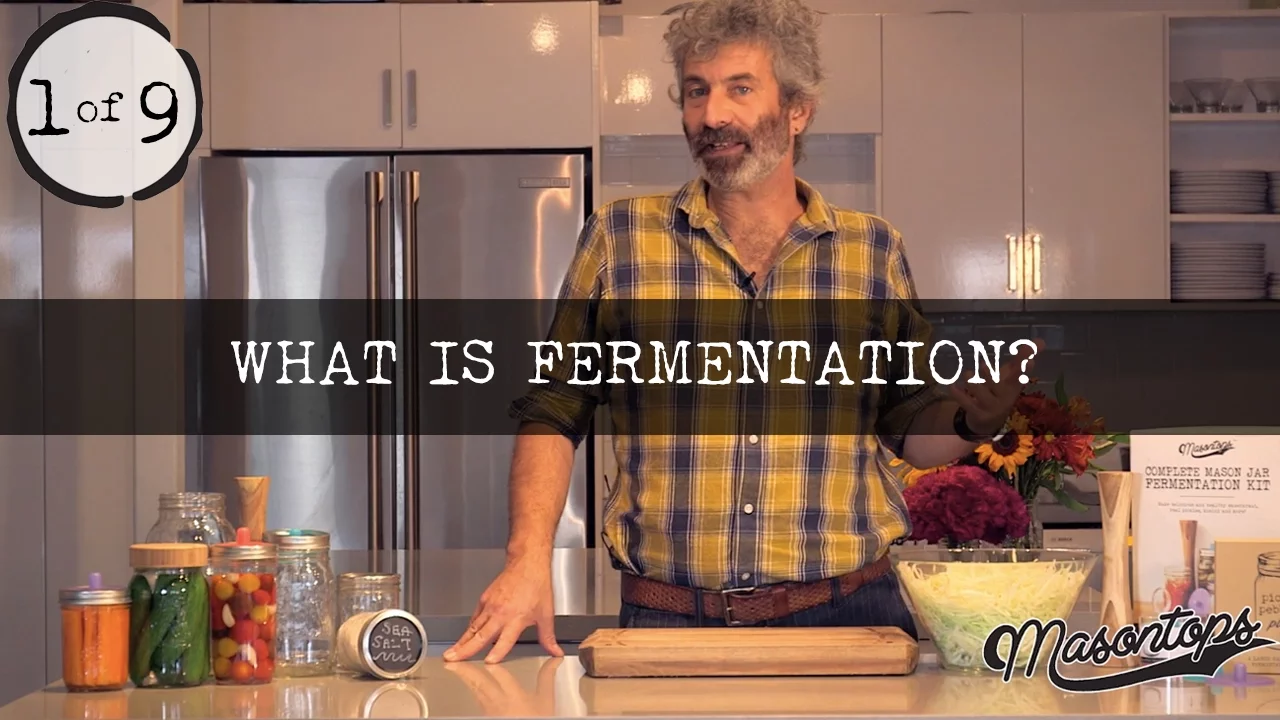
[Music] okay well uh in today's Workshop we're going to be learning how to fent vegetables but before we get into um uh the specific methods and techniques for doing that I'd like to um just address the broader question what is fermentation anyway how does it transform food and you know why might you be interested in it um broadly speaking fermentation is the transformative action of microorganisms um any biologist listening to this are already shaking their heads because for a biologists fermentation means something a little bit more specific and also a little bit broader for a
biologist fermentation means um Anor robic metabolism the production of energy without oxygen and actually the cells of our bodies are capable of fermentation um most of the foods and beverages that we describe as fermented meet the biologists uh criteria they're Anor robic you know when you when we turn cabbage or other vegetables into sauerkraut that's an anerobic process that does not require oxygen when we turn milk into yogurt that's an Anor robic process that does not require oxygen when we turn grapes into wine that's an Anor obic process that does not require oxygen the problem
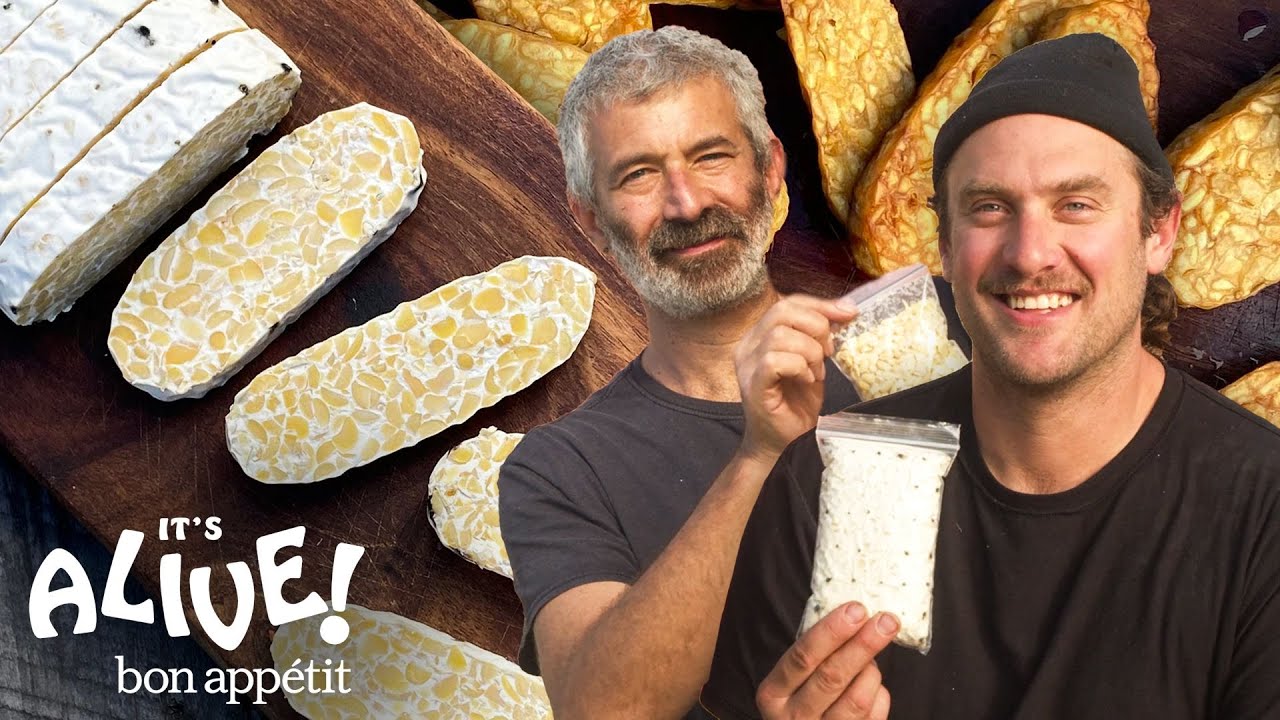
with this definition from a food and beverage standpoint is that there are a large handful of foods and beverages that people think of as fermented that do require oxygen some examples of this would be kombucha vinegar um uh Tempe the Indonesian style of fermented soybeans any kind of uh cheese that involves uh uh molds need oxygen so um I think of these as the oxymoronic ferments um and um uh uh so rather than working with the biologist strict definition I prefer to work with this broader lay definition that fermentations the transformative action of microorganisms um
but of course not every transformative action of microorganisms results in something delicious that we want to eat um and you know all of us have experienced with the transformative action of microorganisms when when we clean our refrigerators and our pantries and um you know those sort of you know old things that have started decomposing in the far reaches of the refrigerator that's also the transformative action of microorganisms but we don't call that fermentation we call that spoilage or rotting um and so you know we have a different vocabulary and we reserve the word fermentation to
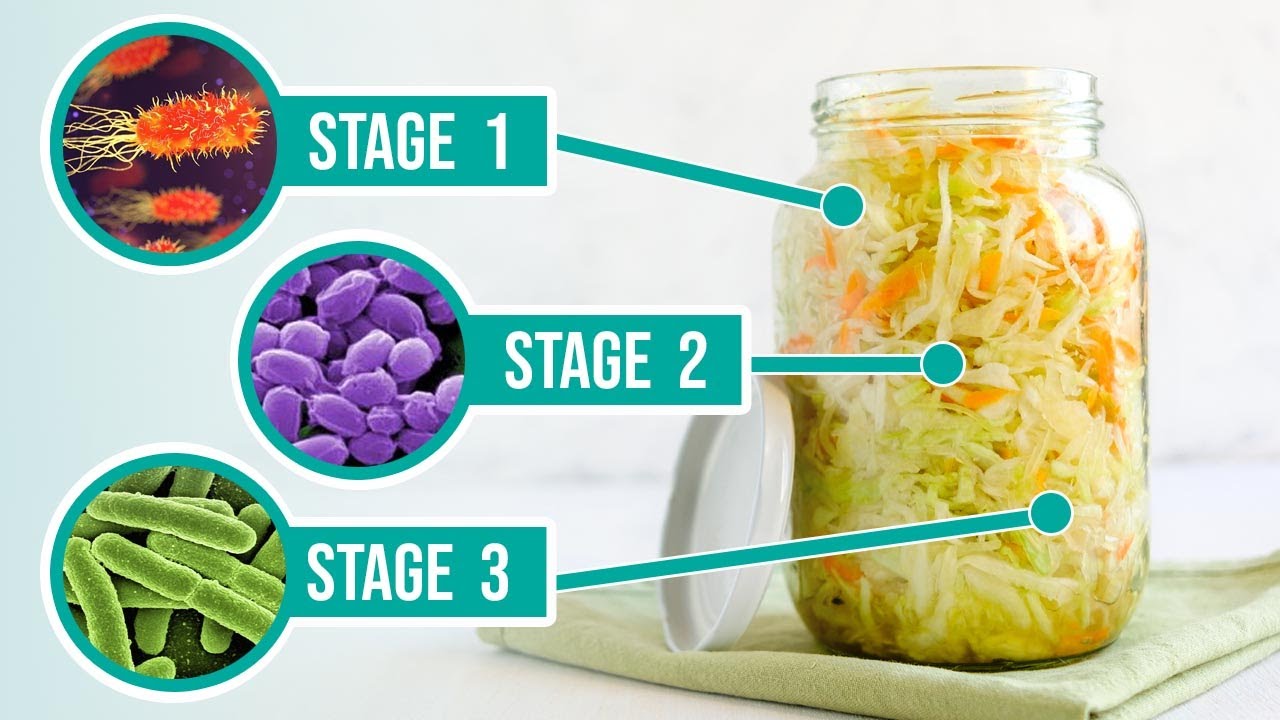
describe desirable or intentional uh uh microbial Transformations um you know what we Now understand thanks to the science of microbiology is that all of the things that make up our food all of the plants and all of the animal products that people eat are populated by elaborate communities of microorganisms so there's a certain inevitability to microbial transformation of our food and you know what we find in the back of our refrigerators is you know sort of one possible scenario um um of what can happen but um you know in in in uh culinary traditions in
every part of the world you know people observed you know how uh environment affects how food changes over time um and so you know as I mentioned all foods are host to elaborate community of microorganisms and so uh you know the methods of fermentation uh amount to manipulations of environmental conditions so as to encourage the growth of certain organisms and simultaneously discourage the growth of other kinds of organisms so that rather than our food decomposing into a disgusting mess that nobody would ever want to put into their mouths um you know we harness this you
know invisible life force that's part of everything that we eat in order to derive various practical benefits um in order to preserve food to extend its useful life in order to make foods uh uh more easily digestible in order to make foods more delicious um so there's always some sort of a practical benefit to uh uh to the fermentation