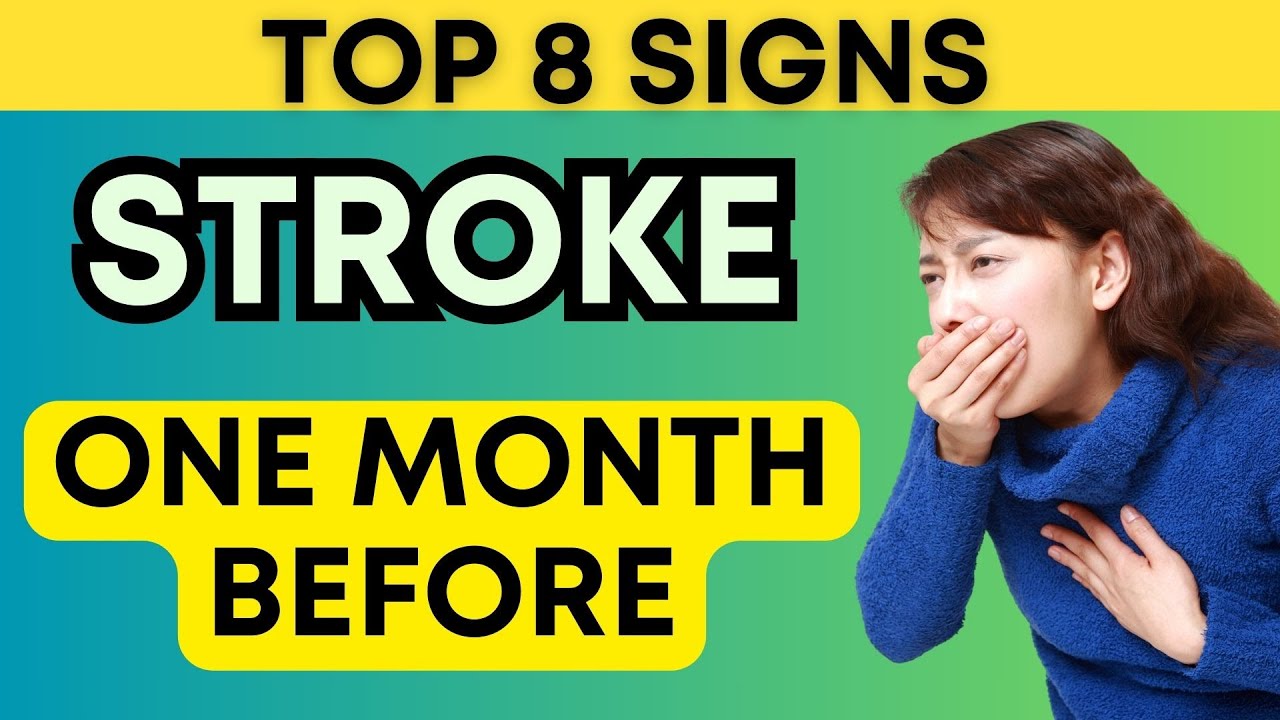
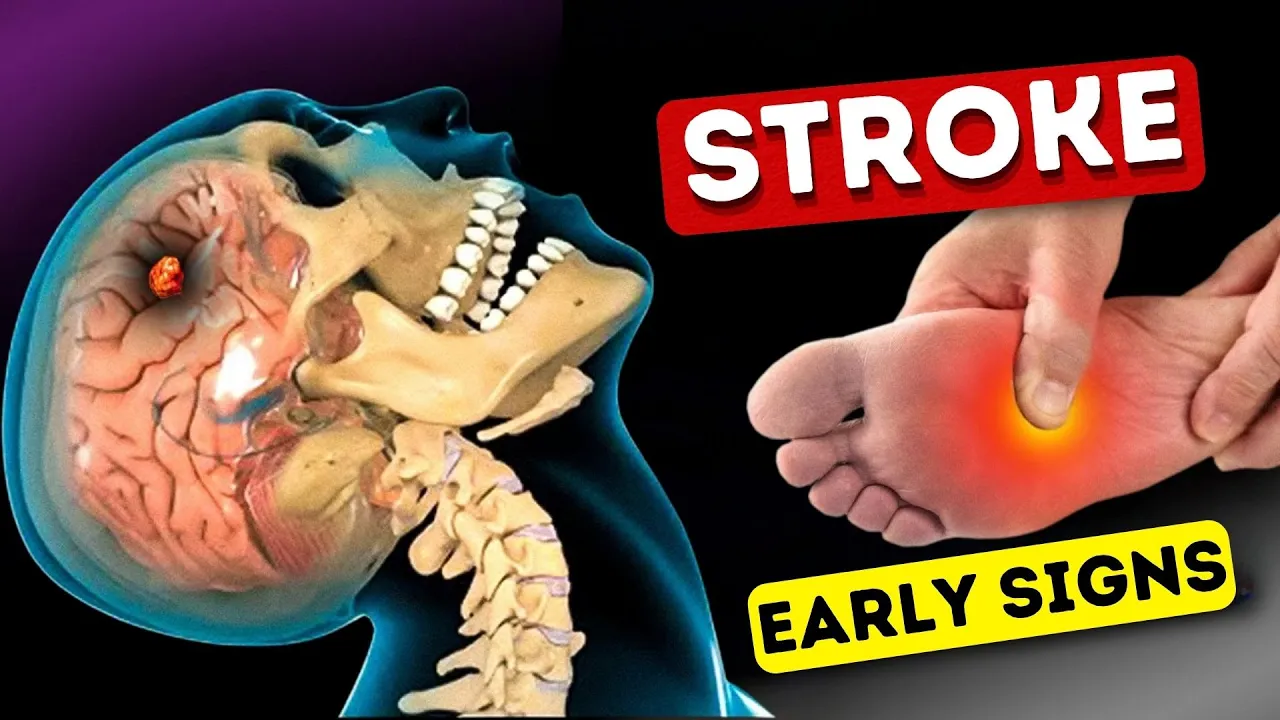
stroke is the second leading cause of death worldwide so forget about cancer and car accidents for a moment and think about the blood supply to your brain right now is your brain getting enough blood and oxygen are you sure often before a major stroke there is a condition called a mini stroke where only a small part of your brain experiences a lack of oxygen and nutrients watch the video Until the End to learn how to recognize the signs of an approaching stroke and how to prevent this condition firstly let me explain what a stroke is
it is a condition where the brain does not receive enough blood due to a blockage such as a blood clot or cholesterol plaque blood carries oxygen so when blood flow is insufficient parts of the brain suffer from oxygen deprivation the symptoms and consequences of a stroke depend on which part of the brain is affected this can lead to limb weakness partial paralysis slowed speech impaired per ception and other issues it's important to prevent a stroke as it is often possible to predict and prevent it by paying close attention to your body's signals how can your
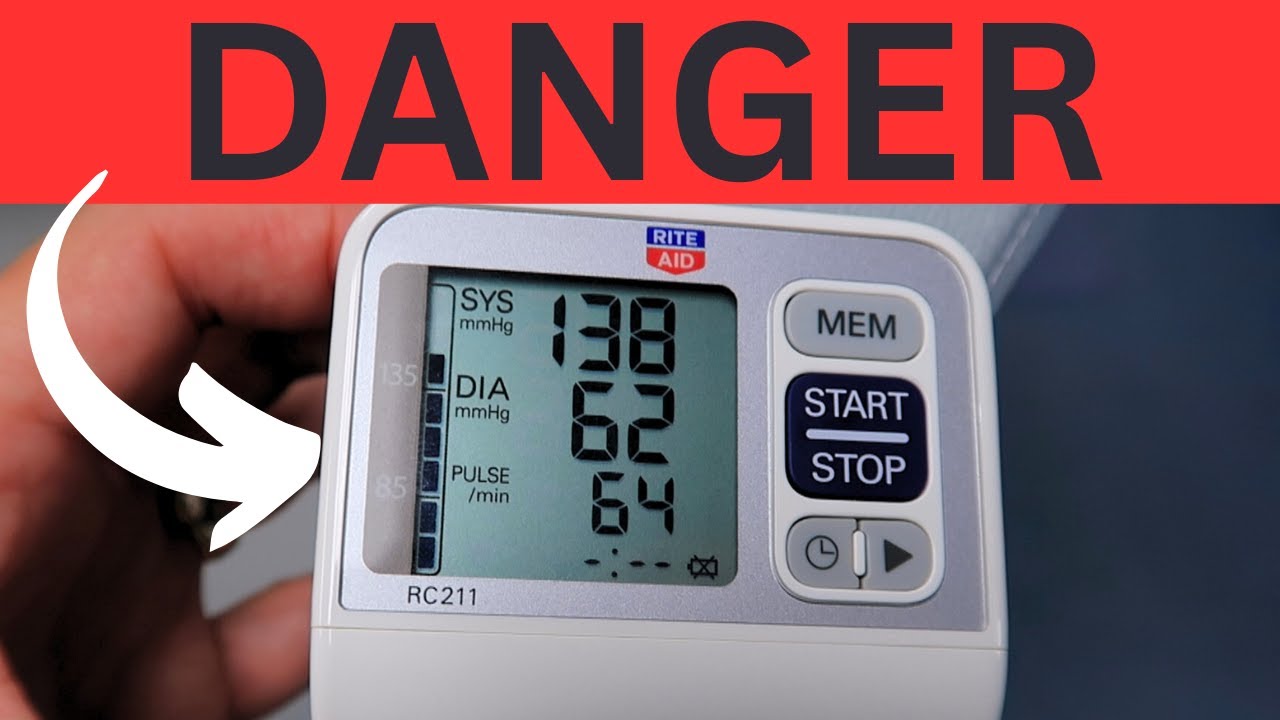
body warn you about a potential stroke symptom number one persistently elevated blood pressure persistently high blood pressure or chronic hypertension significantly increases the risk of a stroke blood pressure measures the force of blood against the walls of Our arteries when this pressure is consistently High it can cause damage to the blood vessels leading to narrowing weakening or even rupture over time all of which contribute to stroke risk if a blood vessel in the brain ruptures due to high blood pressure it can cause bleeding resulting in a hemorrhagic stroke additionally if hypertension damages the arteries that
Supply blood to the brain it can reduce blood flow or cause a blockage leading to an ischemic stroke therefore managing high blood pressure is crucial this involves adopting a healthier lifestyle and following prescribed medication regimens these steps are essential to control blood pressure and reduce the risk of stroke and other cardiovascular diseases symptom number two excessive fatigue excessive fatigue or extreme tiredness can be a warning sign of an impending stroke while fatigue can have many causes experiencing intense persistent tiredness that is unusual for you and not related to physical exertion or lack of sleep could
be alarming this excessive tiredness may result from changes in blood flow to the brain potentially due to a narrowed artery from atherosclerosis or a possible blood clot if you feel an abnormal level of fatigue it's essential to seek medical evaluation sometimes extreme fatigue can precede a transient ischemic attack Tia which is a temporary disruption in the brain's blood supply a TIA acts as a critical warning sign of a possible future stroke symptoms of a TIA are similar to those of a stroke but typically last from a few minutes to several hours and fully resolve within
24 hours without causing permanent brain damage this occurs when an artery in the brain is temporarily blocked and then cleared leading to a rapid resolution of symptoms pay close attention to this warning if you notice any transient signs or symptoms it's imperative to seek medical attention immediately symptom number three vision problems sudden changes in Vision can be a warning sign of a stroke blurry vision double vision eye problems or difficulty focusing May indicate circulatory damage in the brain while various factors can cause vision problems it's important not to ignore these symptoms vision loss can result
from the blockage of an artery supplying blood to the eye often indicating an esic stroke the most common type of stroke taking these changes seriously and seeking prompt medical evaluation is essential symptom number four sudden and severe headache a sudden and severe headache can be an early warning sign of a stroke while not all headaches are related to strokes and not all Strokes are preceded by headaches it's important to recognize the potential Connection in the case of an esmic stroke a headache occurs due to the obstruction of blood flow in the brain often described as
sudden and severe in a hemorrhagic stroke which involves bleeding within the brain the intense headache results from increased pressure inside the skull due to the bleeding this elevated brain pressure can cause severe pain people witnessing a stroke often report seeing the affected person clutching their head showing signs of intense pain and sometimes losing Consciousness this reaction is especially common in hemorrhagic Strokes where the headache is often described as the worst headache of the person's life additionally a severe headache can also signal the imminent risk of a brain aneurysm rupture given these risks it's crucial to
take sudden and severe headaches seriously and seek immediate medical attention symptom number five numbness or weakness in body extremities numbness or weakness in the extremities particularly on one side of the body can be an early warning sign of a stroke these symptoms may occur during a transient ischemic attack Tia which is a temporary reduction in blood flow to a part of the brain this sudden numbness or weakness usually affects one part of the body such as an arm leg or one side of the face leading to decreased sensitivity although these symptoms often last only a
few minutes to a few hours they should never be ignored whether they indicate a stroke or another neurological issue it is crucial to seek immediate medical attention prompt evaluation and treatment are essential to prevent a full-blown stroke and address any underlying health problems symptom number six speech problems a person about to have a stroke May suddenly experience difficulty speaking this can manifest as slurred speech trouble articulating words or difficulty forming complete sentences these issues fall under the category of aphasia which is the impairment in understanding formulating and expressing speech if someone suddenly has trouble speaking
it is crucial to seek medical attention immediately as this could be a warning sign of an impending stroke symptom number seven hallucinations hallucinations can be visual auditory tactile or gustatory meaning any of your senses can be deceived when you perceive something that isn't actually there it's always concerning and abnormal if you exper experience a hallucination once it might be due to extreme fatigue however if you regularly experience hallucinations and are not taking any neuroleptic medications the cause might lie in the brain when the brain doesn't receive enough oxygen its cells begin to die sending false
signals that wouldn't occur under normal conditions this is similar to the death throws of cells a warning sign that should not be ignored symptom number eight neurological problems individuals on the brink of a stroke whether it be hemorrhagic or ischemic May exhibit a variety of neurological symptoms these can include memory issues loss of balance as well as nausea and vomiting these symptoms May manifest a few days or even weeks before a cerebral event it's crucial to remember however that various other conditions can present similar symptoms complicating the diagnosis process conditions such as migraines seizures hypoglycemia
IA brain tumors anxiety attacks and infections in the central nervous system for example can all elicit these symptoms it is imperative to consult a qualified doctor for a comprehensive evaluation to accurately determine the cause of these symptoms symptom number nine loss of coordination if you haven't consumed any alcohol recently but find that your hands and feet aren't responding well this loss of coordination could be a symptom of an impending stroke the same mechanism is at play disrupted blood flow leads to a part of the brain not receiving enough oxygen causing neuron death this results in
the loss of functions controlled by that part of the brain leading to partial loss of body control the body May quickly adapt by finding new Pathways for nerve impulses and your condition might normalize however if you notice any of these symptoms it's crucial to see a doctor and check your brain's blood vessels symptoms might appear and then parti or completely disappear it's vital not to ignore these signs and rely on luck how to prevent a stroke control your blood pressure if you have diabetes control your blood glucose levels maintain your ideal weight exercise regularly eat
fresh and healthy foods avoid processed foods avoid consuming sugar excess saturated fats and excessive alcohol if you smoke consider changing your habits sleep well control your cholesterol keep your checkups up to date with your cardiologist this will indeed prevent a possible stroke in the future you can find many interesting videos about the benefits and harms of vegetables and fruits as well as diseases and their treatments so please don't forget to subscribe to the channel and hit the Bell icon I would also appreciate it if you could like this video and share it with your family
and friends
![How To FIX Blood Flow & Circulation! [Heart, Arteries, Legs & Feet]](https://img.youtube.com/vi/HwcfPwxrL-A/maxresdefault.jpg)