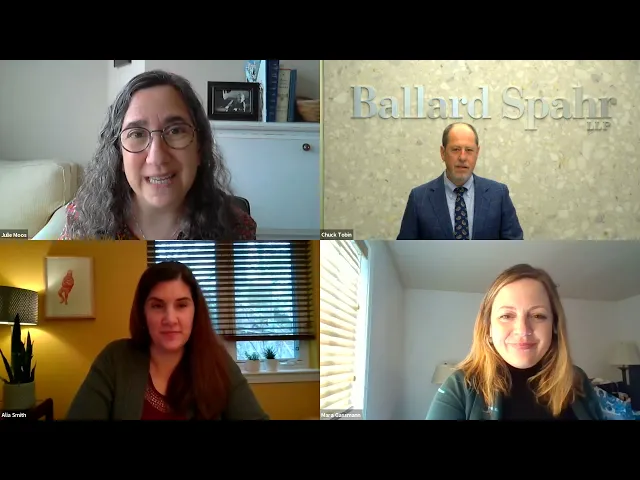
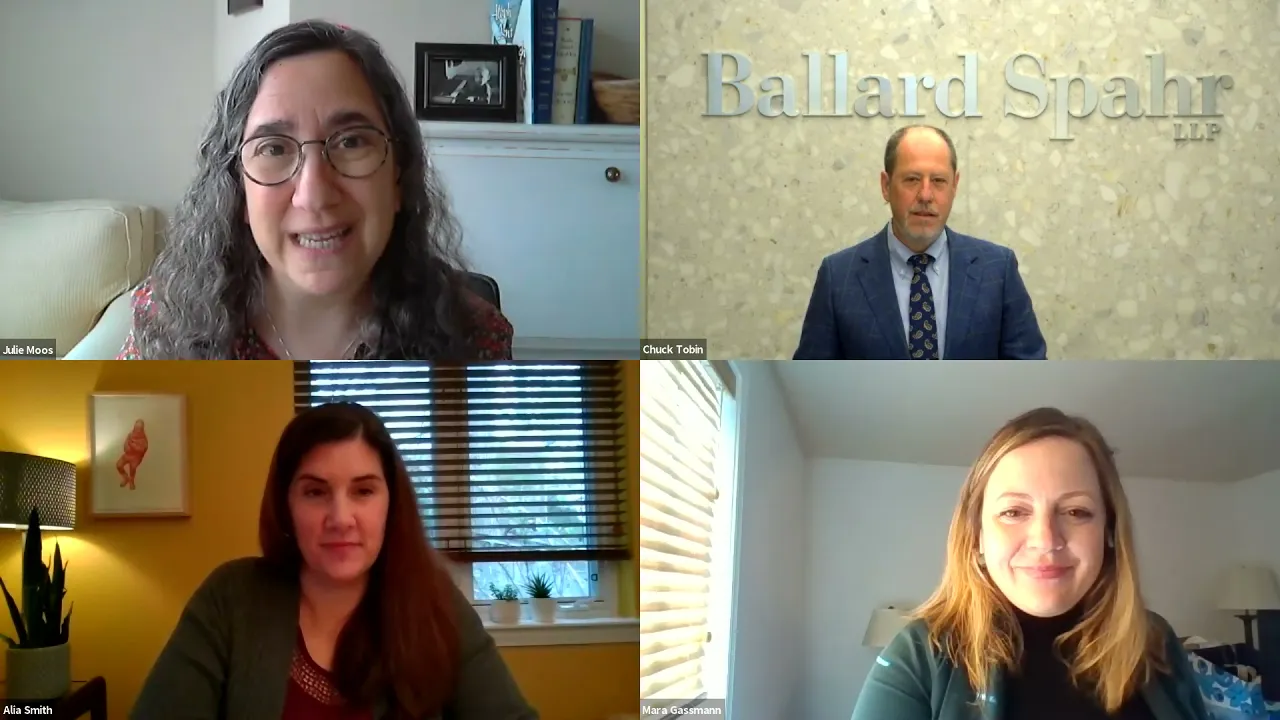
Hi everybody welcome we're so happy that you're here with us today i'm going to give you a few minutes to settle into your uh your your zoom room and um get get comfortable and get ready i'm julie moos i'm the executive director of the national press club journalism institute and we're so happy that you're here with us today this is going to be A very informative session on a topic that is very near and dear to my heart which is media law and copyright and fair use something that anybody who has worked in newsroom or
worked with journalists know is always always changing always challenging and we're very very fortunate to have experts in this to translate for us and and guide us through so um there will be a lot of specific Information so we want you to know ahead of time that we will be sharing the slides after today's program and we will also be reporting this so you will also get a link to the video so lean in listen please ask questions we want to know how this applies to you so put your questions in the q a queue
and we'll answer as many as we can as we go we will also save a little bit Of time at the end we hope to to answer questions as well and now it's my honor to introduce our friends from ballard sparr who will be leading this session and i'm going to consult my notes very closely so that i get i get their experience right first up is chuck tobin who is a litigator a former journalist and the practice leader of ballard spars Media and entertainment law group he defends the media in libel and privacy lawsuits
in state and federal trial and appellate courts across the country chuck is also a member of the national press club journalism institute board of directors and i am very grateful for that and then we also have alya smith whose legal practice focuses on defending publishers and Broadcasters against claims of defamation representing them in little litigation over access freedom of information act subpoenas copyrights things that we'll be talking about today and we also are uh are joined and will be taught by uh mara gassman and mayor's legal work focuses on litigating and counseling news entertainment and
also other media clients in a wide range Of matters including first amendment and intellectual copyrights before starting her legal career mara was a spokesperson for cnn and it's washington dc bureau so she also has had first-hand experience with journalism thank you three for being here and thank you all for being with us and i'm going to turn the program over to chuck now Julie thanks so much and uh welcome everybody on behalf of uh alya and mara and i and the media law team here at ballard spar as julie said you are near and dear
to our hearts we we really enjoy working with the hard-working journalists out there we hope that you're staying safe and and keeping your loved ones safe and our job is to keep you legally safe And in trying to do that we are always delighted to team up with our friends at the institute and present these webinars on legal issues that are confronting journalists one of the areas of risk that's the most increasing to journalists these days on the legal front is copyright law a generation ago we would probably uh be focusing more on defamation law
Defamation is still a risk there are still plenty of people out there who are suing under uh the defamation laws in the various states but copyright is the biggest growing area that we've seen in our media law practice at ballard spar and especially in the digital environment where the ability to copy and paste into your work is just so easy to do these days there's been a real increase in the Number of copyright cases and uh the allegorical tale that we like to tell in these webinars or or sorry to have to tell in these
webinars is uh on your screen right now and it's the case where daniel morell who is a professional photographer a very noted and celebrated photographer went to haiti to film the uh to take pictures of the earthquake put some of the pictures up on his twitter feed And people copied and pasted them and among the people who did that were professional journalists at outfits like eddie and asians friends press and as a result morel sued them for copyright infringement and his claim is is pure and simple he's a professional photographer he earns his living by
selling his works to each outlet and that they infringed on his claim the Case went uh all the way to verdict and damages were rewarded in millions in the millions of dollars for the copying and pasting of a single photograph or just a few photographs so the risk is there the magnitude is is severe the impact can be great uh and the exposure is increasing with the help of profi programs and bots and apps like you see in the lower left hand Corner of your screen there is a rising group of plaintiff's copyright lawyers plaintiffs
copyright agents who work with artists to post their work up online sometimes to create traps to the unwary so that people do download and then create liability for this other times it's for the the routine policing of your work policing is the term we use for Keeping an eye on your copyright other people call it trolling um uh in a pejorative sense in order to earn damages and go after people for your copyright claims however you look at the copyright issue it is an increasing exposure to your legal well-being and that's why we're going to
spend the next hour rolling through some of the tricks and traps of copyright law for journalists and Answering your questions along the way so let's start with some of the basics copyright basics um and uh you know the initial thing that we like to dispel in these seminars is the notion that there's such a thing as the public domain that protects you that because it's free to see on the internet because it's free to access on the internet therefore it must be free to use and Take from the internet free to view is not free
to take copyright law does not work under a public domain model by and large unless the work was produced before 1925. if you see something before 1925 as a general rule you're probably going to be fine but if you see it on social media in the public domain uh for any work since then if you see it On a twitter feed uh if you see it on an internet website you click and paste copy and paste at some somewhat uh significant legal peril if you don't follow the simple copyright basics uh an area that we
get a lot of questions about are government websites and so we uh we're happy to tell you that by and large the federal government Does not have copyright protection for works that it creates and it posts conversely a lot of state governments do have written into their laws copyright protection and those have been enforced in the courts to throw out a couple of examples they've been court rulings upholding the copyright claims for the state codes the law books that are written by lawmakers in south carolina and in georgia So um with those basics the let's
talk now about the principal ways uh that you might protect yourself um the two ways you can protect yourself from copyright claims number one is to get a license to get authorization from the person who created the work uh and it's not always the person who posted the work but to get authorization And we're gonna walk you through in the next hour a series of different steps you might take to try and do that that is your first and best protection from copyright claims and then there's a second round of protection but it's really a
fallback quite frankly and it's excuse me it's the fair use doctrine A lot of journalists most journalists have heard about fair use some of you are probably very sophisticated in doing your own fair use analysis but one thing to keep in mind and we'll underscore this later is fair uses a justification for taking someone else's copyrighted work and it is a very uh intricate analysis that you have to be schooled in and you have to get some experience To really be able to work it through and so let's talk about some of the specifics uh
and i'm going to turn the microphone now over to alia thank you chuck um yeah so as talk mentioned the first and best way to protect yourself against a copyright claim is to uh to get authorization and that is not generally too hard to do um mary we can go to the next slide So in general we as lawyers like to encourage you to get formal licenses and that's going to protect you against all contingencies all uses um you know what will have all the bells and whistles with the eyes dotted and the t's crossed
and you should plan ahead if you're doing any kind of long-term reporting to get the rights for the you know the art that you plan to use with your story Uh and use one of these formal licenses that you get from your in-house lawyer uh or from other sources including for example trade associations however we understand that a lot of times what's happening is that you are covering breaking news stories and there's no time or ability really to get you know a fully you know vetted perfect lawyers love it type of license so in that
case Um an informal license can normally suffice and you'll see on on the screen the types of things you know that journalists have used in the past they'll see an image for example that's posted on twitter they'll want to use that image so they reply uh to the tweet saying hey can i use this image um and in general that will suffice Although we recommend that your informal request to to use someone's video or or photo uh includes some specific elements so let me talk about those all right so tips for an informal license one
of the things you want to do if you are sending somebody a dm or replying to their twitter message or uh you know posting on their instagram page is identify the work that you want to Use so if you're responding for example to a tweet that has several photos in it you want to identify which ones you're asking about specifically maybe it's all of them maybe it's just one but you don't want there to be any confusion later about which work you've got the right to use next you want to state the purpose of your
use for example do you want to broadcast it Do you want to print it online do you want to print it in print uh you know do you want to post it in a window whatever it is that you want to do you want to specify that in your request and you might just say for all purposes forever but you don't want to have a situation where later there's a dispute that the copyright holder thought you were going to be using it for one thing and you ended up using it for something Else so it's
better to specify the use that you want to make and then third you know obtain the representation that the person who posted the image on social media or otherwise online is the creator of the work now obviously this person could lie to you and you should uh thanks um and you should do some due diligence to the extent that you can to make sure that the person who's Granting you the rights is the person who's authorized to do that and one thing you can do as part of that due diligence is get them to uh
make a representation to you that they are the creator of the work um because one thing that we'll talk about a little bit later is that copyright is a strict liability claim and so if you get some if you get a license from somebody who is not the poster But you really think that they are you still may be on the hook for copyright infringement even though you had a good faith belief that you had a license um so you really do need to do some diligence to try and make sure uh that you're talking
to the right person all right now apart from a license which as we discussed can be formal or informal there's another way to get authorization And that is through the terms of service or terms of use on certain types of websites um so you probably have heard of flickr uh or creative commons licenses that exist on some uh some clearing houses for for videos and photos and that is a generally acceptable way for you to get you know free or low cost images um but there's a couple of things you Need to think about when
you're getting images or photos or video from one of these sites number one is is to look at what the terms are of the license that's being granted so creative commons licenses have a number of different variations sometimes creators will allow you to use their works for any purpose other times it's only for non-commercial Purposes sometimes it's only for personal use sometimes they will allow news uses so you need to make sure that the use you're planning to make fits within the license that's provided second of all you need to look very carefully at what
the attribution requirements are and so you know if it says you must state that this is provided courtesy of X person and put it in the lower right hand corner of the photo you need to do exactly that because if you don't get the attribution exactly right that license may not be valid and then you know one final point on this is i think there is some confusion about whether social media sites like facebook and instagram and twitter can themselves grant you a license to use someone else's works and the general rule is That they
cannot and do not so don't fall into that trap all right we'll go on to the next bit um another question that we get a lot having to do with permission is you know in what circumstances can we use information that we receive from for example from a candidate's website or from a news release press release you know where the people posting this information clearly Want it to be distributed and covered and the answer there too is again to look at the terms of service and see what they say about whether you can use this
material because sometimes candidates will post on their websites photographs from very famous photographers and they don't have the right to give it to you you'd have to go and ask the photographer so you need to Be very careful about what you pull from these uh sources you know and luckily with a news release or a you know candidate for public office they'll normally have a press person that you can talk to about these kinds of issues um but but the bottom line is you just really need to to read what the terms of service say
Normally also you need to think about the use you're going to make if you are given a news release and you want to cover the information that's in the news release often that will be allowed if you want to save it and use it for some other purpose later that might be a trickier question so you know be sure to look at the at the fine print and i will wind up with a uh cautionary Tale about authorization um in a case that that's settled but i think provides some interesting guidance for us here um
a couple of years ago uh fox news used this photo of uh on andrea uh alexandria ocasio-cortez uh just in a general story about politics and and things that were going on in congress the photographer Who took that picture of her then sued fox news saying you know you never got permission um to use this photo now the case got settled before any of the substantive issues about fair use or anything else got litigated um but i think this is the kind of thing that presents a risks that you should think about you know going
forward there was no license at least as alleged in the complaint And as we'll discuss later it's not necessarily a great fair use defense just to pull a photo of a famous person from the internet to illustrate a story that you're doing about that famous person um there are things that you can do to try and protect yourself but in general that's a risky thing to do and so you need to think twice uh before doing it and so with that we'll then Talk about our takeaways from the authorization before we get into the fair
use part of things um as chuck also mentioned it it's always safer to get permission than to rely on fair use because if you have a contract that says you can use this image or you can use this video that is a lot easier cheaper and quicker to defend than Having to litigate whether something is a fair use as we discuss permission doesn't have to be formal but make sure that the person you are getting permission from is authorized to give it at least do as much diligence as you can to make sure that you're
not being duped in some way as i mentioned copyright is strict liability and so even if you have Every good faith belief that you are doing everything right you still could be on the hook damages might be less but you still uh potentially are going to have to litigate that case so you need to be careful and in general license will work from a clearinghouse which you know a lot of you have access to like ap getty you know other sources or use a public Domain site like flickr rather than just you know ripping content
from the internet all right great thanks alia um so my name is mara and i'm happy to be uh with you today uh to talk uh for a few moments uh with my colleagues about fair use so i'm sure that most of you here have a have a sense of What the what fair use is and you've uh potentially even attempted to navigate the the nuances of it in your own life and work and so we just want to clear up some common misconceptions about fair use and uh to make it uh a little more
predictable um uh for better or worse uh fair use is one of those things that can be difficult to anticipate and predict is some has sort Of sardonically joked that the right of fair use is the right to get a lawyer and that's because um there is an element of it there is a know it when you see an element of it but luckily there are some guide posts that we uh that we have in the law that are in a federal statute and that and and that can um that can help provide some uh
level of predictability so let's just talk briefly about those And then uh look at some examples of how you can put those into actual practice so when a court is considering whether uh you you so this is going to be after the fact you've decided to use the work and you've hopefully um uh used it in the safest way possible and if it comes to litigation the court is going to look at these four factors and so these are also the factors we look at Uh when we are evaluating uh whether to use the work
and how much of it and how to use it and uh and these are non-exclusive uh it's it's not a you have to check all four you have to check at least one it's there's it's sort of all goes into the mix so the first is the purpose and character of the use and so the the court's going to be looking at uh whether again as you can see up Here whether it's a commercial use whether there's some kind of educational use and uh and also if um if the use uh was transformative in some
way from what the original use was and that's really key uh to this analysis did you essentially take the photo or the video or the text that you lifted from for example a manuscript or a book and uh and just copy it To illustrate your own work or were you commenting in some way about the work or altering the work in a way that gives it a new life a new meaning and new cultural relevancy so that is the first factor and some people consider it really the most important factor so we'll talk a little
bit more about that the second is the nature of the copyrighted work and this gets at the idea of whether the work is Creative fictional highly artistic or it's more fact-based uh and the idea there is that copyright the more artistic the more creative uh the more copyright should protect it and facts uh facts are not protected so that that also is considered and goes into the mix a third is the amount used in relation to the whole this is both just the the the Details of the amount is it a is it a one
hour video when you use two seconds or did you use 30 minutes uh is it you used a picture and you just threw up the whole picture and it also gets to the idea of whether you use the the real meat of the work the real heart of the work such that if the owner of the copyright wanted to try to sell it or use it uh him or herself would you Have sort of preempted their use or or um or somehow undercut their market and and that really leads into the the last factor which
is the effect on the potential market of the copyrighted work is this is this something that could have been licensed or sold and by using it without paying for it did you sort of take money out of the pockets Of the copyright holder and uh and so a good illustration of this which we think in a room full of journalists uh is is uh is is important to raise um is the way in which just you have to be aware that just because something is a news story uh you may be working on a new
story but that doesn't mean That your use of someone else's copyrighted image in your news story would itself be a fair view so um we put before you these uh two photos uh in embedded in two news stories one obviously is uh speaks to the tragic death of whitney houston uh and one is about what many people would think is a very important public Interest topic which is a high uh you know a fashion house deciding not to use fur anymore both important news stories legitimate news stories but query whether those photos are essential to
the news story whether these the these articles comment on these photos or rather whether these photos are simply um illustrative of the topic of the People and grab attention um i think most people um most most courts would look at that and say it's the latter and that these are therefore not a fair use they're merely being used to illustrate a story they're not the story itself and uh and a license should have been obtained because whoever owns these photos um even where credit is given as it is In the in the burberry photo um
uh and actually in the whitney houston photo as well um is not sufficient these these uh owners have the right to um grant or deny permission to use them um so um one of my colleague chuck is going to talk in a few moments about what is uh more likely to make your use fair what are some of the practical things you can do Um to increase your likelihood of having a fair use and not uh and not landing in hot water in court but before we get there let's sort of talk about uh what
makes something not a fair use and probably many of these things you can glean from us going through the factors and from the discussion of the photos but um but you just put a fine point on it Um content used to enliven a report is is not going to be enough just having a photo to grab eyes or illustrate the topic uh is uh is not enough um when it's the dominant element of your report um but it's still not something that you're commenting on or or analyzing that uh is not going that's going to
make it less likely to be a fair use when you're taking a work That has never been published or disseminated that is also a less likely to be a fair use so the sort of the the prime example of that is if you're reporting on on uh on some sort of public figure or fictional work and you get an advance copy of a script or a manuscript and that has not been circulated the Public it has not been released and you publish it in whole or in part that is uh there may be news value
in that and that's uh you know something you may want to talk about with your editors with your in-house lawyers but uh if it has not been published it is more it is less likely to be a fair use um uh when you number four Is uh sort of gets to this market idea when there's already a market for uh for works like a licensing market taking someone's work without paying for that for it is less likely to be a fair use you could the idea being that you could have called up and tried to
license it when you we talked to about the very first factor educational non-profit uses are are going to be more protected Than than commercial uses and five gifts at that are you using it in an ad of some kind uh native advertising perhaps or are you um or are you using it the work in a an actual news story um if it's promotion or advertising it's less likely to be a fair use and then last um is a little bit of a cautionary tale you may have licensed to work or gotten some sort of Authorization
for a work or perhaps even have a work in your archive because you did uh have it uh use it in a in a way that would be legitimate fair use and now it's in your archive and and you know six months later two years later it gets used it gets pulled up and used in another story well that you'll want to look at that because To determine make a fresh fair use analysis or determine whether the authorization extends because just having it in your archive is going to make it less likely to be a
fairy use if if you just pulled it up without without going through that same that same analysis and so uh to wrap up this section um let's take a little bit of uh uh let's Take a sort of another cautionary tale or let's look at a story that played out in real life um in stages so uh many of you may have followed this story or at least you're aware that president trump was known for attending um weddings at his uh at his property mar-a-lago and um and there was controversy about that so certainly it
was the topic of of news coverage and whether that was Appropriate if that was presidential if that um touched on any of the uh um the the litigation surrounding how he was benefiting allegedly from from his uh from his office and his personal personal holdings and and so there you go there you have uh foundationally an actual legitimate news story so then uh then Uh a guest at one of these weddings takes a photo a very clear direct a great photo sends it to a friend and this guest was not a professional photographer he was
an investment banker deutsche bank took the photo send it to a friend and the friend from there started circulating it and it pretty quickly ended up in lots of uh on the websites of lots of news organizations Including as you see here tmz uh and uh and among others esquired.com which is owned by hearst and uh fairly in fairly short order tmz promoted its coverage um and other news agencies did uh with by twitter as as as they do and the photographer mr otto uh what started commenting on their uh on their posts and on
their tweets and indicating that he did not uh consent to um to their use of his photo for free Um a photo again he just shot on his iphone um and probably according to the court decision that that ensued he didn't intend to sell it he was not a professional photographer for whom licensing was a big portion of his work but nevertheless it was his photo and by taking it he had a copyright in it he didn't have to register it so Um so despite the informality of it uh he um he he had a
he had a copyright in the photo he sued and indeed um the the court sided with him uh and against the news organizations indicating that this is not a fair use and and and and specifically the court determined that simply because there's a new worthiness to the overall Event of a wedding at mar-a-lago that president trump attended despite not knowing the the folks getting married this photo to illustrate a story about it is not is not inappropriate for use and licensing uh would have been required so um this is um you know this was one
this is one that i think a lot of journalists based on years of counseling would have thought Uh at least would have tried wanted to make the argument that this would be a legitimate fair use because of the newsworthiness of it and it just causes us uh i think to pause and remember that uh because of the strict liability nature of copyright and because of the of the desire to protect copyright owners um that that in and of itself is is Generally not going to be enough than just the news value alone all right so
but so now getting out of the woods out of the dark of the night and talking about what is going to be a fair use this is my colleague chuck thanks mayor and thanks for that uh good summation before we talk about a little further about fair use it's often uh helpful when we're counseling Journalists to have them try and frame the issue in their mind this way copyright is protected by the constitution it's a concept that the founders put into the constitution that there should be the right of artists to protect their works their
right to earn money from their works because of that constitutional provision congress Enacted the copyright act which it amends from time to time that tells the lawyers of the world and the artists of the world what their rights are and what their rights aren't and how that plays out in the courts the fair use defense is part of the copyright act but what it actually means how it actually works is left to judges and what mara and alya and the other Lawyers at ballard's bar and other copyright lawyers do is we take the constitution we
take the fair use defense we take the judge's decisions the precedent and we advise you on each of the factors that have resonated uh and with the courts and protected journalists and we look to cases like the auto case and the morel case Where the journalists were not protected where the artist was was given vindication and we try and counsel you on what might or might not make for fair use and so one way to think of it is that the constitution and the statute protects the artist and allows them to exploit things you can
sell your photographs copy by copy you can license your Photographs if there are photographers watching this but what the fair use defense allows is for you to build on other people's work to use other people's work to create new art to create new journalism because after all human civilization is a series of progressions based on the work and the labors of other people and the fair use defense is a way to balance out the constitutional and statutory rate of Artists to exploit their own works and so what makes something more likely to be fair use
to build on other people's work are some of the factors that are up on your screen right now so for example if you are commenting on a newsworthy photograph or a newsworthy piece of art you are more likely to be within the realm of fair use because the law the courts have Recognized that if the the document itself the art itself becomes newsworthy becomes part of public commentary and debate there has to be some leeway to show that we'll show some examples in a minute on the other hand the contrary to that are some of
the examples that uh mary showed you which is where you are using the art to tell the story itself of donald trump Crashing a wedding it's not a comment on the photograph it's use of the art in lieu of paying the photographer money in order to use the art in your publication so commentary on a piece of art is an area that generally speaking falls within the realm of fair use otherwise and mara alluded to this using small snippets or segments of the art to Create your own story to um move your story along as
an element of telling your story the fair use decisions generally protect that one of the myths we consistently hear about is whether there's a limitation on video for example there's a myth out there or music of the six second rule i can use six seconds because the law tells me that i can use six seconds That's not accurate it is as as alya and mara have told you it is a complicated matrix of four factors and the length of the use folds into that analysis but it is not the be all to end all it's
not a free ticket out of a copyright lawsuit if the copyright work has already been published there may be less of a risk that a court Is going to find it's not fair use because the artist has already exploited the writer has already exploited the market uh by and large by uh the first right and the and the redistribution of their work and so that's another factor that courts look at in the fair use analysis and then finally we always caution photographs shot by professionals right clicking and left clicking A photograph that was shot by
a professional is probably an invitation for court to find it's not fair use if that's what you're doing and you're dropping it in a story to illustrate an event or to tell a story about um the uh the person who is in the photograph but not comment on the photograph uh and it's also more likely to get you sued because again Copyright law is to protect the professional photographer and his or her ability to resell their work and not to allow you to take their work in lieu of paying the license fees and so to
show you a couple of illustrations of how this has worked and how it plays out um cindy crawford posed for a photograph that was published in marie claire it Was a fairly recent event she posted a photograph and the artist who took the photograph the photographer john russo took a look at how marie claire displayed the photograph and as we'll see i think in the next slide mayor if you would advance it thank you the photograph was largely retouched around her midsection her abdomen And it was retouched to cut out some of um some of
the contours some of the lines that appeared in the original photograph and there were other cosmetic changes made before it was published well the photographer himself looked at that and felt that that was that he needed to make a social statement about that that marie claire should not have felt the need to have a woman in her late 40s Retouched in order to celebrate her beauty and her glamour uh that that that was just unnecessary and it was counterproductive as a social statement and so he put out a twitter a tweet and he put out
side by side because he owned the right to do that because he owned the photographer or retained at least the uh right to re redistribute his own photograph And so he put them up side by side in commentary and it was picked up if you'd advance the next slide mara in a lot of different journalist outfits in talking about why the photograph itself had been retouched and the social debate that that photograph contributes to but the photograph itself was the actual subject matter and as you'll see people added other Elements to it as they went
along in in commentary uh and pictures of tweets of different other people commenting on that photograph and because of that more likely than not all of that commentary uh and the fact that the photograph itself was the subject matter and it had already been published the photograph itself in marie claire All would go into this fair use analysis uh and and probably make all of that journalism uh come out fine if the photographer or marie claire were to sue over the use of of that photograph another recent illustration for you was vanity fair and some
photography that appeared in a photo spread they took oprah and rhys witherspoon and nicole kidman and tom hanks all of Whom were photographed individually and put them all together as a celebration of various celebrities and then they uh had a photo spread on the inside of the magazine and you can see the cover and part of the photo spread up on your screen right now and a lot of people came along and noticed that if you look real carefully oprah has six fingers in one of the photographs And uh rhys has three legs you can
see the imperfections in the way these photographs were edited edited together and probably edited from individual shoots into a single photograph of reese that was then aggregated with a photograph of oprah and that sparked a lot of uh criticism uh there's a net in every generation an inevitable debate about journalism and telling stories Accurately and rather retouching photographs and what are the boundaries uh of editing photographs that are are ethically permissible and some people just like to have good fun poking at what they see imperfections that they see in the news media and the mass
media and so this po this this prompted um a lot of commentary a lot of criticism a lot of humor about the photo spread and you can see People put them up and circled um the uh the imperfections and the different parts of it people posted them with tweets and commentary and all of that again is more likely going to be fair use because it's commentary on the photograph and it's mixed with other elements and so underneath the vanity fair photo spread you'll see We've provided you with a series of tips and takeaways for fair
use analysis what will more likely than not make your work a fair use you want to add context you want to add new information you want to add commentary you want to add analysis again the statute protects the artist's right to sell their work to you if it's an illustration for story unrelated to the art or the Photograph but it also permits you to create new the fair use defense to create new work and to create commentary on the art itself and so you can really help your case by adding context new information commentary or
analysis you want to use only as much as you need to use so you want to crop you want to uh abbreviate you want to Uh annotate you want to shrink um oftentimes we advise tv stations to have the talent standing back and have a monitor really small so that the resolution is not that great on whatever the commentary is going to be whatever the art is going to be about the commentary so that it is not a substitute for simply dropping the art into your piece rather than paying the license a royalty fee so
use only as Much work as you need if it's video a brief excerpt and only in the context of other material alter the cropped image include text images markers crop to focus on specific elements when you do that we always advise to retain the copyright notice of the original artist but understand that simply taking someone else's work and dropping It in a news story and saying copyright chuck tobin or courtesy chuck tobin a lot of people put that courtesy title in there and then when they get into litigation the artist has asked did you give
them the right to do that no i didn't well how do you feel about that well i don't think that was courteous at all frankly So courtesy notices copyright notices they're really not able to end all but if you are taking someone else's work we do uh recommend that the copyright travel with it and then consider whether you're using the heart of the work my colleagues mentioned that earlier a couple of allegorical tales from the litigation the u.s supreme court had a case a number of years ago Uh zucchini versus scripps howard it was a
writer publicity case which is a sister claim to uh copyright uh and what the team what the news state story was about on the script station was about a man a visit of the circus into town and the guy being shot out of the cannon well the artist claimed the right to exploit and sell tickets to seeing himself shot out of the cannon and that's exactly what the news station Showed the supreme court on his publicity claim said you showed the heart of his work after all nobody goes to the circus to see the artist
walk out take bows give flowers to the audience before he gets up on the stage and gets shot out of the cannon you took the heart of his work and you owed him money for doing that similarly harper's weekly or harper's bazaar published a president An excerpt of president ford's memoirs when they were first published they got an advanced copy a courtesy copy um on an embargo basis i suppose and they went ahead and published the excerpt where ford talks about pardoning president nixon it went all the way to the supreme court on whether that
was a copyright claim uh violation as to ford's publisher and the supreme court in The majority decision said the most noteworthy part of president ford's entire term the main reason people would buy this book is to read about why president nixon was pardoned and by putting that out there the magazine had taken the heart of his public at the heart of the book and by the way i just realized that was nation magazine one of the pitfalls of doing Live tv live zooms so it was nation who had done the excerpt of president ford's memoirs
so these are kind of the tips and the traps but again think of it am i am i creating a new work am i commentary on the art commenting on the art or alternatively do i just not want to pay or have availability to a license and and um am unable to make my Arrangements with the artist um alya's going to talk now about embedding which is kind of a hybrid issue on the internet so i'll yeah do you um perhaps want to answer maybe just a couple questions we've got a couple good fair use
questions that maybe we could throw at the panelists before we wrap up with embedding that work for for you that sounds different um great um so Uh we have a a question um about creative commons licenses and they say they're open to non-commercial use and our news use is generally considered non-commercial what about non-profit news so this question as far as i know has not been litigated my view is that you have a very good argument that a news use is a non-commercial use because generally speaking news is not Considered commercial speech but i can't
tell you with any kind of certainty that that's how a court would come out on that and so i think you know your safest course of action is to try and contact the uh the poster whoever put that on flickr or other creative comm and site uh and double check that that your use is going to be authorized but But i still think you would have a good argument that it's a non-commercial use and i'll add a cautionary tale to that on creative commons specifically we've litigated a couple of cases uh where journalists have taken
photographs from creative commons and then the photographers have come after them even though they've made them available on creative commons creative commons allows the artist to Put the terms of the license in and the cases we've had there was a very specific notation where the artist's name had to travel with the work and where um cc colon creative comments courtesy of the artist's name the photographer's name and for whatever reason the newsrooms did not do that did not credit it in the Specific way so when looking at open sources like creative commons not only do
you have to keep in mind not only should it be some comfort that they're available but you need to look very specifically at what the terms of use are and what the artist has said needs to happen in order for you to have that free license no i mean i think that's exactly right And it's a particular problem i think with broadcast uses because in print it's typical i think to see the attribution and sometimes that's not always the case in broadcast so broadcast media need to pay particular attention to that i think great and
we have another great question which is can news media copy posts and photos from facebook or instagram without worrying about copyright issues it sort Of touches a little bit on what you were talking about earlier alia but there's also another twist which is this questioner says i am teaching a journalism class at a university what are the copyright issues if i'm sharing material from the web with my students on a university platform so it's sort of a dual question about taking from social media And showing it in an educational setting chuck probably has something to
say about this but i will just say when i talk about embedding in a moment we'll get to part of that embedding from social media which has some twists and turns but i just i want to emphasize and i think mara and chuck have said this too that that taking something off of social media does not give you a license to use it it's not an automatic fair use You have to go through the analysis or else get a license um so so please be aware of that um generally speaking i think in an educational
setting where you're distributing something to a small group of students um and not necessarily posting it widely that will generally be considered a fair use um but i i will defer to my colleagues who have presented unfair use sure um you know i'll add the caution That if you right click and left click off social media you can't be sure that the person who posted is the person who created the photograph and ultimately the license has to come from the artist the photographer the creator and not the poster and so it's a magnified problem that
social media creates in terms of the educational setting uh The the nature of the use non-profit educational and journalism are part of the fair use analysis again it's a four-factor test with lots of court interpretation i would agree with alya if it's a small amount of the work and it's distributed to a limited number of students limited audience you probably have a good fair use defense If you were to if you were teaching media law and you just copied into your syllabus the entirety of clay calvert's mass media law one of the leading works in
mass media law taught at the undergraduate levels i would think that the publisher and professor calvert would have a very good copyright claim against you because you've taken the whole work and given it to your Students rather than and you've exposed the university frankly rather than putting it on their to be ordered uh list and making the students pay for each copy good question yeah um ollie we have a questioner who would like to know in the ocasio-cortez box case that you referenced did fox provide a credit to the Photographer in the caption or did
they post it without a credit i don't i don't know the answer to that off the top of my head but i think it does provide an opportunity to point out that that doesn't matter for copyright analysis you are not absolved of copyright liability just by posting an attribution and so sometimes it might help you in some circumstances or or put you in a better negotiation position Um but posting a credit is not one of the factors that is considered under fair use and so if you don't have a license and you don't have a
fair use it's not going to matter whether you include an attribution you know one way to think about that because we get that question a lot usually after the fact somebody will come to us and say but i put a copyright notice in there I don't understand why i have this demand letter from the company representing the photographer and you know a way to think about it is that copyright stamp may help with their publicity may let people know the origin but it doesn't put their children through college it doesn't put food on their family's
table and that photographer particularly a professional photographer Makes their livelihood by selling the copies of their photographs not by selling the copyright notice good question so we've got more great questions that we will get to shortly but we just wanted to give that little get through for you and give that a little taste um alia uh is going to talk to us about embedding before we move on to the rest of the questions all right I will try to make this quick so we can get to those questions but we get a lot of questions
about embedding which as most of you probably know is the process by which a publisher takes code from another website like a social media site or on their website and actually sort of pulls the image so that it appears on their own website they're not actually making a Copy of it it's just the code that's there and for a very long time in this country uh that was generally considered not to be a copyright infringement because there was no actual copy being made in fact instead it was just this code that was pulling the image
from somewhere else and so we used to advise people you know generally speaking you're probably going to be safe if you embed Rather than making a copy to place on your own server that rule has come into a significant amount of doubt recently because of a couple of cases most notably one in the southern district of new york involving a photo of tom brady talking to the manager of the celtics about whether kevin durant was going to potentially join the team and this was in the Hamptons bystander shot this photo of them a friend of
his kind of like in the auto case posted it on twitter and then you know news media all around the world uh grabbed this photo to talk about you know whether kevin durant was going to be coming to the celtics um the photographer uh sued over the use of this photo and most of the websites say wait wait We didn't copy the photo we only embedded it uh onto our website uh and at that point the court in the southern district of new york held no no you can still see it it's a display of
the image you can still be on the hook for copyright infringement and so that's just one court so i can't tell you that the rule has definitely changed but there is no definite rule now and so you Have to be careful even when embedding and so the advice that i normally give um is that you know the best practices to get a license if you can't get a license you still want to make it a fair use to the extent that you can comment about for example the social media frenzy surrounding this photo of tom
brady and the celtics owner You know add your own commentary crop the picture put it in the context of all the tweets about it and you know whatever you can do to increase the likelihood of a fair use defense um those are the most important things to do i will say however if you have the option to embed something and you don't have a license for it it is usually going to be safer to embed Than to make a copy and post it on your own server it's not a get out of jail free card
um but you have some arguments there in a way that you don't if you just make a copy so that that is the current state of the law on embedding so now i think we have a few minutes for the remaining questions mara yeah and if we don't get to all the Questions uh we can follow up directly uh via julia's help so uh so if your question doesn't get answered uh we will we can follow up with you afterwards so um we've got a question from kim if a subject hires i guess the subject
of a probably a news story uh or a feature piece hires a photographer Do i the uh the publisher the writer need permission from the photographer or the subject of the piece or both and it doesn't matter if the photographer was a professional paid or a friend great question the answer is yes if you want to be free from copyright liability you need a license from the photographer who created the photograph you do not need it from the subject of The photograph in order to protect yourself from copyright and it does not matter whether photographer
is a professional or an amateur it may affect whether they know enough are sophisticated enough will care enough to bring a claim or get a lawyer but the law does require a license under those circumstances let me just also say a lot of you who Are out there are freelancers and some of you are journalists working for news media organizations licensing is your first and best protection if you're within a news organization you have in-house counsel or retained outside counsel like ballard spar available to you if you have questions if you have doubts your first
line your first call should Be to your in-house counsel or your news managers to get you involved with in-house counsel or outside counsel if you are a freelancer untethered um to a an organization then you have resources like the society of professional journalists uh the um investigative reporters and editors other affiliate groups who often perform the same function and get you The help that you need this next question is is always a fun one and comes up during political campaigns someone asks musicians often complain that political candidates use their work without permission is that a
viable claim so that can be i'll take this a little bit complicated because in part it depends where they are um so for example if president trump is Holding a rally in a stadium or in a music venue or something like that then uh often that venue will have licenses through uh music licensing associations like ascap um to be allowed to use that music um but in other circumstances uh typically you know you are gonna gonna want a license and then there have been a lot of complaints about that and there have been successful claims
Litigated in the courts by artists against campaigns usually because they don't agree with the politics of the candidate who's using their music to um to pep up a rally so it's a very good question in a very ripe area is there a fair use defense in using a screenshot of a web page to show how an image looks on that page instead of pulling the image itself And ollie i think this sort of gets to what you uh referenced earlier in terms of the things that you can do to make uh to make a an
image look different do you want to speak to that sure i mean you know as we've been saying all along there are no absolutes with respect to fair use but i would say that if you want to comment on something that has been on a website or on a social media page it is Generally a better idea to you know sort of get the screenshot of the whole thing rather than isolating the specific photo and then your story should be about this photo in the context of the webpage or the social media post and what's
going on with respect to commentary around the photo or you know debate about it or the Salaciousness of it whatever it is to keep it about the photo and the controversy or news information surrounding the photo itself so yeah we have another question uh which i think is salient and worth just uh doubling down on um roger asks how can copyright protection apply for any photo taken by a non-photographer in two of the examples these were just Everyday people taking iphone shots and yet they claimed copyright protection um and you know i think i i
i'll say that i i personally do understand the reaction that's embedded and the surprise that's embedded in that question and so i think webinars like this are really valuable because sometimes the law doesn't necessarily accord with our expectations or intuitions but you the Reality is yes um a person becomes a creator just by virtue of uh of of creating that work um and sometimes that's as simple as snapping on an iphone technology has made that a lot easier um and a person doesn't have to be necessarily a professional and in fact in fairness to this
area of the law there have been people who have captured really important interesting things and And and made money by circulating them so frequently you'll see after some kind of news event like a bridge collapse or uh you know a landslide you know some passerby got the video and posted it and there'll be a sort of a flurry of commentary on their um on their twitter asking for permission licensing it and there are entire Businesses that um are dedicated to helping amateurs monetize that by um by by being sort of the the gatekeeper for that
licensing um and so um you know it is it is a way for even non-professionals to uh to to sell to monetize their content and um and and yeah you don't have to you don't have to be a professional to have a copyright so it's very uh it's Very democratic in that way and we have a lot of other questions but julie i think probably we're getting to the end and we'll need to address these in an individual basis is that correct yeah that would be wonderful thank you guys so much for offering to do
that and thank you all for the questions they're really uh they're really terrific and and um thank you again for spending time With us thank you chuck alia and mara i can tell from the questions in the polls that you guys have learned a lot and we're so grateful um so when the pandemic started a year ago the institute waived all of our registration fees and that saved tens of thousands of dollars for all of the participants like you guys here today so we're counting on you to support work Like this with a donation and
i'm gonna put the link in the chat and we um we thank you for for your support in coming to this program and engaging in asking questions and then we hope donating and we hope you'll give us feedback about your experience today so that we can design programs for you and other journalists and um members of The public that that are the most valuable so we'll send you the links to to do those things shortly we'll include the link to the recording of this program and then also the link to the slides and again thank
you all so much for being here stay well and we hope to see you again soon