hello and welcome to my channel in this channel we explain various nursing concepts in a simple form for better and easy understanding these videos could be used by both lpn and rn students as well as nurses who are trying to refresh their basic concepts my name is nasmosh so in this video we're going to talk about cancer management and some chemotherapy complications that arise and how we take care of this and the various types of chemotherapies or treatments that we give our oncology patients so let's start with cancer management so cancer treatment is based on
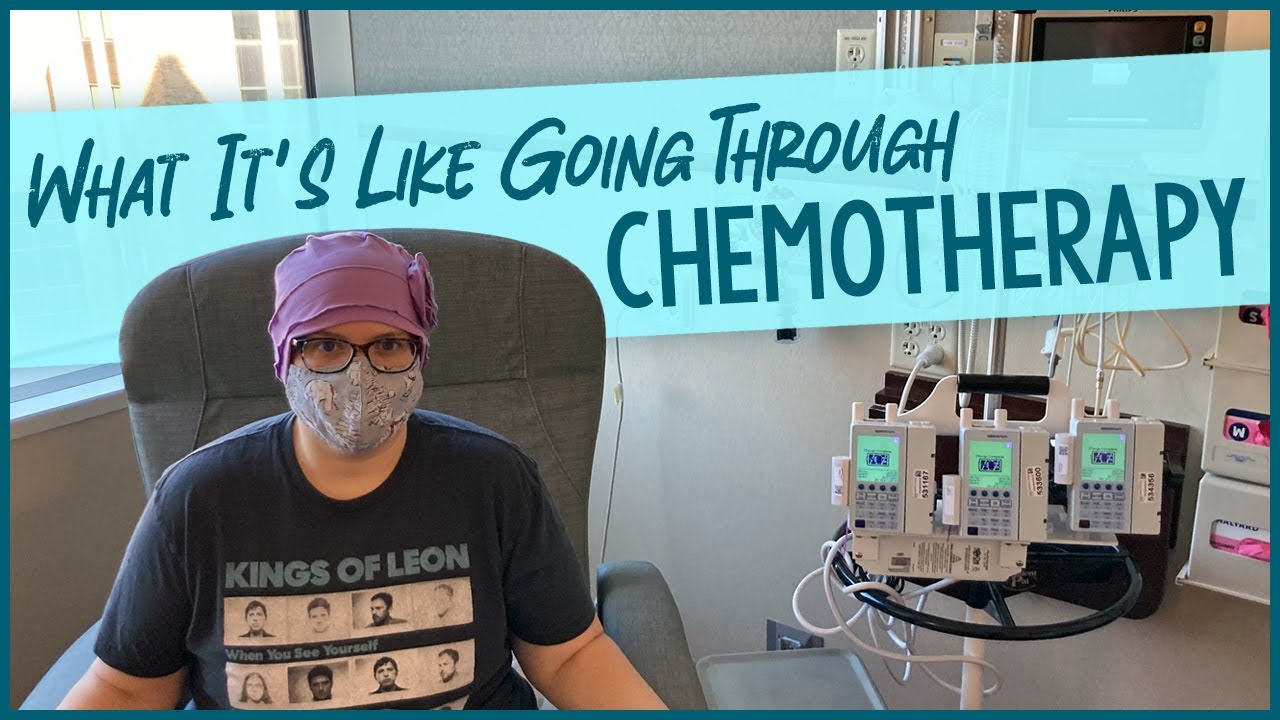
the origin of the cancer so whatever the cancer starts the origin of it and we could treat it by tumor reduction and it can be done through topical procedures or by destruction of the main arteries that provide blood flow to the tumor so if you cut supply if you cut the food chain whatever is above it it's not going to get fed so it's not going to continue growing we can do tumor execution which is can be open or an endoscopy as well we can do chemotherapy and it involves the administration of systemic or local
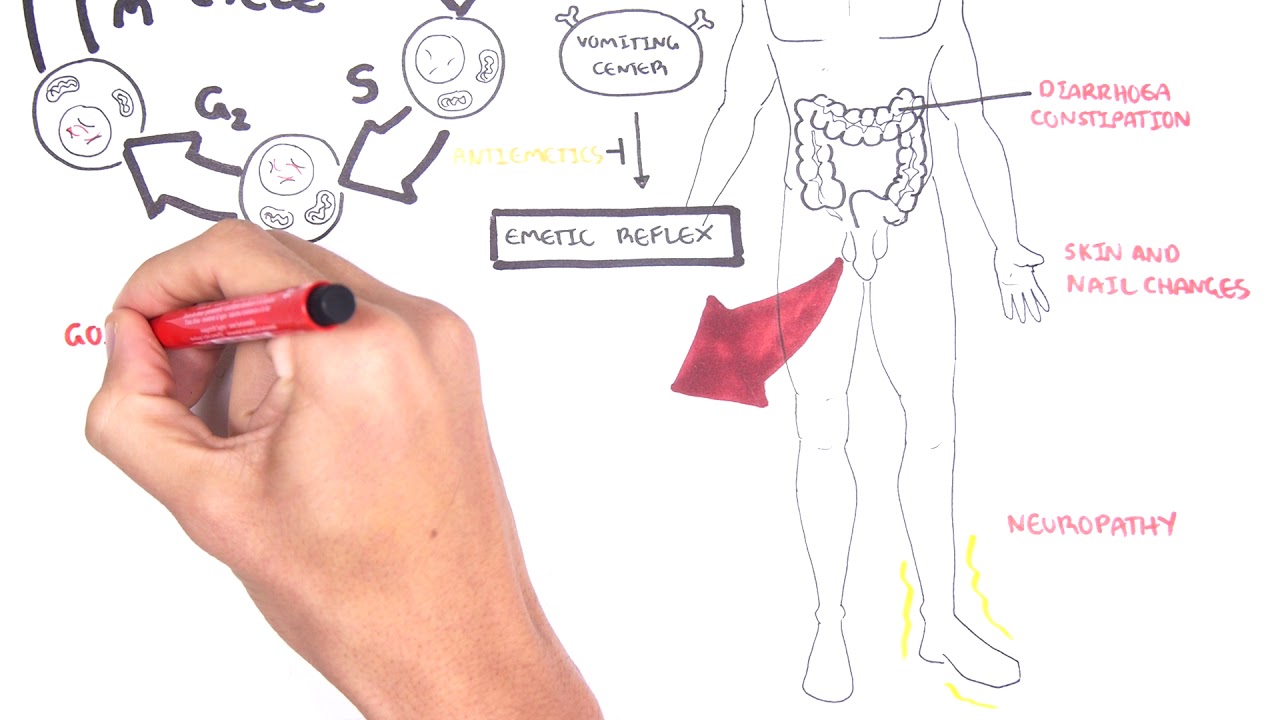
cister-toxic medication that damage the cell's dna or destroy rapidly dividing cells some of the complications for chemotherapy include cystitis mucositis right and what is this it's an inflammation of the mucosal membrane and for this we normally provide frequent oral care before and after meals we educate the patient to avoid mouthwash that contains alcohol or any glycerin so those lemon glycerin swabs if you see it in a question with a patient who has muco cystitis it's not recommended and they should rinse their mouth twice daily with saline and use a soft toothbrush and avoid foods that
could cause pain or damage the patient could also end up with anemia and anemia this involves a decrease in red blood cell count and we administer a protein alpha which increases rbc count and as well as ferrous sulfate which is iron because iron is the key component for red blood cells we encourage the patient to increase an intake in iron folate as well as b12 rich foods and we encourage frequent rest periods because if you don't have enough red blood cells you're not having frequent or the required amount of perfusion so you're gonna be tired
often malnutrition is also another complication and this could end up due to chemotherapy can cause nausea and vomiting which can lead to malnutrition and with this we administer a medics 30 minutes prior to therapy so zofran megastroll which is a appetite stimulant could also be administered so you give zofran 30 minutes before therapy and megastroll this is actually the it gives the patient the urge you know appetite stimulant so they can be able to eat we encourage these patients to consume a high calorie diet high in protein because remember protein helps with the healing process
and nutrient dense diet and to avoid consuming liquids with their meals so these are the patient you tell them eat your meal first then you drink your fluids in between meals not fluids with meals and for them room temperature or cooler foods are easier to consume so now don't give them too hot or too cold just warm food is good for them thrombocytopenia is another complication and this is a decrease in platelet count and for this patient since we have platelet decrease they're high risk of what bleeding so we place this place a patient on
a bleeding precaution we monitor for bleeding in what their stool their urine their iv sites and even after injections these are the patients we avoid giving them the injections unless and we hold for them normally you'll see for the test somebody who has thrombocytopenia we hold for at least 10 minutes not five and we educate this patient to use electrical razors soft toothbrushes and avoid blowing their nose so hard right because they'll blow their nose and they could even end up with a nosebleed and since they have thrombocytopenia they could bleed a lot and they
also avoid nsaids because nsaid have that tendency of causing gi blade they could also end up with neutropenia and what is neutropenia this is when we have insufficient number of neutrophils or a low white bliss cell count so with this patient since they have low count of white blood cells and what our blood what the cells are or white blood cells are the ones who fight infection so with this patient we'll place this patient on a neutropenic precaution this is the reverse isolation protective gear is placed on the patient so with this patient you're not
wearing the protective clothing it's revast it's them we are protecting them from getting an infection we administer filger stream which helps to boost neutrophil cow and when can we educate this patient on regular temperature checks because this could show us if they're getting an infection avoid crowds avoid consuming raw foods their foods need to be cooked cook the veggies they should avoid yard work as well as changing cart litter they need to wash their dishes and tooth brushes in hot water or in a dishwasher okay just to prevent this infection and also with neutropenia most
of the questions you'll see are fresh flowers fresh fruit now these patients no no for them canned fruits is better than a fresh fruit for them so let's talk about various therapies that we normally give this patients and we'll talk about radiotherapy so radiotherapy could be delivered through a teletherapy which is a distance treatment or through bronchy therapy which is short and close therapy so with this it involves ionizing radiation to target tissues and destroy cells we place the patient in a private room with the door closed and a warning sign on the door and
we have the nurse wear a dorsum mirror and a lead protective apron while preparing care or taking care of this patient you'll see a question asking you what is wrong with this nurse what did they do wrong with the radiotherapy they closed the door they carried lean and we avoid sharing things we leave whatever it is a blood pressure cuff everything will leave the poles the iv pulse we leave it in that patient's room and you can't move a dosimeter from one nurse to the other because we're not gonna know how much radiation this one
it's gonna be off so hormonal therapy so with hormonal therapy this therapy is effective against tumors that are supported or suppressed by hormones aging like breast and prostate they need estrogen and testosterone so this work wet with hormonal therapy so it uses biologic response modifiers which alter the patient's biological response to cancer tumor cells okay so antibiotics cytokinins and other immune substances usually produce by the immune system are administered to increase the body's defense against cancer photodynamic therapy so with photodynamic therapy this involves the injection of photosynthesized agent that is absorbed by all cells in
the body then one to two days later when the agent is in the cancer cell the tumor is exposed to the wavelength of light via an endoscope causing elimination of the cancer cell or size reduction of the tumor so with this photodynamic you inject something into the patient you inject this photo a synthesized agent and you let it get absorbed in the cells then when the patient is exposed to this wave length or waves right any type of the waves that they're using that cell either dies or it gets shrinkage supportive treatment this is the
assistance the patient requires due to altered body function or emotional and spiritual need and with supportive treatment it actually depends with the patient if the patient is religious if the patient is catholic if the patient is juiced we'd respect the patient we treat the patient as a whole we provide as much as possible to make the patient comfortable to reduce any stress factors because with increased risk factors these patients are not going to heal well so we help them with not only the emotional but also their spiritual needs that's it for this video see you
in the next one thank you for watching please like share and subscribe to my channel see you on the next one bye