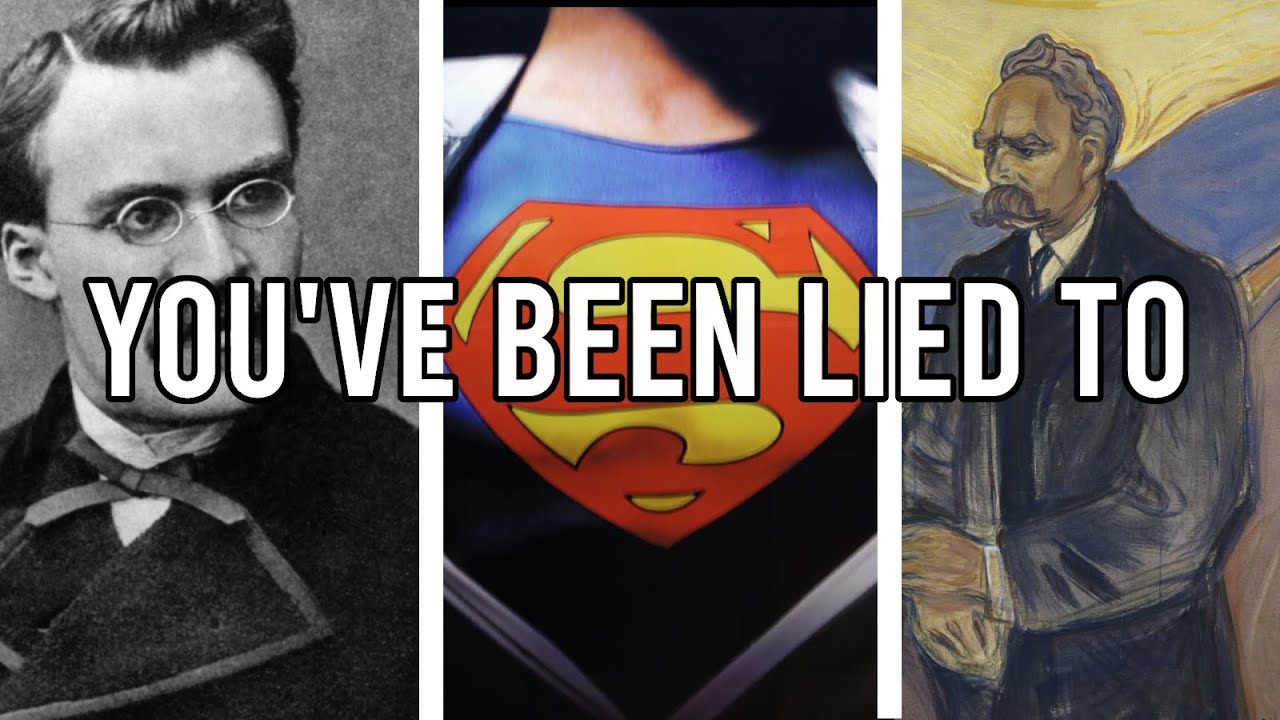
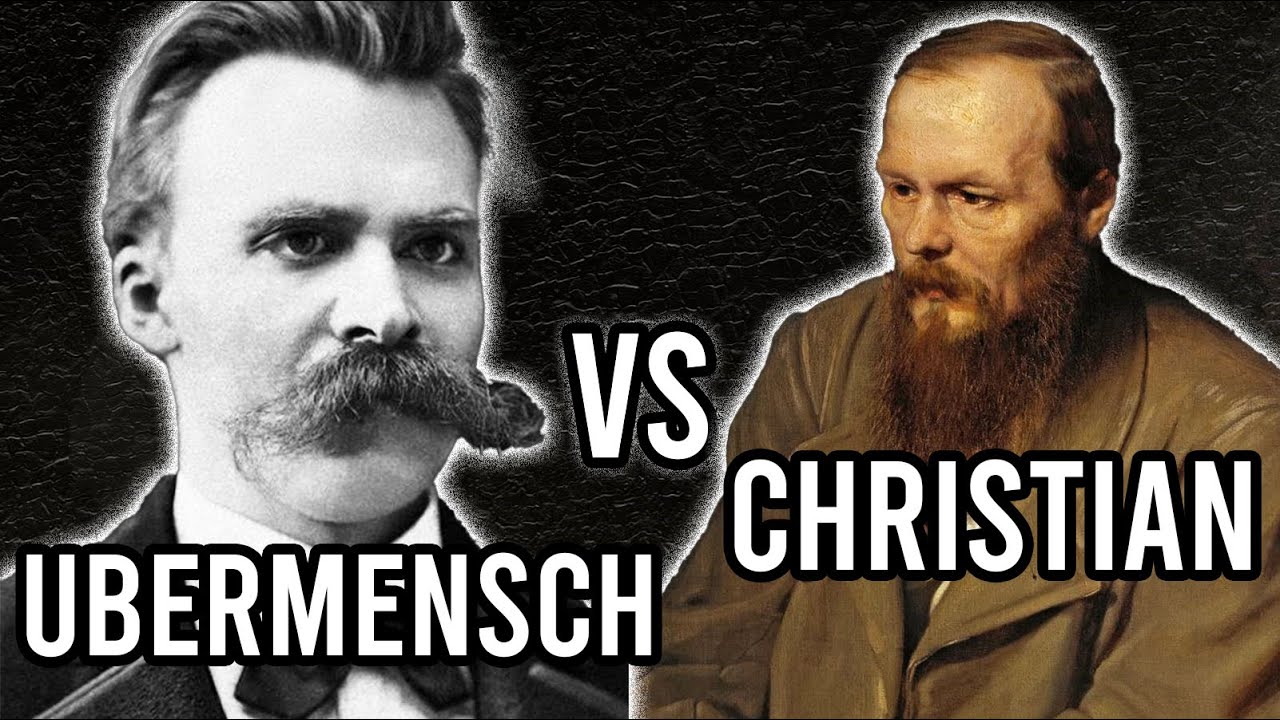
nature is a philosophical Legend beloved and reviled by academics political thinkers psychologists and very edgy boys alike he revolutionized moral philosophy and famously proclaimed that God is dead and we have killed him but what made him so clever well luckily n has two essays on that very topic entitled why I am so clever and why I am so wise they give an insight into the man's personal thought process as well as demonstrate how he missed his calling as the manager of his own PR firm so without further Ado here are five life-changing lessons from n's
why I am so clever one greatness out of suffering it is well known that n saw pain as a potential benefit to our character through all his work he Advocates turning difficult situations to our own advantage and using them as the grindstone on which we sharpen ourselves but nowhere is this attitude clearer than in why I am so clever n talks at length about his time suffering from an illness that left him bedbound and in extreme pain he could barely move and he was cut off from all life's Pleasures save one thinking n took the
opportunity afforded to him by his pain to hone his mind he would lay in bed thinking for hours gaining the strength to write just a few lines before collapsing back into bed for more thinking he describes his mind as razor sharp during this period of his life as if the pain itself was a stimulation to his genius in reality it was probably a function of practice left alone with no other options n spent every waking hour honing his philosophical thinking and this unsurprisingly produced philosophical gold there is an extraordinary amount of wisdom in this approach
we often face situations where we can't do what we want we might be injured and unable to play our chosen sport we might get dumped and be left alone we might lose our job and thus our financial Independence whatever it may be it is important to find the opportunity in the terrible situation I remember being incredibly ill for about 6 months a few years ago my condition had flared up and did not seem to be going down I was in constant dizzying pain and had no idea when it was going to stop much like nature
the only thing that I reliably had access to was my own mind so I spent the 6 months mostly doing logic and reading books I learned learned more in those 6 months than I had in years before and the thinking I did then formed the basis for my Master's thesis on logic later that year it's a far cry from Beyond Good and Evil but you know it's something whatever the situation There is almost always some way to turn it to your advantage or at the very least to minimize your disadvantage and if you want more
on philosophy and the art of learning then subscribe to my channel and my email list the link is in the description two constant reflection NE professors in these essays to exist in a constant state of self-evaluation and self-reflection he recognized that a lot of the values that we call our own are in fact just the default values of whatever Society we happen to grow up in N spent his entire career pointing this out and criticizing its consequences and this attitude carried over into his own life it was this self-reflection that allowed him to break free
from the default script of what a philosopher would do in 19th century Europe and it helps him write works so original they would still be groundbreaking if they were published today and this self-reflection is not limited to Grand philosophical projects reading each's essays you see just how carefully he considered what would help him think and what would be detrimental to his work he talks about his carefully managed diet how climate affects his brain and what sorts of activities stimulate new ideas and which produce ideas that are untrustworthy and upon reflection rubbish whether you're a budding
philosopher or not it is helpful to learn from this approach whatever you're trying to achieve be it in your studies your business or your relationships consider how the rest of your life is feeding into your progress towards those goals this can be as simple as asking if you're eating enough to meet your fitness goals all the way up to questioning what traumatic event in your childhood means you push away the people that care about you most without self-reflection we are stumbling around in the dark unaware that just a couple of hours of thinking would show
us the way forward three a few good books n loved to read but he also seemed to hate most books he found many books boring and frustrating making claims that he saw as either obviously true or obviously false he later found solace in a relatively small number of books he saw as truly brilliant and he would continue to read reread analyze evaluate and be inspired by these books right through to the rest of his mentally sound life nature was encountering an early form of information overload but he had no idea just how bad it would
get our situation is like an extreme version of nees think about how much information is out there to read watch listen to and digest it is more than we could take in in a thousand lifetimes now think about how much of it is false misleading or just irrelevant to your goals you will soon see that it is the overwhelming majority of it it is so much easier to produce hastily thought out information than carefully considered wisdom so here again we must follow in's footsteps and pay very careful attention to the information we're exposing ourselves to
Nature sometimes speaks of the information he takes in like a diet to stretch this analogy further we can consider all the content we consume merely for entertainment sake or that is misleading false or irrelevant as a form of intellectual junk food on the other hand information that is enlightening insightful and brings us closer to our learning goals is the equivalent of a warm home-cooked meal of course it's difficult to tell the junk information from the healthy information but this is a skill it is essential to develop in the face of such extraordinary information overload and
this is yet another lesson we can learn from n four abandon resentment and self-pity anyone who has read n knows he holds two states in the utmost contempt resentment or restim as he puts it and self-pity this is where we must face some harsh truths that not everyone will like self-pity gets you nowhere when was the last time self-pity made a situation better it is a paralyzing position to take it's essentially throwing up your arms and going well I don't know what to do about the situation so I guess I'll give up far from being
an act of self-empathy or self-care it is an act of self-sabotage cloaked in the language of a healthy vulnerability according to n a key component of his wisdom is his abandonment of this self-defeating State and it's worth mentioning that he did have a lot to be self-pitying about he was cripplingly lonely suffered multiple serious health complications and saw little commercial success in his lifetime despite all this he kicked against the temptation of self-pity like an angry horse and he says that he recognized that the only way was forward he saw acting out of self-pity as
losing your freedom to an undesirable part of yourself and vowed that he would not fall prey to the same disease that gripped the lonely and bitter all over Europe he likewise professed to have abandoned resentment resentment for nature was the poisoning hatred of those who are more successful than you be it in money or power or fame NE claims to have completely calmed this aspect of himself which he points out does no harm to the resented but an awful lot of harm to the Reser I am personally not sure how much I believe that he
fully abandoned resentment but there are certainly important lessons to take away here the more resentment fills your mind the less room there is for other things things that you're passionate about things that you're grateful for things that will bring you happiness in the long term living with resentment and self-pity in your heart is like trying to swim with brick strapped to your feet so abandon them at all costs five I'm all FY this is my favorite nitian concept loving your fate he takes after the stoics here who said that inner peace was found through a
calm indifference to the external world but n takes it one step further he advised that we passionately Love Our Fate we don't just accept it but embrace it with both arms kiss it firmly on the lips and take it on a romantic picnic for two this was n's great antidote to the evils of his world and it can be ours as well n recognized that it's so easy to say no to life when times are hard we can fall into Despair and believe that life is not even worth living he even conceives that this can
sometimes seem like the rational thing to do and it may even be the rational thing to do on some occasions but he frankly does not care this is not an attitude that will bring us fulfillment or allow us to live by our own values it will make an already unpleasant situation even worse and for what the false wisdom of an avowed pessimist n encourages radically saying yes to life whatever happens he says we must love both the Bad and the good we must find excitement in the chaos of tragedy a sense of accomplishment in the
evils that we bear and a love of solitude in the face of romantic rejection far from being a half-thought out edgy nihilist n Advocates this Carefree loving attitude to life and that is part of what makes him such an original and Brilliant thinker part of why he kept writing endless books despite no critical Acclaim and why he changed the face of philosophy forever it is certainly a big part of why he is so clever subscribe to my channel and my email list for more on thinking to improve your life