but we're going to begin this hour with a not so Bravo topic we're talking about jobs uh and a major hiring crisis a problem really bigger and older than the great resignation you've heard so much about it's a problem you're not going to find in the unemployment rate which is of course that near record lows and it's because a large number of American men in particular men in their Prime working years are actually not working and they're not even looking for work the result is a bit of a mystery and also a major hole in
the American economy my name is Mike Rowe and this it's my job of all the jobs he's done over the past 20 years now get ready to get dirty and Mike Rowe has done them all as a host of Dirty Jobs on Discovery from from She's the dump oh now it's dirty jobs isn't it the hoses that suck cheap he's never claimed to be an economist thank you but while taping the series during the Great Recession of 2008 he did notice something important to get all anybody was talking about was the number of people who
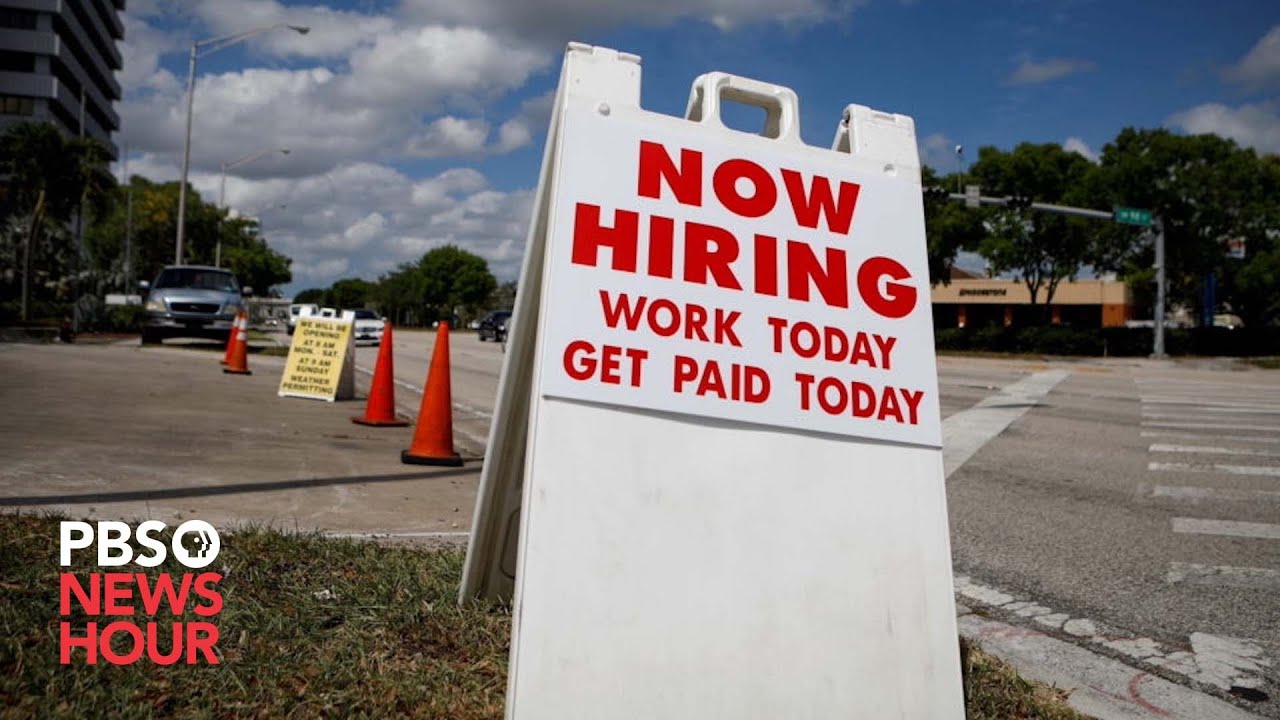
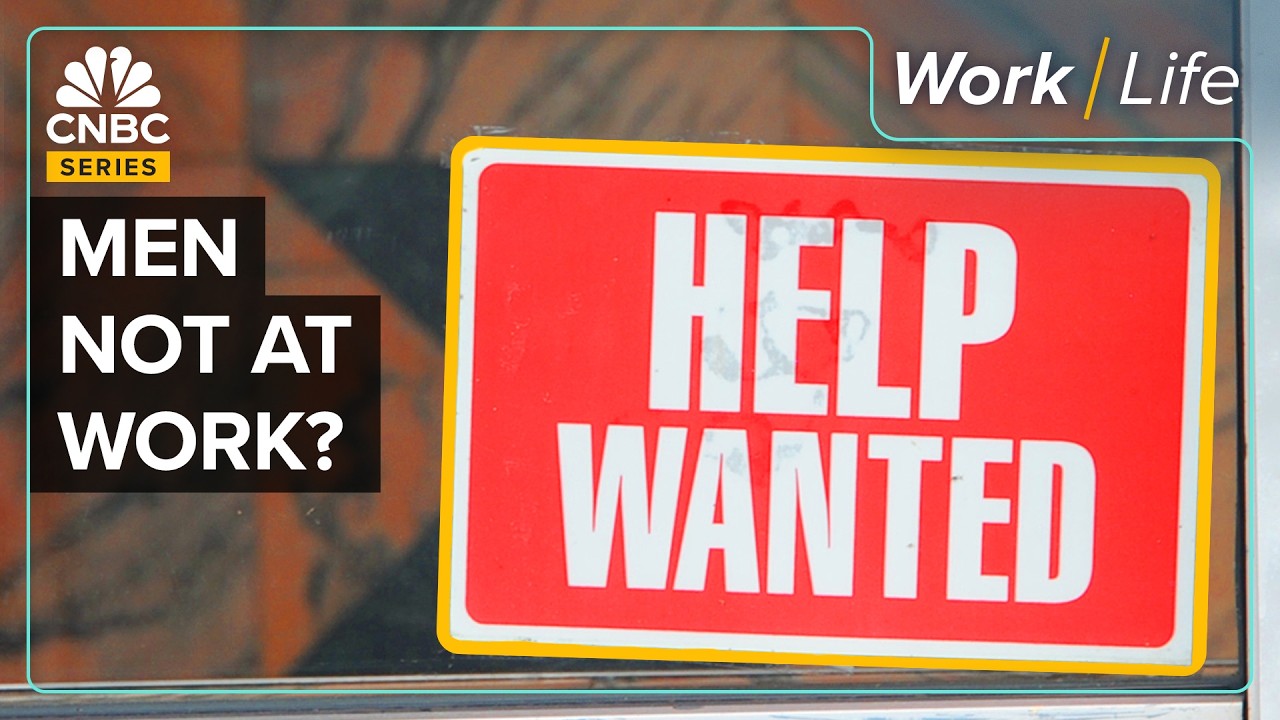
are out of work but on Dirty Jobs even then everywhere we went we saw Help Wanted signs it turns out dozens of real-life economists and other researchers have a possible explanation a long-term decline in male labor force participation or as one Think Tank summarized it men not at work this is a men Problem by and large right seems to be look back to the 1950s and 98 percent of men in their so-called Prime working years had a job or were looking for one that number has fallen ever since to the point where today more than
7 million men have essentially dropped out of the workforce we've given a lot of people a lot of options and Incredibly one of those options is do nothing do nothing Rowe and I met at Empire metal a fabrication and finishing shop in Queens New York and where much like manufacturing shops Nationwide finding skilled workers like these is a growing challenge we have more jobs than we have people four about one and a half jobs for every one worker Jay Timmons who leads the National Association of Manufacturers describes all this as a profound problem for the
companies he represents 99.9 percent of them will say that their number one challenge right now is being able to fill those open jobs so you are here as a representative of more than 14 000 manufacturers in these United States and the number one problem for 99 out of 100 of them is filling jobs yeah I never thought I'd be able to say that but now it's kind of an all hands on deck we've got to fill these jobs that are open and there are nearly 800 000 of those jobs open right now according to the
latest Federal counts a number that surged in recent years as companies reinvest in American-made products or try to anyway and with manufacturing workers earning more than thirty dollars an hour on average Timmons says the problem is not pay but perception used to be dirty dark and dangerous today it's very Sleek it's very technology driven and that's what we saw when we visited electrosoft a company outside Philadelphia that makes circuit boards for everything from missiles to submarines so over there is the quality area where we do first piece article testing final testing but CEO Carla trotman
says they could be doing more if only she had the workers to do it how many people work here right now 30. how many people do you wish worked here right now 45. so you have 15 people that you have jobs for yes but you can't find them cannot how much money in Lost business is there in not being able to hire the people that you want around 5 million in top line revenue five million yeah that would be here and that presumably you'd be paying taxes on obviously and that would go into people's pockets
and would be going out in a broader economy yeah what is your theory about where those 15 people are right now I honestly have no idea where they are she suspects some people may be sitting out because of a recent change in the way many of us look at work I think it's fulfillment I think it's culture I think people really want to feel as though they are appreciated I mean Beyonce's song she said release your job a lot of people release their jobs you know and they realize I mean it's an overall feeling of
being fed up yeah and being taken for granted but there's more according to one Economist some non-working men face a skills mismatch a third have criminal records making them ineligible for many jobs and making employers hesitant to hire them and many rely on safety nets such as disability so you may wonder what are these guys do doing instead of work well kind of what you might expect spending nearly seven hours each weekday on average relaxing playing games and watching TV so how is it from where you're sitting from your understanding that people can do nothing
all day and still have enough money for a bag of chips oh well it's almost as though some entity is paying them it's almost as if somebody is not letting them fail it's as if some giant parent somewhere has an uncle maybe could be a rich Uncle yes could be a very wealthy uncle or it might come down to values as many public schools have stopped offering shop class many students have stopped even considering jobs like the ones row is spotlighted dirty or otherwise it goes back to the stigmas and stereotypes and myths and misperceptions
that are keeping guidance counselors from talking about opportunities like this to the kids in their care it's those things that are keeping parents from putting all the options on the table how big of an issue is it to have this many people sitting on the sideline it's only a matter of our national identity I think it's a giant issue and by the time we realize how big an issue it is we're gonna have a hard time turning the temperature down fascinating story seven million men and they're watching seven additional hours I was going to say
that relaxing yeah that figure got me are the women in their lives or their Partners in their lives working so this is where it gets a little bit political people on the right will say these guys are just living off government largest they're getting disability they're benefiting from Aid and that's got to be reformed and people on the left say they just need to be trained up and yeah in the meantime they're living at home or they're depending on Partners you you mentioned this uh skills mismatch and it just made me think you know my
grandfather was a machinist which is a highly skilled job not anybody you have to be trained to do that and I don't know a lot of machinists now uh in in 2023 and I wonder if people are being trained for that and he mentions Mike so micro has a foundation called micro Works where he does give people scholarships for that kind of training that's part of the issue but like Carla trotman the woman in Philadelphia runs the uh circuit board manufacturing facility she'll train you herself if you're in the Philadelphia area they're looking for 15
people there it pays well it's a nice clean quiet place to work um so go there uh by the way some people think oh maybe these guys are doing more stay-at-home dading that's an optimistic they're not you I looked at the numbers Shauna Thomas our executive producer brought this up in fact these guys who are not working and not looking for work are spending less time caring for other household members than the guys who are at work so they're doing less child care not even a little bit more I don't know but an able-bodied man
who can work and doesn't it's not attractive not attractive and on that note okay I'm just saying saying for a friend