no offense to everybody else a we're start with the scientist dr. marvel just I think the the question here is how do you how do you how do you explain the urgency to Americans right that has been I think the challenge and I think it came through during the Michael Bloomberg interview explain the urgency of what we're facing oh my gosh I wish I knew I wish I had a good answer for this because as scientists what we want to do what we're always tempted to do is show more data and more graphs like there's
gonna be some magic equation that's gonna convince everybody and there isn't you know I don't think that a lot of the reluctance to accept climate change I don't really think that's about the science I think that's about values I think that's about the sort of deep story of how people see themselves so I think it's really important for scientists to go out in communities engage with what's important to people in communities you're overwhelming messiaen spheal is overwhelming I'll be honest it just does is there a way of figuring out how to prioritize I mean the
challenge that's the thing it is overwhelming because we are talking about something that affects the planet that we live on we're talking about global warming but we're also talking about changes to rainfall patterns changes to extreme events like heat waves and floods and droughts and hurricanes so it should feel overwhelming because it is overwhelming I think and you've traveled the globe for us to try to show us what's happening not just say what's happening show us and we're doing our best to show pictures and that's important because I always liken climate change to cancer they're
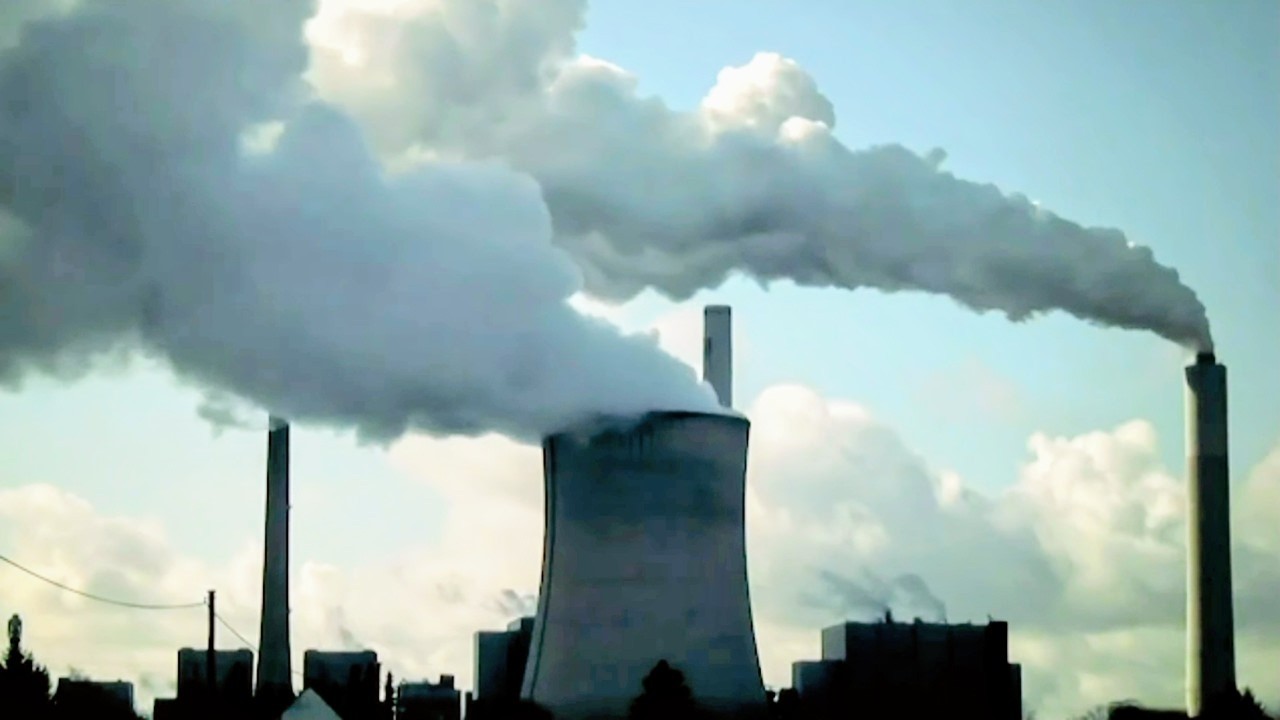
both such huge issues they're really hard to get your head wrapped around it if you will but if you look at pictures take a trip to Glacier National Park out in Montana in 1850 when the Industrial Revolution started we started burning coal and sending greenhouse gases in the air there were 150 glaciers in that National Park today there are 26 and they're in danger of losing those 26 they're really threatened if you look at things that we just know are happening around us growing zones are moving north fish are migrating north to get to colder
we're seeing changes here that's what convinces people that it's happening and I think the reason why we're seeing more people believe in it today is because we're now starting to live climate change in real time in the United States well speaking of that real time I think it's the financial impact that maybe will start sparking things the National Climate Assessment had said the following with continued growth in emissions at historic rakes annual losses and some economic sectors are projected to reach hundreds of billions of dollars by the end of the century more than the current
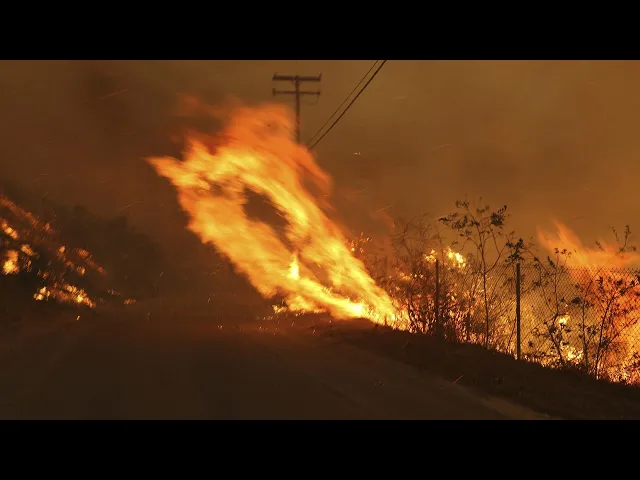
gross domestic products of many US states and just to put a finer point on this look at this year's these are just headlines quickly this year alone disaster does the cost of three disasters hurricane Michael 25 billion insurance claims for the California fires were up to nine billion fifty billion for Hurricane Florence Craig Fugate if you can you convince people with dollars and cents I don't know if you're gonna convince them with dollars and cents by I think you can convince them with just a sheer frequency of the events that are occurring I mean think
about every time they say this is a record-setting event almost all of our practices of how we prepare for disasters is looking at the past to prepare for the future is not working and look at all the money we're spending it and the thing I like to remind people when FEMA spending money that's for uninsured losses we've seen when the largest transfer in the last 20 years from private insurance to federal programs like FEMA HUD the National Flood Insurance Program this is like organizations like the Pew Charitable Trusts is actually looking at the policy of
why are we growing disaster risk in the face of climate change with policies that in sanitized growth we're still providing flood insurance right for people who build in a flood zone we shouldn't be doing that and we just reauthorized it and punted again there's a lot of things we needed to a flood insurance I have one simple answer why don't we stop writing flood insurance for people in flood zones and let the private sector insure it and if they don't why is the public insurance all right so if dollars and cents won't do it what
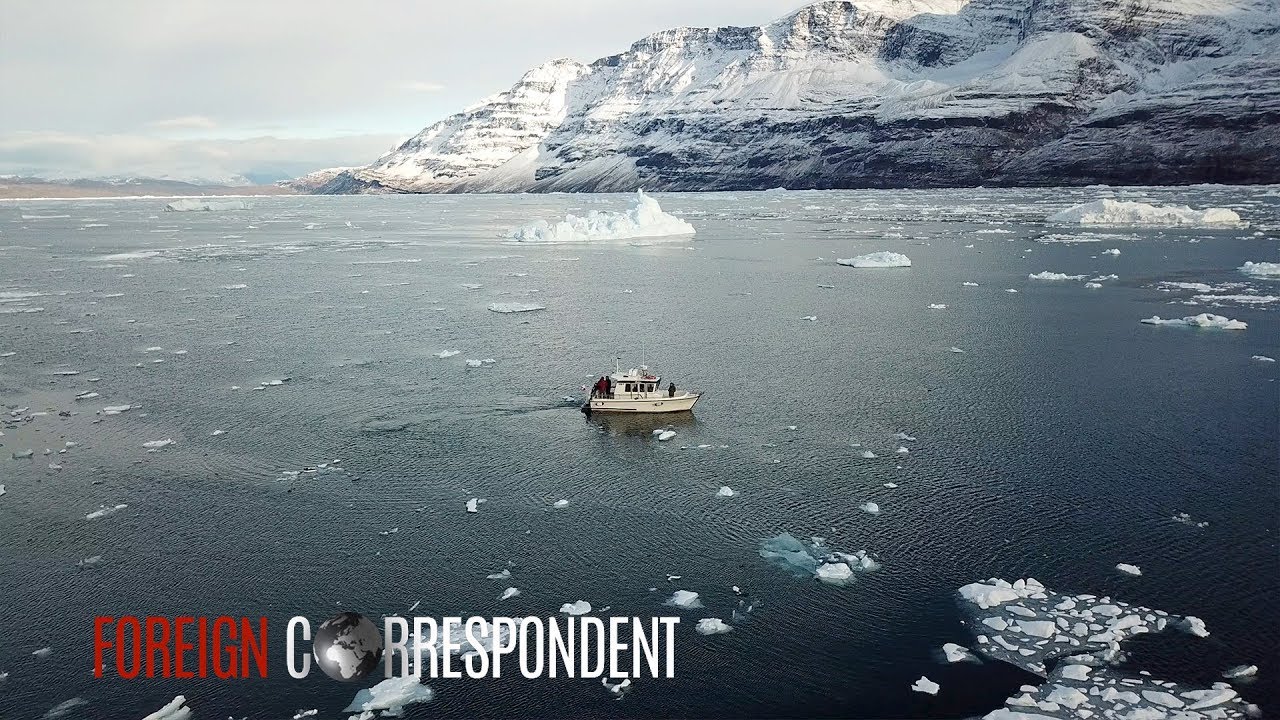
about national security Michele Flournoy well it's interesting because I think there is a very strong consensus in the US military and in the national security community that climate change is real this is a sort of pragmatic clear-eyed view and for the military they see this as leading too a change in their mission more humanitarian assistance disaster relief missions abroad and at home they see the melting of the ice cap in the Arctic that's going to open up an area of strategic competition with both Russia and China this pause Entebbe just I don't want I don't
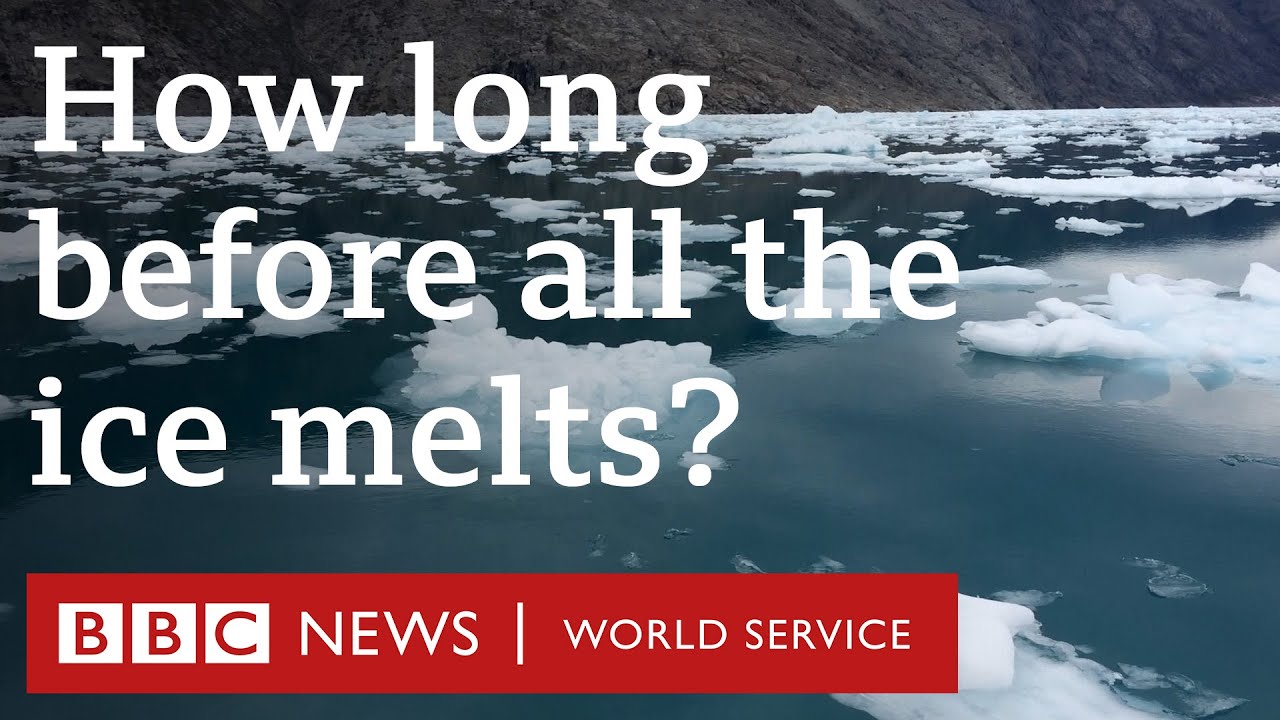
want to gloss over that so here we are worried about what the melting ice sites are going to do to our life meanwhile it's gonna become a military fight absolutely there's gonna be new channels of Commerce and and China and Russia have already kind of staked claims and made it very clear they intend to contest the space but it's also an infrastructure problem for the military more than half of US military bases and bases overseas are estimated to be severely impacted by climate change either severe weather and/or flooding that's our ability to project power overseas
that's our ability to operate our US military 50% of the facilities we're going to be affected and we would have to read it think about the cost of Defense that it is today look at $10 for space and got hit by you know Michael you had f-22s and hangers that were destroyed and think I'm a few of those we have alright as you can see here I was trying to make a point here can the economy do it can a tional security do it maybe the state of Florida can do it the most important state
in presidential politics Carlos corbello if if if Floridians change their mindset on this it may force the country I want to put in a few stats from that National Climate Assessment there's a 1 in 20 chance that nearly half a billion dollars in property value in the state of Florida will be under a sea level before the end of this century and then I got a play for you this this is our hometown not just your hometown my to Miami what a University of Miami jealous had had to say about this take a listen I
think somewhere later in a century Miami as we know it's going to be unlivable so in reality in South Florida we're just gonna be leaving we don't have the problem you you up in Orlando you better set aside your ground water resources and you better plan for us you really better plan because we are coming does Florida change the country's mindset on us it can because it's where the effects of climate change are most evident so we get tidal flooding in South Florida on the floor keys we get tidal flooding kids find what that is
so King tide comes meeting lunar cycl the tide is the strongest and our roads literally flood this once a month that's right no rain no anything that's okay I just want to remind people what is big threat to our drinking water supply the Everglades houses all of the water for South Florida as the salt water comes in it threatens that drinking water supply ocean acidification as we get higher carbon dioxide content in the ocean that kills our reefs which of course reaps is essential to ocean ecosystem so I think the point and made is so
important we need to stop covering the debate and start covering the story so that people see that this is real and so that politicians take a more pragmatic approach and find solutions that are actually achievable and if you think those high tides bother you once a month wait till they happen every day and that's what the reports say if we don't do something about cutting our greenhouse gas emissions that's gonna happen and it's not just gonna happen in Miami it's gonna happen in Virginia in Newport News and where the naval bases are and they're already
dealing with that height that every day or that high tide flooding and it's gonna affect places like New York and Boston and Cape Cod and work New Orleans we're gonna have big problems what's AII live in New York and the subway is projected to flood every five years by the middle of the century and every year by the end of the century I don't want the subway to flood you think it's miserable laughs right I mean this goes back two thousand twelve hurt superstorm sandy makes landfall we're flying up to go see Governor Christie and
President Obama turns to me it says Craig the debate about climate change is over we have to start talking about app that tation right and this is what's really hard we've built so much infrastructure with life spans and financing over the span we always thought this was going to be something 50 years away it's now and we haven't built for this and the change in the build for it while we're still denying it we're losing what what's the lie I mean the displacement of Americans how many millions of Americans right now live basically in an
area that could be unlivable in 50 years we're talking millions right dr. mark many many because the thing is it's not just floor it's not just coastal communities warm air holds more water vapor and so that means even if you live in the Midwest you're going to see increased downpours the rain is really an agriculture the consequences are significant you know we are a pretty strong economy we're a very powerful nation think of all the countries that are going to experience massive population movements and have no wherewithal whatsoever to deal with that kind of pressure
and the instability and conflict that back okay do you see how overwhelming this feels and that's why I guess dr. Marber let me ask what's the one thing we could do right now I mean that's what I think everybody wants a give me one thing so the thing that I actually find kind of perversely comforting is the fact that we know exactly what's causing this can you imagine if this were a natural cycle that we didn't have any control over but we know exactly what's causing this it's us its greenhouse gas emissions that we are
putting in the atmosphere and as a scientist I can tell you let's not do that anymore really it's just about those guys these guys no offense well yeah and I'm not a scientist that's that's a phrase it's been using the past by politicians but I do know this there are two halves to this right mitigation which means we reduce carbon dioxide emissions an adaptation where I think we're starting to make some progress in the Congress investments in coastal infrastructure that will protect properties and will protect people from from these effects all right well we've we've
done a lot on the science and a lot of the impact later I want to get into sort of some practical ideas including the carbon tax is that the right way to go hey NBC News fans thanks for checking out our youtube channel subscribe by clicking on that button down here and then click on any of the videos over here to watch the latest interviews show highlights and digital exclusives thanks for watching