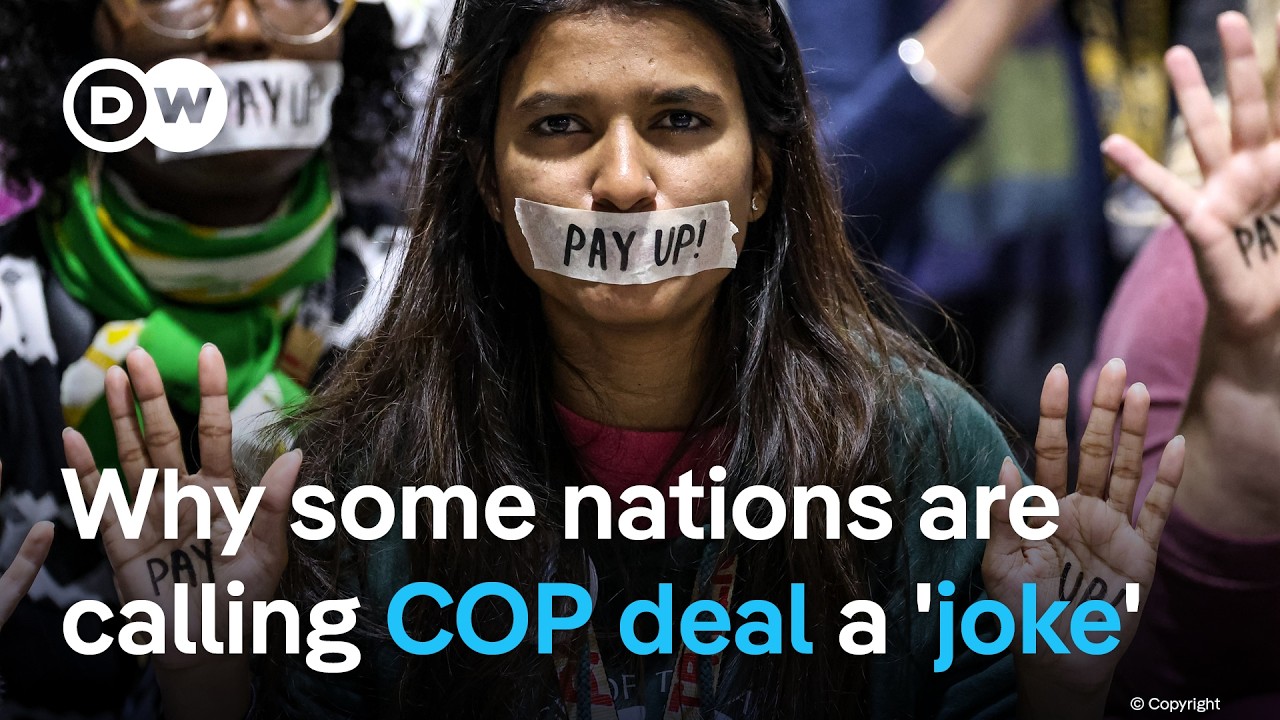
now just a day after the massive United Nations climate conference wrapped up in aaban delegates from 175 countries have now gathered in South Korea to hash out a treaty on global plastic pollution as the event kicked off today familiar divisions have Arisen suggesting that deal making is going to be a difficult task countries that bear the brunt of plastic pollution are struggling to reach agreement with petrochemical producing Nations like China and Saudi Arabia now the amount of plastic waste produced globally has been climbing sharply and if it's left unchecked scientists say it could double or
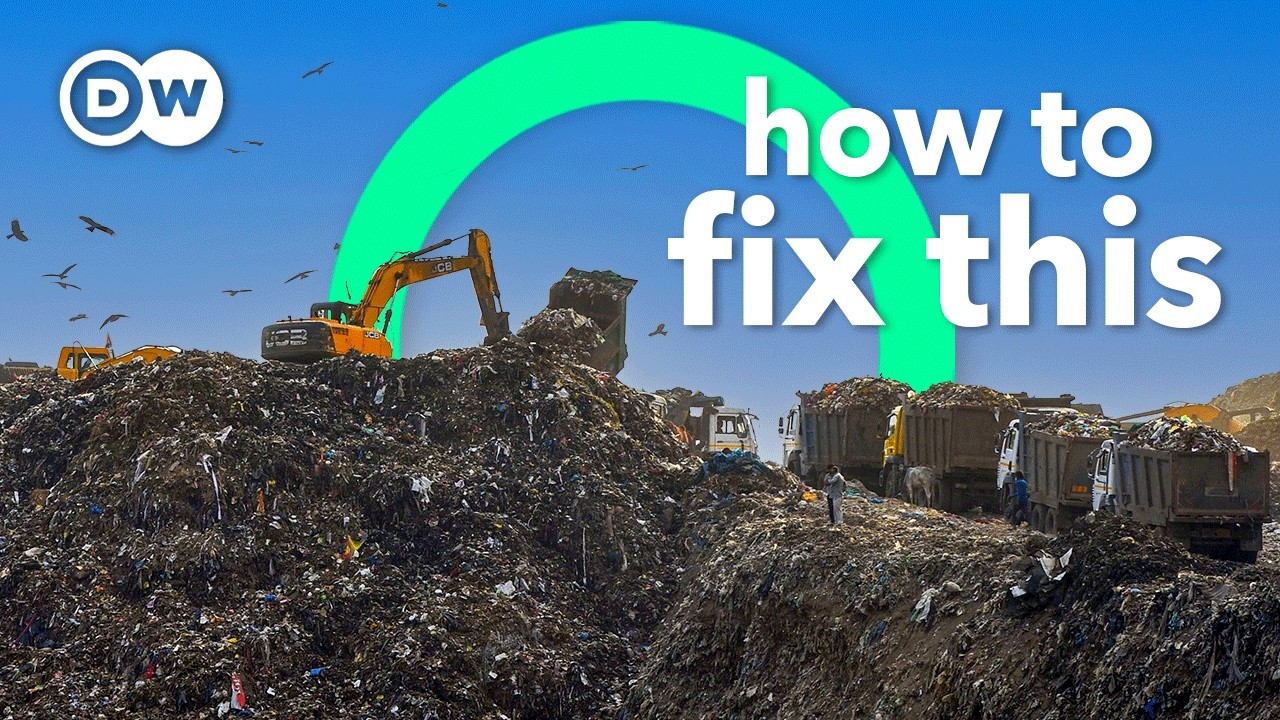
even triple over the next decades right now it is thought more than 52 million tons enter the environment each and every year India is the most plastic polluted country in the world with 9.3 million tons being released annually it's followed by Nigeria with 3.5 million tons then Indonesia with just over 3 million closely followed by China and Pakistan so it's a problem that needs urgent attention here's what's being said as those talks get underway in South Korea this conference is about far more than drafting an international treaty it is about Humanity raising to meet an
existential challenge this is your chance to craft an agreement for the the ages one that could deliver a thousand of years free from plastic one that at the end of this week the gabble must come down differences in views still remain on key issues including plastic production controllable Plastic Products and chemicals the decisions made here will determine whether we confront the Plastics crisis with the ambition it demands or allow the fossil fuel and petrochemical interest to derail progress a weak treaty is a failed treaty for more on this we can bring in Julia Kini she's
a senior attorney with the environmental health program at the center for international environmental law she's joining us now from Geneva Julia welcome we have been talking about global plastic pollution for a long time how bad is this problem thank you so much for the invitation and the problem as you showed it's big it's huge and it's growing uh as you said the estimates that are that plastic uh production could triple by 2050 if no action is taken and uh I've seen that you show the statistics about plastic waste but that is really just the end
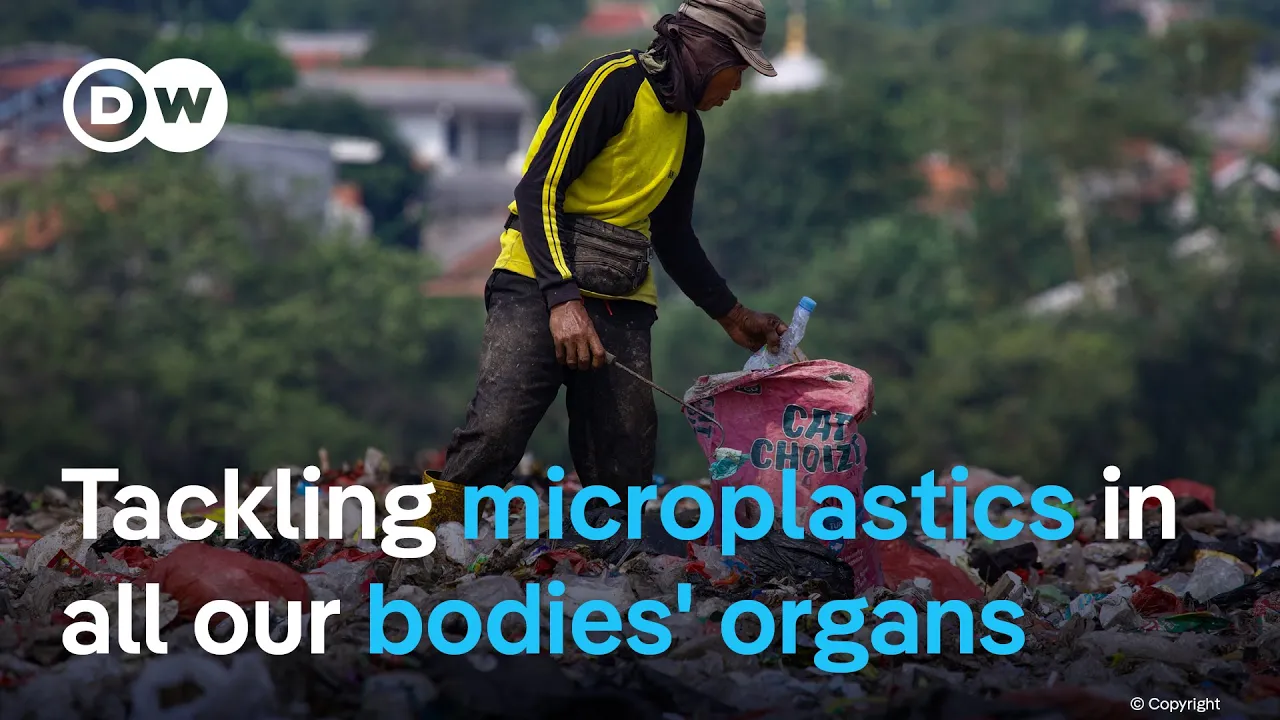
of the life cycle and I'd like us to think about Upstream who is producing plastic and who's profiting from it and uh for decades the Plastic industry industry spent Millions uh in campaigning and advertisements making us think that we could just recycle plastic waste uh even if they knew uh that it was a m and in fact if we look uh at the current crisis um if no action is taken it will get worse not just in the environment which is the most visible part of plastic pollution but also for human health scientists have been
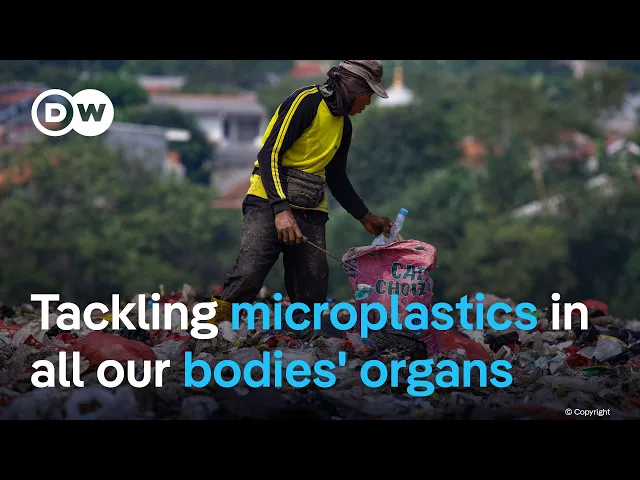
find find ing microplastic in our bodies uh in all the major organs they're looking at the latest findings are that Micron nanoplastics have been found in our lungs um in our blood and in our brains uh and so we should not look just Downstream at the waist but really Upstream to tackle this uh both environmental and Health crisis to really stop it at the source turning off the to of plastic production so obviously a real sense of urgency but a world treaty to curb plastic waste sounds ambitious what are the prospects of actually getting a
deal done and and how enforceable would an international treaty be the stakes are high uh and indeed it's not an easy job and that's because of the economic invested interests that there are behind um as you mentioned uh and I was showed in the video there are links between uh the Plastic industry and the fossil fuel industry because 99% of plastic originates from fossil fuels from oil and gas we can learn from previous agreements uh like the Paris agreement on climate and we know what we need for a plastic treaty to be effective we need
legally binding obligations from States not just voluntary measures and uh we need from a procedural point of view uh governance that doesn't allow just a DET to power uh by one or a few countries with vested interest that want to derail progress but potentially a possibility to vote uh in this future treaty to uh continue and to move into the implementation and just three key examples of obligations that will be needed to make it implent make it implementable are a cap on plastic production a ban on the toxic chemicals that are used in plastic and
affect our health and a financial mechanism so money to make sure uh it is implemented once into Force there's also a huge plastic waste problem in our oceans how do you get Nations to work together to clean that up when it's not in their National Waters anymore that is just the end of the cycle and it is indeed a problem but if we just focus on cleanups we will get more and more this vicious C circle of cleaning up and having new plastic waste in the environment that is why it's crucial to act upstream and
to regulate to cap to reduce the production of plastic otherwise it would be simply impossible to manage the plastic in the environment it's already possible right now and the situation will just get worse with uh this plastic production uh that will keep growing according to the estimates if no action is taken mhm just briefly Julia why are governments so reluctant to act on single-use Plastics plastic packaging I mean people are adaptable aren't they I mean surely they could get used to Alternatives yes people are adaptable and I wouldn't blame consumers for their choices where sometimes
they do not even have the choice the issue is a no production of plastic and again we go back to who's producing plastic and who's the source who's profiting and we have fossil fuel companies who are extracting oil and gas and producing plastic and profiting from it uh so we have the same actors that are hampering progress uh in the climate spaces that are also coming to the plastic treaty negotiations in fact earlier this year uh at the previous round of negotiation we saw a 40% increase almost uh of fossil fuel and uh uh climate
industry lobbyist coming to this negotiation compared to the previous session we still need to I'm so this week I'm gonna have to interrupt you Julia because we're out of time but thank you so much Julia Carini from the center of for international environmental law