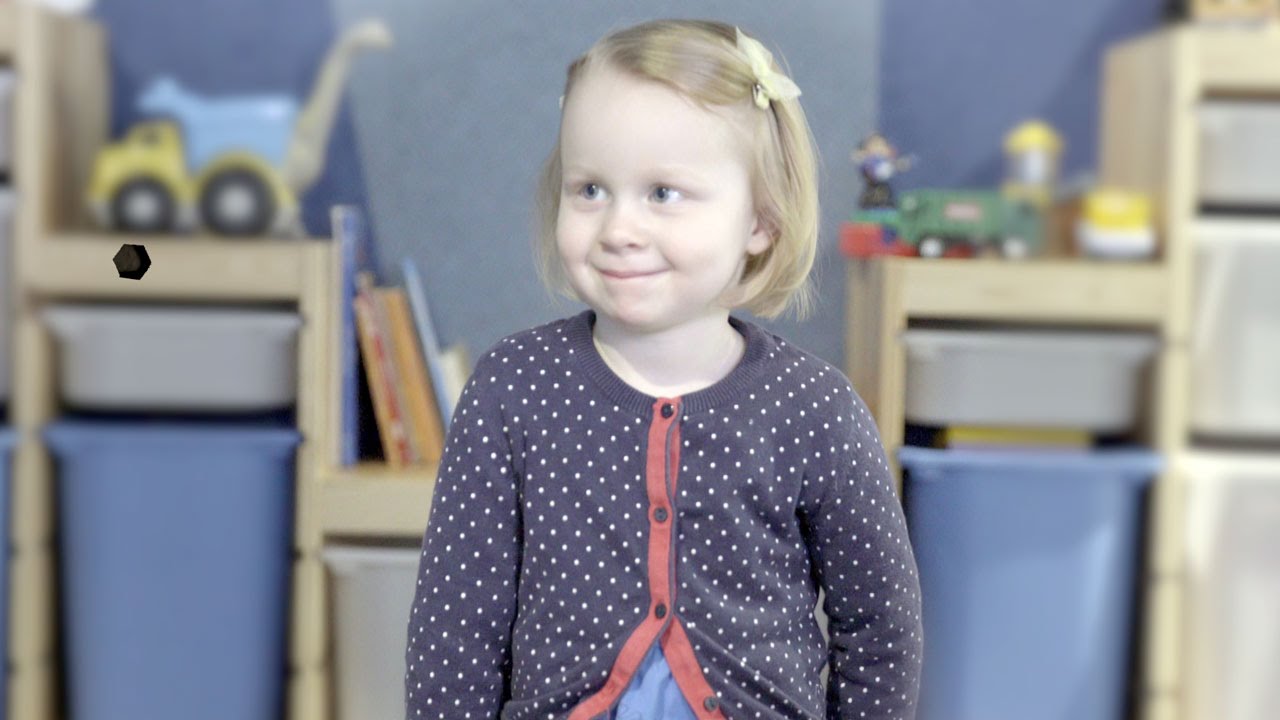
[SOUND] >> Stanford University. >> This is a truck. >> There's this basic question in cognitive science, how do we become who we are?
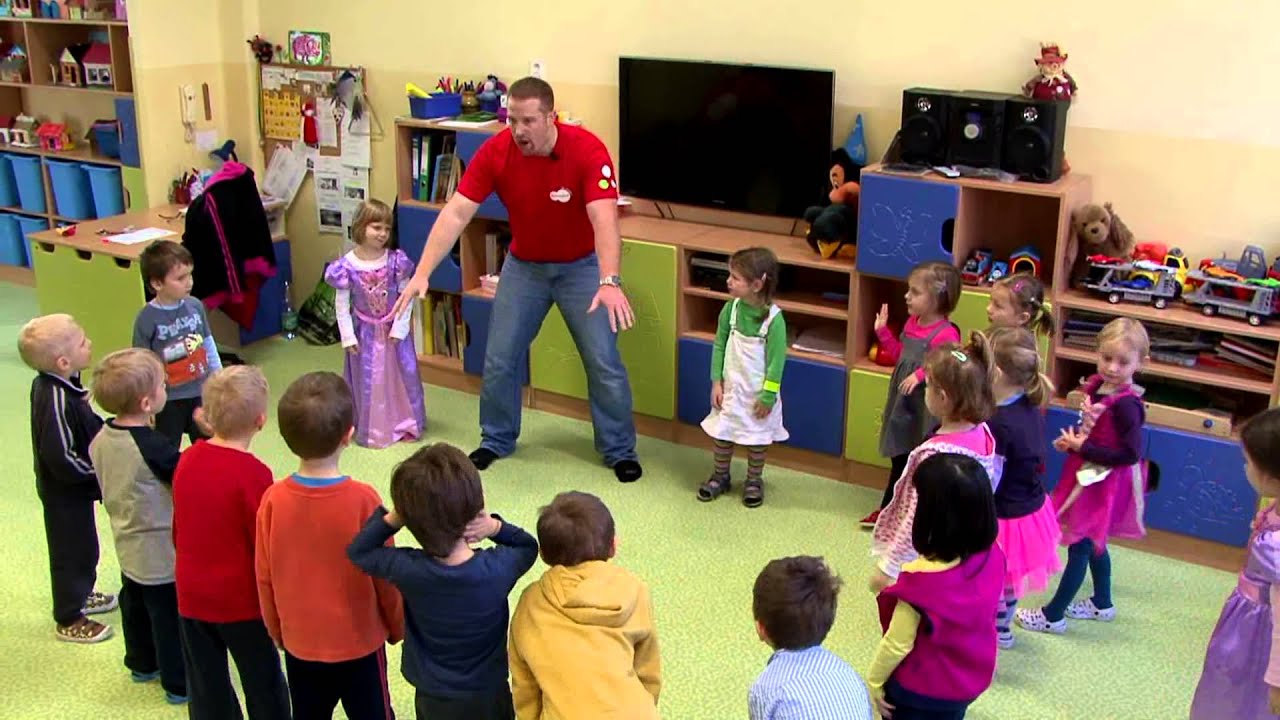
How do we become human? And one key moment in that transition is from a baby who can't speak, can't use language, can't understand language, to a toddler who knows very well how language works and uses it all the time to push people around and get their way in the world. And so, that is the transition I'm really interested in, how do we figure out how language works and how do we grasp the rudiments of language?
>> There are so many mysteries still associated with how kids go about taking like the huge amount of information that they get from the world and spitting out eventually accurate language. >> What we do is focus on early language learning via a bunch of different interlocking methods. So we really try to triangulate what abilities are involved in language learning, and how language learning happens in different environments.
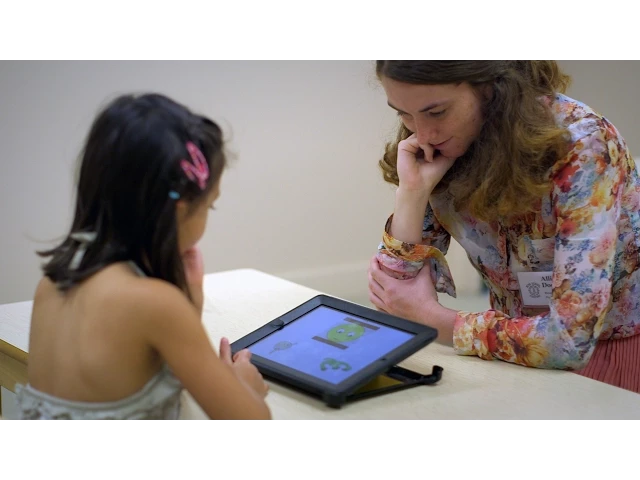
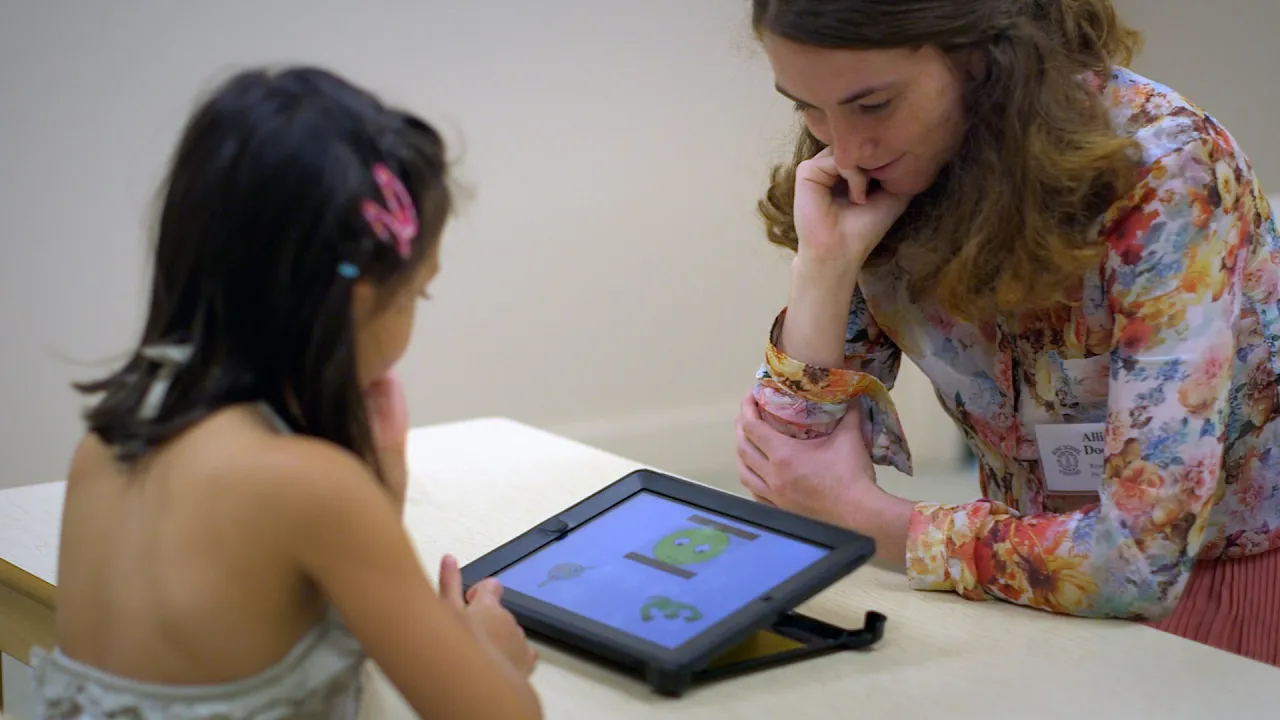
>> I'm studying what I'd call a sense of numerosity or quantitative competency in young children, in infants ages one to four. We're testing their ability to discern that different quantities are greater or less than other quantities. So, can they tell that three is more than two?
Can they tell that four is more than one? >> We're looking at the effects of social cues, if you were to stare very pointedly, would that make it more likely that I learn that word more quickly? So right now what we're doing is we're having a, a little animated face look at the object for different lengths of time and seeing if that affects the way in which people pick up the words and the reference.
>> It turns out that the language exposure you get early on in life is really critical for your later language proficiency and your school performance. There's really this cascade that starts very, very early. So, a better understanding of how kids learn words can help us intervene in a lot of cases that we care about.
Cases where kids aren't getting enough or rich enough language input. Cases where they have developmental disabilities, autism spectrum disorders come to mind. So, in order to design the best interventions for those cases, we really need a, a good theory of how kids learn.
[SOUND] >> For more, please visit us at stanford.