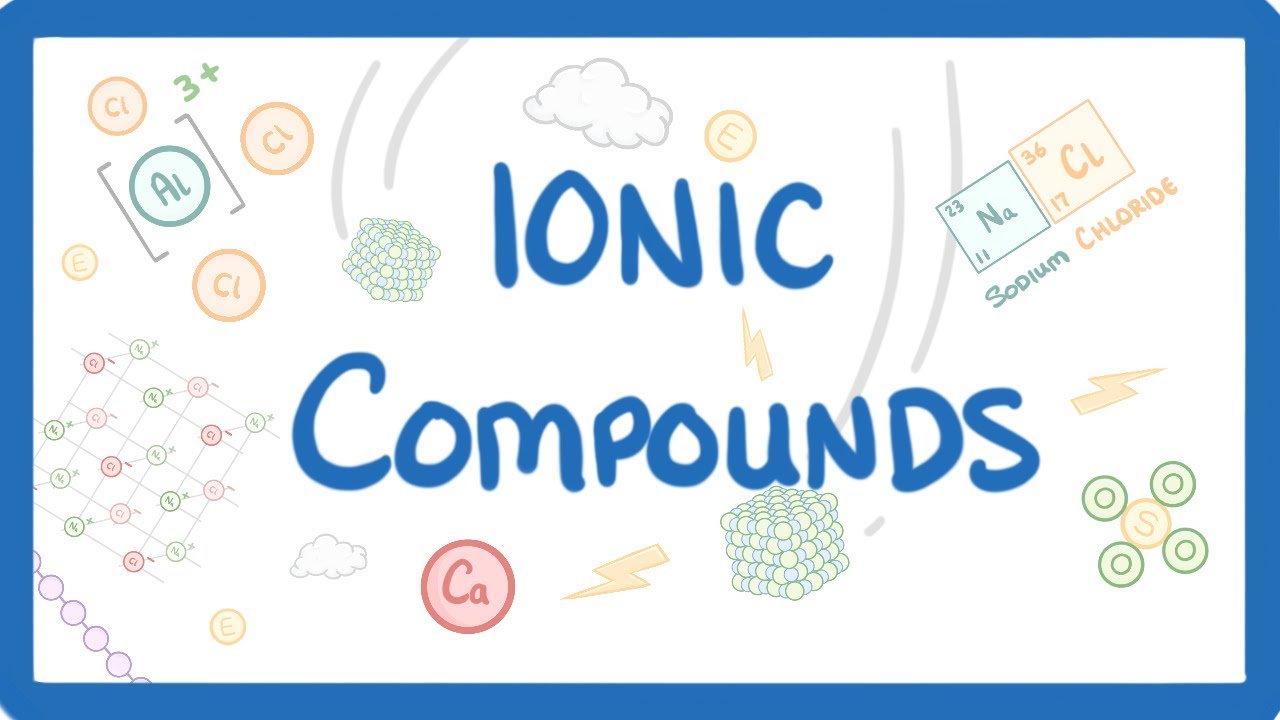
in this video we going to talk about the properties of ionic compounds table salt is a very common ionic compound and so if you can imagine the properties of table salt that's going to be true for other iic compounds as well here are the four properties that we are going to look at first of all ionic compounds are solids at room temperature they have a high melting and boiling point they're brittle and then they're also going to conduct electricity so let's start with that first one that they're solid at room temperature ionic compounds are made
up of ions that are attracted to each other with Electro static attraction this is attraction that's so strong that the ions hold together uh and at room temperature about 25° C that's not enough to break them apart so they stay together and they are solid they're also going to form a crystal structure and a crystal is a repeating pattern this is how the ions are going to arrange themselves it's kind of like wallpaper and this is some really ugly wallpaper but if we were to just to cut a section out of this wallpaper we'd see
that the exact same pattern is present and that's the same thing with ionic compound uh for example table salts sodium chloride is going to form a cubic structure and if we were just to keep on cutting the sodium chloride apart smaller and smaller pieces we just keep on seeing Cubes but there's a lot of different crystals now if I I can actually zoom in on this crystal structure I would see why it looks the way it does so we can see that the ions themselves are kind of arranging themselves in a cube so we have
the cations and anion all lining up in that way so our next property is that ionic compounds has very high melting and boiling points melting and boiling is the result of breaking apart the ions so separating them from each other so when we saw that cube of all these different circles together if we could break them all apart that'd be what melting and boiling is it's really difficult to separate the ions in an ionic compound because of that electrostatic attraction an example of this is table salt and table salt has a melting point of about
800 100° C or about 1500 F and so if we threw that into the oven we certainly couldn't melt it because most ovens will go up to about 500 fhe or 260 CS even if we put it into a pan on the stove we'd have a really hard time melting it the next property is that ionic compounds are very brittle although they're hard solids They Don't Really bend very well and so if we were to take a hammer and actually hit this ionic compound with an Hammer we would see pieces break off and they would
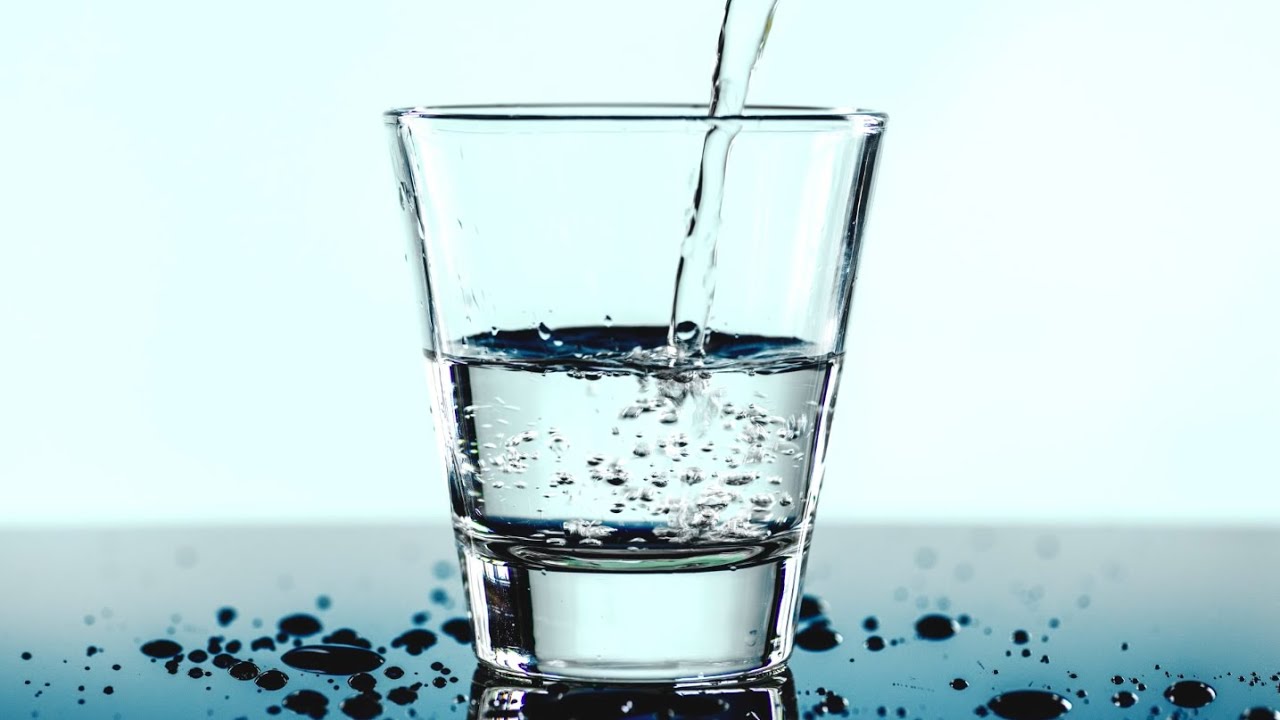
actually cleave very nicely in these straight edges goes along with that crystal structure and this type of fracturing uh is going to be due to the positions of the ions and so since they're all lined up in this nice uh this nice arrangement will have this cleaving effect where the shape continues on okay the last property here is that ionic compounds are going to conduct electricity only when they are liquid or they're dissolved so here is some water and if we were actually to kind of sprinkle some salt into this water what would happen is
that the salt would dissolve and when the salt dissolves we'd see the ions actually breaking away from each other so remember that an ionic compound is where ions are joined together when something dissolves they actually break apart and they actually become surrounded by water now electricity is actually defined as flowing electrons or moving electrons so here's our electron here and usually they're moving through wire what electrons need is something to flow through they really kind of need a vessel to be carried on kind of like a boat or something and what they can use is
anything with a charge and so since these ions have a charge they can actually hitch a ride on the ions and flow across the water and be able to move from one electrode to another electrode we won't get into anything more about how electricity works but that's kind of the basic idea they have to have something with the charge to move ACR cross and since all water except pure distilled water has ions dissolved in it uh you never really want to be in water during a lightning storm and those are some of the properties of
ionic compounds