I was saying I'm really impressed with what you've done with uh your podcast oh yeah thank you really cool you know for a One-Stop shop for understanding productivity and where it's at and the history I was hearing you try and use some example of the Cretaceous Period for how email got introduced or something oh I was geeking out on that one yeah yeah the KT boundary yeah that's and email yes dinosaurs and email Dinosaurs and email I was having some fun with that one as it always does talk to me about what the problem is
with our current definition of productivity well it's a bad one right I mean I think that's what's going on is that in knowledge work what happened is I I went back and dug up this history right to try to understand you get the knowledge work as a major sector begins to emerge roughly mid 20th century when it emerges there's this question of okay how are we Going to measure the productivity of people I mean in other words how are we going to actually manage people this is a harder question you would think right because before
the knowledge sector arose as a major thing what did you have is the major thing the econom is the industrial sector right and product uh going to be productivity in the industrial sector it's quantitative it's modalities produced per labor hour input right you had a number you could measure You could change the way you did it right let's move from the craft method to the assembly line and see that number go up and say this is better you go to knowledge work none of that works anymore right because I'm working on seven different things it's
different than what you're working on how I'm doing the work it's kind of up to me I my own private sort of organizational system so there's no clear thing that we can improve or mess around with so we Don't have a good old-fashioned definition of productivity so what do we do in that space we said well we'll just use visible activity as a proxy for useful effort it's like if I see you doing stuff that's better than you not doing stuff and if we need to do better let's do more stuff like get there earlier
let's work later uh I call that pseudo productivity that's implicitly been what has been driving knowledge work activity for at least 70 years you Asked your readers or listeners I think to try and Define productivity this is a community of people that have come together to watch a show specifically on productivity and they failed to come up with a good synthesis for what they meant by the thing they're interested in no they couldn't do it here's what most people did when I asked them they basically just summarized what their job was it's like what is
productivity and they're like well it's you know doing my Devops responsibilities well you they would just they would just parir it back what their job was and say I guess that's productivity so that's the that's the the issue with pseudo productivity is it's unnamed so we don't actually recognize or admit this is what we're doing which is just activity is better than non-activity uh so we can't fix it because we don't know there was something to fix but you know my big argument is that pseud productivity went Off the rails once we had computers and
networks and emails and laptop and work could follow you anywhere and you could demonstrate activity anywhere you were at any time uh you see this in the productivity literature we talk about productivity completely different in the '90s than we do in the early 2000s yeah you didn't you track productivity advice from the 50s through until the modern day or something like an archaeologist of of productivity advice so take me Through what what what were we being told about how to be more productive in the 50s up to today yeah I I wrote this for the
New Yorker recently and this was all for my own shelf because I geek out on this stuff so I have a historical collection of sort of vintage productivity yeah so you see uh we're going to see a big change when we get to the 2000s but starting the 50 uh the 1950s the very first book it's really the very first book on what we would Think of as modern time management and it's called the management of time right it came out 1950s good title yeah it was a good title right but it's not at all
what you would expect it's almost entirely psychological right so knowledge work as a new was new these large organizations in which you were sitting at desks a lot of this was new so most the management of time is actually just grappling psychologically with this new reality It's you how do you even uh what's the Mind Set to even have to deal with a world in which you're no longer turning a wrench on an assembly line but there's all this stuff coming at you all right 1960s the fin a book the effective executive right Peter Ducker
still read today fantastic book right Peter duer by the way coined the term knowledge work so he was really a a key figure in understanding knowledge work why it's different that book is all space agage Optimism right it's all like okay we can optimize the we can optimize the hell out of this it's you know okay Executives you need to keep a log of like what you're doing every minute of the day and we're going to go back and we're going to study this log and we're going to find the inefficiencies and we're going to
remove those and you're going to figure out like the optimal set of so it's very Space Age you know we're just going to throw a lot of engineering At work and we're going to make it optimal the 70s everything gets depressed right because the American economy in the 70s is it's stagl it's it's Jimmy Carter and the great Mala right uh so everyone is in a bad mood and so the the 70s book I have is just ABC through Z so it's alphabetical and for every letter it just has some things relevant to the office
that start with that letter and then they give you a couple paragraphs like B briefcases well This is what you should look for in your briefcases a alcohol because they Pro anti well it's clear for that entry that they were drinking a lot at work when you see the advice it was it was like you know I don't know maybe not have that third Martini at lunch that was the advice that's something like that wow W this is I'm not making this up waste basket tree waste basketry waste basketry yeah right like the art of
building waste baskets and where they Should be position they have like what the Yeah so anyways there was no there was no uh ambition in the 70s so it was just like let's just all right how do you how do you procedural procedural yeah uh then you get to the ' 80s and 90s now it's Steven cvy right so 80s and 90s right now we're thinking Wall Street right we're thinking the American uh consumer boomed the economy starts booming right and so now you get uh Seven Habits of Highly affected people That's in the 80s
first things first in the 90s these are all about work as self-actualization right and so cvy is like here's what we're going to do it's incredibly optimistic you're going to figure out what matters to you in life and all your different roles we're going to write those down and we're going to we're going to optimize everything you do in the day all aim towards like actualizing your biggest goals in life right when we're going to figure out These complicated systems for selecting and tracking your time all aimed at like accomplishing your deepest Ambitions and not
just in work but like at home and in and in like your religious communities cvy was a religious Mormon Etc then we get to the 2000s and this where the shift happens so the the big book of the early 2000s is David Allen getting things done being on the show he's a modern wisdom alumni he's a legend exactly now if you go back and you read Getting things done this is not an ambitious optimistic book like his goal in this book is like how can we basically find some moments of Zen peace among this untamable
Onslaught right the whole thing is like we can't it's very nihilistic almost right there's this huge incoming Onslaught and what we're going to do is keep this onslaught from colonizing our mind and making us stress so everything's going to get reduced to next actions and then with mind like Water because I profiled Allen for the New Yorkers so like he comes from a background in Zen and karate so he really likes mind like water you're just going to execute these actions uh without even having to you're not going to you're going be almost mindless about
it let's just execute execute what context am I in execute so it was about just trying to find peace among an onslaught that's really different he's a very peaceful man a peaceful guy lives In ohigh nice seems like it works for him okay 2010s yeah but but so now this is a big change though right because what happened between the '90s and 2000s is going to be the front office it Revolution computers it's going to be email later it's going to be smartphones it's going to be slack so we get this huge uptick in the
amount of work people felt like they had to be doing all the time and that's when we get this change in tone now when we get to the 2010s all Of the books are on this other side of it right where we are being essentially overwhelmed by this work how do we survive and so the big sellers are like essentialism my book deep work you have a Keller's one thing like these are all books about trying to combat overload so you get this big shift from 90s into the 2000s and 2010s everything becomes about work
is overwhelming us uh it's too much we're burning out Allan is like how do we just basically disconnect from the Stress of this all and just execute like we're cranking widgets me and uh essentialism and you know Keller's book we're trying to like okay how do we fight back about this Focus still matters don't don't get overwhelmed it's almost like a rear guard action you know trying to protect the rear as uh the advancing Army is routing you like all this is going so it's a huge shift and I think that's because pseudo productivity was
fine like you could talk about Al Alcohol and waste baskets and self-actualization until you get computers and emails and laptops and smartphones and then it began to overwhelm us so it's a it's like a night and day shift in tone once you get to about 2,000 why is pseudo productivity so sticky what's caused that to be so prevalent simple it was just simple right it was like I don't know what are we going to do here I'm simulating like a manager in the 1950s what are we going To do here I don't know uh if
I see you working at least I know you're not not working and so it was simple right so anything else is more difficult so we just went with what was simple the other thing that so it's it's not so it's less that's sticky it's simple but the other thing that happened is that same pet drer who wrote the effective executive he really hammered writing in the 60s all the way up until the late 90s he was really hammering uh trying to explain He's a management theorist trying to explain knowledge work he was really hammering autonomy
he said productivity is not something for us to discuss like manager shouldn't be discussing it it's not our business it's now personal individuals will figure out on their own how they want to manage their business knowledge work is not something we're like in a factory we care about how the work is done this is up to the individual so productivity is not a Topic of discussion so Peter duer really pushed this idea in knowledge work we don't talk about productivity so in lack of discussion the simplest thing is going to stick and the simplest thing
was if I see you working that's good why aren't you answering emails you must maybe you're it's a defensive approach to it like if I don't hear from you or see you how do I know you're not slacking off so that's uh I guess organizationally how productivity has Become uh detected by the people that are typically above you and also by your uh peers as well and your colleagues that you work with but this is emergent like we are our own task masters with regards to this so you know where we're building out our own
pseudo productivity desire and whipping ourselves with this what's the reason is it just that this was the only measure of busyness therefore we took that and turned it into our own Internal state or is there something else going on when the individual is working for themselves well yeah so so what happens within the non-working for yourself context if pseudo productivity Reigns right so people are going to measure your activity is how you prove that you're valuable then all of your own work on being organized or productive is all going to be aimed at how am
I more visibly active how do I do more how do I be seen more this just Bakes into the culture eventually so yeah now I start my own company I'm a freelancer i my own thing going on it's the only definition of product activity I know right is like this activity and everything that we've been seeing since the the early 2000s it's it's all in a world in which this is what really matters seeing work is what matters activity is what matters slack is a way you can always show that you're involved and so we
just internalized it right so Even though there's a lot of flexibility if you run your own business they actually are probably the worst tend to be the worst offenders of Pudo productivity mindsets because they feel more pressure like I have to be productive like it's all on me and if all that we know is pseudo productivity then that's what you're going to do well when you are both the person who decides which tasks to work on and also the person who works on the tasks yeah you End up with this very bizarre like Harry carry
ulating sort of situation where you work never finishes there sort of a productivity Purgatory scenario where it just permeates everything that you do and uh yeah how would you how do you frame or what do you think about most people's relationship with productivity like how do you think that they conceive of that well it's shifting a lot right because what seems to be happening is pseudo productivity has Been around it begins to become increasingly unbearable uh in the 2000s um what we then get starting maybe five or six years ago is an emerging anti-pr movement
right because again this is coming out of a place to make sense people are increasingly burnt out it's also coming on the tail ends of uh the first decade of the 2000s there was a whole techn productivity Revolution this was the whole what they would call a productivity prawn Revolution this is Some Le speak but basically it was this there was this moment in the early 2000s where people were really uh optimistic about this idea that productivity implemented by smart software wasi self it was going to yeah it was going to revolutionize work that that
it was like if we get the right system remember David Allen had kind of introduced this idea of being more systematic and uh engineer in your systems that plus the right software was going to bring us to This Utopia where work was like effortless like do this now do that now and you're just going to be cranking widgets and the software was going to do it I I I interviewed some of the people who worked on these uh these electronic GTD systems back in the day um so there's this big optimism that kind of Faded
by the end of the 2000s now we even more burnt out than before we begin to get anti-pr right so this begins to emerge It's it's picking up some steam 2018 2019 right these are when some of the first big books on this emerge and then the pandemic really accelerates that so so by the time I'm actually you know writing the the new book there's a really big anti-product movement so so we now have uh an emerging an antagonistic relationship with the concept of productivity which what it really is is antagonistic relationship with pseudo productivity
because the Demands of that are deranging right I mean especially when now you're at home you're working remotely the work never ends at every moment you have to be internally arguing with yourself should I work or do this other thing I could be working now you're in this constant internal battle There's No Boundaries anymore between work and non work so like that was the defining relationship with productivity of the last five years I would say is this anti-product Movement and where are we now are we still in the throws of that or is it something
new coming up well I'm trying to put something new in so slow productivity in my mind is a uh it starts from the same place as the anti-product movement it goes somewhere different because the problem with the anti-product movement is they're they're starting from the right place which is we're burnt out from this but their their response is typically uh anti-work Right so then the answer they often come to is um work itself is Tainted and typically they'll bring more of like a more like left-wing labor politics so maybe like more of a Marxist framed
right this is this is an inevitability of the explo nature of late stage capitalism cooperatives and they won't even go that far they'll just be like don't try so hard right oh right right do nothing The Art of Doing no how to do nothing these are titles of of of really Good selling books uh quiet quitting was sort of a you could think of it's like an anti-product move it so it it recast it sort of recast what's going on away from our definition of productivity doesn't work well to like let's put this back into
more of like an early 20th century labor politics context of no it's exploitative managers trying to trying to exploit labor from you and now we're in a zero sum fight and the way we're going to fight back and do less Work there's more than life than work H so that was largely the the answer that didn't really catch on in part because a lot of people that were um preaching work less were like working really hard to you know that's luxury beliefs yeah um subscribe to my substack I'm writing every day about why you shouldn't
work hard that I'm working hard on right and also people they don't hate work right like they a lot of people especially entrepreneurs Like no I want to do this well like I wanna I want to be killed by it I don't want to be killed by it yeah so then that became the central question for my book was okay so here's the question how do we uh produce stuff that's good like that we're proud of we can support a family um without burning out and without having work take over more and more of your
life like that's the real question right the question is not how do we uh deconstruct capitalism like That's not the right response to the burnout crisis right as they capitalistically sell their books on this uh the right question is this how do we uh produce stuff and be proud and ambitious about what we're doing but also not burn out I did an annual review and I've used the same process every year for a while now yeah and I redid it this year and I tried to ask myself more kind of introspective artsy questions stuff like
um what would 8-year-old me uh look back on and wish that I did more and less of yeah um what do I think is productive but isn't and what isn't n productive but I think is interesting uh that's a really great question to ask so uh things that are productive but I don't realize that they are yeah uh were going for coffees with people who are just coming through town for a short amount of time right dinner with friends uh playing pickle ball and uh going for walks those were some uh Stuff that I think
is productive but isn't yeah being on calls answering email spending time in slack sitting at my desk when I'm not working that's a big one I'm just like I'll if I'm here and I'm at the seat and the computer's there something will something will happen even if you're on Twitter does matter yeah I'm just about and I'm like I that's not that's not productive and uh the final question that I asked myself like just notes and It was the most interesting part of the review process was just notes at the bottom and it was stuff
that came up that didn't fit into any of the questions or categories that I created for myself is fleeting thoughts and this one was and this is the main question for this year and it's so funny this is the topic of your new book is it possible to be world class and have fun yeah that's the main question that I'm asking myself this many of the most Worldclass creative minds in history had a lot of fun so the answer is yes yes and this is why it's something some people complain about but I think it's
actually a feature of my Approach approaching this topic is I said I'm going to go back and find World Class creators uh I call them traditional knowledge workers scientists philosophers artists Etc throughout history and I want to see how they worked and then the complaint is well Wait a second I can't work the same way as Galileo that's like a completely different time and place and I was like no the goal is not to try to replicate the work day of G Galileo but what we can look at is Galileo had a lot of flexibility
in how he worked so with all that flexibility what did he drift towards so what they have a lot of space Mary cury had a lot of space Georgia O'Keefe had a lot of space to figure out how they wanted to work so they were Running these natural experiments to see what is the absolute best way to create value with your mind then once we isolate those principles okay we can adapt them to Modern jobs but like it's the principles that matter so if you study these great traditional knowledge recers throughout history none of them
were busy the idea of busyness being somehow connected with uh great production is not inevitable especially if we're not talking about running a Complicated business but just creating high value things with your brain you don't find lot of busyness until you get much more towards the modern era what was the typical day of some of these favorite famous people from history blank that question would it make sense to them right so it's a very uh modern notion that we have uniform workdays and so we need to have like a typ here's how here's what I
do during work days and I work five days a week and I work this Many weeks uh this many weeks a year they were way more variable about when and how they were working right so it be like okay uh this two months I'm working really hard on something and then I went away and traveled for four months and did nothing right there is no typical workday they had a lot more variation right so Georg O'Keefe for the painter right what kickstarted her productivity as an artist is you know she began dating uh stiglitz and
he had land in The ader deex he's like okay you got to come up we're going to go up there in the Summers and she figured out this Rhythm if they go up there in the late summer into the fall she has this Shack by the lake and that's where she she has inspiration she's doing her nature paintings and then she brings them she's there for months and then she brings them back to Manhattan and then she finishes them and Exhibits them and does the stuff uh and then they go back to up To the
adex and she gets her creative input there's like no typical day for George o'keef but there's a typical year and it has different seasons she's doing things I opened the book on John MC and I'm like okay for five days it opens on five days of John MC's life in the late 60s lying on his back on a picnic table cuz he was trying to find his way into a New Yorker piece and it was comp he couldn't figure it out right like I have all this research uh how am I going to Start this
piece and as someone who's written my share of New Yorker pieces I can tell you this is like an impossible problem like how do I get into this article five days he's laying on his back just to try to figure out how am I going to make sense of this stuff like what's a typical day for John MC like that you could look if you zoomed in on that day you would say he did nothing he's lazy you know and on another day he would be you know up in his office next To a Swedish
uh massage parlor in Princeton where he has this really um kind of a Centric way that he would cut up all of his notes and Xerox them and put them on these boards and he might be there for hours and and another day he might just be doing nothing or doing research right so they didn't have typical days you know so this idea that there's a work day how do you structure your work day we invented that you know for knowledge work in the 1950s and it Was an idea we borrowed from factories because that's
how factories ran you had shifts and so it's not even the right question for Creative work every time that I read whether it's digital minimalism or deep work or or any of your books uh and some of Ryan's stuff as well it's this it almost feels like a nervous system re-regulation it's like a reminder of a slower time it's a reminder of a different time and so much of the stuff that we take for granted About the rhythm of Modern Life about the ferocity and velocity that we go through these things with we realize is
just a creation maybe not even a creation maybe a malignant bug or a byproduct or a side effect some weird externality of a thing that no one really designed it's the second third fourth order effect of some that happened 50 years ago and then reading stuff like That or reading about how much uh Isaac newon or Einstein love to walk I feel like that was in one of your books at some point like the the power of walking and and how important that is and you think God I I came up with this idea the
productivity Purgatory is is one of those where all of the things that you do even the things that you're supposed to do for leisure you do because you once saw an Andrew hubman documentary that said 15 minutes of walking improves Your dopaminergic response by whatever whatever that there's nothing that isn't done in service of productivity even the things that ostensibly are supposed to be for leisure yeah and then yeah to me and maybe to a lot of people listening it's sounds like hearing Galileo or or geori roef you know wanking off for 4 months and
then about and then coming back and all do a little bit of work it sounds Bohemian it sounds New Age it Sounds hippie yeah uh because our framing is only within the last we only know the last 100 years of work we only know that before that it was just people hoing the the ground right it was just a agrarian and changed drastically by the seasons right like you you I talk about like the German ritual of Ule cuz they had nothing to do right it's a pagan ritual they're like we're going to have bonfires
for a month because like what are we going to do there's no it's The winter there's no crops to whatever and then in the fall like they're really busy so the agrarian lifestyle was up and down I went back and looked really deeply into forer hunter gatherer life which is the 270,000 the first 270,000 years of our species nature dictated everything right I mean it was today we're on this hunt the other day rained we did nothing we're in the middle of this hunt but it's hot in the middle of the day so we just
stop for a while the Only time in human history like the first time we really had just work hard all day long was when Mills and factories were invented and it was so unbearable it was so terrible to try to take humans who are used to all of this variation and autonomy in their approach to work they say you have to work all day long as hard as you can uh we had to invent labor unions we had to invent regulatory Frameworks we had to put all of these huge apparatuses in place Just to make
that type of incredibly unnatural work tolerable but then knowledge work emerges like all right so how are we going to organize our workday guys like H let's do what the factory guys are doing grab that like the least natural uh in terms of our human wiring choice that we had because it was simple and it was what we were used to and it was what was big right now and like well let's just do that yeah one of the principles of slow productivity is work At a natural pace yeah what is that for humans well
there's there's two parts to it so for humans is what we just talked about variations in intensity and it's not just on one time scale but basically all time scales right so so when I went back and looked at how humans work before within a day you're going to have some period that are more intense than others in a week some days will be more intense than others uh when you're looking at a season you know uh some Seasons might be more intense than others the fall Harvest is way more intense than the winter uh
even at a bigger time scale you might have busier periods and less busier periods I'm writing a book for two years years and then for the next year um going more phow right so variations that's much more natural then the other principle that came out of that and this was just from directly studying the great traditional knowledge workers of time Past they take much more time so we try to go too fast and a lot of these thinkers who were very productive in the sense of they produced you know uh new scientific work that changed
the way we understood the universe they worked very slowly like their notion of how long should I take on this project was way slower than what we do today so we're always trying to charge ahead right away what's the quickest way I could get this done they took their time right they're Happy to take their time even contemporary traditional knowledge workers do this lyel Miranda was one of the examples I gave his first play before Hamilton in the Heights was a big hit right eight tonies he spent seven eight years working on that play not
procrastinating he didn't put it aside for eight years he just was working slowly on it for eight years kept coming back to it they were doing readings with real actors then you would go away and Do some other stuff and think about it and and try to get something better and they come back and do another reading year it's just this like slow process but that's like pretty typical with traditional knowledge workers we think in the pseudo productivity culture it's like now fast as possible I want to do a play I'm going to like go
away for a weekend and grind this thing out like let's rock and roll uh that's not the way people used to do Things what are the Industries or job type for whom this changing of the pace doesn't work quite so well because there may be people listening who say well that's all well and good if your goal is to create over the next however many years a really great play but that's not the world that I live in that's not the profession that I have access to right so the whole goal is then how do
we take these principles that the the the great Traditional knowledge workers uh excavate and then how do we apply them to just normal knowledge jobs right so all the advice is for knowledge work jobs right basically if you work on a computer screen for a living if you send a bunch of emails you're probably a knowledge worker all right so what does it look like to start adapting these ideas to a regular job where you have bosses or this or that well now becomes a little bit more subtle but you get the Same effect so
now when a boss asks you hey can you put together this report instead of you saying sure I'll have it done and then you you plug in the most optimistic possible estimate you know we do like you fall in love with the idea of getting it done that fast you instead take that estimate and you double it like yeah you don't say one month you say two months so you're giving yourself more time to work on it then what about like the seasonality well if you're an Entrepreneur you can just start actually wiring this into
uh your actual work rhythms right like I talk about an entrepreneur in the book she takes two months off in the summer she just works it out like the way her contracts and the clients and she's just not around in that summer and about 20% less Revenue she'll happily take that hit to be able to take two months off in the summer so she's getting you know variation then we talk about people who work in jobs where They can't do that now they start doing this subtly right okay so here's what I do I don't
really schedule meetings on Mondays I don't tell people I'm doing this like when they say hey when are you available I give them lots of times they just don't happen to have any on Mondays and now we have like a slower start and I know in December because we're going to lose the last week anyways for Christmas I'm kind of careful I don't tell anyone about this but I'm pretty Careful to have projects set up the finish before that and start after it but nothing do really do into it and I am turning down that
intensity dial for those three weeks and it's not long enough for my boss to really notice but for me it's a big deal knowing that I can wh down that week that month I'm wound down versus another month right so people can start implementing these principles but like more surreptitiously so we see them really flashily done in These historical stories but then when we jump to implement them in practice it's like more subtle but it's the same principles you're taking longer you have variations and intensity on different times this starts to add up starts to
make a difference yes your first Insight around do fewer things which is essentially impossible for people to do because you look at a calendar and there's room in it and you fill the well There's a gap Gap should be filled should be doing things and I think a lot of people feel like do fewer things is accomplish fewer things yeah that's the conflation yeah and they're wrong yeah because what if I add two words it becomes clear do fewer things at once right because here's what I think is going on and this is like the
case I make in the book is that when you agree to something the big problem is when you agree to it that is going to bring with It administrative overhead right so whether I'm ready to work on this thing or not now the team needs to hey how's it going there's emails I'm going to have to answer there's meetings going onto the calendar right you're like okay we got to check in on this how's this doing I call it overhead tax everything you say yes to generates overhead tax so the problem is when you say
uh yes to a lot of things you're not just trying to keep I'm keeping my queue really full so I always have something to do that's not just what's happening you're generating a lot more overhead tax so the more things you've said yes to the more things are generating administrative overhead which means the more meetings go into your calendar and the more emails that are coming that you have to answer right so where do those meetings come from that are filling up your calendar they're not just random right it's not just hey let's let's just
you Guys want to do a meeting you know no no it's related to things you've agreed to do so the more things you've agreed to do the more of your time gets devoted to the administrative overhead of the things you need to do which means you have less time available to actually accomplish the things and to make it worse this administrative overhead does not coales into like one nice big batch it jumps all over your fractures your Day into what's the quote from Deep work I must have shared it a million times uh shatters shuts
shuts your day into fragments so small that you get nothing meaningful done yeah yeah yeah shatters your yeah something like that schedule the fragment so small like insufficient for concentration nothing gets done yeah yes I think about that all the time well but think what happens now though this is why I think people are so burnt out because it really is deranging think About this so you say yes to too many things now your schedule is like completely full not doing the things but jumping on calls and answering people's emails about the things right um
now you don't have time to really get them done so what happens you fall behind so new things come in so now the things you have to do get longer and you fall even farther behind um and then eventually you get to a place where most of your time is now taken up uh just dealing With talking about work nothing gets done you feel like you're making no progress you have to start getting up at 4 or working in the evenings you know and now you're completely frustrated because you said I'm on Zoom all day
long and now I'm working instead of being at my kids basketball game like what was the point of the day and this is what's making knowledge workers cry Uncle so when I say do fewer things at once this is not at all about Accomplishing fewer things because if you can save most of your schedule from all this administr of overhead what happens you start just executing so now the rate at which you're finishing things and finishing them at really high quality levels that skyrockets right so doing fewer things at once will make you actually accomplish
many more things that's not the only reason to do it the main reason to do it is because it's entirely deranging to have your whole Schedule be taken up by administrative overhead I mean it just makes life bearable not to be overloaded but you have this bonus you're also going to start producing right so if you can just bootstrap and I have a lot of ideas how to do this but if you can just bootstrap into doing fewer things get over that initial fear you're going to pretty quickly earn your ability to keep doing fewer
things because you're going to be out shipping everyone else in your Organization yeah the uh Zoom apocalypse that everybody went through when the overhead of having meetings and this I guess pain from management of coordination you know if you can't see what someone's doing when they're in the house cuz they're no longer in the office oh God I mean that's anxiet inducing isn't it so why don't we start looking at slack dashboards and activity time and then you know a response to this you know the anti productivity Movement was that law was it France that
brought it in where bosses can't message their workers after 5:00 p.m. I think they tried yeah I don't know if the lock I don't know if it went through or not interesting yeah but but it was topic for the podcast well it is interesting well in France they have labor unions that represent knowledge workers in a way that that we don't in the US but the problem with that and I wrote about this some at the time is is you know again It's like putting uh the little bit of a Band-Aid on the wound we
got to stop the things that are creating the big wounds like in other words this is the issue with almost any response that is just focusing on um let's just reduce the time you can work let's have a 4-day work week instead of a five-day Work Week Etc the problem with these ideas is if you don't also fix the overload problem you're not getting to the core issue right the core issue is I have too Many things on my plate at the same time yeah so this is why people went insane during the pandemic and
anti-product took off because that overhead got out of control because a everyone got sort of like 20% new tasks all at once when they shifted remote right um and then B the coordination took 25% longer because things we could have just done in the hallway get a zoom meeting but I can't drag a zoom meeting you got that thing sorted yeah I'm on it like that's fine And on Zoom there is no two-minute Zoom meeting hey did you got the thing sorted it's going to be a half hour because I can't drag it smaller so
we had a a the foot print of overhead got worse the quantity of overhead got worse Zoom inflation and we got the zoom apocalypse where and this is you know my readers were writing me and saying my main problem right now in you know may 2020 is when do I go to the bathroom because I have eight hours of Zoom without any Gap anywhere in it and then at this point it's just absurdities right like that's like absurd play or something what's that idea the Red Queen effect yeah yeah running faster and faster to stay
in the same place correct yeah yeah and this is you know the podcast and it's been interesting I guess that you've been in the arc you've been involved as on the guest side in and Arc seeing it from I know episode 200s you were in one of the first ones and then Maybe like 300s and then 600s and now and uh operationally it's so complex behind the scenes you know to coordinate something of this size and increasingly I find myself doing more and more of being an operator as opposed to being a Creator or a
Visionary or or a researcher or just a learner uh it's all coordination all the time so much coordination and you don't like that it's the thing from Michael Gerber the emth Revisited that lady that starts a Bakery and then soon enough she can't remember what it's like to bake a cake all that she's doing is on Zoom meetings organizing factories to start where's the wheat coming from and have we what's the new machine that we're going to have to grind the flower and stuff like that um so yeah I'm you know I'm very much living
a um and and I can remember when the operation was simpler because the business was simpler and because the Actual production itself was simpler but I'm observing even within my own life this trajectory go from Simplicity and Purity to uh much more success and and and I'm very very grateful and it's amazing to do all of this stuff but there are all of these side effects that come along with it that build that build things out and there are a million opportunities there's a million things to say yes to there's a million things to say
no to that you would have begged To have the opportunity to say yes to only two years ago so you're permanently readjusting the sensitivity on what constitutes a hell yeah like that's the one thing that with Civ hell yeah or no uh rule which is fantastic the problem is that you lag yes yeah what you would have begged for yesterday is something you now need to learn to say no to today yeah yeah I mean I think the guy who has it all figured out we all have to just nod our heads to Ferris because
I was on His show in February and you know he had this like headset like NASCAR headset whatever I was like I was like what's going on with this thing man and he's like uh if I if I uh do video well if I build a studio then I have to stay where the studio is then I have to have people to run the studio and uh I want to travel and I have this headset he like look at this thing this is a pretty good microphone I could just be anywhere anywhere in the world
and so maybe Ferris figured this whole game out I mean he's the guy that did it uh but there's a there's a deeper thing in there though right which is like that is the central tension when with slow productivity when things start going well like this is partially why I wrote this book is because things were going well for me right you know like this is not a book that would have been relevant to me as a 23-year-old at MIT doing uh you know theoretical computer science But now it's like things are hitting well like
I can my my books get read and I'm tenard professor and there's opportunities and there's you know and I have a podcast these other things are going on now and it was that same fear of okay so how do I keep and crystallize the principles of just slowly producing stuff that matters even with different stuff going on and it's LED actually me to be pretty careful or thoughtful thinking about the different aspects Like what I do and what I don't do like when I started a podcast in the pandemic uh I was really worried about
the footprint because the footprint can get big which is fine for you know um like a tier one show like this but this was something I was doing in addition to being a professor in addition to writing so I made a rule I said half day a week like that's what you get the podcast gets a half day a week and if I want to grow or add something or whatever I want To do I got to figure out a way to do that such that the podcast doesn't leave a half day a week so
I G to have to hire yeah and it's what happened so it developed slowly eventually I hired a producer to touch the computer for me because that saves a lot of time right like okay I don't have to touch any computers and we have you know the master and okay so he talks to all of them so now I can just show up and do the show now I have more time to think About you know what am I going to say or what are we going to do then we want to do video well
how are we going to make this fit within a half day a week well it took a long time we had to find the right person to set something up that was super TurnKey like we have the studio set up where like it's all just installed and my producer can just like turn on these lights that and these cameras are always in the same place yeah uh with these Big C that like never Move that the cameras are locked locked into and everything like that so okay great that does so everything has been very uh
slowly but it also means though right there's impacts like if I want to have a lot of guests probably wasn't going to work with a half day a week rule because you know guests can do it when they can do it and it's not going to fit and so I'm not doing that right like it so it's made some had some impact can yeah what you can and can't Do um but it allows me but it's slow it is growing and slow productivity so like the show is growing and it's like actually this does pretty
well and it generates more money than like my professor salary this is interest like it's starting to get interesting it's probably going slower than maybe it it could but it's a slow productivity play you know this I this is important but I want to take my time with this and not let it metastasize I think uh James Clear put in a newsletter recently uh over the short term your results are determined by your intensity and over the long term your results are determined by your consistency and it is a tradeoff you know there is a
trade-off between the two the harder you work the quicker you burn out and there is a threshold above which you know that's not to say that that's a linear relationship you know if you're doing a the bare minimum doing double the bare Minimum is probably not going to make that much difference to your consistency over a long period of time but if you're running at 7eventh gear at 7,000 RPM trying to shift that to a little bit faster is something that's really going to hurt yeah look at a famous novelist like they figured this out
right novelists do have very long careers they figured out no more than a if you're a genre one book a year and if you're literary like one book every two or Three years maybe even every four years do very little outside of the writing like the whole industry understands this like we don't need to hear from John Grisham until like he has a book coming out but it allows them to produce large literatures over their lifetime right so like we could all take a lessons from that like you don't see John Grisham being like you
know if I really get after it I could probably get three books done you know I could do the whole James Patterson thing like I could have three books a year and then I could get a team to write other books and then we could merchandise this I'm G have John Grisham land and it's going work with you no it's like I I if I do all that I'm gonna last five years have you seen Brandon sanderson's output yes yes I mean so there's a I think it's in the r/ fantasy subreddit and if you
have a look at that the number of words that that guy writes per year is terrifying is but I'm worry about him me too because he's adding other things he's started adding he's he's he's building out more of a company merch way well yes exactly merch and uh fulfilling their own their their own printer now they do some of his books they print themselves uh as opposed to going through like a standard publisher and he has a big team now and like his whole thing like everyone he's famous in writing circles for exactly this like
he just sits and writes and he Generates like a lot of words like it's I think it's maybe 300,000 words a year yeah it's it's crazy it's crazy I mean you you saw his video his whole surprise video thing in the pandemic where he was like I have a surprise for you I wrote five extra books and I'm gonna like sell them directly he just wrote five extra books yes I did see that yes the thing he did which I do admire because it's crazy but I love it it's a deep work thing so he
lives in like a normal Culdesac in Utah right so it's just like a culdesac of houses um he he bought the lot next to his was empty right what he did was instead of building like a cool workspace there he dug down and built an underground layer right so he built it a whole Victorian Gothic underground layer where there's you know old fish tanks with weird things in it he writes in there there's a a full screening room movie theater in there they podcast in there whole thing's decorated like a Tim Burton movie built it
underground right 20 10 foot ceilings like they dug all of all this then he covered it back over and then they put like a garage on top of it and he has a secret entrance to it from his house so he goes under he's the Suburban house he like secret entrance in his garage and it takes him into this like massive underground layer I think it's awesome uh it's Preposterous but hey what if you're writing fantasy novels though at his level like yeah Well that's one of your lessons which is that the space you inhabit
when you're trying to do your productivity can influence the way that you feel yeah and that's a slow it idea right is that like okay the environment matters because you're trying to produce the best possible stuff not just trying to be as busy as possible yeah so environment matters so Sanderson built that whole underground layer because it inspires him to write you know fantasy well much In the same way that Dan Brown who wrote The Dent Cod he he has a similar kind of quirky house he built in New Hampshire with like secret passageways and
code and you pull down the statue head oh cool because he writes sort of conspiratorial genre Thrillers so like why not like put ourselves into that that mindset other people did other things so like one example uh Copa Francis for Copa he brings whereever his production offices are old electronic Gadgets because he likes this connection to building like I'm building something that's you know I'm bringing together parts and he used to solder and do all the stuff as a kid so he like brings them wherever he's going but it's not just uh the positive which
is have stuff in your space that's inspiring it's also get away from the stuff that's distracting right and this is the problem for example with just working out of your home office that's just Right there in your home next to everything else is that you're exposed to all of these highly Salient distractions that have nothing to do with what you're doing but when you see them are going to trigger all these neural networks are going to start to be activated there's a laundry basket oh my God the laundry when do I need to do the
laundry and what going this is very difficult so I also tell these stories of people these are mainly writers too Who go through like Great Lengths to get away from the distractions and my favorite was Peter Bley who wrote Jaws because he lived right down the street from where I grew up when he was writing Jaws so I know his house I could see it from mine it's a beautiful house and when he wrote Jaws he didn't write it in that house but in a back room at a furnace repair shop that was on the
other side of town and we the fact Checkers in New York were talked to Wendy benchley about this Peter's dead but they talked to Wendy and she was like oh yeah they were like hammering in there man it was like loud metal hammering that's where he went the right Jaws because he was trying to get away from the distractions like the distraction of loud hammering whatever that's not something that he has a lot of associations with he can associate right that's no big deal but the laundry basket you know now you're gone for the Next
20 minutes thinking about it did you ever hear the story about Victor Hugo being locked in the room by his own servant no so this this is um a guy who wanted to write six pages per day as a writer and he paid his servant every single night to come in during the middle of the night and pull the bed sheets off him just slide the bed sheets off him and then there was a quill and an ink pot and six pieces of paper yeah that were left on the table next to him And then
he would lock the bedroom door from the outside and he wouldn't unlock the door until Victor Hugo slid six pieces of paper double-sided written underneath the door I like that that's the level by the way extremity that writers have had to go through in order to be able to overcome the writing my my Angela would do this she would go to typically like cheaper hotels take all the artwork off the wall she wanted to be white box and and she would write on The bed so she would just like prop up on one arm with
a legal pad and like that there was nothing to do you were in a completely distraction of the Box Steinbeck had this beautiful property at Sag Harbor he would get his rowboat and go out into the middle of the harbor and write on a little hand desk David Maka lived in uh um Martha's Vineyard beautiful house West his Berry he wrote in basically the garden shed so he had a great home office like where he would do His like correspond or whatever he wrote his books on a typewriter in the garden shed like it was
pretty absurd he was in the backyard in like a shed but yeah they would do anything to kind of let's get away from distractions let's like lock ourselves someplace where it's you know it's hard to leave there's nothing here that's distracting let's get some work I don't have the keys they don't have that yeah Mark Twain when he he had this off building that he would go an Out building he would work at and so his wife had this like horn she would blow to try to get his you know it's time to come back
for dinner cuz he was so far away right it was like hard wow I have an off you know I have a my house I have a very nice uh library but I also rent office space like a three minute walk away it's just like a different place to go to my podcast studio is there but also it's a place to go to write what is a more Accessible solution for someone who doesn't want to dig 20 ft underneath the house in Utah everyone should do that come on that's true more underground layers I'm Pro
underground layers this is the revolution that we really need podcast layers I think would be awesome that would be cool yeah you go to like the small office and you go down the stairs you you could pull the statue of the tiny owl and it opens up a killer underground yeah I love it yeah you Could also like kidnap and murder your guest down there I guess the problem with it imagine that imagine if it was a podcast run by a serial killer and each guest that was just our last day on the planet the
ratings would be I mean the downloads would be off the charts it would be briefly and then they may get C because of the murdering that would be the problem yeah eventually yeah it's looked down on you need to redo that yeah but you got to innovate you got to Innovate yeah so okay what let's say you're not you're not going to build an underground layer right um I'm a big fan for example what I call work from near home which is you don't need to build an underground layer but also if you don't work
in an office find a space to work in that's not your house like that is a worthy investment um and that might just mean leasing there like you know lowcost office space nearby that might be worth it right and don't think of that as an Expense think of it as you are going to be able to be your mental Health's going to be much better you're going to be able to produce much more or taking an out building in your backyard and make it into something that you you can work in I mean I think
this idea of going out of your way to find places to work that's not just your home is the right idea don't think about it in terms of uh my home is free and this is not free now think about it more is my home is this Terrible place to work that I really wish I didn't have to work there oh this is I only have to pay this much to avoid that oh that's great you know you're you're you're to solve a problem good reframe and then be careful about uh your environment but the
rituals can be not just uh aesthetic but can also be functional right so so it it might not just be here's what's in my space to inspire me it can be here's what I do as a ritual before I work to inspire me so It could be I walk the same route like to this coffee shop I get this coffee as I walk with that coffee back that's when I'm beginning to frame up what I'm about to work on and then when I sit down after those sessions it's like hard work time and that's how
I mentally separate from email time and you know like I do this for example there's a particular walk I'll do about 15 minutes transition walk okay I'm I'm switching I'll often switch locations but also I want to Switch my mindset into I'm writing now not answering emails or doing something like this it's the reason why training at home during the pandemic was so difficult that there is some thing ritualistic about you get in the car and and you drive to the gym and you say hello to or you playing your music you say hello to
the receptionist and then you know you dump your bag down there's something about that right okay this is gym time and in some ways there's a bit Of a costly signaling thing going on which is I've driven all the way to the gym I'm not not going to train now driven 15 minutes to get to the gym whereas if you go I walked into the garage like you a little bit a bit of a thing yeah so um what about going back to the do fewer things thing for the innate people pleases amongst us yeah
how can we get better at learning to say no to things both philosophically emotionally and then Tactically as well yeah transparency about your workload right I think this is the the number one issue that when solved makes workload management better is getting transparent with other people this is what what on my plate instead of keeping it this off you skated thing no one knows what anyone else is doing and we just sort of throw tasks at each other and like Sometimes they come back and sometimes they're accepted and we just imagine why that is be
more Transparent so many of the tactics in the book are all under that category for under doing fewer things are all under this category of making your workload more transparent so like here's a a really direct way of doing that for example this is like sort of on the nose but people are actually doing this so now I now I say like this is not a thought experiment but really do this uh imagine you have a shared document and at the top it says okay here's what I'm Actively working on right now and you should
have like three things under there like I'm working on these three things below it like big dividing line all right here's the ordered cue of things that like are lined up for me to work on next and in the order in which they're going to like sort of pop into here as I finish things right now imagine someone's like yeah Chris can you do whatever now just be like no or yes you can be like yeah just go add it To the queue right this I keep track of I'm very careful about my work add
it over there if there's any information I need to know to do it you know either put that in there or put a note there that I should like call you when I get closer and now they have to confront the reality of your workload right which means either they're going to say all right never mind like I kind of need to get this done you have like 15 things waiting to happen I you know it would Take too long or their expectations are reasonable like oh okay uh I see you're not starting to work
on this tomorrow I'm not going to start bothering you in fact I can keep checking in on this document and seeing this thing marching its way up to when it's active so I'm going to generate no overhead tax until you're working on it yeah of course we're not going to have standing meetings or emails until it's one of your three things you're working on so You either get much more realistic calibration of like when that you're going to get work back or you're like oh don't don't bother about it now if they're a boss they
say no no I need to get this done now now you can put it back to them great tell me which one to move and I'll let them know they you said that like and and so now there's people have to actually be involved what about the emotion that you feel of there's this sort of default to yes You know you don't want to appear lazy there's almost this sort of self flatulation that I certainly have with my productivity where it's like I should be able to take on more I shouldn't be as inefficient or
whatever malady I think I have that's causing me to not get a million things done in a day and only to get half a million things done in a day yeah what about dealing with that you know guilt almost like productivity guilt yeah so never give a Yes or no in the room helps with that right so once you have some sort of system now you're kind of tracking what am I working on now what am I waiting to work on however you want to do that your answer can always be uh yeah that sounds
great that sounds really important like that sounds like the type of thing I could really do uh next time I get a chance let me just go you know I'm very careful about I have these like Work Management Systems I track my time very Carefully let me just run it through that and see like what I'm dealing with and then I'll get back to you and so you're not giving a yes or no in the room and now the next day or like later that day you can actually go through and look at and come
back and and either you say this is important and figure out when you're going to work on it and give them a good estimate or be like I no you know what I took a look and um really I don't have a lot of I'm looking at my Time I track my time very carefully it'd be like a couple months before I had enough cycle so this is not going to work I'm not going to be able to fit this in now yeah that's specifically the the wordage yeah of delivering this to people have you
found any better or worse ways to actually communicate this is a thing that I don't think I can get done yeah well there's there's two things here the first is just you have to be super clear with the no when you Give it so when you give the no it has to be you know hammered into the tablets that Moses is holding clear right like I can't do this and then you can put whatever then you soften all the softening should be around the very clear no when you actually give it do not leave any
wiggle room for like maybe I could do this yeah I can't do this right now right now because you know what'll their whole goal in life is to get this thing taken care of that's on Their list so if you give them they're they're not going to a lot of people just hope that the other person who gave them the task in the first place is going to do the no for them I will take this off yeah you're right Chris I'm looking at your SK yeah this you do sound busy no don't bother I'll
take it on they'll be great so when are you available two and a half weeks great uh I'll expect in two and a half weeks that's you got to be clear I can't do This um and then you can be nice around it but don't let the niess make the noi ambiguous but the the thing I mentioned before that's the second piece here that could be useful signaling that you're very careful about your time this earns you a huge amount of leeway right because a lot of uh no resistance right resistance to someone saying no
comes from the fact where I don't really trust that you have your act together um I just I I don't are you is this overwhelm Or is this lazy are you laziness are you all you know just you're entitled it gets all these M do your work but if you have the reputation of oh like you're like a cal Newport nerd right like you have your you have your stuff together so if you're signaling that yeah let me just let me just run this through my system because I actually track like everything I work on
and I find the time in advance I'm going to work on it let me just run It through the system and let you know like when we could fit this in and then you come back and say I can't fit it in now they're dealing with yeah Chris has his act together on this he's he's probably not lying he probably doesn't have enough time for this and Y isn't it awesome that Chris like has his act together you know and it's a it's a the technical no so like the no based on I have a
very technical system can actually raise your esteem in the eyes Of the people you're saying no to oh this guy okay wait a second maybe we this is someone we should keep their eyes on like they really seem to have their act together so having some sort of system where I'm managing my own workload here's what I'm working on here's what's active here's what's not active that division is critical you can not treat everything on your plate as all active at once it has to be this is active this I'm waiting on like that That's
how you get rid of that overhead tax problem and then you need to communicate to other people I'm really careful about this so to recap the nose for people please is uh be transparent about your time yeah to help people buy in and understand what's going on yeah say no when you mean no and relate it back to your time management and availability and the fact that you're careful with your usage of time yes and to make this all easier don't give the Yes or no in the room so in the moment where all of
the social pressure is on you have your set answer which is not a yes or a no but is this sounds great let me next time I get a chance I'll run this through my system and see like when I might be able to get this done is that to give you a little bit of emotional buffer so that you're not as oh yes yes because the emotional Dynamic is to like Chris can you do this for you don't you can't you Do not want to say no there yes you're send in an email 4
hours later now you got the courage right very good I think I heard a story is it Daniel caraman maybe I think it's either Daniel caraman or Warren Buffett that say something along the lines of I never say yes or no on the phone yeah I've heard this before because I'm kind of stealing this I don't know who it was but I've heard this before well it seemed just there is a particular uh I I don't Know I I'm seeing people pleasing everywhere at the moment and I'm very hesitant about like my shiny new psychological
pattern toy being used to re you know like there's this great tweet I saw the other day that said um I've just learned about the availability bias and I have to say out of all of them I think it's my favorite one like love it yeah and um I'm very hesitant about about like patent matching this to everything but I I can't imagine the Mindset of a person who doesn't feel that compulsion doesn't feel that sort of desire to I mean I I don't want to say no I'm he's waiting on me he's there on
the phone or he's there in the person and uh and yet it seems to be giving yourself a little bit of psychological distance you know that mindfulness Gap as Corey Allen calls it uh to just go okay let's a in the cold harsh light of day can I do this probably not and I don't think you know when I think about This stuff that I say yes to additional calls many of which I said in the Uber on the way here yes to I'm looking at my Monday and I'm like that's nice and free and
someone goes you got time for a call next I'm like yeah Monday looks great um giving yourself as much psychological distance as possible just helps you to like I probably can't do this I don't really even need to look at my schedule because if it's something that's optional and it doesn't f me up and it's Not mandatory I it can just it's a no it's obviously a no yeah but you're not going to say it in the moment Chris it's obviously a no Chris well speaking of which can we get on a call leader he's
uh Monday Monday looks great but another thing that goes along with that would also be templates and quotas like it's another way so how do you deal with things where you're gonna say yes to some but you can't say yes to everything So you could quot it right yeah uh I'd love to take calls with like whatever new people or whatever but I I only do three a month so I already hit my three this month so I can't do it this month like quotas are a way to keep you doing things or it doesn't
you don't want to say no to to every single time but if you say yes every single time you get overwhelmed and then templates which probably be great for you actually I've been messing around with these too for Certain types of really common things you have to have a whole templated process in place so that it doesn't have to just be the interaction so like if you uh if you write Adam Grant to blurb a book he's got this great so you want me to blurb a book document and like it walks through like so
here's how it works like I can't blurb most books but you should send it to me and and here's how many I get and so in the end I blurb a few and so if you don't hear from me Then that means it wasn't and he lays the whole thing out so now because you you I get this request a lot as a writer now when someone's like okay can you blur my book and it's often like someone you kind of know now you can just send them the thing you've templated it right so it's
you even have uh We've started using this on the website for a few things um like dark links on your website you know secret URLs Cal newport.com testimonial or whatever and You just set well there's the there's the URL have a little look I think there's a a type of legitim iny that the URL gives it as well which is quite nice yeah like it's a system God he's got he's got a he's got a URL for it this this means that it must happen an awful lot yeah like Cal newport.com blur request or something
and now it seems precisely do you have this issue with like unsolicited guest is this like or do people kind of understand in this World you know the the host and their team it's or it's pulling in guest or do you get a lot so I get an awful lot of requests to come on the show one of the problems this is uh I guess a unique challenge of going from Total cottage industry solo influencer to Niche micro Fame to whatever version of of platform we're at now like hyper Niche slightly larger fame um I
built up along the way you Have my email and like David Allen has my email and and Brian holiday has my email Mark Manson has my email and it's clearly a personal email address that you set up a long time ago it's it was I've had it for 10 years dude my my phone number I maybe shouldn't say this but I don't care my phone number was on every flyer for a club night that we ran for years years and years and I haven't been uh you don't start something off Most of the time with
the systems and processes of and one day this is going to reach half a billion people a year and like there there's going to be all of these weird exal you just do the thing you just in this sort of Scrappy C it together exactly which is cool and I like the fact that we did that but um yeah I am reaping the Whirlwind of this Frankenstein's mon monster that we built before up until a year ago we we got our first like additional member of Staff One year ago one one year ago it was
me and video guide Dean still same thing uh and then we got another guy and he was like what's your systems for um like communicating and stuff and I went oh we have a Facebook messenger chat so what do you mean I was like well there's me yeah and Dean and a Facebook messenger chat just rock and roll we just go back and forth and we do a because you can reply and you know Facebook maintains the quality of of media he said that's Insane to do that that's absolutely insane I was like yeah but
we've released 600 podcasts and a thousand Clips yeah through a Facebook messenger chat and then he moved us over to slack I know you got a problem with slack but a slight problem but that was revolutionary for us because it segmented things into different channels and we could find things much more easily and it's got a record it's a history of everything we've ever spoken About organized by topic but uh yeah it's it's a real interesting time I'm really thinking an awful lot about the operations of the show because I found myself becoming increasingly distracted
by being an operator not being the Creator not not spending time reading not doing that stuff cuz it's just this huge must be the stage right now is that that transition to it becomes you become the head of a organization I'm a not just a Someone who's doing a podcast that people are talking to no yeah it's it's it's very quickly become I'm now coo uh Chief brand the leader host head researcher guest curator all of these things and uh yeah we've got right now we've got an exe after I finish up with you I've
got a two-hour meeting with an executive consultant who I literally just needed to be like I need a Navy SEAL yeah kind of guy to come in and kick the door down and just say right This isn't a problem for you uh this is something I'm going to take off your plate and I'm going to reorg everything because if you look at the or structure of modern wisdom it's a 15 legged octopus with one head because you you you hired people here and there to do specificed everything together and then didn't vertically pull anything out
and especially because it's all so recent it's all so recent and so new so you're solving problems with you you come and Solve this problem but the coordination problem is still always on me so yeah not to get into the weeds too much I suppose about the internal machinations of what's going on with the show I'm also there's a a part of me that's like hesitant about being too open about this on the internet because in part it feels like a humble brag which it isn't if you saw the mess and like the nightmare that
I have to wake up with on email every day it's not a flex but the other thing Being that the whole point of the podcast is for me is for me to just express my curiosity and to speak to people that I'm interested in about stuff I'm interested in and all of this sort of complexity feels a little contrived and cynical and it's like hang on this is just supposed to be you chatting with people you're interested in why does there need to be 15 people behind you and it's like well because as the number
Of incoming emails and sponsors and all of this other stuff needs to happen and the reason it has to happen is because the show gets to a size where I can't take it on anymore um but yeah in inbound email a lot of that outbound guess research keeping on top I mean your last book was a world without email which I dream of um and uh your fantasy yeah it's a very interesting challenge I'm really hoping that I'm going to look back at sort of this period as uh Operationally organizationally psychologically emotionally a very formative
learning experience where I had to let go of the kind of boy operator I was before and grow up to be a real kind of yeah isn't this fun that you can kind of do this for a living like I'm just chatting with people and it's and at some point it changes to like that's a media company yeah you're put on a TV show correct TV shows have staffs yes yeah and they and they need To so obsessing over quality we were talking about this before it's something that I've really leaned into as much as
I can with the show yeah uh you know this hyper fixation that we've had on the quality of the AV stuff the way that we shoot the way that I Tred construct uh the the the guest lineup as well to give this really sort of lovely Museum Art Gallery curator good mix of different you know I had I had a Democratic presidential Candidate on a couple of weeks ago he's the founder of Bel of vodar and talente gelato Philips yeah and he's a a cool dude and I'm like I'm interested in this guy so I'm
going to speak to a Democratic presidential candidate just because it's interesting and I think oh wow that's cool I look back on those sorts of episodes I think that's and then oh Dr Robert Glover No More Mr Nar so this Obsession of equality is important but I think a lot of people When when that gets ripped out of them their fear of uh doing fewer things is well busyness is a reliable root towards success and the obsession of equality plays into their fear of perfectionism paralysis yeah yeah so I mean I think they have it
backwards busyness is never a route to success like some successful people are busier than they probably should be but the route to success is producing stuff that's valuable and and calls don't produce things that are Valuable and emails don't produce things that are valuable and jumping back and forth on SLAP chat they don't produce things that are valuable that requires doing something really really well and it turns out the world's like incredibly competitive so it's it's it's 10x harder than you imagine when you get started right like you have to produce stuff that is at
a very high level if you want to begin gaining autonomy over your life and career and impact and this and that So I think people get that backwards so then they say yeah but I'm afraid so busyness I think it's it's reliable and that you'll succeed at it I think what's appealing with busyness is it's a goal that you will succeed at I want to be busy you will succeed at that it's not a hard goal to succeed at it's it's not easy because you have to be busy but you know you can succeed at
it just keep take calls do this do whatever you need to do uh people worry much more about no I want to produce something that is unambiguously really good and that means it could be bad right like there's there's there's fear that so then people fear about perfectionism and essentially like my short answer to that is like yeah that's the whole challenge this is like the whole challenge of doing stuff that matters I got to make this good I'm gonna have to battle perfectionism like that is the dragon on St George like that's just part
of this challenge it's Like saying to a relief pitcher in baseball um you're going to be nervous like relief pitchers in baseball right they come out in these like super important moments of the game and it all rides on like this one person throwing the ball and I've heard them talk about this before they say oh the whole part of this job is how do you do stuff when physiologically you feel incredibly anxious right like like it's absurd that your goal would be I don't want to be Anxious like no you're going to have to
deal with anxiety right you know other types of performers do have this as well anxiety is a big part of what you do what you do is high stakes you're hosting the Oscars okay that's you're going to be anxious because it's very high stakes um you got to deal with it this is the same thing with trying to produce things that are really good you're going to you're going to struggle with Prof perfectionism and we have Ideas how to get past it and there's best practices here but that's it that's the challenge you're trying to
get better you you you want to do as good as you can without waiting too long and holding on to it you're going to walk this tight rope and you might fall to the side sometimes yeah that's it that's the whole game right you're going to be nervous when you pitch that's the whole game so I tell people business is not going to make you uh not going to make You successful how do people deal with perfectionism so you know there's a couple things to do but the example I gave in the book was the
Beatles right because when the beetles decided to stop touring it was like a big deal they had a terrible tour late 60s and everything went wrong and they just declared like on their way to the very last stop which was at Candlestick Park in San Francisco like this is it we hate touring we don't want to do this anymore so they went to The studio after this for the first time they did not have to produce an album that they could replicate on stage that just opened up like every possible option right so it's kind
of Pandora's Box like when you're when you're recording music as had been done up until that point that you were then go play on stage you only had so many options we're going to have guitar in the basist and there only so many chords we can do and let's go yeah so they Didn't Happ that so it was completely open-ended right uh and so there's this fear and they were like we're going to make this better we're going to spend way more time than we've ever spent on allum before and we want to be great
but we also want to get it out so one of the things they did and actually we could probably give credit to uh their manager and not them but one of the things he did is as soon as they had a single that was releasable he released it so he put A steak in the ground oh there's a there's a single out oh we're expecting an album now kind of a clock it can't be three years right so they spent much more time on this album they ever had before but they didn't spend a incredible
amount of time on it the album of Sergeant peppers and it stayed longer at number one than anything they'd ever done before so like that's the tight rope you're working on so what they did there is something that other People can do you put a steak in the ground this what Lyn Mel Miranda did seven years working on the play in The Heights like oh that seems like perfectionism land but what they did was he was working with these two alumni of swathmore that had a theatrical company in Manhattan they would schedule all right 3
months from now we're going to bring in actors to read the latest version of the script so like you had to do something like it had to be better The people were going to come and read this the people who are kind of investing you want to see this as better so you had to do something to make it better but it also wasn't oh my God I got to do this tonight so they kept scheduling well here's the next thing we're going to do here's the next thing uh he G had time to think
about it time to marinate and mature creatively but he always had a stake in the ground that was pulling him forward so it's like you Want to make the thing you're doing uh as well as you can as good as you can but also put time pressure on yourself put some constraints and like okay I want this to be good I really want this to be good but I also got to ship it and if it's not the best possible thing the next one will be better justify to the busy addict why they should obsess
over quality well it's going to give you two things I mean so if you care about slow productivity um it's going to make Slowness suddenly be natural people who obsess over quality grow antibodies to busyness because they begin like the complaints you you were having about the administrative overhead of your show it's because you're obsessed over the quality of what you're doing it's in the contrast of that that the the busyness becomes frustrating if you didn't care about the quality of what you were doing like it's a job it's fine we I do these things
all day right So it makes uh slowness becomes more natural once you care about quality then as you actually do better because you obsess about quality you gain more control more autonomy more leverage to enforce more slowness you can start taking stuff off your plate you can afford to hire people to do things or like in Ferris his case because his show is so the OG show that's so like powerful he can just say I'm G to just wear a headset and record from wherever I am in the world and you know it's just it's
just me and my right-hand man whatever right so then you gain more leverage to to keep the stuff off your plate so it's really the glue that makes slowness possible and if you don't care about slowness then I think the right argument is nothing great didn't require an obsession over doing quality greatness is not accidental no one accidentally produces Sergeant Peppers or breaks a record in a sport right that Is an obsession with I want to do this better meticulous meticulous uh getting the evidence is another big thing finding the evidence of what actually matters
so another part of growing up in terms of like professional lives is realizing at some point here's this thing I want to do well I can't just write a fairy tale about what I want to matter right so a lot of people do this I want to be a novelist The fairy tale I want to be true is that if I do National novel writing month and I write every single morning for one hour at the end of it I'll be you know John Grisham right no you have to actually go get the evidence how
does this field where I work actually function what matters how are things judged how do people get good at this what distinguishes the top performers from uh the lower performers because you almost always find on the mountain of Success in a field there's all of these paths and almost none of them go up and there's like a very narrow path and it's a hard one to Traverse because it's steep there's like one path that goes up and if you're not uh having that really well blazed for you I know exactly what I'm doing I know
exactly how I'm training or what I need to do to to try to you know sell this book or whatever if you if you don't know exactly the path you're trying to go you just wander Around the base and then you kind of just eventually burn out enough of this and let's go do some more email it's interesting to think about um the people who do find success that haven't had that quite meticulous plan in advance have basically closed their eyes and thrown a DOT and then opened one and gone oh God I hit the
bullseye wow how amazing but you don't want to leave your success up to a fluke yeah because it's not going to happen I mean It might happen but you also might as well buy some lottery tickets kind of playing with similar odds I mean this is like the YouTube influencer effect you know uh like everyone my kid's age elementary school age kids they all want to be YouTube influencers when they grow up because there is don't do it kids don't do it I look I told my son I was like I want to come give
a talk at your school about the economics of YouTube and what's actually involved and how This works and how difficult it is when is Los but occasionally people just blow up now the problem is like with YouTube influencers the people who sort of just accidentally blew up into like these huge audiences the main thing they had in common was they were very early it was you know I just wandered into this but it it gives this fairy tale of it's possible that you could just because I could I have a camera and this person who
blew up was just talking so you know I could just talk into this camera I could be pled out of obscurity as well now this is the Insidious thing about Tik Tok is they are actually explicitly playing with that effect correct because Tik Tok can control exactly how many people see whatever you know they can show your video to exactly how many people they want to show it to right so they figured this out like oh here's what you do when someone is new to Tik Tok pretty early on you give them a big Video
views yeah you're hooked you're hooked you're like oh my God I'm going to chase that Dragon I am so close I think people really like me like I have something going on here I'm funny you know I'm GNA be famous but let me just keep scrolling on here yeah that's a brilliant business model what does obsessing over quality look like practically what are the rest of the strategies that people should rely on you got to improve your taste is a big Part of it so don't just assume you know what quality is you have to
actually go out there and learn about the thing you want to do what makes it what's good what's bad what makes the good stuff good and the bad stuff bad like that's harder than people think um we often take it for granted right so like this was Ira glass's famous YouTube interview I don't know when he did this thing but I cited it back in so good they can't ignore you which was 2012 he has this This uh interview he did about taste that everyone cites and in it he says uh basically I'm paraphrasing the
whole thing is if you're a Creator is that at first your taste is going to be here and your output's going to be down here and there's this Gap and it's really frustrating because your stuff is bad he's like he's got to persist and if you persist you eventually catch up to your taste and then that's like when things go really well but then I found an Interview from a couple years ago Ira Glass talking to Michael Lewis and they go back and listen to irog glass's very first NPR piece which was at the Oreo
Factory at like their anniversary or something and in that retrospective Ira Glass said you know like Michael uh when that came out he's like this is really bad first of all this is bad radio but when that came out I thought it was the best thing I was like I really got this thing crack the stunard move of a time Yeah so he didn't have this idea that you have this Gap you're trying to close no the main people have is not the gap between their taste and their performance is that their taste is so
bad they think they're great so you actually like what made Ira Glass succeed was uh he kept pushing his understanding of what good could be yes you got to open the Gap so it's it's a little counterintuitive because people want to jump right into um what's my Deliver practice plan right if I got 10,000 hours I got a pile up I want to get hours one through six done you know today you know like let's get after it um but often the first thing to do is now forget your own Creations right now you need
to understand what you're trying to do it's you know you're the uh the aspiring filmmaker like maybe you need to go to film school not to learn how to shoot you could learn how to do that but you need to be watching a lot Of films and be around a lot of other people watching films you want to be a literary novelist maybe you need to go to MFA program not because you need to learn how to write sentences or how a novel works but you need to be around a lot of other really talented
young writers who are writing experimental things and critiquing everyone's things left and right so that your taste can jump aound and now when you pursue it you're when you say taste what do you Mean what's your definition of taste you're understanding what's good so you're you want a better understanding what's good and what's bad that's very autistic to think about things like that and uh one of the problems is that tast and popularity don't always correlate yeah it's it's possible especially in modern content creation to do something which is untasteful but successful however I found
it to be Usually quite rare that if something is done in very good taste and executed well that it doesn't end up reaching some form of success well and let's even complicate the term right because because taste also has this um other connotation this sort of high art connotation so taste because of taste full some people think to mean also um Quality and a certain sort of artistic sense but we can we can vulgarize the term no it just means I know what good Is in this field and if we think about it that way
for example Mr Beast has incredible taste no one would say that his videos are tasteful right and show it to some but very effective but he knows exactly and he says this all the time in interviews he's like you know it's frustrating when people struggle with me because I could tell you exactly how to make a video like be really successful because he has I think what he doesn't understand is he has this uh Incredibly hone sense of taste for algorithmically driven YouTube videos he knows exactly what good is and what good isn't and you
see someone else trying to do this and from his perspective it's just like this is like a really bad ugly video because his taste is really honed you know he had that obsessive period of just like studying these things left and right so once his taste got good because it's not like he has some other skill that is the key to the success like he's Not um like a super like handsome on TV telegenic like I Can't Take My Eyes Off of this person type of personality he's not a comedian he doesn't have like great
timing he's not he's not a very effective Communicator uh doesn't have like some sort of physical skill that's amazing or whatever he doesn't even have you know I've been interested in I've been studying the sub niche of YouTube of maker YouTube it's like Mark robber's yeah Mark Rob is great yeah yeah and That but like in that world there the whole key is you have to bring um incredible engineering talent to the table that's how you sort of big time each other is like I'm going to build something even crazier you know and this is
like the stuff made here Channel where you know he's just like I'm GNA engineer something that is so crazy uh but Mr be doesn't have any of that but he does have this incredible taste for virality and like can just Express that So it can be vulgarized too it doesn't have to be a sort of high art Arnold Bennett type of thing here what one thing I think that's a little bit of an unclosed Loop one of the problems that people will get caught up with an awful lot is communication this back and forth the
requirement for communication what are your solutions from a slow productivity way strategies for people to slow down the velocity of their communication yeah well first of All just doing fewer things already you're cutting that down because each thing brings with it excellent yeah so get rid of three things that's uh three things less generating communication which is actually like 10 times less communication because of all of the things exactly yeah then you take what's left and what I always say this goes back more to to my former book but I think it applies here is
like what you're really trying to avoid them with Communication is you're not trying to avoid delays you're not trying to optimize efficiency like what you're trying to avoid is unscheduled messaging that requires a response right so something coming in in a chat or an email email that I wasn't expecting this but now it's going to require a response for me the more stuff you have that's generating unscheduled communication that requires responses the more time you have to spend monitoring channels so For the the stuff that remains on your list after you do fewer things you
need to figure out other ways to collaborate like specifically here's how we collaborate that is going to generate as few unscheduled messages requiring responses as possible and that's where you get something like office hours you know like you could have this in your company like we have these twice a day like this hour that hour um almost everything that requires some back and Forth just gets deferred to those office hours and you can Implement these on slack for example A lot of people do this in the pandemic slack office hours it's a office hours Channel
and it's just this channel is monitored during this half hour and this half hour right it's real time you go back and forth let's figure this thing out you can do it on the phone you can do it in person so you start to get ideas like that or you put processes in place okay let's Not just send unscheduled messages to each other about the video clips until they get done we have a process in place they go to this file they're in this folder by the end of day on this day this person and
you what you're trying to do here is not be fast you're not trying to be efficient you are trying to reduce unscheduled things that arrive that require a response is it presumably there must be some people whose jobs or roles are uh Unslow productivity antido that they like the guy that's the enforcer the operations person they will have a job who's their entire role is to basically be the OnDemand gatekeeper of whatever's happening so I'm just thinking there may be people who've confused their roles there may be people who see themselves as that enforcer it's
like no you're the social media manager yeah like you're not supposed to be the Person that does that thing so it might actually require a re ating of what people's expectations are internally and what you find in a lot of businesses is that if you start to fill a gap people will begin to lean up against you in that Gap yep you know what I mean so I was just talking to Ryan holiday about this because a long time ago Ryan wrote this thing I guess he was an assistant at some point he was assistant
to Robert Green okay um and he was around some Hollywood stuff for a while too so he wrote this thing at some point I I quote all the time and so we brought this up the other day um where you said the key to being an assistant like especially in Hollywood where you know they start you as an assistant and you're whole job is to try to move up from there if you want to be an agent you start as an assistant and then you move up to Junior he said the get in the mail
room first exactly he said the issue is um if you're too Good at the assistant stuff you're not going to get moved up they're like no we want this we want this person superstar superstar you manage the phones like no one else you anticipate every one of my needs he's like the key is to be competent right right so they they don't want to think you're dumb be competent on the phones and scheduling their dry cleaning but where you're really trying to show value is on the stuff that will be useful at the next level
right and Then they're like okay this person is like fine as an assistant but they're showing like we want to move them up to be they're thinking actually a little bit higher they're pitching ideas they're really good like working with the the clients like they they're on that part they're fine on the phones but whatever great we want to move them up so what I was talking to Ryan about the other day is you know a lot of people who are not in those roles are Accidentally making themselves into the indispensable assistance they're not at
the desk at a Hollywood agency they're an executive somewhere they're middle at the middle of the hierarchy and some marketing firm or something like this and they've just accidentally turned themselves into the indispensable assistant well we couldn't live without Cal how can we live without cal every email right away he's always around he jump like he puts out the fires he's Always very in communication you've made yourself into the assistant when you really want to be the agent no you're not going to be able to move up so don't make yourself into the assistant or
the Ops guy enforcer if that's not actually Your Role yeah I often think about it uh kind of like a map from above and territory is being taken over by certain people and there's more and what is one person who just keeps on eating a allall of his territory and everyone else is Like this is sweet this is sweet and we'll lean on car a little bit and we know and then if he starts to pull back you feel the oh hang on a second that that didn't used to be the thing so I think
setting the tone is important uh Oliver burkman 4,000 weeks phenomenal book he's coming back on the show so funny Oliver a man who writes an awful lot about productivity and the Pains of it and being bad at it took ages to respond to emails I thought it was such A very costly signal of I live my philosophy and the challenges out myself and um Al's great yeah precisely uh he's got this great idea in 4,000 weeks where he says decide in advance what you're going to suck at basically what is the price that I need
to pay yeah to go through to achieve this particular thing to go through the process that I'm talking about what are the prices that people need to pay to be a slow productivi right this is like Richard Fineman saying okay here's my my secret for being good at doing physics work is uh I'm really bad at being on committees he's like all right I'm bad at that um but because of that I have more time to you know put on the physics work I sort of like that idea yeah you got to figure out what
so here's here's what I think holds people back is they underestimate their value right so there's a mismatch I think between how employers see the world and how uh employees see the world They they they they understand each other differently so the employees think from the employer's point of view they have all these people uh who they could hire and could do the job really well and they're really suspicious about you and they're kind of looking for like are you showing any cracks that would give me an excuse to get rid of you what's the
reality employers are desperate for good people they're desperate for people who are like professional reliable and Can do something valuable really well like that's it like they're all they care about is how do I find these people right so you actually have way more Lane than you think to be look I'm not super on the ball necessarily about like the the assistant stuff or whatever but I do this thing over here really well and reliably and I turn these white papers I write are really good um and I'm getting better at it and I'm really
on the ball and I'm competent and reliable and Professional now I'm not great at email and don't like get involved in a lot of other things that is an absolutely fine position to be in because you're good at something valuable and you're professional people will be desperate to hire you I don't think people realize how hard it is to hire good people and good doesn't mean there's nothing you you never do anything everything you do you do well there's nothing you no it's like you do something really well and You're professional it's like people have
more they have more leverage than they think if you get good at something you have more leverage than you think to be bad at other things talk to me about from the individual's perspective what how how can they themselves as they go through this process what should they expect what are the pain points that they are going to encounter from where they are now frantic urgent always living in the immediate slack Channel What are the things the uh common pitfalls and pains that they're going to pain points they're going to encounter yeah there's a lot
of self-doubt right um especially early on when you're beginning to obsess over quality but you haven't really gained traction yet right that's difficult you're like oh my God I'm trying to do some things really well here I'm going to use this as the foundation for slowness you're going have a lot of self-doubt until that Picks up you're going to imagine you're going to be wrong about this but you going to imagine that everyone in your organization is very carefully studying how you reply to emails how many things you're saying yes to and that they're all
are having these conferences behind your back where they're complaining about oh my God you see he he told me his list was too full he didn't have time the reality is no one cares everyone's very busy they're just trying To find people to do stuff that they to get off their plate you said you couldn't do it they've already moved on to the next person they haven't given that any second thought so the reality is no one cares but in your mind it's a real big Pitfall is it like everyone is carefully monitoring there's a
bulletin board in the back where it's like they're tallying my yes and nose like oh my God the nose are up 20% what's going on um the third Pitfall is uh people Start talking too much about what they're doing and why they're doing it don't talk about it just do it because people aren't going to really notice until like you're standing out like this is great don't announce to people this is my new system this is why I read Cal I heard Cal on Chris's show at I'm doing don't tell them why don't like Point
towards the books um don't have definitely don't have autoresponders that explain in great detail like I am Following a slow productivity strategy please expect a response from me here is why blah blah blah oh my just do it just actually just do the things um and adjust a lot you're probably going to have to adjust a lot so that's why you don't want to announce it because you're going to have to change what you're doing 15 times anyways and it's embarrassing so just like pull the trigger start going be ready for the self-doubt and keep
reminding yourself They're not having uh like Chris email response rate strategy sessions in the back room like no one cares no one's paying that much attention be professional do your work do well put these things in place gradually experiment adjust it's like the March towards slowness no one knows you're making that hike you know and maybe when you get there they're like oh yeah you really have a good situation like you really just do this now and like we Don't bother you about that and you seem pretty happy they'll notice when you get there they're
not going to notice you marching on the way what are the places people should begin this sounds great slow productivity I'm I'm way too urgent and overwhelmed and I feel like I'm on the verge of burn out or I've been burned out before and I can see myself slowly sort of trekking toward it now what is the initiation implementation way how do people get started unwinding Where they are to get toward a life of slow productivity right now overload first yeah like that's that's the emergency is that you have too many things you've said yes
to uh so that's where that's where you should start like you should immediately start doing these ideas about like transparent workloads or uh quotas and templates or you one we didn't mention about is pre-provisioning so every time someone asks you to do something you have to go find the time In advance on your calendar right and so that just promising get done yeah and that'll either tell you I don't have time for it or I do have time for it and it's going to be in two months or hey this is urgent so help me
choose between these two things to take off my calendar so doing that makes a that makes a really big difference as well so you start doing those type of things um you can also do like a one for me one for you meeting scheduling strategy which I Like every time you put a meeting on your calendar you have to schedule the same amount of time for deep work somewhere within that same week so like yeah you you have flexibility when you schedule meetings but as you get more and more meetings the available time on your
calendar begins to shrink and you can exactly control that ratio do that right away because the problem is uh you're gasping for air like the water is like up to your nose like we got to like Get a little bit closer to shore before we start thinking about seasonality and like okay now I'm going to this thing I'm going to do really well and I'm going to S yeah even though that's to glue like obsess over quality is to glue that makes it all possible it's the third principle not the first because until you tame
that overload um you can't fix the plane you know as it's diving towards the ground right you got to get the plane out of it first so That's that's where I think people start and then you're going to feel much better just you start taming some overload like I can get away with this no one noticed you're going to feel much better and then when you feel better and have some breathing room you're like now what do I really want I want a much slower work life now let's like get into the other details what's
your relationship like with work now you know you are a guy who for a decade now Pretty much has been talking about in some form or another this uh heart back to an agrarian society pace of life trying to do not anti-technology but you know you made a um you were quite well known for not having a Facebook account when that came out and then no Instagram account and you know you've got the podcast and you've got books and you've got columns and that's it and books and columns are kind of the same same the
columns go into the books precisely yeah Um what talk to me about your personal emotional relationship with work and the flow of things now Oliver strikes me as somebody who is still very much in the trend yeah um how do you like feel on a daily basis are you fully Zen out like David Allen or are you still grappling very hard with new challenges uh I'm grappling still I'm gra I mean I'm probably more dialed in than Oliver like we talk about this some I mean my my Systems are dialed in you know like I'm
I'm not uh flailing from thing to thing my biggest thing that I'm constantly having to turn to knobs on the tight RPP I walk is what too many things means for me right because I have all these opport unities and um but I'm a slow productivity practitioner I cannot like my I the way I work best is uh it doesn't matter what you do tomorrow but it matters what you do this month right so like deliver a book at the end of This year but I don't care how you do it like that's that's my
sweet spot that's where I that's where I thrive um and I get worried about when I feel that I'm drifting too much towards I have too much to do and I know exactly when that feels because I already I mean I'm I'm locked down I'm locked down fixed scale productivity I only worked During certain hours I have you know this is all I have these clear shutdown routines uh all of my work is out of my head and Track very carefully I plan on multiple scales like on my podcast we do all the concrete nerd
stuff we get into all this right so I have that all locked down it's the the commitment the number of commitments is this the right number or not and it's something I went through a big reappraisal of like this is part of what led to me writing this book is implicitly I knew a lot of these ideas and had roughly followed them but I worried I was getting out of sync I was Getting out a syn with the ideals and part of what happened is my kids I have three boys um once they all got
the elementary school age they just needed every minute I have to give to them and I was like I got to recalibrate now right and so I really was thinking like and but the problem is I'm very ambitious and I'm like I'm finally getting good at things like I'm finally getting good at writing you know like it's like this each unit of effort that You put in now the returns are greater than they ever were because you have a bigger audience and you have more leverage and you have better platforms to speak on and your
writings of higher quality yeah exactly and stuff matters now like if I write a really good New Yorker piece you know I might be called in to brief Senators about it like it matters right and if a book goes well it could be a million copies sold um and but I realized like okay I got to Rune All right let's recalibrate and so writing this book helped me articulate the principles go uh explore them so I could better understand them and then go back and tighten the ship and like one of the things I realized
doing that is uh I need even less I need I I have to be even more careful now one of the things I do is like an extreme seasonality like I disappear in the Summers for example and like really just shut that down my teaching is largely Just one semester out of the year um there's other things I've been changing my relationship with the university that move away from uh computer science type stuff and really like this public writing about technology is like my main outet reduces things so I'm reducing I'm in reduction mode for
sure wow because what I want to produce I care about writing basically I want to write that's my obsession you know I signed my first book deal right after I turned 21 like That's my I I want to write and for me I want it to be the craft matters to me and the impact matters to me like that's what I that's what I want to do and I think in our current world a lot of what I'm writing like a lot of my columns are trying to navigate technology which I think is like a
huge issue right now and so I want to do that as well as possible like I understand AI I have a you know I'm a computer science Professor with a doctor from MIT like I understand and Pretty deeply um how like a large language model works you know and like why in 2017 the innovation of a Transformer what that changed and how self attention plays a role and like this is an area where I could be having my own lane in there because I understand deeply how this stuff works but also I can think about
culture impact and you got the writing skill I got the writing skill so like this is what I care about is writing stuff that Matters that moves things everything else I see suspiciously so that's why it took me 10 years to start a podcast because like this is not writing but eventually I realized like this is the modern world I need some way of uh being in touch with my my listeners and I need a way of actually um reaching people Beyond who have just seen my books but you know I had to constrain it
half day a week you know like that's been the rule I mean that's very impressive uh And shout out to whoever your rightand or producer is for being able to spin everything up so that you are ready to just step onto the field of play well played Jesse I I me I walk in not only all the lights are on the cameras are on and the script is and all the a reads it's all yeah that's beautiful um yeah I think uh I'm coming at writing now from the other side of the fence uh Lydia
who is your senior editor is also my lady working with Lydia I am indeed yes uh I'll we'll take a photo afterwards I'll send it to her yeah and um I've been talking with her today uh thinking about what happens from a writer first going into podcasting I'm a podcaster first going into writing but I started doing this newsletter about um 4 years ago let's say I think I've done about 200 of them every single Monday I rupture in Achilles I'm still writing it I'm away in Guatemala I'm still writing it you're train you're training
Basically correct that's 200,000 words over you know it's it's called three minute Monday it takes about 300 words a minute is people read slowly and uh my writing has influenced the podcast probably more than any other Pursuit that I do even more than reading because once a week I'm forced to sit down and this you know I I give people this prescription of uh you should make a fake podcast put your phone down on the table with a friend once a week for 30 Minutes and just talk about something rigorously it doesn't matter what it
is it can be sport or Taylor Swift conspiracies or what's going to whether there's aliens uh and I think it's very good because it forces you to focus in a way that normal conversation doesn't but once you've got that I think that a really great next place to go to I think everyone should have a newsletter or a substack of some kind because forcing yourself to get concrete about what you Learned this week go okay here's this I I've had this idea in my head about people have hidden and observable metrics in their life and
they often trade hidden metrics for observable metrics which is why they'll sacrifice their relationship or the peace of mind or the quality of the time that they get to spend with their kids for an increase in Pay packet or a more expensive car or a bigger house it's like oh that's interesting okay so let's flesh this out And who do I think of like when I think of that who who who can I think from you know popular culture or from history about that and before you know you go wow that's that's that's like firm
yeah but that's not something for all that I love conversations and talking about things that's not an idea that you can play with quite so well verbally you can come up with the Genesis and I probably did in fact I think I know that I did I came up with the Genesis of that idea Talking but it really took form in writing yes and for me the Synergy between the two is and I there's no reason for me to keep doing the news part from the fact that it's the only uh audience that you own
as you all know uh and the second one being that it makes the podcast so much better to have that once every week I'm forced to find new things I'm like dude did you ever see the job advert that Ernest Shackleton put in 1912 in the British in the London times or whatever I found this thing because I needed to I I got to find something it's the same as when you start journaling if you do gratitude journaling and the particular one that I use at the end of the day has three three great things
that happen today I'm I have to actively look to find them for great things during the day and after a while I go God I can't do another night where I look at the page and I don't have an idea so I better be looking for Great things yeah and then you find them yes yes but that synthesis between conversation and writing I think is writing is thinking yeah like WR writing is thinking it's thinking out you can't be a sophisticated thinker if you don't write because our working me there's a lot of reasons why
but I think um the main reason is our working memories are limited right so when you write it's like you're uh Cyborg and extending your brain you can now have a lot of ideas Hold a bunch of different points together and then start rearranging them and like the great thing about writing is that when you're reading something you wrote and it's not quite right so this doesn't click into this wait why did you introduce this piece about Shackleton you this is different than this or this this didn't pay off uh you feel that viscerally like
this isn't quite right and then you feel it when the writing is right it's like what your Brain is like practicing is uh rationality and narrative and how to bring pieces together I mean I don't know if you've noticed this but and you're I'm curious like do you find well there's kind of two competing forces I was going to say do you find that writers are interesting podcast guests because they think in terms of coherent thoughts that click together now the counterveiling force is some writers aren't very good at just you know Interacting with human
beings so you have like two forces going against depends whether or not you've got a secret underground writing dungeon um yes most of the time people that are great writers are are fantastic podcast guests uh you know there's have been a number of people that I found online one particular guy Ginder Bogle I think he's been on the show seven times you know like the the he'll be in the top five of guests of all time and like he's a Nobody but he is one of the best substack writers and tweet thread writers and I
saw this thread from this guy three years ago and I was like if he can talk a quarter as as well as he can write yes he he'll be phenomenal and sure enough brought him on and he was a really good communicator and he had all of these ideas and I just run this back all the time I'm like this guy's fantastic Rob Henderson's the same David Pinsof that so many of the people that I find on for the podcast come from substack or or you know blogs and stuff because I just think well I
can see the proof of your ideas here and you know if we can talk about if we get through even 50% of the insights I've learned from this you know 3,000 word article all this is brilliant and that's a phenomenal episode then we can play without oh what do you what what about this I there is an interesting you know Counterfactual so uh yeah um people that write well are often good podcasters uh and great podcast guests just need the communication side yeah and on the other hand like pure YouTube people for example who are
like fantastic at creating great YouTube videos or often like really bad podcast guests because it's a different not not not particularly good writers yeah yeah Cal newort ladies and gentlemen Cal I appreciate this is flown by it's been 2 Hours it's absolutely flown uh it's been really great to meet you where should people go they want to keep up to date with everything that you're doing uh Kell newport.com yeah I don't use social media but I have a website podcast is called Deep questions book is slow productivity that's all I am oh yeah we did
it go if you're new to the channel here is a selection of videos I've picked out to get you started go on press away
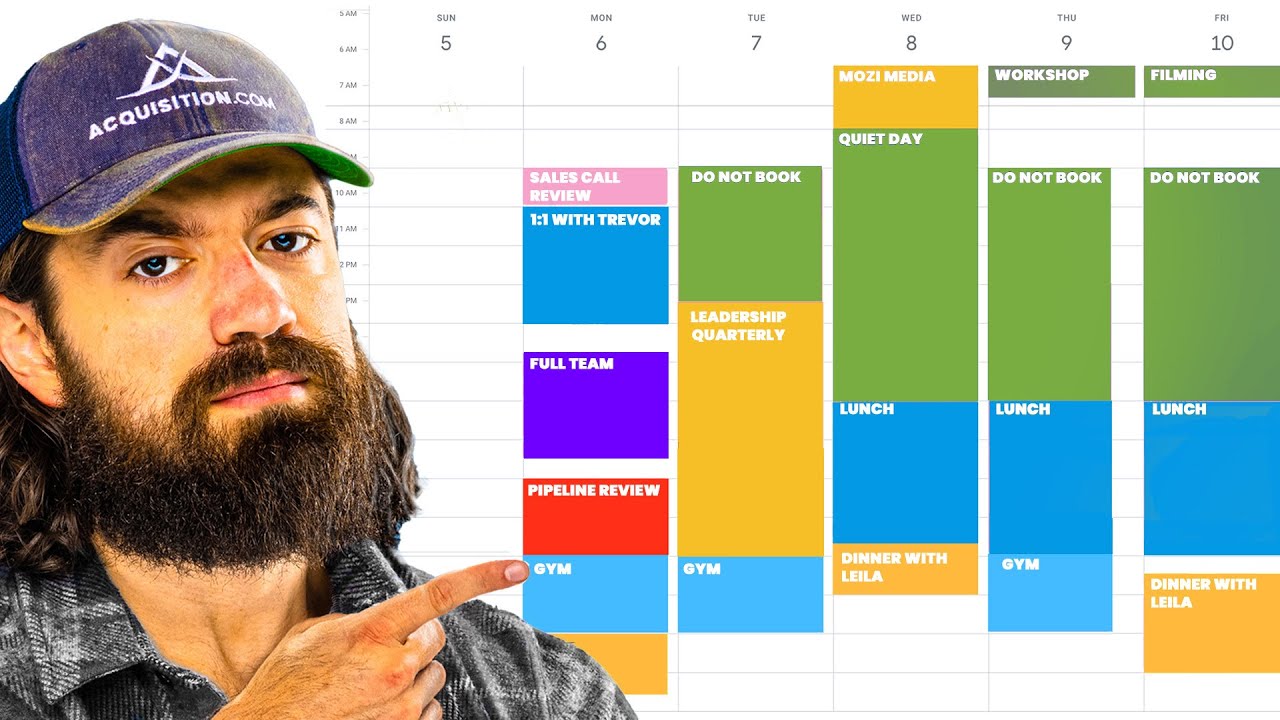

![Business Analyst Full Course [2024] | Business Analyst Tutorial For Beginners | Edureka](https://img.youtube.com/vi/1QKIvt05LmA/maxresdefault.jpg)