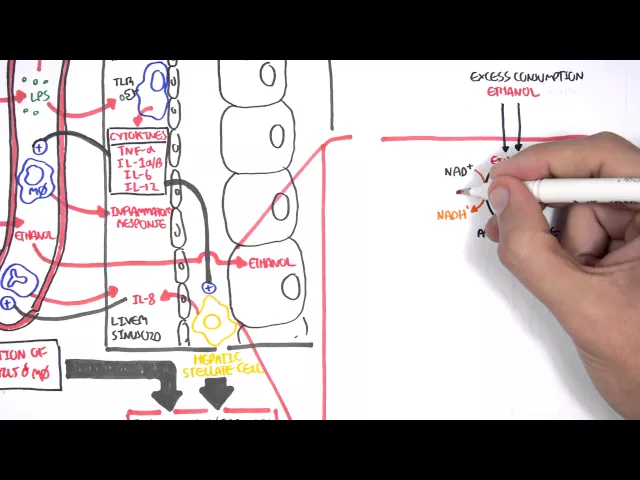
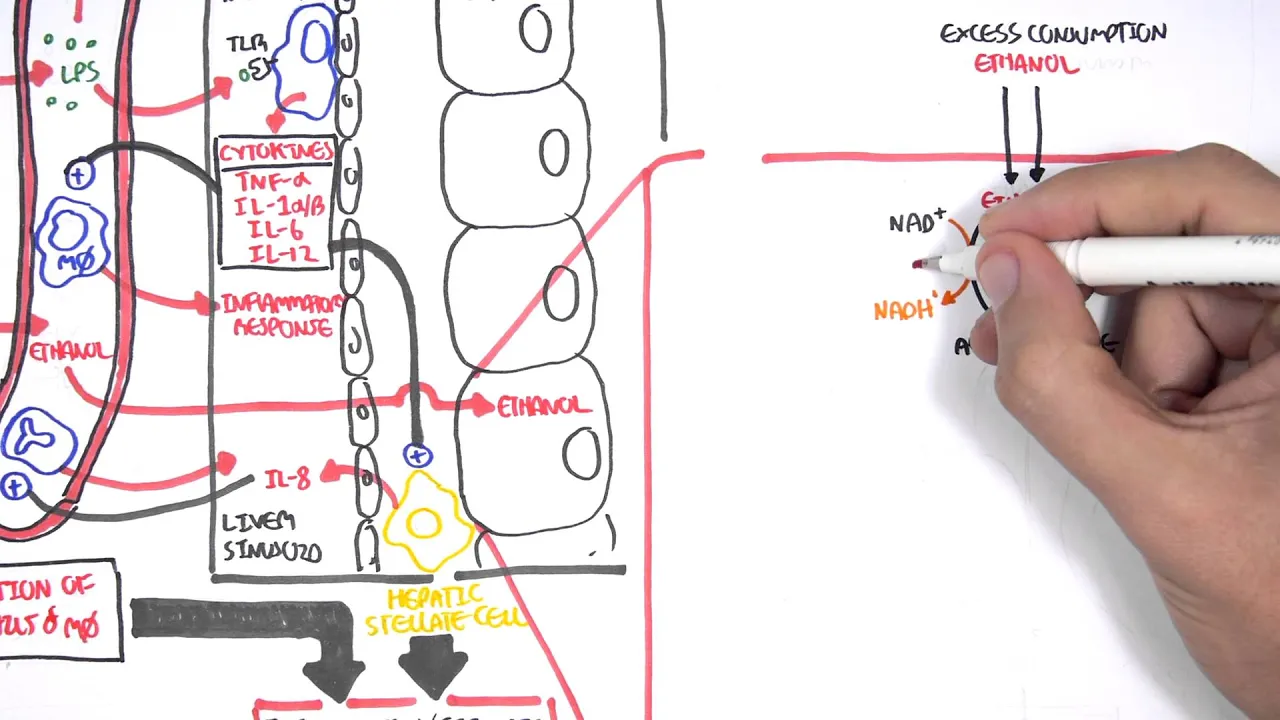
hello in this video we're going to look at ethanol physiology so the physiology of alcohol how we metabolize it how we absorb it Etc so we begin with the liver here is the liver the liver has a portal vein the portal vein essentially is what drains all the git stuff um into so the git veins drains into the portal vein and the portal vein drains into the liver um and here we have the liver cell also known as hepatocytes here is the liver sinusoid and within the area there are also liver macrofagos called CA cells
there are also hepatic steelite cells here which are normally at rest you know they stay dormant um they're not really active anyway that was the liver um here are your intestinal cells it can intestinal cells of the stomach and the small intestine for example and here is the Lumen so um and on these intestinal cells sorry there are mucus and mucus is a barrier it it helps it's a barrier from microbes and stuff like that now normally reciting on the mucus um throughout the gut throughout our gastrointestinal tract there are commensal bacteria mainly gr negative
bacteria now commensal bacteria are just bacteria that live there in unison with the uh with the organism which is Us in this case Now ethanol has a impact on gr negative bacteria and we will see what happens so ethanol which is alcohol will be in the Lumen when we drink it right um and now chronic alcohol consumption it causes a few local changes in the gastrointestinal tract firstly it actually increases gut permeability and promotes bacterial growth which may lead to increase in circulatory um lipopolysaccharide now lipopolysaccharide is a antigen uh found on these bacteria normally
so when you have a lot of growth of these bacteria due to alcohol and the increase in gut permeability the lipopolysaccharide of the bacteria can get into circulation that's essentially the overall picture so that was the lipopolysaccharide story for now and we'll get back to it but first first let's go back to the gastrointestinal tract ethanol of course is absorbed in the gastrointestinal tract mainly in the stomach and the small intestine okay so let us now look at the effects lipopolysaccharide LPS has on our body so LPS travels to the liver here LPS lipopolysaccharide is
recognized by Kus cells in the liver through tolik receptors which are immune cell receptors essentially when kopa cells recognizes the lipopolysaccharides it begins secreting cyto such as tnf Alpha Incan 1 Incan 6 and Incan 12 these cyto kindes have many effects one of which is recruiting more white blood cells into the area such as macrofagos and thus you know attracting macrofagos it promotes an infl dietry response the cyto kindes also stimulate hepatic State cells to become activated and to secrete Incan 8 um an effective chemotactic agent for recruiting circulating neutrophils which will further enhance the
inflammatory response so infiltration of neutrophils and macrofagos together with hepatic uh Sate Cell Activation leads to inflammation as well as fibrosis the Sate cells when activated um it it actually becomes myof fibrocytes and begins producing a lot of collagen which which is the cul the culprit uh for fibrosis so we just saw the effects lipopolysaccharide has on the body and how inflammation leads to fibrosis now let's go to ethanol which was absorbed into circulation let us see the biochemical effects ethanol has on the liver so ethanol is absorbed in the portal vein and it travels
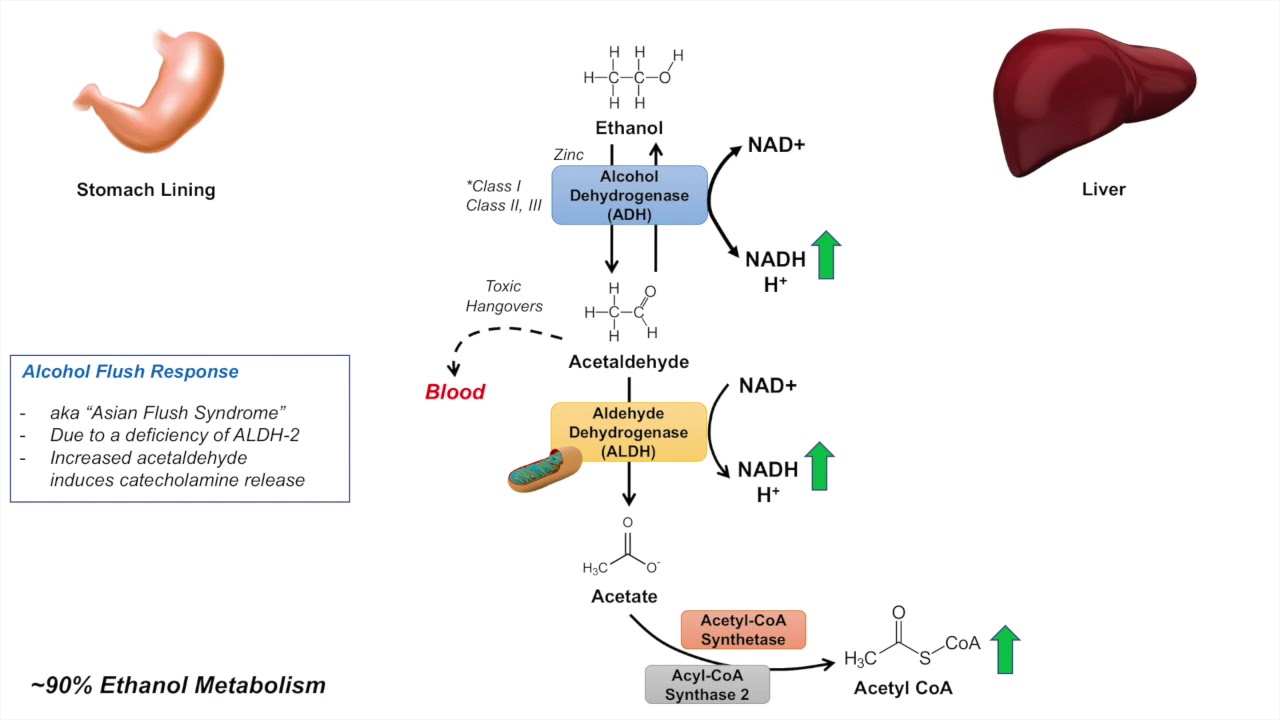
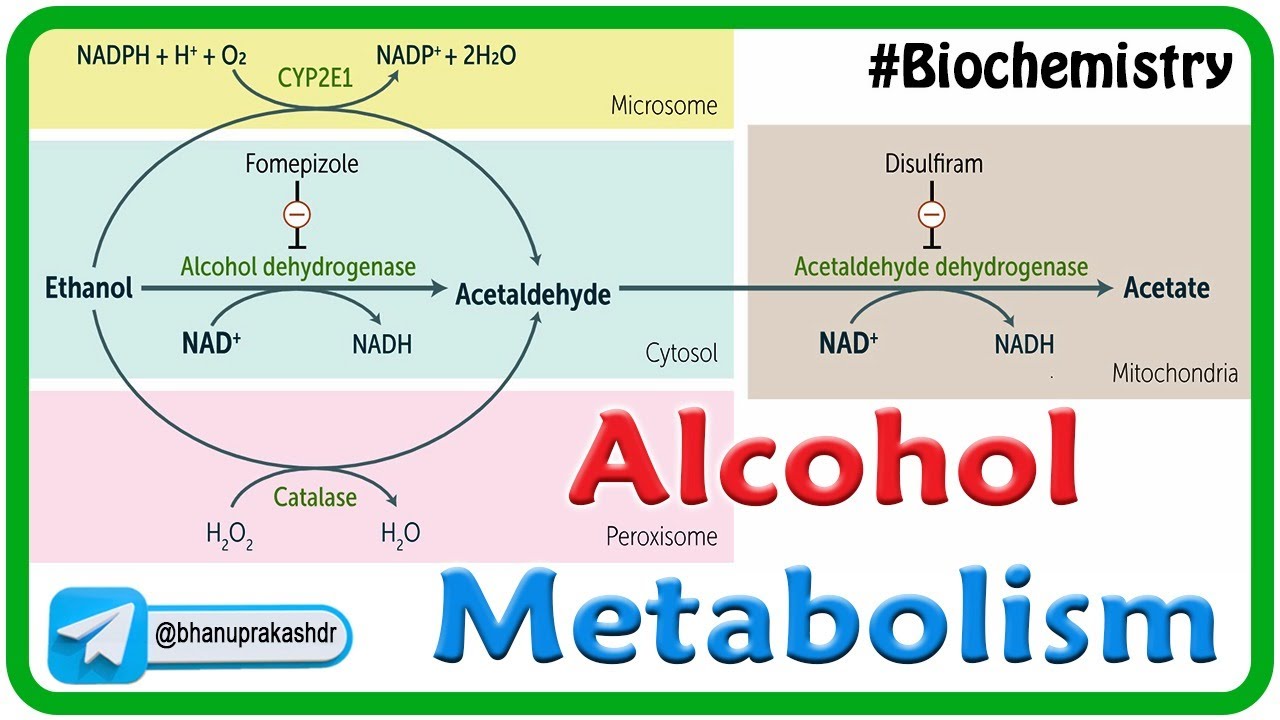
to the liver like the lipopolysaccharide let us zoom into one of these hepatic cells and see the metabolism that occurs for liver uh for alcohol so excess consumption of ethanol we have ethanol moving into the liver cells there are several Pathways of ethanol metabolism so we have excess consumption of ethanol ethanol moves from the outside to the inside of the liver cell ethanol gets metabolized converted into acetol alide and there are two main Pathways the first one and the main one is done um by the enzyme alcohol dehydrogenase ADH and in this reaction NAD is
reduced to um nadh the second pathway is through the cytochrome pathway way um so ethanol is still converted to acid alahh but cyto but the this reaction results in the production of reaction reactive oxygen species R so therefore the liver usually uses the um alcohol dehydrogenase pathway 75% compared to the cytochrome pathway 25% because if we have too much AAL alahh and Rea reactive oxygen species like this stuff damages our body body so for example it can cause formation of DNA adducts um resulting in mutations which can result in some you know um problems but
of course if we have so much ethanol you can imagine what happens um we start using the cytochrome um pathway and so we produce a lot of Rea reactive oxygen species anyway when we have a lot of acetal alahh this can also be converted to a acetate through the enzyme um acetal alhy dehydrogenase in this reaction NAD again is reduced to nadh so we are producing a lot of nadh when we drink a lot of ethanol just keep that in mind we have a lot of nadh so acetate can be converted to AET acyoa acyoa
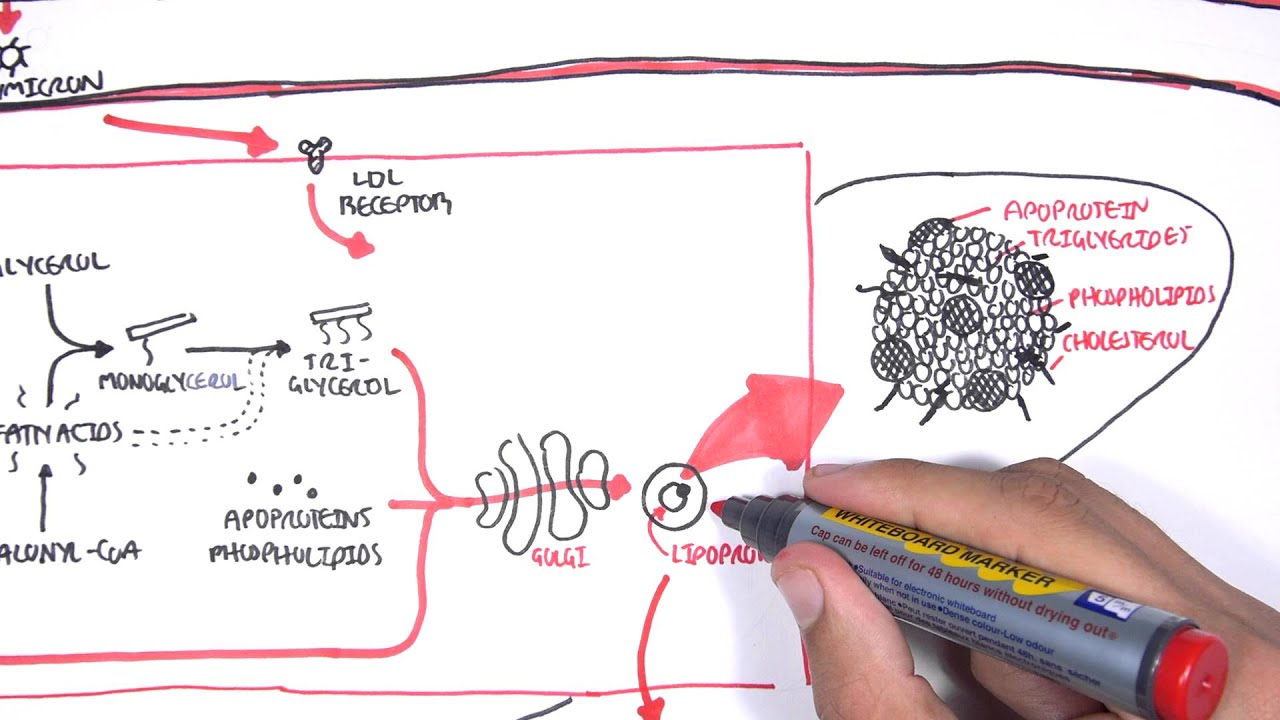
is a main precursor to fatty acid uh synthesis now fat fatty acid synthesis is actually stimulated when we have a lot of nadh because when because nadh is used um is used in this uh convert in this in the synthesis of fatty acids so nadh is oxidized to NAD so um all the hydrogens are being used um to make up the fatty acids so fatty acids are a lot of fatty acids are being made um and also so the fatty acids are being packaged up to Tri triglycerides triog glycerides and so nadh also stimulates this
um this reaction when we have a lot of nadh um which which we see in um in excessive alcohol intake a lot of nadh thus inhibits uh you know fatty acid breakdown so it inhibits Tri triglyceride breakdown to fatty acids and it also inhibits fatty acid breakdown to AOA it inhibits beta oxidation because we don't need any more nadh when we have so much so it inhibits the you know this reaction so I hope that all made sense but in summary um this is the main concept we have to take out of excessive alcohol intake
when we when we have excessive alcohol intake this results in an increase in fatty acid synthesis but a decrease in fatty acid oxidation so fatty acid breakdown when this happens it basically means that we have a lot of fat in the liver and so this results in steatosis so we have you know two main things happening or three we have inflammation we have fibrosis and we have steatosis as a result of excessive alcohol intake and this all results in um liver curosis I wrote here liver fibrosis but it should be liver sosis but same concept
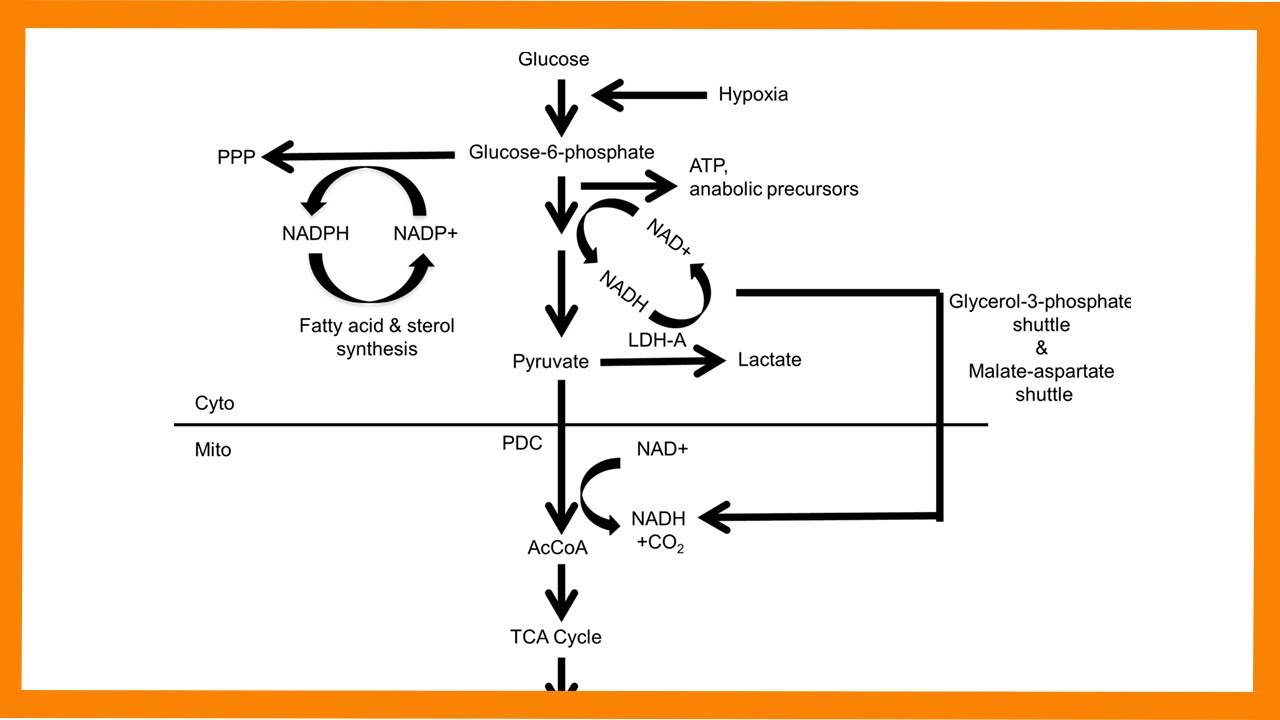
just to finish off this U metabolic pathway when we have glucose right so glucose gets transported into liver cells through the glute transporter glucose goes through glycolysis to make pyruvate pyruvate or then goes through other Pathways but glycolysis actually produces um nadh but you can when when we drink a lot of ethanol we also produce a lot of nadh right so when we have excessive ethanol consumption we actually you know we inhibit glycolysis so we inhibit glucose breakdown similarly when we have uh similarly it you know a lot of nadh will inhibit pyate conversion to
a COA so thus we we can we can cause um you know we can cause hypoglycemia but actually we don't excessive ethanol intake um causes the person not to be hungry thus can lead to hypoglycemia glycogen um glycogen stores are also not being broken down um thus leading to hypoglycemia just to complete uh this whole diagram now um excessive ethanol int intake not only affects the liver but also affects uh our neurological system so for example excessive ethanol intake can lead to Vitamin B one deficiency now the vitamin B1 is known as thyine deficiency and
thyine thyine is very important in um uh our you know is very important for our body because thyine is responsible for a lot of metabolic uh Pathways so thyine deficiency results in three things so thyine deficiency can result in a condition known as berry berry um wor keys um encel opathy U basically neurological pathology and also um corov psychosis and this is essentially memory loss so I hope you enjoyed this video on the physiology of alcohol or alcohol physiology thank you for watching bye