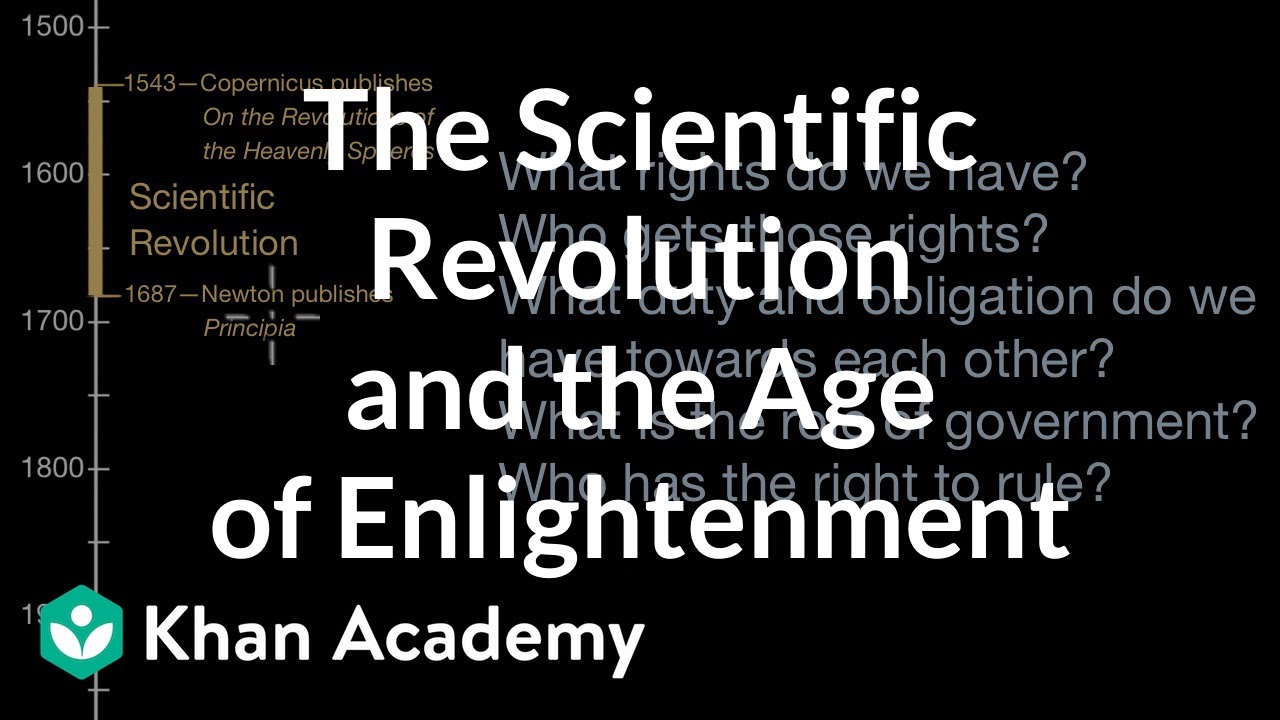
hey guys it's mrs streitman i'm just going to walk you through some of the key beliefs of the enlightenment philosophers that we're going to study there are four of them all together but first i think we should review what the age of enlightenment actually is so let's take a look at that so the age of enlightenment is a period in the 18th century in europe where science and philosophical thought and idea leads the way instead of just religion and tradition and dogma so people are asking why they're thinking outside the box they're questioning everything from
why they exist to why their government works the way it does to just scientific questions about why the world functions in particular ways so it's philosophical it's scientific it's all about exploration and learning and asking why and not just accepting what generations before you have told you is true i'd like to think that we're sort of like in this now perpetual age of enlightenment lucky for you guys all right so there are four philosophers we'll look at as i said locke montesquieu voltaire and rousseau and we'll take a look at each guy and we're going
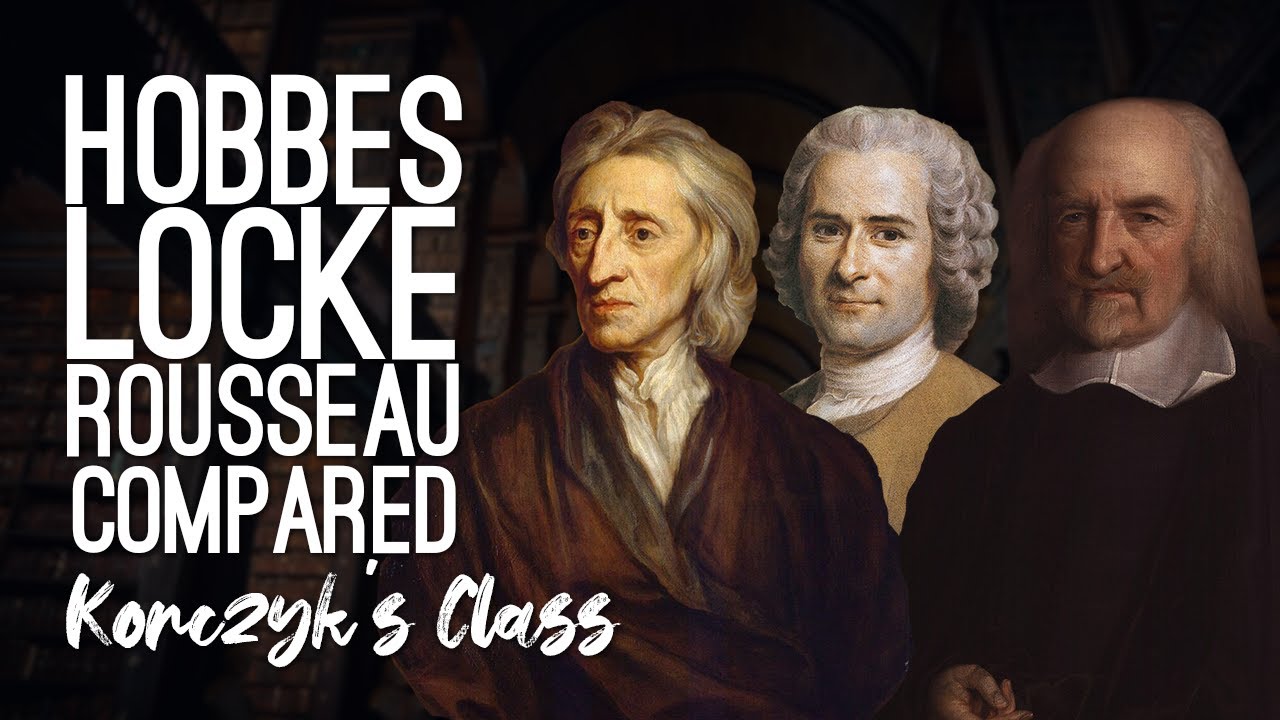
to go in chronological order it's important to remember these guys existed um before our founding fathers did right this age of enlightenment most of these thinkers were alive and then dead before you know the revolution took place in the 13 colonies but it doesn't mean that their ideas didn't influence our founding fathers as you'll see so first we'll look at locke this is john locke i'm going to try to zoom in on him he was alive 1632 1632-1704 not important that you memorize the date but i just want you to think about the french and
indian war um happened in 1763 and then all of the tax acts that happened after that leading up to the revolution in 1776 so he's gone like a solid 60 years before that happens so what does lock believe a couple different things so please jot these down the first i don't know why it's not zooming in properly sorry is that there we go all people are born equal with a blank slate a tabula rasa like our brains are just and our lives our personalities only develop because of the experiences we have but we're all born
blank slate blank page all identical basically and he says we're born into the state of nature the state of nature is a world without government so we are free to do as we want just party make your own rules doesn't really matter have a good time um but not so much and we'll get to that locke believes that all people have three natural rights those rights are life liberty and property what does he mean by natural rights though he means that like just because you exist just because you're a living thing you have the right
to these three items life literally meaning like your life you should be free from being killed or injured or harmed liberty which means freedom you shouldn't be you know thrown into a cage you shouldn't be forced into handcuffs without any good reason that your freedom to move around the world shouldn't be taken away from you and then also the right to property what is yours is yours and other people can't steal your stuff he says that um even though we're born into that state of nature where we can have whatever rules we want we choose
to make a government so that they can help protect those three natural rights he says without a government like we would be fighting for those rights all the time and they'd be at risk so we sacrifice some freedoms to get a government to protect our natural rights but what happens if your government is terrible and they don't protect those rights they don't protect your life liberty and property well he says overthrow it get rid of it get rid of the government get a new one all right we'll see you later lock the next guy up
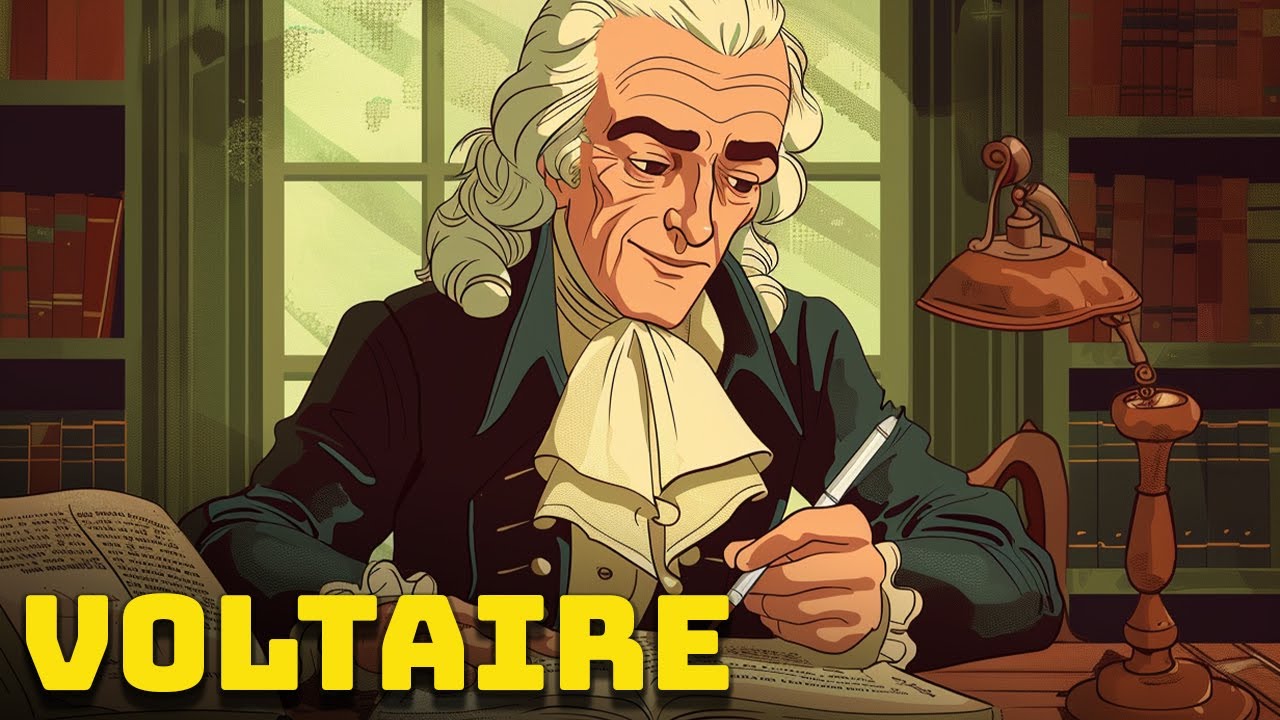
is voltaire i like his little cheesy uh smirk here he's alive 1694 to 17 26 little little uh longer than lock stuck around so voltaire is a deist deism um basically says god made the universe and then said bye don't ruin it so he wasn't actually religious he just said it makes sense to me it seems logical that a higher power created the world and our job is to not screw it up he is for freedom of speech he is against censorship and he is for freedom of religion so speech say what you want if
you dare voltaire right like the government can't tell you to stop talking or acting a certain way even if it's rude or offensive it doesn't matter speak your mind he's against censorship he says that you should be able to express yourself and the government can't limit that he also is for freedom of religion and this is twofold this is important guys number one the government can't force you to practice a religion so tomorrow the president can't get up and give a speech and say hey everybody now needs to be protestant if you aren't we'll throw
you in jail he says that's wrong he also says that they can't stop you from practicing a religion no matter how ridiculous it is so if i wake up tomorrow and say i am now a member of the church of the flying spaghetti monster which is a thing you can google it um i can't be punished for that or someone can't force me to give that up it's my my personal belief um he thought government and the church should operate separately so the people that make the laws need to be sep the government right needs
to be apart from like your religious leaders and your church leaders um that having a religious ruler or a government that forces religion on you is a bad thing and can be dangerous and lead to corruption next up is montesquieu he is alive 1689 to 1755. look at those wavy locks his is really simple and it should be kind of familiar to you guys montesquieu says government should be divided into three branches a legislative branch to make laws an executive branch to enforce laws and a judicial branch that interprets the laws and figures out how
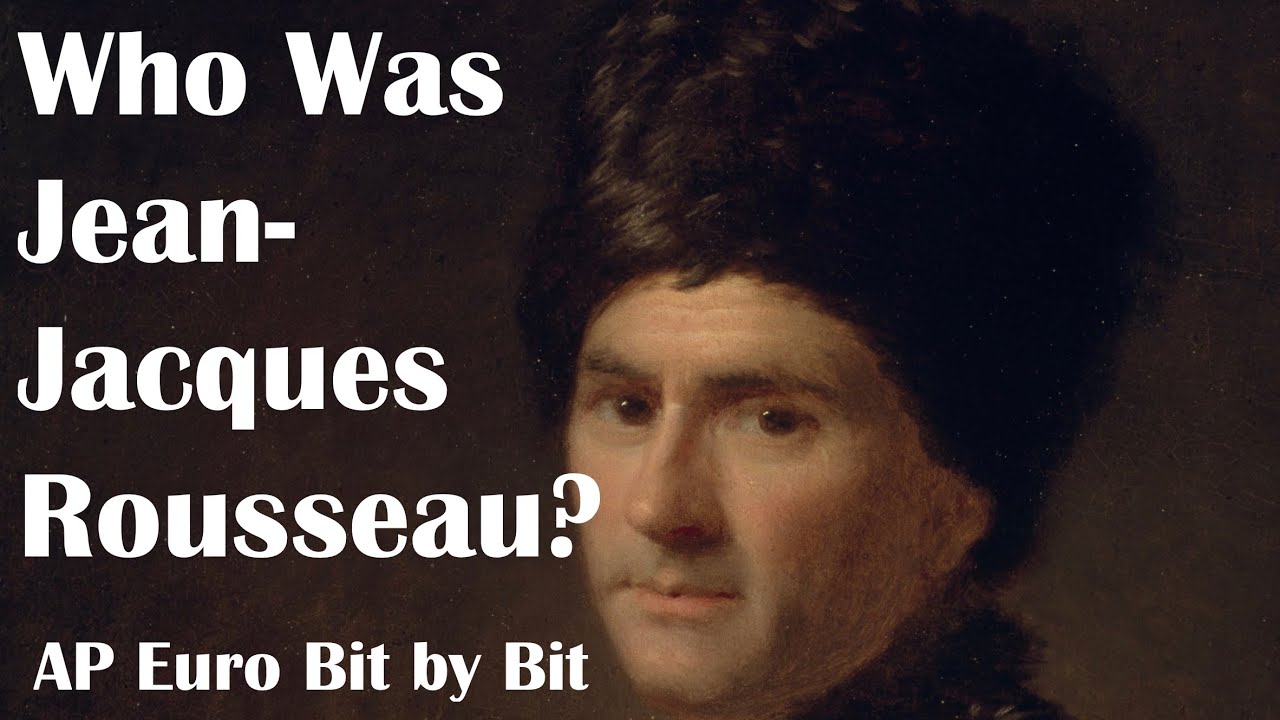
they apply in the real world he says that these branches need checks and balances without having three branches the government would get too powerful it could mess with people's rights it could ruin our freedoms it could become tyrannical so we divide the government into three branches and the best way to remember montesquieu and three branches of government he's the guy with the longest name the only one with a three-syllable name so montesquieu for three branches of government executive judicial and legislative all right last but not least is russo the frenchman quite obviously rousseau is alive
1712 to 17 1778 so he actually kind of knows a little bit about the uh unrest that's brewing in the colonies so rousseau says when there is no government very much like what lock said we end up in a state of nature and i just want to review that definition again with you the state of nature is when people exist without government there are no rules no laws people left up to their own devices unlike lack he's really kind of negative about the state of nature you know locke said we create a government um because
they'll help protect our life liberty and property and rousseau says listen y'all we are greedy the state of nature is bad like it is not an option for us so he says people start to believe in this social contract they create an agreement between the government the people and the government we give up some of our freedoms in exchange for help from that government so you know what now i can't uh go out and loot a store and i can't like run around outside without any clothes on or i can't punch someone in the face
without a consequence not that i want to do any of these things i don't but people do crazy things when there are no rules right so he says we're going to give up some of those weird freedoms in exchange for protection and guidance from our government but how do we prevent the government then from becoming too powerful like if we sacrifice our freedoms and give them to a government what if that government becomes corrupt rousseau says the way the government doesn't become corrupt is that they have to do the people's will this is called popular
sovereignty or majority will aka listen to the people the government should do what the people want within reason right all their decisions should be based on the populace and what citizens want but they're there kind of as a buffer in case we want something stupid they can say hey guys this isn't in your best interest maybe you shouldn't do it alright that's all i have for you hope you learned something new about the enlightenment philosophers


![The ENLIGHTENMENT, Explained [AP Euro Review—Unit 4 Topic 3]](https://img.youtube.com/vi/VMZQmFQHzb4/maxresdefault.jpg)