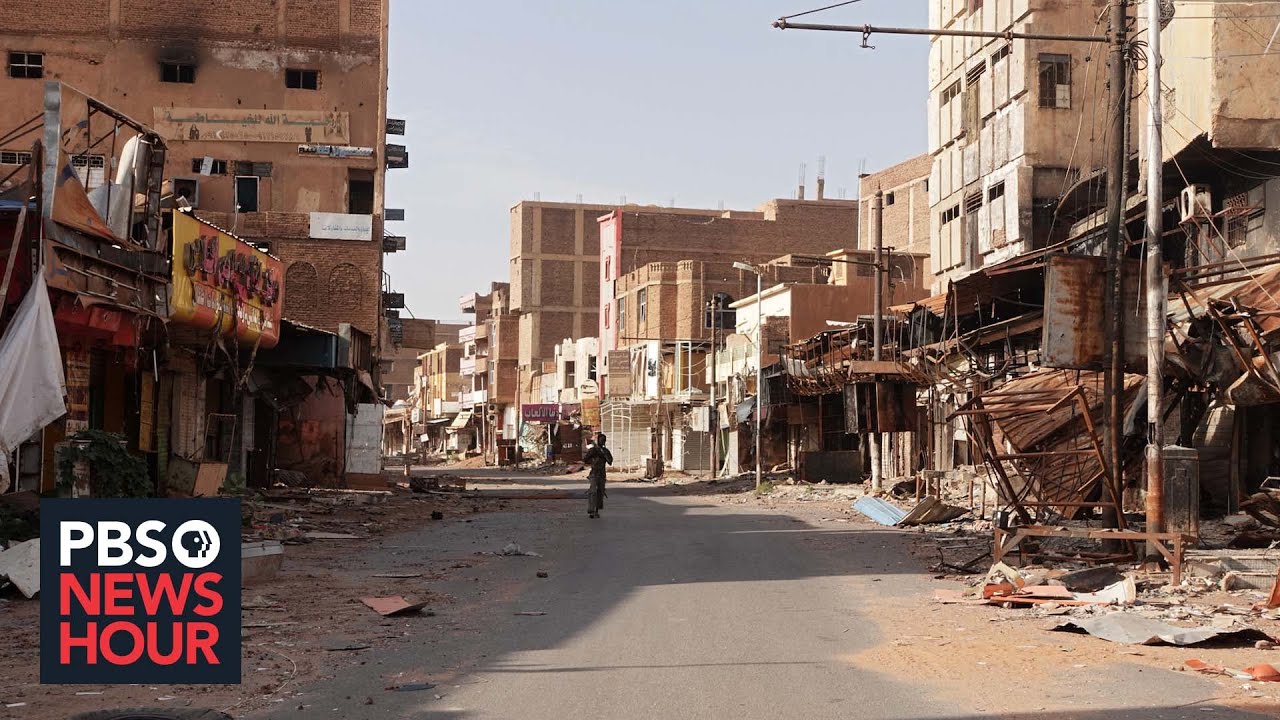
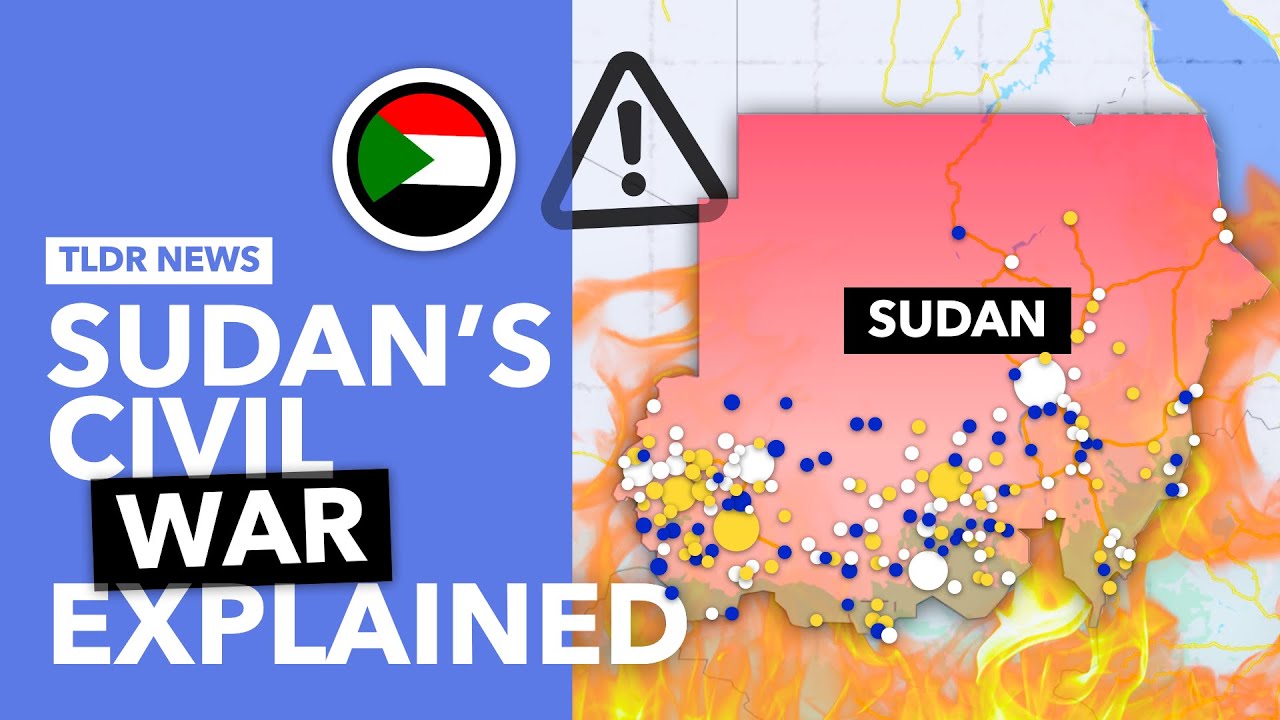
Imagine living through a coup attempt every decade for the past 60 years. That's exactly what's happened in Sudan, the northeastern African state with more than 40 million people. In October 2021, thousands of people flooded the streets after the military seized power in another coup.
So what's gone wrong? The most important thing to understand is that Sudan's economic hardships and political instability didn't happen on their own. It didn't happen out of a vacuum.
You have Sudan, it's plagued by a number of civil wars throughout the time, from its time of its independence. You have a lack of unity. You have different superpowers that are getting involved.
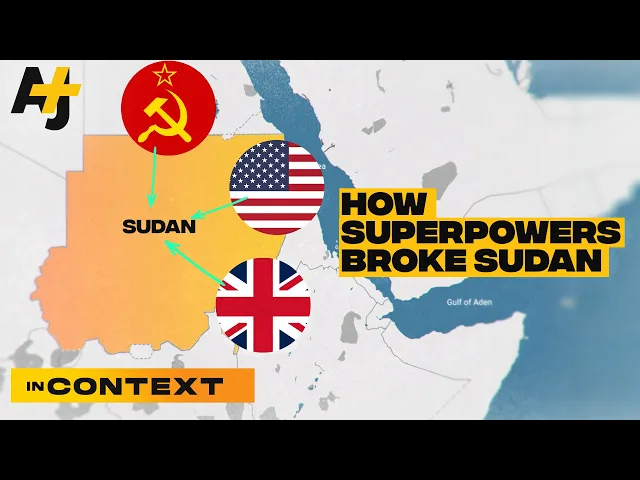
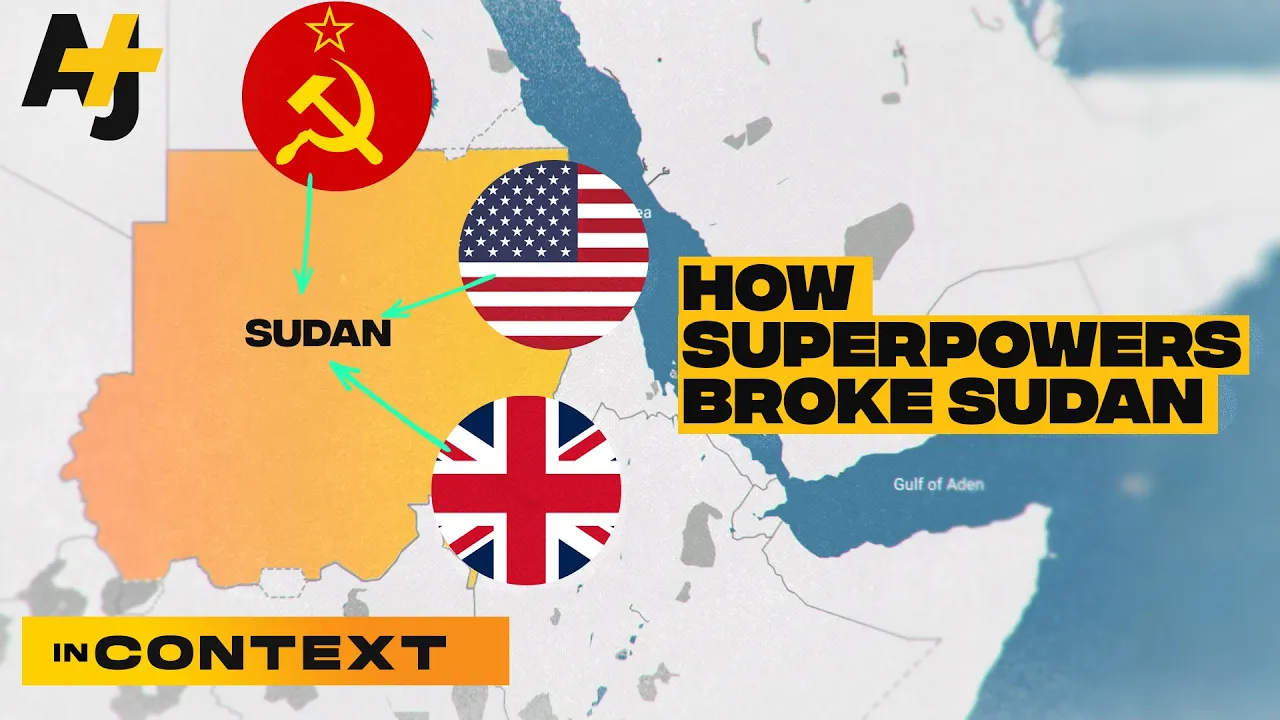
Ah, yes, foreign intervention. First, it was the British Empire. The British colonized Sudan at the turn of the 20th century, sharing colonial control with Egypt, which was subordinate to Britain.
British colonialists invested heavily in the north, while Egypt ruled over the south. Britain put northern leaders in positions of authority, modernized schools and encouraged Islam. While in the south, British rulers scattered power among hundreds of tribal leaders, and Christian missionaries ran the education system.
This colonial tactic of divide and rule created socioeconomic tensions that played a role in Sudan's future conflicts. And then it culminated with these various civil wars that occurred throughout the history of Sudan. Sudan gained independence from British colonial rule in 1956, but its troubles didn't end there.
As part of the Horn of Africa, Sudan was extremely important in geopolitics. Injections of weapons from world superpowers, including the United States, aggravated existing class, ethnic and religious tensions. In fact, Sudan has often been dubbed as, quote, “Africa's arms dump.
” During the Cold War, Sudan was one of many countries ravaged by the U. S. and Soviet Union, waging war via local proxies.
The U. S. alone sold Sudanese governments nearly $1 billion in arms during that time.
And today, Sudan is one of Russia's biggest customers on the African continent. So Sudan inherited colonial-engineered ethnic tension and was armed by countries eyeing Sudan's geopolitical importance. And that's why it's not a coincidence that armed conflicts have consistently flared up in Sudan.
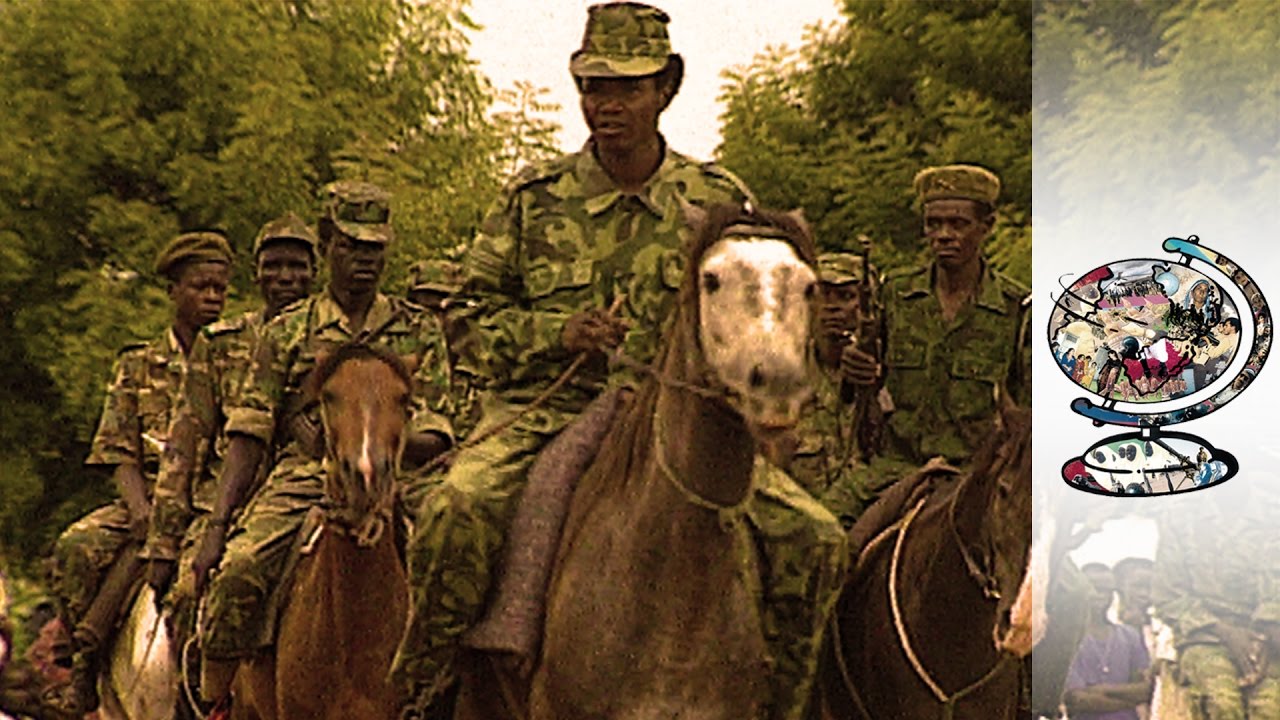
Since gaining independence, Sudan went through two civil wars just 11 years apart, the second of which left around 2 million people dead and more than 4 million displaced. Government backed militia groups massacred countless Darfuri civilians in 2003 after anti-government armed groups began fighting the state. All this political instability meant the economy was going to struggle, which in turn only worsened the political instability.
A bad foundation set by exploitative colonial practices and frequent armed conflicts was already hampering Sudan's economic development. U. S.
sanctions and the independence of South Sudan added more challenges in managing the economy. In 1997, the U. S.
placed debilitating sanctions on Sudan after labeling it as a state sponsor of terrorism. Based on false claims that a pharmaceutical factory was producing chemical weapons for al Qaeda, the U. S.
bombed the factory in Khartoum, Sudan's capital. The 20-year sanctions cut Sudan off from most international trade. Essential items like health care equipment and airplane parts became inaccessible.
<i>Down, down, U. S. A.
! </i> In 2011, after the long haul of the second civil war, South Sudan gained independence. The secession of South Sudan meant that Sudan lost an estimated 75% of its oil reserves and a huge chunk of its income.
It's therefore no surprise that 36% of Sudan's population were thought to be living in poverty in 2014. The U. S.
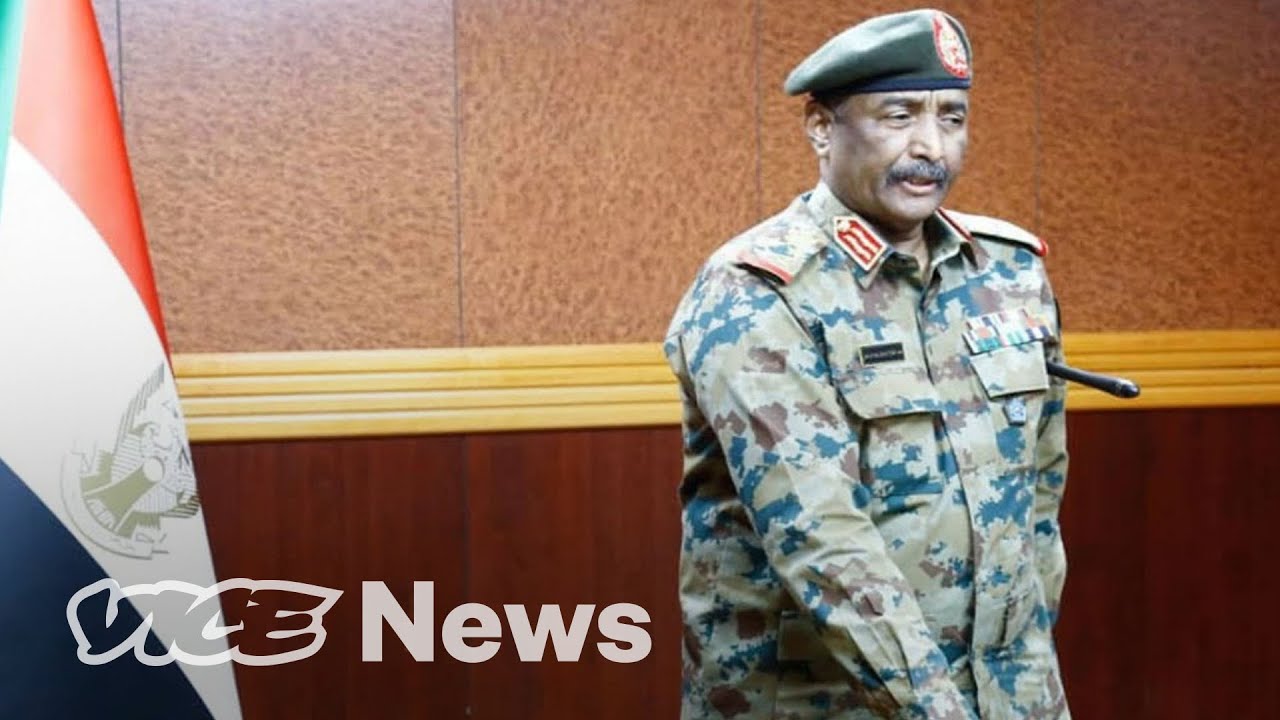
did eventually lift sanctions in 2017, but in the shadow of the sanction’s long lasting effects, life for many Sudanese people didn't improve. In 2019, the Sudanese military took control after protests swept across the country due to rising food and fuel prices. Omar al-Bashir, a military-backed ruler who stayed in power for 30 years, was overthrown.
But pro-democracy groups couldn't force the military out of power. Civilian leaders and military heads were supposed to co-govern the country until 2023 to run a democratic election and transition to a completely civilian-led government. But the deteriorating economy and COVID pandemic made things even harder.
Protests broke out calling for military reform and full civilian rule. But like more than a dozen times before, the military took over and dissolved the transitional government. With foreign intervention, historical ethnic tension, heavily armed conflict and economic struggle, the 2021 coup has thrown Sudan into another wave of uncertainty, but also into another wave of resistance.
The people should have the power. The people have taken to the streets. The people are voicing their displeasure.
For the most part, the people themselves are truly interested in removing the military from power and having democratic elections and having a civilian government. So the people themselves actually need to run the government, be in charge of their own fate. Because for so long, they have not been able to.
They've been denied this. Imagine living through coup attempts every decade for the past 60 years. That's exactly what's happened in Sudan.
The northeastern African state with more than 40 million people. In October 2021, thousands of people flooded the streets after the military seized power in another coup. So what's gone wrong?
The most important thing to understand is that Sudan's economic hardships and political instability didn't happen on their own. It didn't happen out of a vacuum. You have the Sudan, it's plagued by a number of civil wars throughout the time, from its time of its independence.
You have a lack of unity. You have different superpowers that are getting involved. Oh, yes, foreign intervention.
First, it was the British Empire. The British colonized Sudan at the turn of the 20th century, sharing colonial control with Egypt, which was subordinate to Britain. British colonialists invested heavily in the north, while Egypt ruled over the south.
Britain put northern leaders in positions of authority, modernize schools and encouraged Islam, while in the south, British rulers scattered power among hundreds of tribal leaders and Christian missionaries ran the education system. This colonial tactic of divide and rule created socioeconomic tensions that played a role in Sudan's future conflicts. And that culminated with these various civil wars that occurred throughout the history of Sudan.
Sudan gained independence from British colonial rule in 1956, but its troubles didn't end there. As part of the Horn of Africa. Sudan was extremely important in geopolitics.
Injections of weapons from world superpowers, including the United States, aggravated existing class ethnic and religious tensions. In fact, Sudan has often been dubbed as, quote, “Africa's arms dump. ” During the Cold War, Sudan was one of many countries ravaged by the U.
S. and Soviet Union, waging war via local proxies. The U.
S. alone sold Sudanese governments nearly $1 billion in arms during that time. And today, Sudan is one of Russia's biggest customers on the African continent.
So Sudan inherited colonial-engineered ethnic tension and was armed by countries eyeing Sudan's geopolitical importance. And that's why it's not a coincidence that armed conflicts have consistently flared up in Sudan. Since gaining independence, Sudan went through two civil wars just eleven years apart, the second of which left around 2 million people dead and more than 4 million displaced.
Government backed militia groups massacred countless Darfuri civilians in 2003 after anti-government armed groups began fighting the state. All this political instability meant the economy was going to struggle, which in turn only worsened the political instability. A bad foundation set by exploitative colonial practices and frequent armed conflicts was already hampering Sudan's economic development.
US sanctions and the independence of South Sudan added more challenges in managing the economy. In 1997, the US placed debilitating sanctions on Sudan after labeling it as a state sponsor of terrorism. Based on false claims that a pharmaceutical factory was producing chemical weapons for al Qaeda, the US bombed the factory in Khartoum, Sudan's capital.
The 20 year sanctions cut Sudan off from most international trade. Essential items like health care equipment and airplane parts became inaccessible. <i>Down, down, U.
S. A. !
</i> In 2011, after the long haul of the second civil war, South Sudan gained independence. The secession of South Sudan meant that Sudan lost an estimated 75% of its oil reserves and a huge chunk of its income. It's therefore no surprise that 36% of Sudan's population were thought to be living in poverty in 2014.
The US did eventually lift sanctions in 2017, but in the shadow of the sanction’s long lasting effects, life for many Sudanese people didn't improve. In 2019, the Sudanese military took control after protests swept across the country due to rising food and fuel prices. Omar al-Bashir, a military backed ruler who stayed in power for 30 years was overthrown.
But pro-democracy groups couldn't force the military out of power. Civilian leaders and military heads were supposed to govern the country until 2023 to run a democratic election and transition to a completely civilian led government. But the deteriorating economy and COVID pandemic made things even harder.
Protests broke out calling for military reform and full civilian rule. But like more than a dozen times before, the military took over and dissolved the transitional government. With foreign intervention, historical ethnic tension, heavily armed conflict and economic struggle.
The 2021 coup has thrown Sudan into another wave of uncertainty, but also into another wave of resistance. The people should have the power. The people have taken to the streets.
The people are voicing their displeasure. For the most part that people themselves are truly interested in removing the military from power and having democratic elections and having a civilian government. So the people themselves actually need to run the government be in charge of their own fate, because for so long, they have not been able to, they've been denied this.