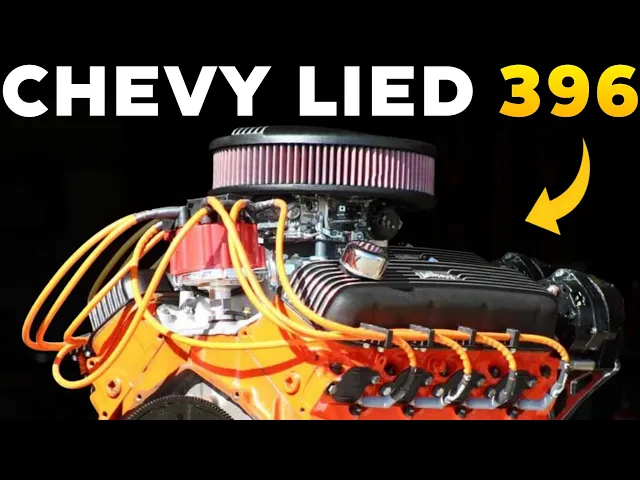
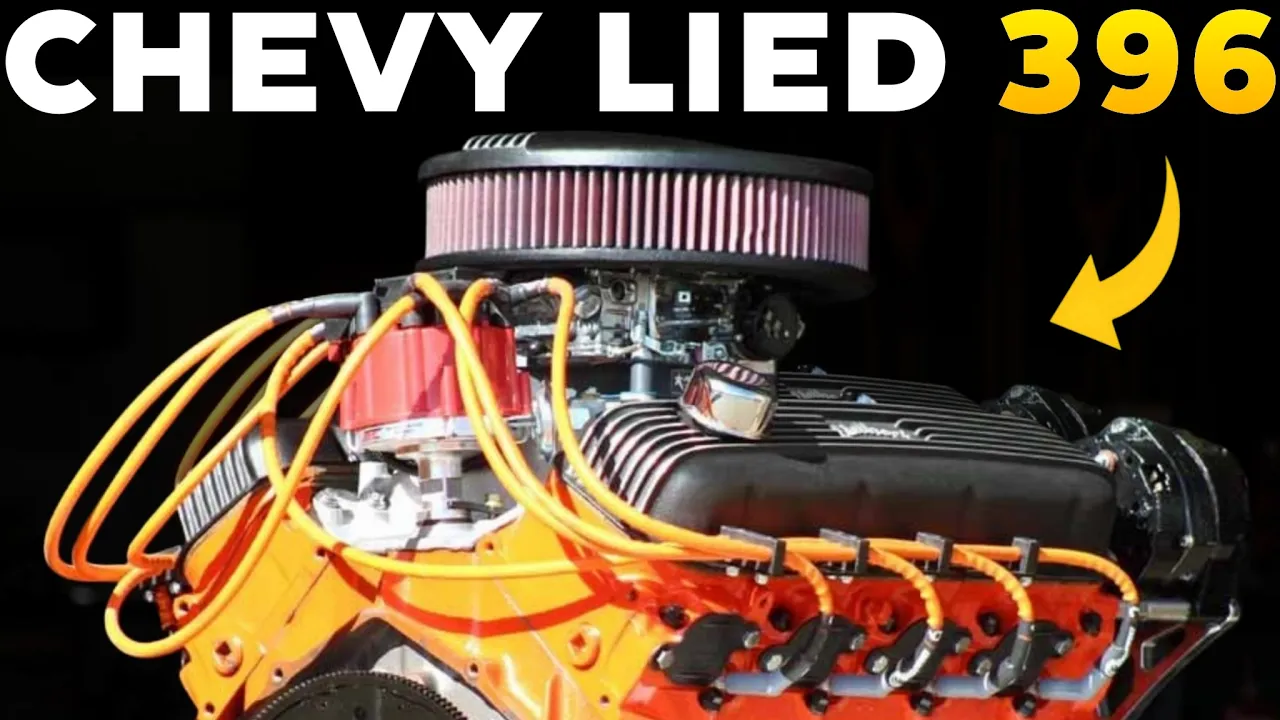
what was the mystery behind Chevrolet band 396 porcupine engine it was an engine so dangerous NASCAR buried it so radical Chevy lied about its power and so secret even Ford couldn't kill it this is the Shocking True Story of the 396 porcupine the ban engine that refused to die what if I told you the mystery motor didn't die it was rebuilt it's the mid 1960s and Chevrolet is locked in a fierce battle for horsepower Supremacy the legendary 396 big block engine l78 variant emerges as a high- performance Powerhouse equipped in iconic muscle cars like the Camaro chevel El Camino and even the Corvette got the L 88427 we will come back to that another time behind its roaring success lies a shadow of Mystery Whispers of a band version the so-called porcupine engine have fueled Decades of speculation was this engine truly outlawed by NASCAR did Chevrolet underrate its horsepower to keep it under the radar and how does the illusive 396 connect to the legendary 427 mystery motor it's a story of innovation secrecy and the Relentless pursuit of speed imagine a dark alleyway on the side of Chevrolet factory a group of elite Engineers are burning documents in 1963 after GM's racing ban with one salvaging a 396 blueprint they thought the porcupine was extinct but deep in Detroit's underworld a shadow Factory was already revving to life the birth of the big block the Chevrolet 396 cubic in V8 was introduced in January of 1965 Midway through the 65 model year but maybe the the proper place to begin is with the near legendary 427 NASCAR mystery engine of 1963 see our feature on the mystery motor although the 427 mystery Mark 2 and the 396 markv are of two different engine families they are products of the same development path and share many of the same features but while the mystery engine effectively dead ended in ' 63 the 396 was the first in a long and success uccessful series of big block V8s opening a chapter in the Chevy performance story that is still being written the most obvious element of the mystery engine that was carried forward to the 396 and all the big block Chevy V8s that followed was the distinctive caned valve cylinder head above by spaying the intake and exhaust valves relative to each cylinder the valve diameters could be larger and the port angles straighter improving air flow with the valve covers removed the valves and rocker arms on this novel setup appeared to be pointed in every direction inspiring the nickname porcupine head early on at some point the engine family picked up the name big block due to its larger boore spacing and taller deck height than the original 1955 Chevy V8 AKA small block there were actually three 396 cubic in V8s introduced in early 1965 including the l78 for the Corvette and full-sized cars and the l37 for a special version of the chevel SS known as the Z16 all featured a 4. 94 in bore and a 3. 76 in stroke and were marketed under the name Turbo Jet V8 rated at 425 horsepower at 580° F 6,400 RPM the L 78 was a serious piece of equipment boasting four bolt main caps a holly four barrel carb an 11 to1 compression ratio and a solid lifter cam shaft the l37 V8 for the Z16 chevel was essentially the same Stout package but with a less aggressive cam shaft profile and hydraulic lifters and it earned a 375 horsepower rating the 396 in the Z6 an extensively equipped machine was dressed out with a chrome air cleaner lid and valve covers only 2001 were built finally there was an l35 version in milder tune for the big cars biscane belir Impala with a 10.
25 to1 compression ratio and 325 horsepower introduced at midyear the 65396 was not produced in massive numbers but it spawned an extensive line of 396 and 427 CID V8s for 1966 and Beyond a 454 CID V8 version appeared in 1970 and in its final state of production development decades later the big block V8 evolved into the 8. 1 L 496 CID vortek used in Chevy trucks but the story hasn't ended yet though the 396 was intended to be a production Powerhouse rumors suggest that Chevrolet had a more radical version in development a high performance variant that was supposedly too powerful for its time but before it could reach its full potential it was abruptly sidelined why Chevrolet's NASCAR dominance in the 1960s during the 1960s Chevrolet emerged as a dominant force in NASCAR thanks to its powerful engines like the 427 mystery motor and the later 427 markv big block L8 88 while the 396 porcupine engine wasn't the star of the show it played a supporting role in Chevrolet's racing success contributing to the Brand's reputation for building reliable high- performance engines drivers like Junior Johnson David Pearson Ned Jarrett and buck Baker piloted Chevrolet powered cars to Victory showcasing the brand strength on the track Junior Johnson's 13 wins in 1965 David Pearson's 15- win championship season in 1966 and Ned Jarrett's 13 victories in 1967 1965 were all Testaments to Chevrolet's engineering prowess however the 396 porcupine was ultimately overshadowed by the 427 which was better suited for NASCAR's high-speed demands NASCAR's homologation rules Fierce competition from Ford's 427 f e and Chrysler's 426 Hemi and Chevrolet's focus on the 427 as its primary Racing Engine limited the 396 is role in stock car racing outlawed was the 396 porcupine Engine 2 powerful one of the biggest questions surrounding the Chevrolet 396 porcupine engine is whether it was truly banned from racing some sources claimed that NASCAR outlawed it outright before it could see widespread competition fearing it would give Chevrolet an unfair Advantage but is that the whole story in the early 1960s NASCAR had strict homologation rules that required engines used in racing to be available in production Vehicles Chevrolet had already faced scrutiny in 1963 with its mystery motor a prototype that was used as a testing platform in limited quantities but never officially made it into showroom cars car s NASCAR wary of Manufacturers introducing cuttingedge technology that wasn't available to the average buyer started cracking down on experimental engines however there is no concrete evidence of an official NASCAR ban specifically targeting the 396 instead what likely happened was a combination of corporate strategy and Rule changes that prevented the engine from becoming the dominant force it was meant to be unlike the 427 m motor the 396 was primarily designed as a street Performance Engine rather than an allout racing motor did Chevrolet lie about the horsepower one of the most persistent myths surrounding the 396 porcupine engine is that Chevrolet intentionally underrated its horsepower figures the l78 version of the 396 was officially rated at 375 horsepower at 5,600 RPM and 415 lb feet of torque at 3,600 RPM but insiders and dyo tests suggest that it may have actually produced closer to 425 horsepower if not more this wouldn't be the first time an automaker fudged its horsepower ratings during the muscle car era manufacturers frequently downplayed their engines output for insurance and Regulatory reasons higher advertised horsepower often meant higher insurance insurance premiums for customers so some manufacturers including Chevrolet strategically reported lower numbers additionally General Motors had an internal policy that limited midsized cars to 400 cubic in meaning that a high output 396 could have been downplayed to ensure compliance with corporate guidelines while still delivering exceptional performance in real world applications the l78 39 6 proved to be an absolute monster on the drag strip often outperforming its official specs it's no surprise then that enthusiasts believe Chevrolet was hiding the engine's true capabilities the l78 featured an aggressive solid lifter cam shaft 11.