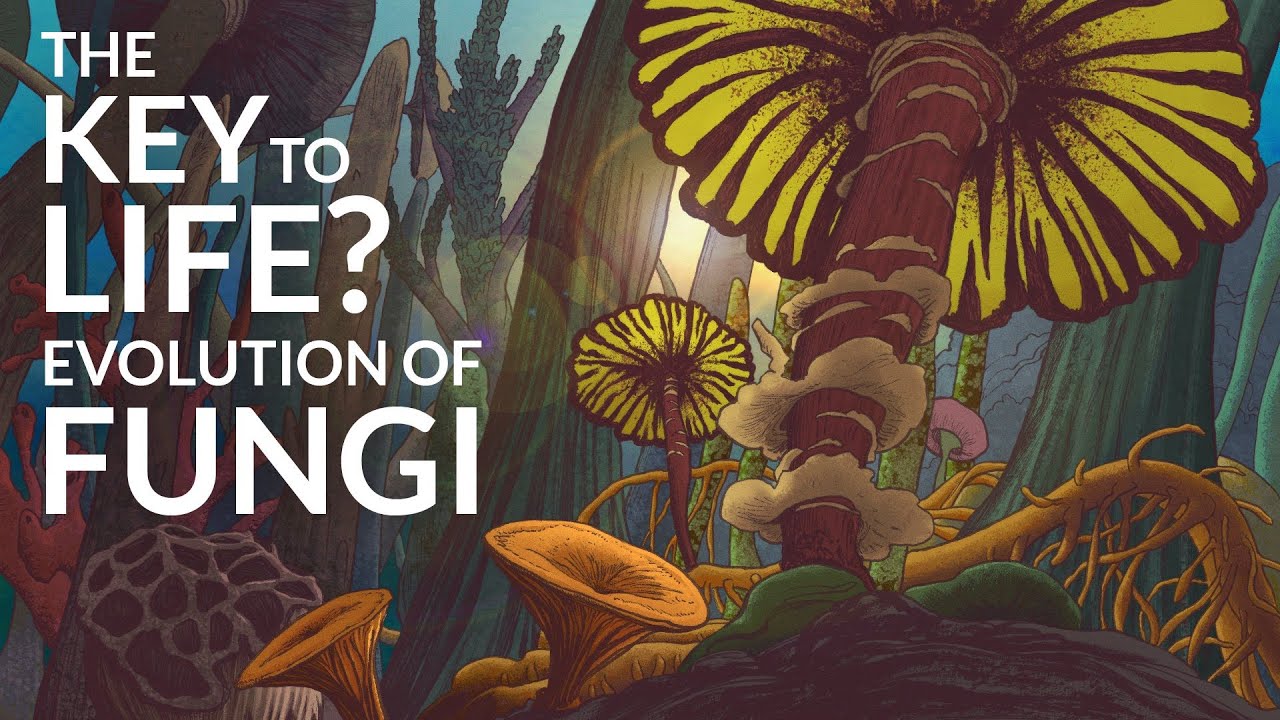
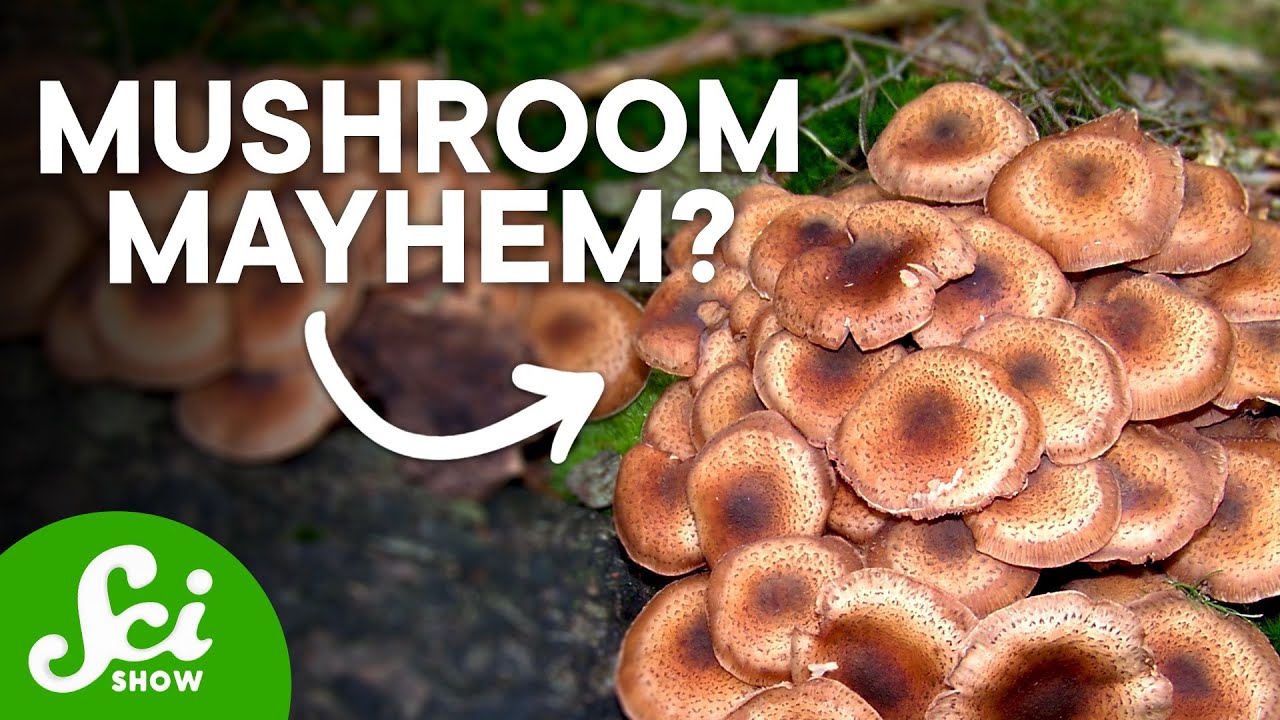
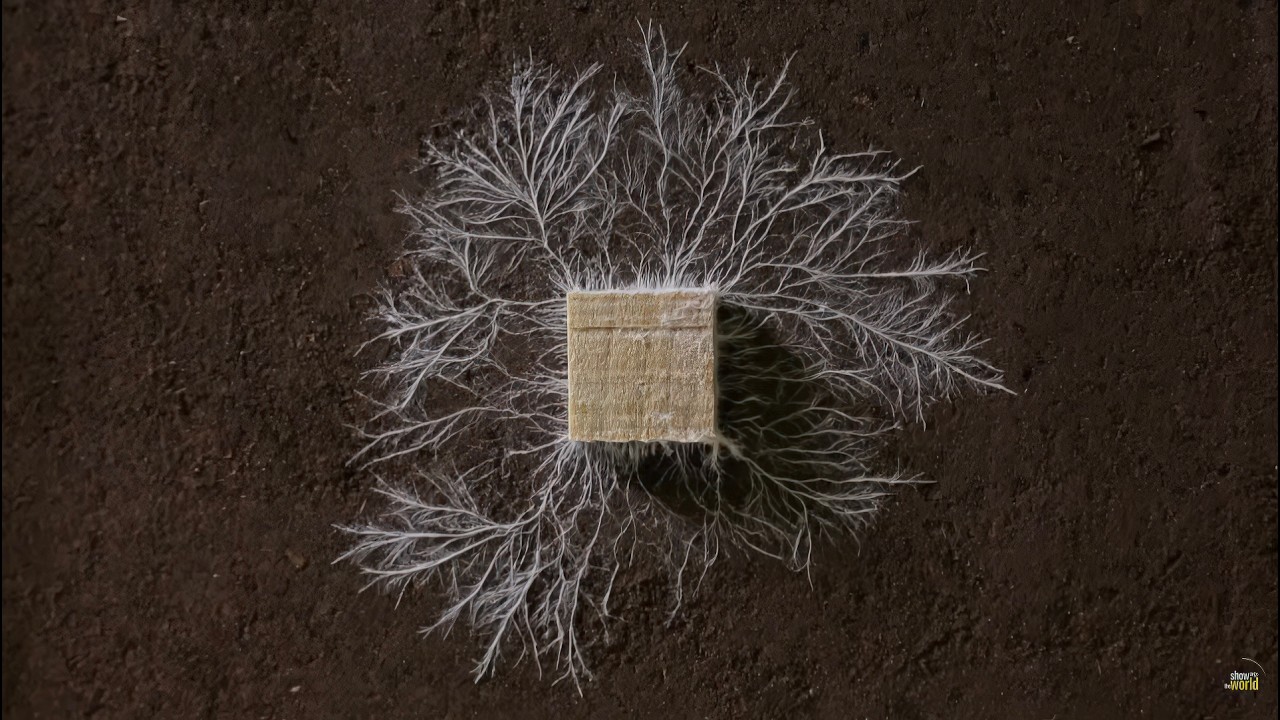
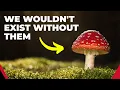
mycology is a branch of biology concerned with the study of fungi it may not seem like the most interesting thing to make a Betty obey but fungi are some of the most incredible and important organisms on the planet and have been throughout the history of the earth possibly having been around for 2 1 billion years distinct from both plants and animals fungi are their own separate Kingdom with literally millions of species coming in all shapes and sizes one fungus to the next can be as different as that snake and a giraffe or a checking and
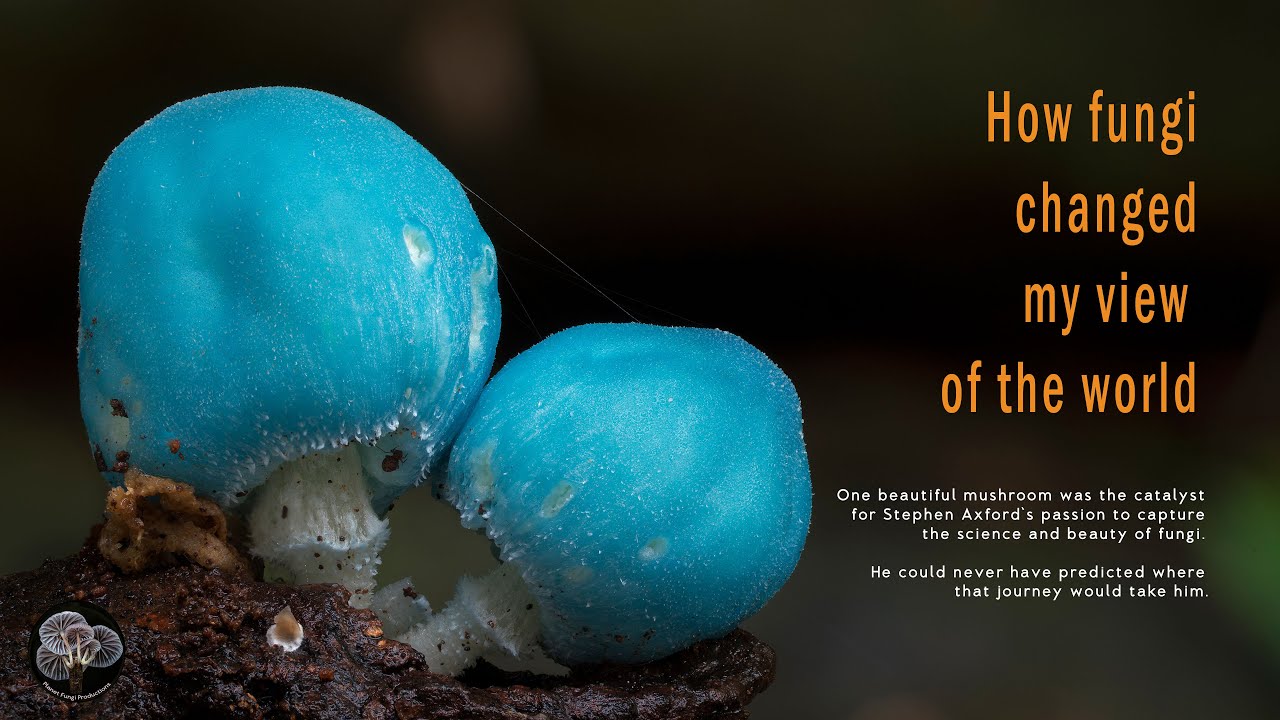
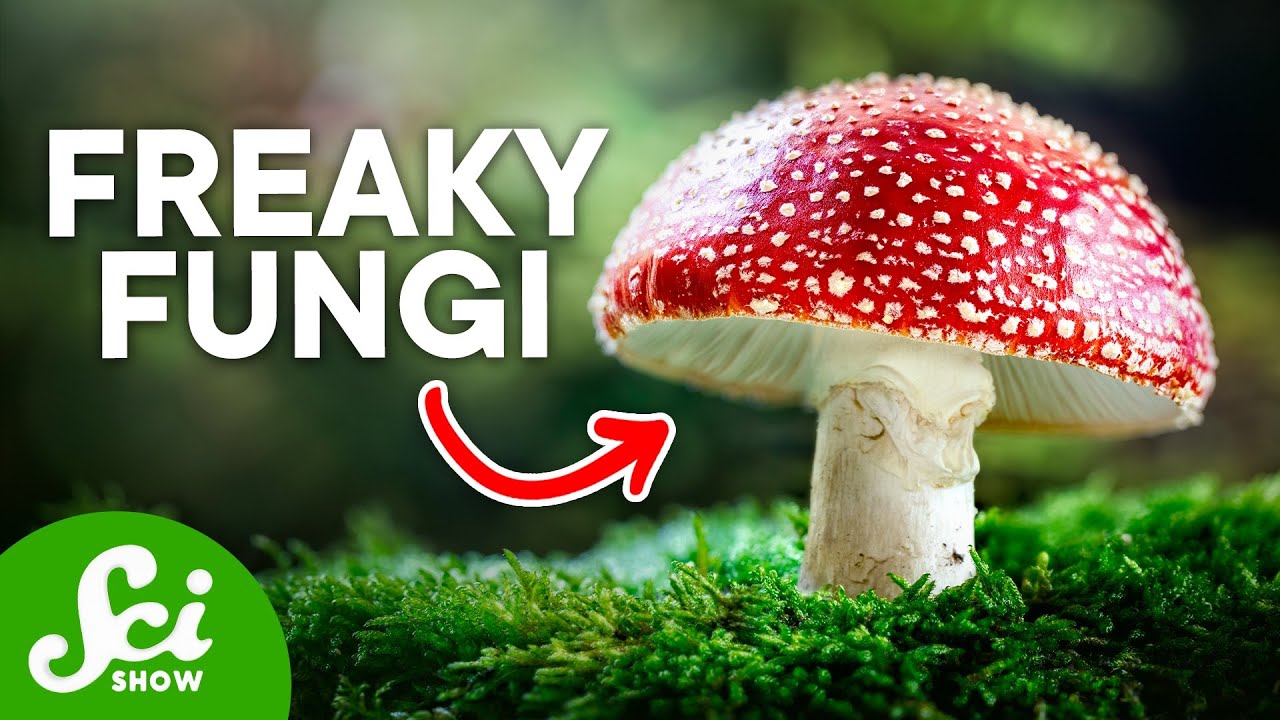
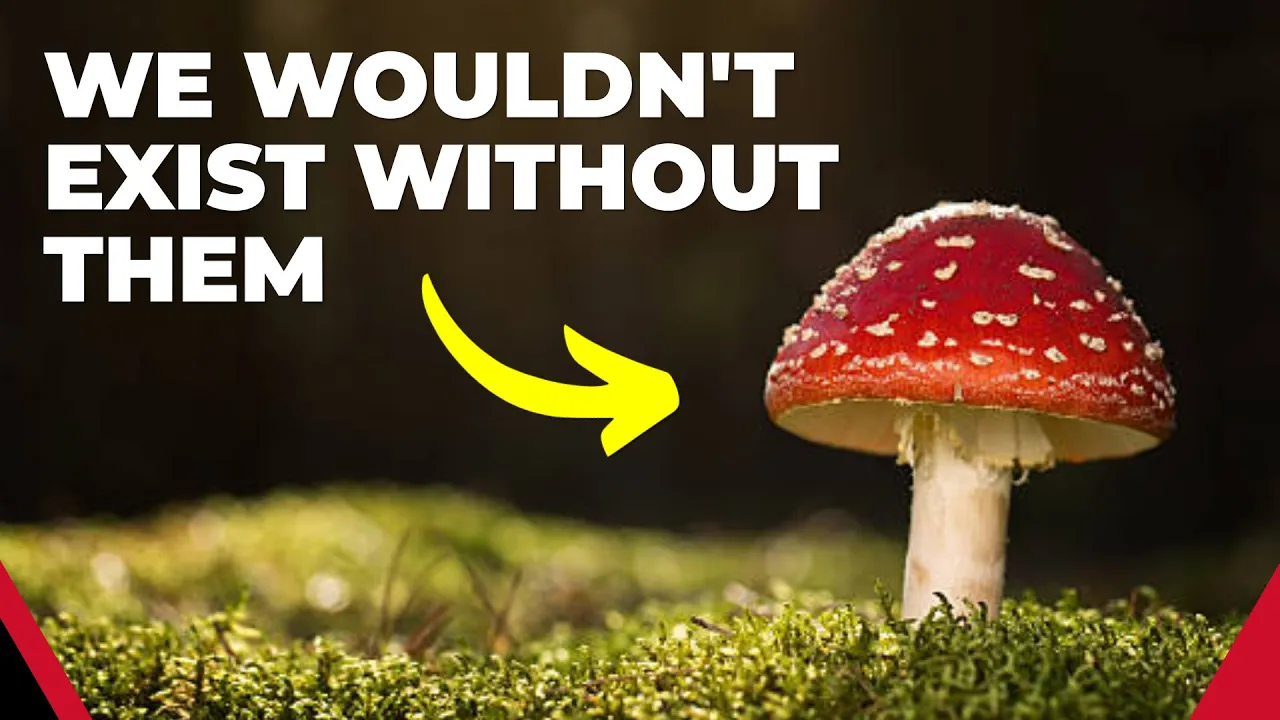
a dung beetle although we may tend to think of mushrooms when we think of fungi this is actually only the fruiting body of the fungus with much more going on below the surface some fungi are microscopic invisible to the naked eye well one fungus the fungus fungus is believed to be the single largest organism that exists by area covering 2,200 acres in the US state of Oregon for some people the word fungus may stir up negative connotations and of course some fungi can cause infections or diseases while others are poisonous and that funny stuff growing
on your strawberries that's a fungus too however well the bad is often visible and obvious fungi are very much a force for good as well we just don't notice it fungi are not something we tend to think about often but they are and especially have been immensely important to the ecosystem of this planet in fact it's no understatement to say the life as we know it would not be possible without fungi to understand how we need to go back a few years well a few billion years life in the form of single-celled organisms had already
been around for a long time in the oceans but as far as we know the land was largely rocky in burden of life things started to change when some early bacteria developed the ability of photosynthesis the process of converting the sun's light into nutrients or retain the byproducts bests more oxygen in the atmosphere led to the acceleration of more complex organisms and what's known as the Cambrian explosion about 540 million years ago but again this was effectively confined to the wall the transition of more complex life forms to land was made possible because of fungi
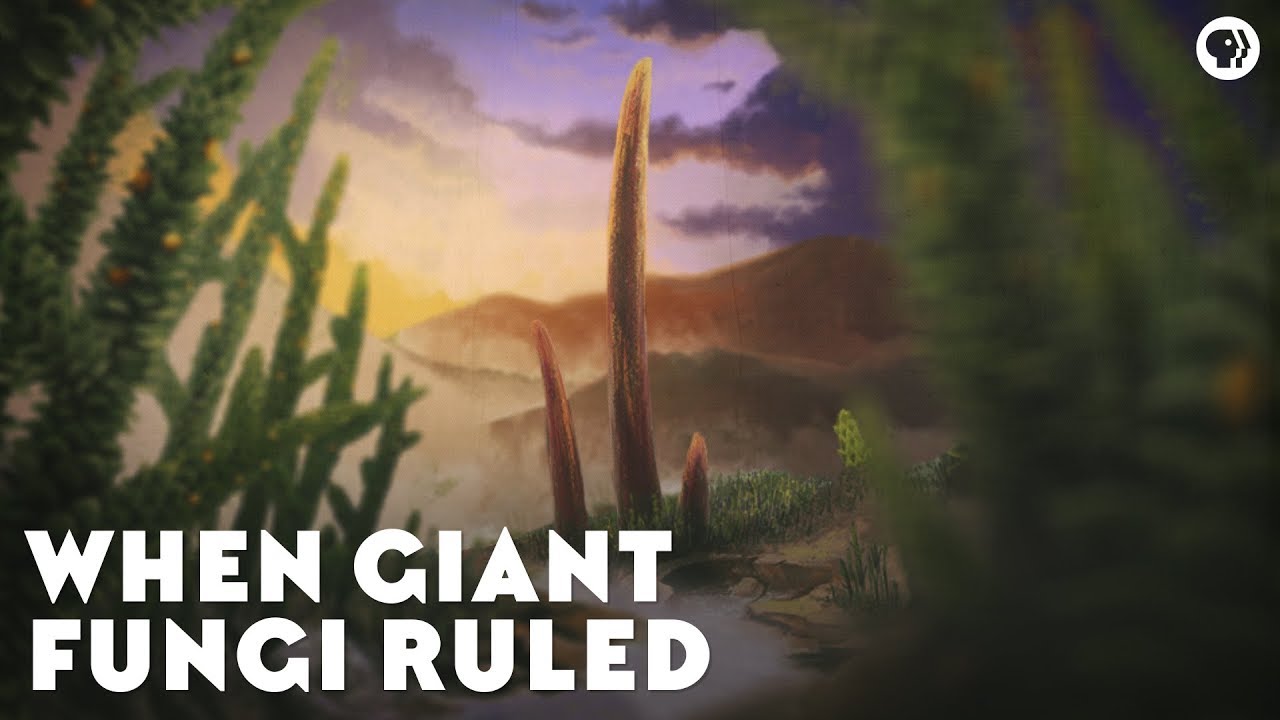
and their unique ability fungi can eat rocks breaking them down and turning them into soil this is achieved by secreting digestive enzymes as well as through mechanical pressure fungi were able to access nutrients that were otherwise unavailable to any other organism at the time it was commonly thought that a short 60 million years or so after the Cambrian Splosion fungi began to move onto land they would have most likely benefitted from access to more than 2 billion years of bacteria onshore to feed on of course the fossil record from this period have quite significant gaps
soulish plenty of uncertainty with actually the possibility that fungi had already been on land for a full five hundred million years earlier however long fungi had been on land before hands we are fairly certain that they were eventually followed by small proto plants simple organisms that could photosynthesize fungi had minerals and plants had photosynthesis they both needed what the other had to survive fungi in plants began to cooperate in a process known as symbiosis forming a mutually beneficial relationship as the fungi in plants began to spread colonies in the land they began to turn the
earth green the soil became more suitable for many other types of plants that had yet to evolve eventually allowing for some to become independent of the fungi with ecosystems becoming more complex new dynamic balances were established the increase in oxygen produced by plants was balanced out by a growing population of organisms that needed the oxygen to live likewise the organic matter that started to build up after things would die needed to be recycled so it could continue to be used this is where fungi come in to put it simply fungi eat death by breaking down
dead things they allow the nutrients to be used again by living things they sell another important cycle that's fundamental to sustaining all life on Earth with fungi serving as one of the final building blocks for the world we know and love today of course while new cycles were being established and developed into what would gate our modern ecosystems older relationships continue to thrive in particular the symbiosis between plants and fungi called mycorrhizae has continued to change and evolve even to this day allowing more complex partnerships to form there are two types of mycorrhizae active mycorrhizae
in which the fungus wraps itself around the roots of the plant and Endel mycorrhizae in which the fungus will actually penetrate the cell wall of the plant in twining itself around the cell membrane but as invasive as there Sainz this can actually make it even easier for the plant to benefit the plant will happily lay another organism literally love and sayd it because the fungus helps the plant derived more nutrients today the vast majority of plants benefit from assembly off the relationship with various different species of fungi some numbers have suggested as high as 90%
of plants in the world some plants after millions of years of evolution alongside fungi still rely entirely on them for survival the orchid plant family for example has virtually no independent energy or reserve during his germination stage as well as growing from a seed into well a plant now many orchids engage in a symbiotic relationship with fungi that is not mutually beneficial many of these species are actually a parasite to certain fungi in which the plant will effectively suck the energy out of the fungus and this key is referred to as the host at the
same time the fungus may be involved in a symbiotic relationship with another plan so the orchid indirectly gets his energy through photosynthesis even though many of these species actually lost the ability to photosynthesize themselves parasitism can work the other way around of course with a fungus there's a parasite to a plant as well as the exchange of nutrients between fungi and plants fungi can actually help the plants exchange nutrients on long themselves for example a small tree in a forest with limited access to sunlight could fed more nutrients to help it thus growing tall enough
to be able to fall to synthesize on its own these were complex types of interactions between a fungus and potentially many different plants from the smallest flowers to the tallest trees are known as common mycorrhizal networks fungi are capable of connecting entire forests which can soar if we thought of as nature's internet or somewhat more comically the wood weighed web fungi are able to facilitate communication between plants which can be especially strong if the plants are of the same species now obviously plants aren't literally having a conversation with each other they're not sentient however her
the communication they are capable of is still pretty impressive while plants are able to communicate via the air as well via the fungi is much more effective signals and cues are transferred between plants which can influence behavior for example fungi can mediate the transfer of chemicals that plants produced to stunt the growth of their neighbouring rival plants such as by depriving them of nutrients or inhibiting their photosynthesis these so called allelochemicals may be used against herbivores such as insects that might want to eat the plant alternatively fungi can also facilitate the warning signals affected plants
sent to unaffected plants triggering the plants defensive response such a response could come in the form of a chemical that acts as a repellent to the attacker which could be a pathogen something that gets spliced diseases or again a hair before of course this isn't just the fungus being altruistic it's just that it's in the best interests of the fungus that the plant survice allowing the continuation of their mutually beneficial symbiotic relationship fungi have played a key role in development of the world as we know it they may not always be visible and they're not
usually something we think of as being all that important but fungi are an unseen cornerstone of their ecosystems silently pulling the strings behind the scenes forging relationships with many other organisms both alive and dead of course it's not just plants the fungi interact with as humans have a long history with fungi as well whether it be as a food source or the yeast we need for our beer and bread their medicinal purposes pest control and so many other uses fungi have always been there always there as an influential part of not just the history of
our planet but human history as well both for good and bad the topic of fungi has proven to be one of the most surprisingly interesting topics I've made a video about the study was actually inspired by a very compelling documentary I watched called the kingdom had fungi made our world the documentary is available on curiosity stream which is a sponsor of this video the documentary takes a much deeper look into the history of fungi and their symbiosis with plants as well as how fungi have revolutionized medicine there are many other uses and also the dangers
posed by some fungi this video was barely able to scratch the surface curiosity stream is an online streaming service with over 2400 documentaries and nonfiction titles with content spanning science nature history technology society lifestyle and much more membership starts at just $2.99 a month and you can get started completely free with a 31 day trial by signing up at curiosity stream com forward slash wonder why and enter the promo code wonder why during the signup process a big thank you to curiosity stream for sponsoring this video and for letting me use parts to the documentary
in this video and as always thank you for watching and I'll see you next time [Music]