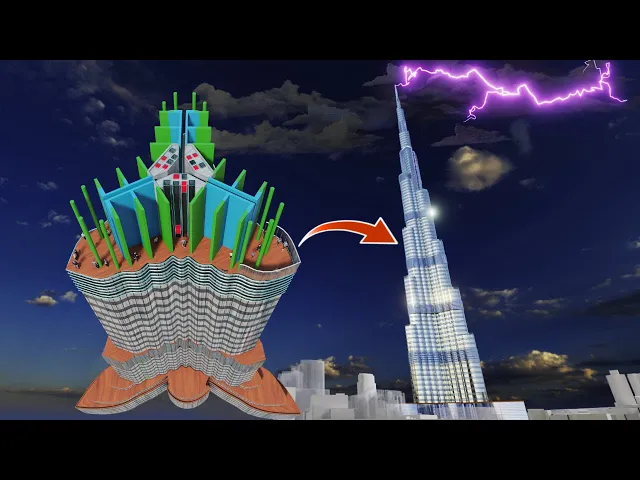
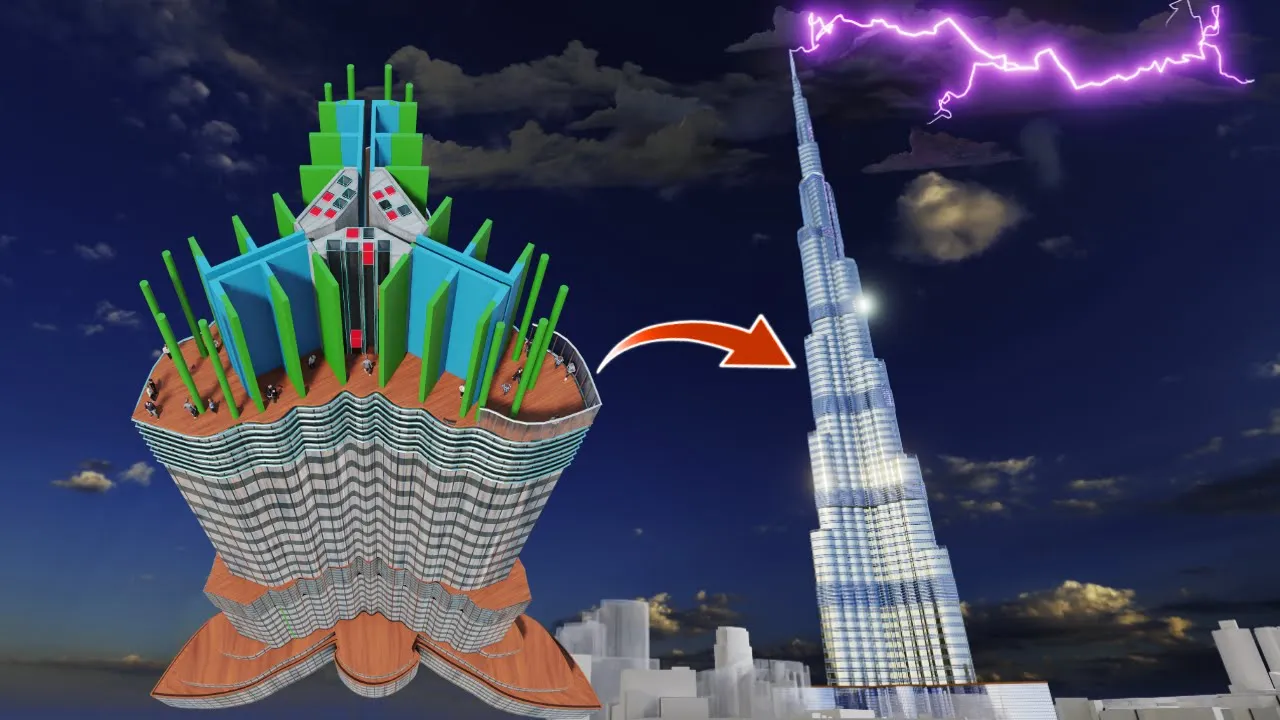
this building the Burge Khalifa which Stands Strong on loose sandy soil braving the strong Arabian winds is truly a modern engineering Marvel in this video we are going to explore all the design secrets of the world's tallest building starting from its surprisingly simple hexagonal core this incredible feat of civil engineering is even able to confuse the wind due to its unique shape and lightning with the help of modern technology let's get into it the sole of the Burge Khalifa is its hexagonal core this RCC built core is the ultimate hero enabling the Burge Khalifa to
keep standing despite the devastating windstorms of Dubai and helps keep the weight of the building balanced The Hub also accommodates the entire lift system of this building such a slender core is highly unstable in theory it could fall at any time but Skidmore the company that designed Burge Khalifa came up with an Innovative solution they took inspiration from the buttresses we normally see on dams to hold the core of the wall and used similar supports around the core to make the towers around the buttresses Practical they infused a step-shaped design to the buttresses we know
buildings are always vertical they are never inclined right here is the main twist the Skidmore Engineers designed the buttresses so that you can actually live next to them without even realizing they are buttresses The Architects of the Burge Khalifa also efficiently used this space for corridors so from the lift people walk to their Flats between the buttress walls The Architects then designed huge glass facades around the buttresses giving all the hotels and Living Spaces inside the facades a breathtaking view from all sides the support needed for these glass facades came from these cross walls and
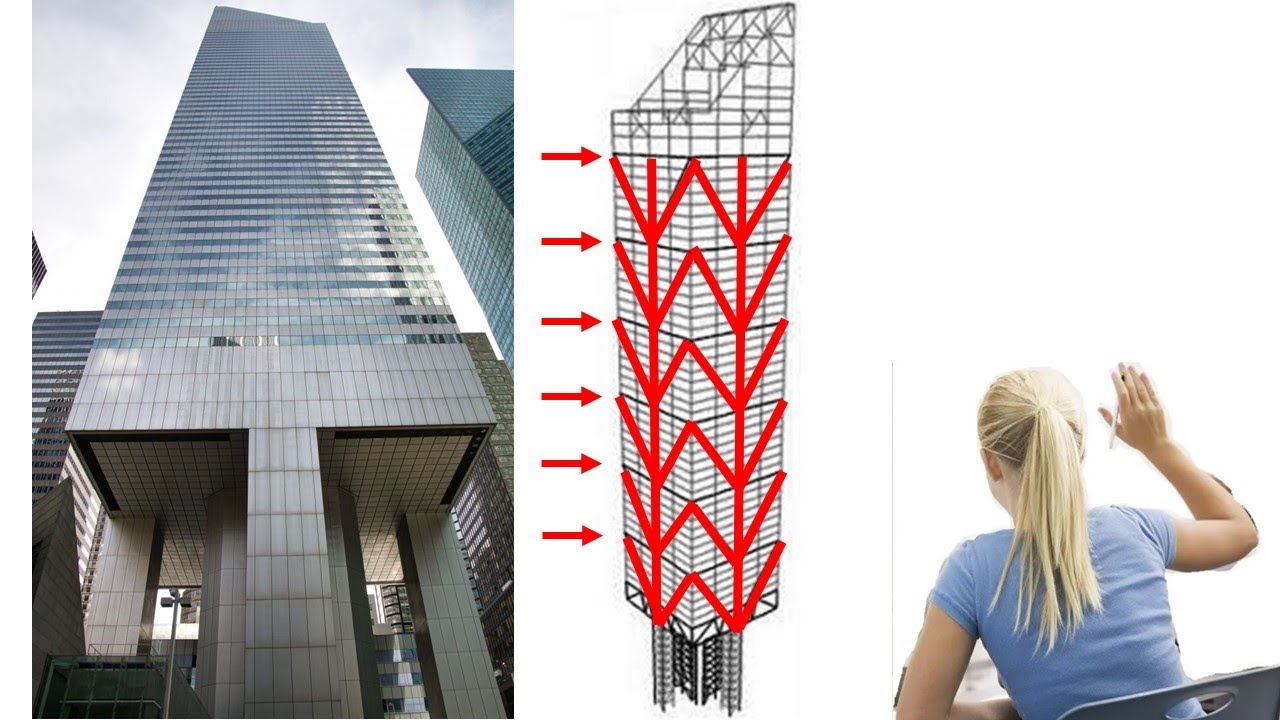
columns the main function of the Cross wall is not to support the facades to understand it let's check out an example there's a sandstorm in Dubai but no cross walls consider the situation the forces of resistance coming from the buttresses on the opposite side save the building from toppling over on the left hand side the force of the wind is resisted by the combined effect of both these buttresses which are at an angle however such a slender building and a huge force from the heavy Sandstorm will obviously lead to the whole building structure bending too
much now we need to understand a notorious property of concrete its weakness against tensil strp when a concrete block bends tensil stress is caused in that section of the block concrete can only withstand a small amount of tensil stress and it will form cracks easily if the tensil stress continues that's why the hexagonal core has steel bars inside it the steel bars absorb most of the tensil stress however if the core bends too much the concrete section of the core won't be able to deal with the tens stress the best method to prevent a canal
lever beam bending in Structural Engineering is by using an eye-shaped section that's exactly what we're doing when we connect the cross walls to the buttresses If You observe carefully you can see the shape has now become like an eye cross-section the entire building is now structurally strong and can withstand the tensil stress without bending can you see some black stripes on the original Burge Khalifa design they're mechanical floors if you want to understand their importance have a look at this diagram it shows all the columns used in the Burge Khalifa It's a complex jungle these
columns have good stability when they are connected to the floors as shown we know the floors are already strong since they are connected to the core the mechanical roofs are also used to house electrical and air refrigeration systems water tanks that bring the Burge Khalifa to life nobody stays on those roofs these floors have a different appearance because they are covered with concrete walls and pipes which are used by the workers so they can grip onto them when cleaning the glass facade the interesting thing is that only around 70% of the bur Khalifa is supported
by the concrete core the top 25% does not have any concrete core support it is a steel structure although the Burge Khalifa mainly resists bending the top of this superstructure is allowed to bend and sway by about 6 feet in windy storms I know it sounds like a lot the steel can easily resist tensil loads so if you experience an oscillation Like An Earthquake Don't Panic it's probably the Burge Khalifa swiftly saying hello to the winds thanks to the reinforced concrete the hexagonal core is able to withstand the torsion that is the Twist and sheer
stress caused by the wind this amazing butress core system is why the Burge Khalifa is also known as a stiffened rod in the face of the wind our design approach has resulted in a Burge Khalifa that looks like this however the real Burge Khalifa looks like this an asymmetrical structure instead of symmetrical why did the designers of this marvelous structure go for the asymmetrical design when the wind passes around a structure it can lead to a very beautiful and dangerous fluid mechanics phenomenon called Vortex shedding the way they dance looks interesting right however it's dangerous
because these vortices are fluctuating generating a fluctuating force on the building if the natural frequency of vibration of this building is the same as the frequency of these fluctuations in force the building will violently oscillate like this a phenomenon called resonance these oscillations will keep on increasing and could eventually make the birge Khalifa fail completely to overcome this issue s so who designed the Burge Khalifa came up with an architectural Innovation Bill Baker and his team's idea to break the vortex shedding was to create a spiral in the Burge Khalifa a spiral shape is the
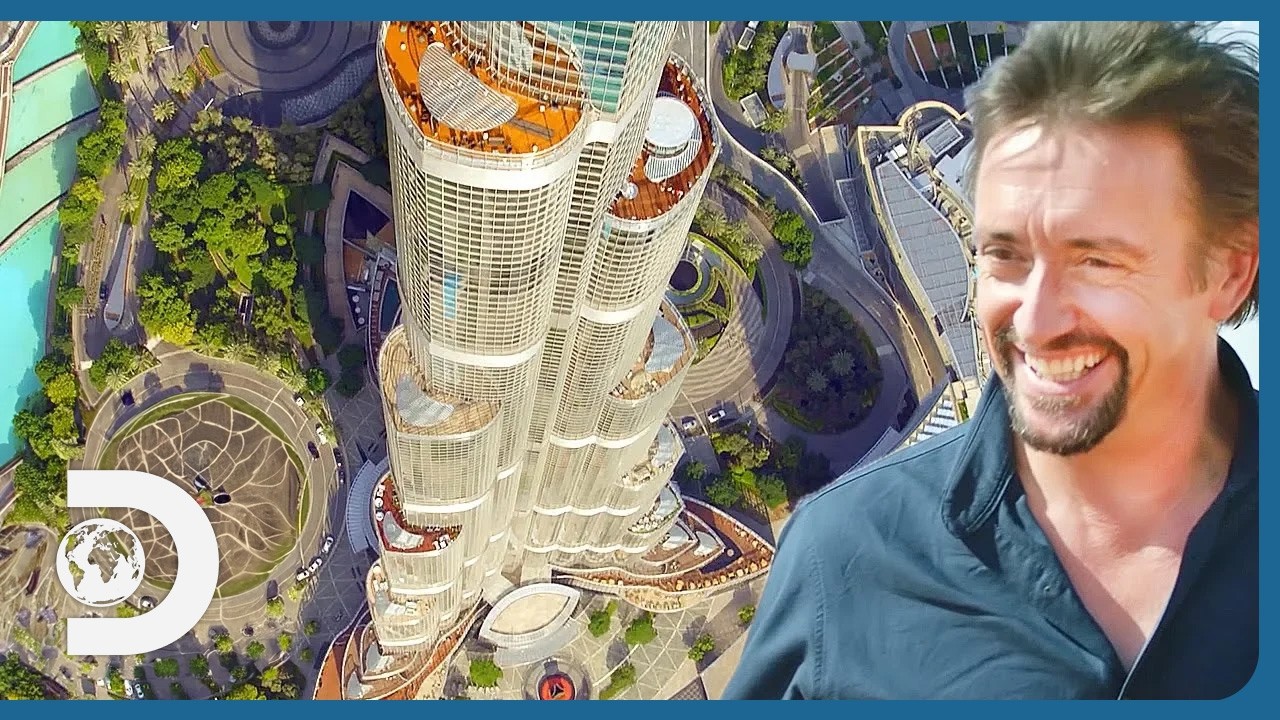
best solution to kill vortex shedding it just confuses the wind as the shape varies can you find a hidden spiral in this building structure to discover the hidden spiral in the Burge Khalifa consider these simple towers with varying Heights but many pedals you can clearly see the spiral now if You observe the Burge Khalifa you can see it also has been constructed using the same technique towers of varying Heights forming a discrete spiral Bill Baker used one more spiral version for the top of the Burge Khalifa he specified varying angles for the tiers at this
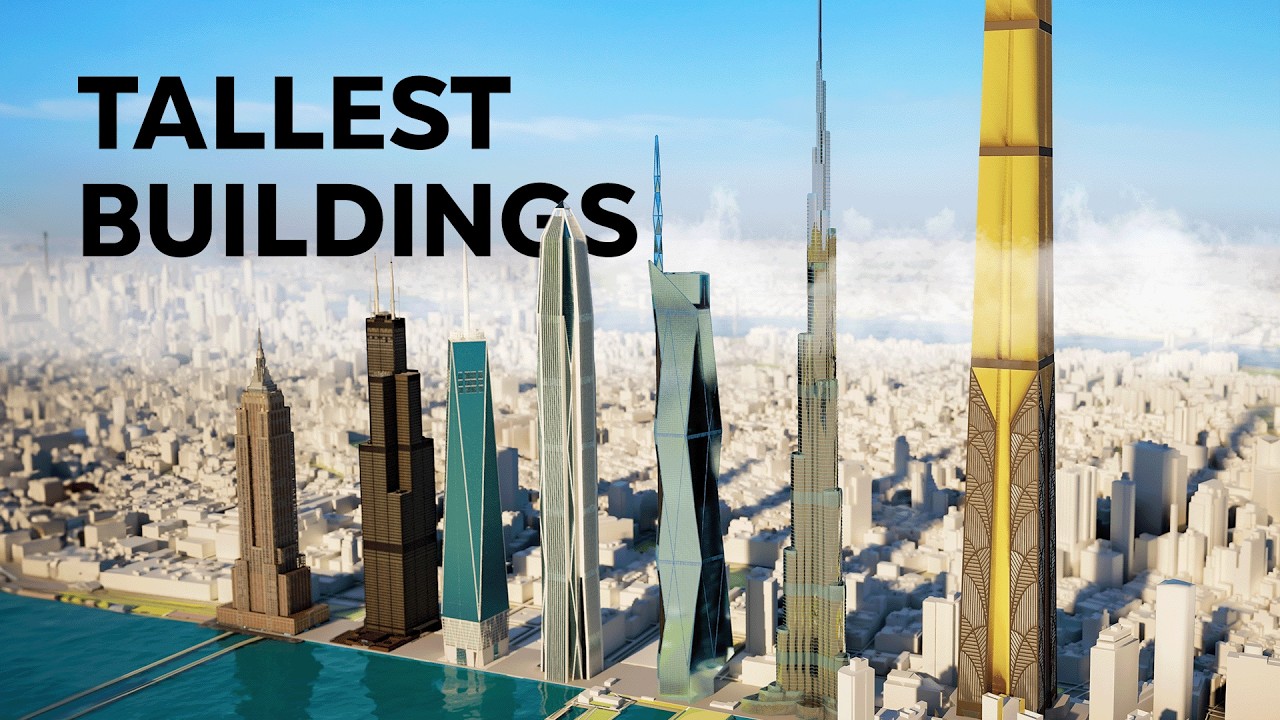
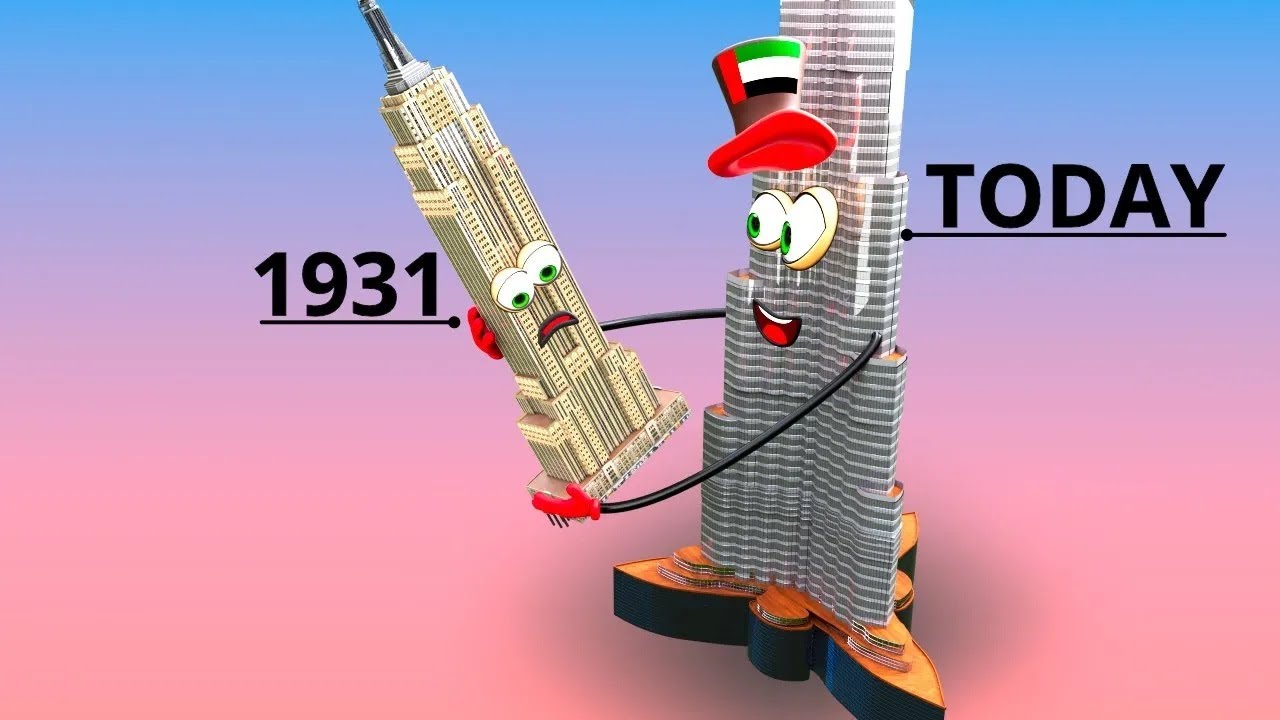
height this dense spiral helps to fight against tip Vortex shedding these Innovations are the reason the Burge Khalifa has successfully reached 830 M even though initially it was only designed to reach 518 M an additional 312 M that's almost as tall as the Eiffel Tower was added during construction what a marvelous achievement for Dubai but how is such a heavy structure able to stand on the loose sandy soil of Arabia without sinking the engineers of this building couldn't find any hard strata in this area even after going 140 M down these sedimentary rocks are also
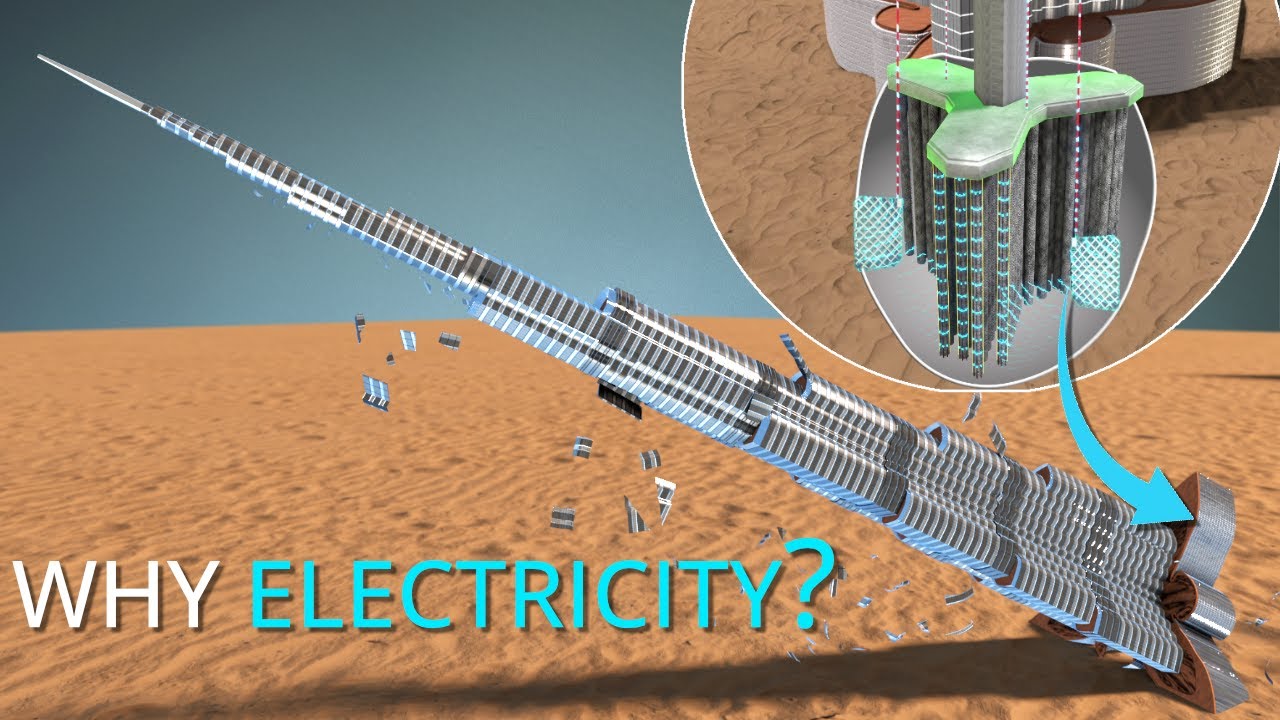
less strong so the engineers were faced with two challenges one was the poor loadbearing capacity of the ground and the second was the differential settlement of the structure to tackle these problems they used a raft that is attached to the hexagonal core eye sections and columns the raft was made of a slab of thick high- performance RCC structure this raft distributes the weight of the building onto a larger area of sand equally and thus resists differential settlement however how will the weak sand and rocks bear such a huge mass this raft will just sink Bill
Baker came up with a solution using multiple RCC piles the friction between the surface of these piles and the weak but stiff sedimentary rocks will resist the load of the building did you notice the beautiful flower-like petals just above the foundation of the building this structural design especially these petals was inspired by one of Dubai's most widely cultivated flowers the Spider Lily these lightning strikes on the Burge Khalifa are fascinating but alarming at the very top of this building this small peculiar device is what keeps the Burge Khalifa from burning up it is a lightning
arrester the Dome is connected to the sensor equipment which is connected by a tiny battery as soon as it detects a supercharged Cloud nearby the arrestor immediately generates opposite charges on its surface to attract the lightning towards it the electron flow of lightning is then passed through the outer column steel structure and dissipated into the Earth pits via the steel inside the foundation piles the electrons travel only through the external columns due to the skin effect Burge Khalifa is Dubai's lightning rod its lightning arrestor collects the lightning strikes of almost the entire Dubai thanks to
its great height time for the most interesting part how did they lift the concrete to this height due to Dubai's warm weather even if they had used the most powerful pumps the concrete would have solidified before reaching the destination instead the team used a special grade of concrete named C50 and c80 mixed with cold ice as they pumped it up this work of pouring the concrete into molds was done at night and would immediately set the team completed one floor every week the entire project took six years to complete you may be thinking is it
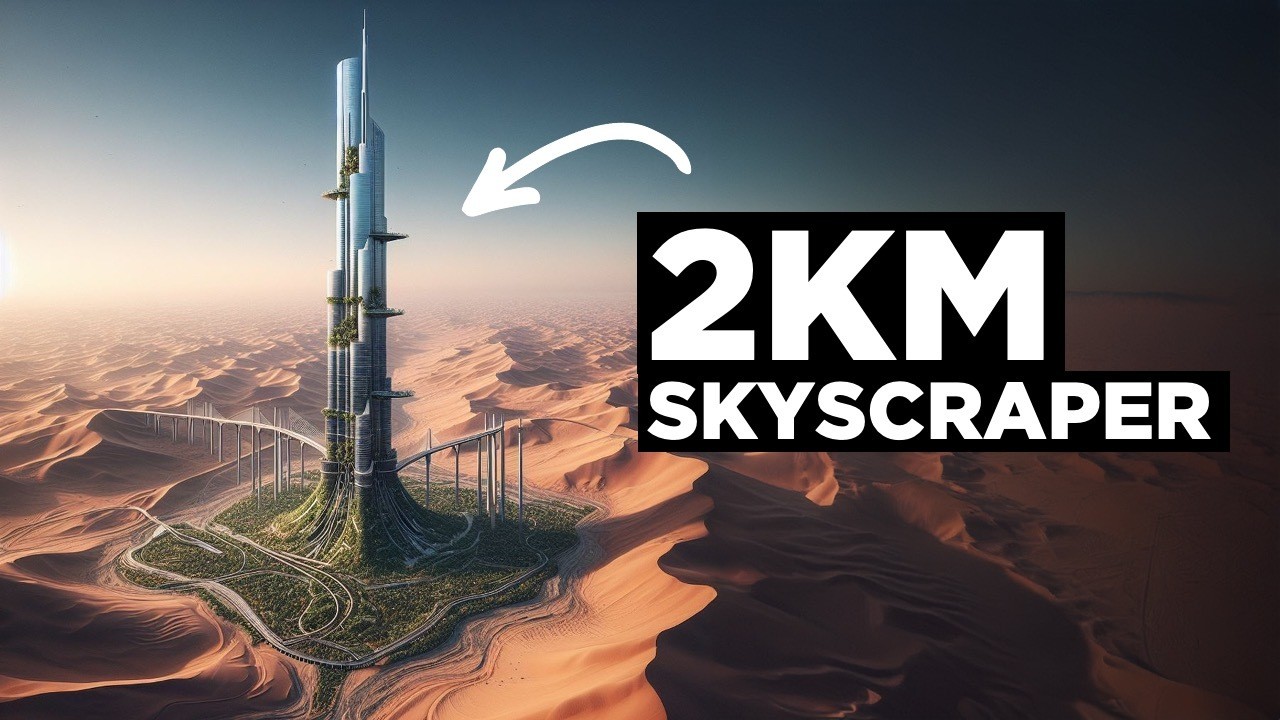
possible for another building to overtake the height of the Burge Khalifa as a building gets taller the design challenges we saw in this video also increase if the engineers are smart enough to overcome these challenges they can achieve even a taller building it's no easy task though now that you have understood the amazing details that keep this Mega structure the Burge Khalifa Standing Tall let's take a tour inside this building very soon we will reach the top of the Burge Khalifa and the end of this video but before you leave please don't forget to join
the leex team