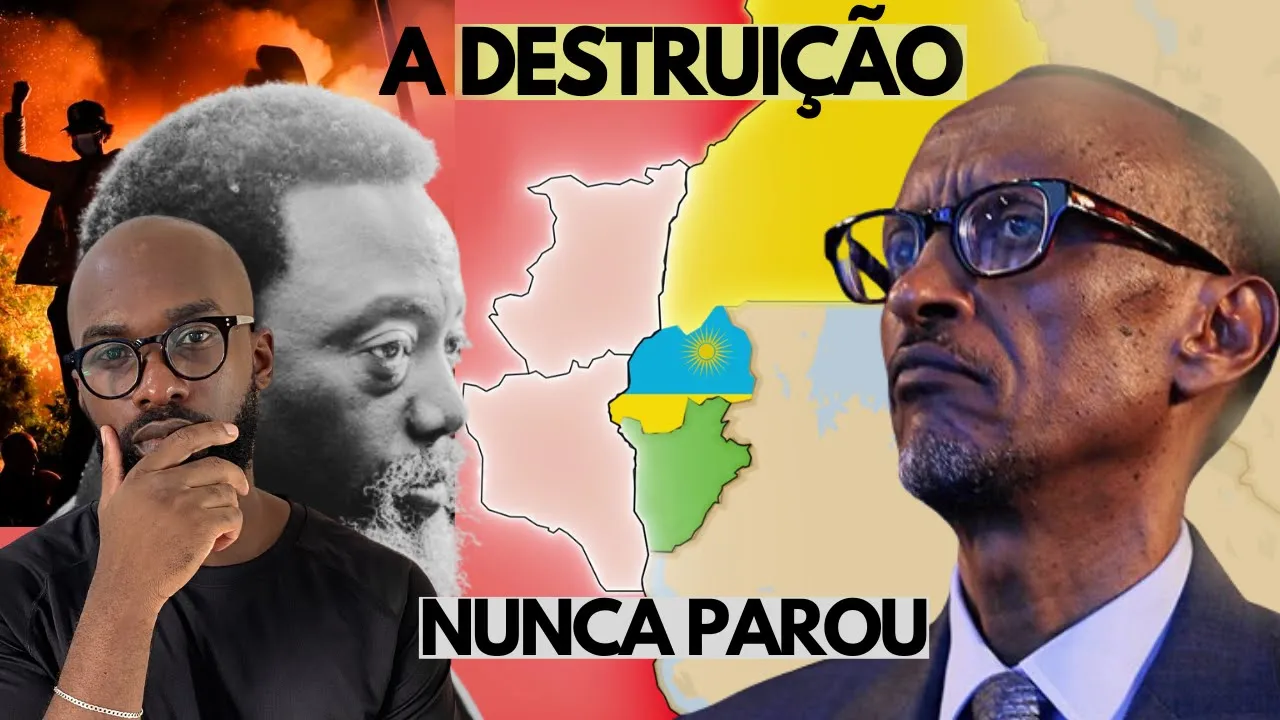
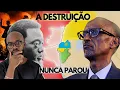
The Democratic Republic of the Congo may be heading towards war while tensions are growing in the east of the country… Conflicts involving rebels and militias trying to dominate the territory, and natural resources, has been expanding and thousands of civilians have been displaced. Congo too faces growing tensions with neighboring Rwanda The deep roots of this conflict are intertwined with issues of ethnic identity, regional rivalries and competition for natural resources. what is happening here and it shows as Congo is rich in resources and this makes it this geopolitically important country, which is one of the reasons why neighboring and distant countries are observing this conflict and prepare to get involved to protect their interests and influence the next chapter in this country's history.
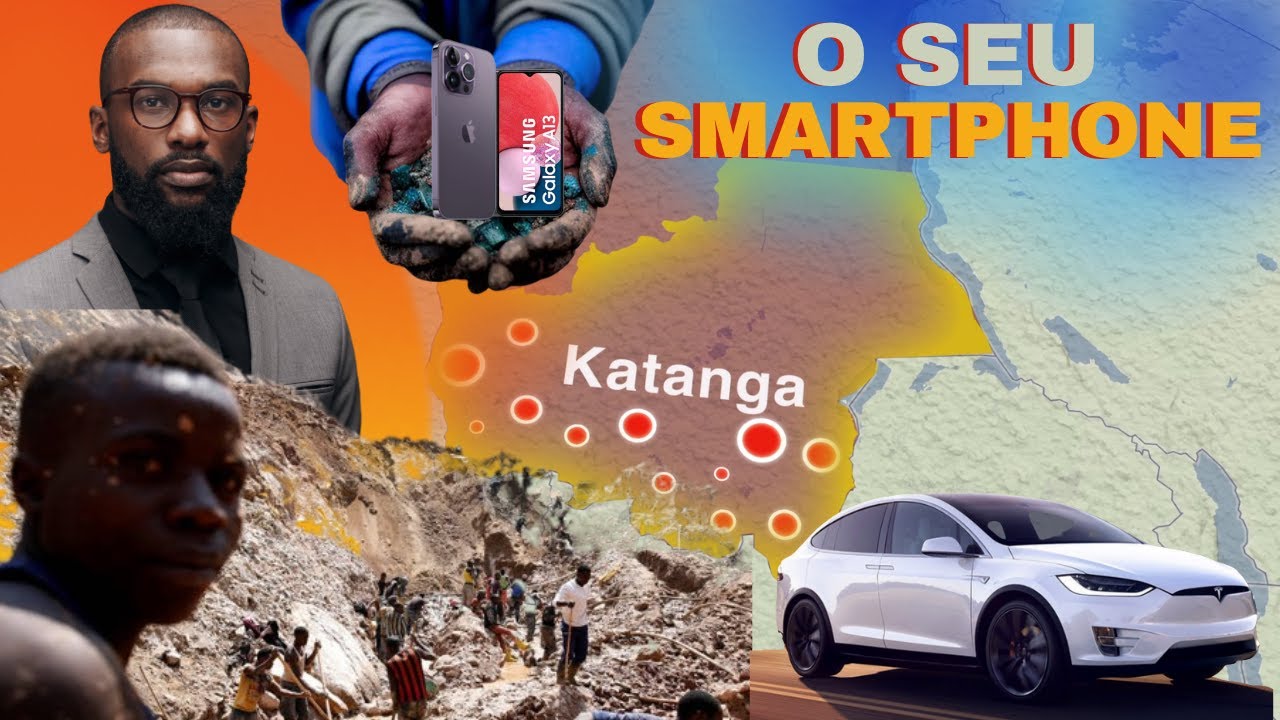
Even though there is not much talk about this conflict in Congo perhaps because the world's eyes are largely focused on other conflicts Like Gaza and Ukraine, the DRC receives relatively little attention… But this conflict should pay more attention because your cell phone battery or computer was made with Congo Cobalt. So, given this uncertain and volatile scenario Let's understand what's going on in Congo. Since 1996, the conflict in eastern DRC caused approximately six million deaths.
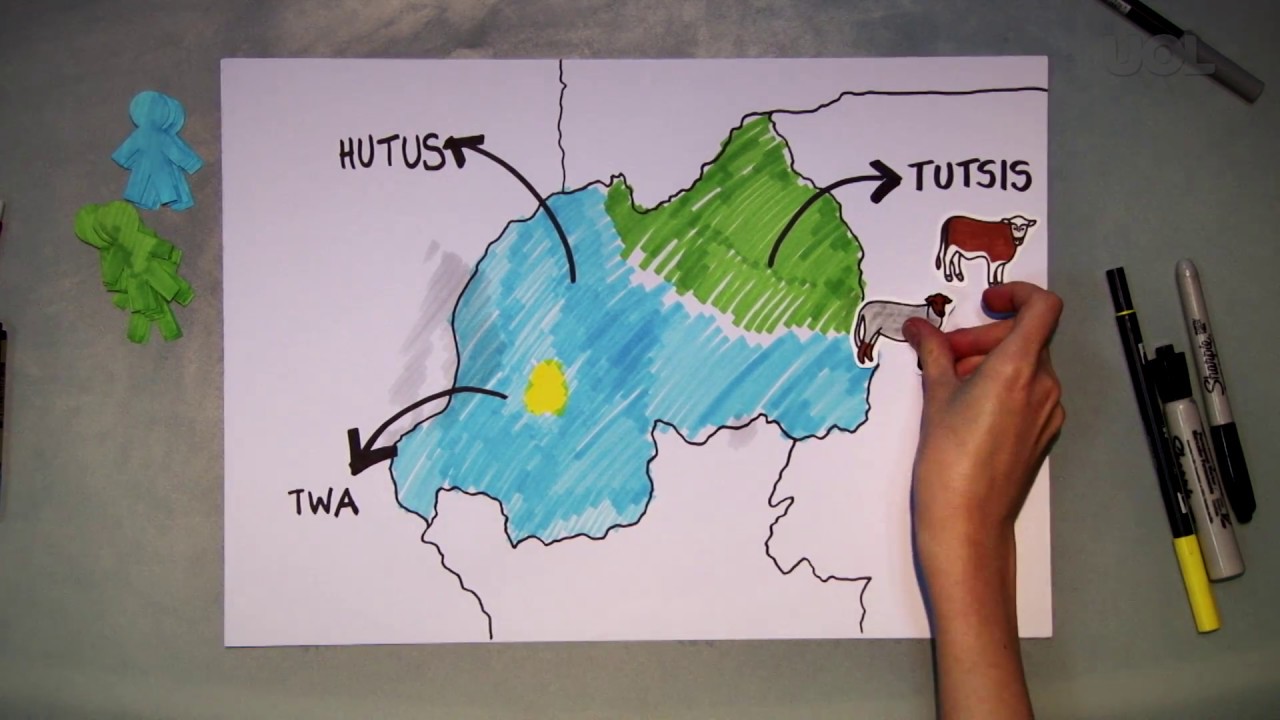
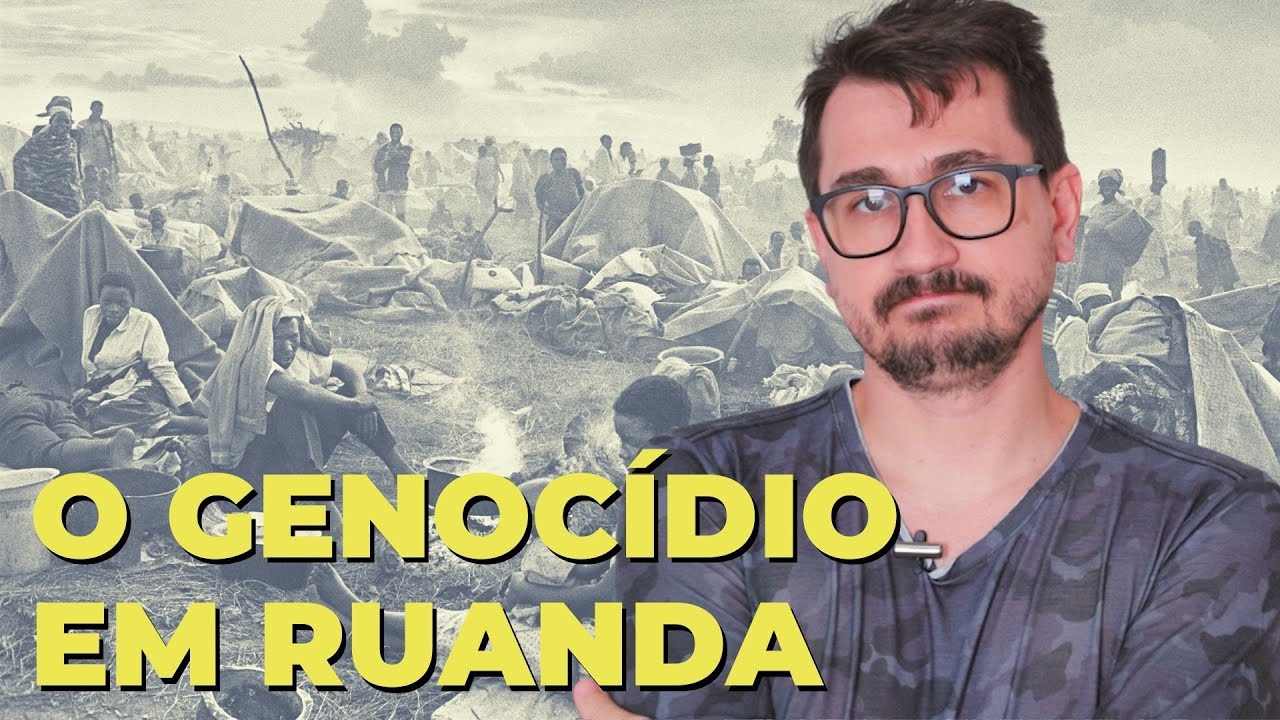
The First Congo War was from (1996-1997) began in the wake of the 1994 Rwandan Genocide, during which Hutu extremists killed an estimated one million Tutsi ethnic minorities. During and after the genocide, nearly two million moderate Hutu refugees crossed the Congolese border, settling mainly in refugee camps in provinces of North Kivu and South Kivu. But a small subset of Rwandans who entered the Congo were Hutu extremists who began to organize militias in the Congo.
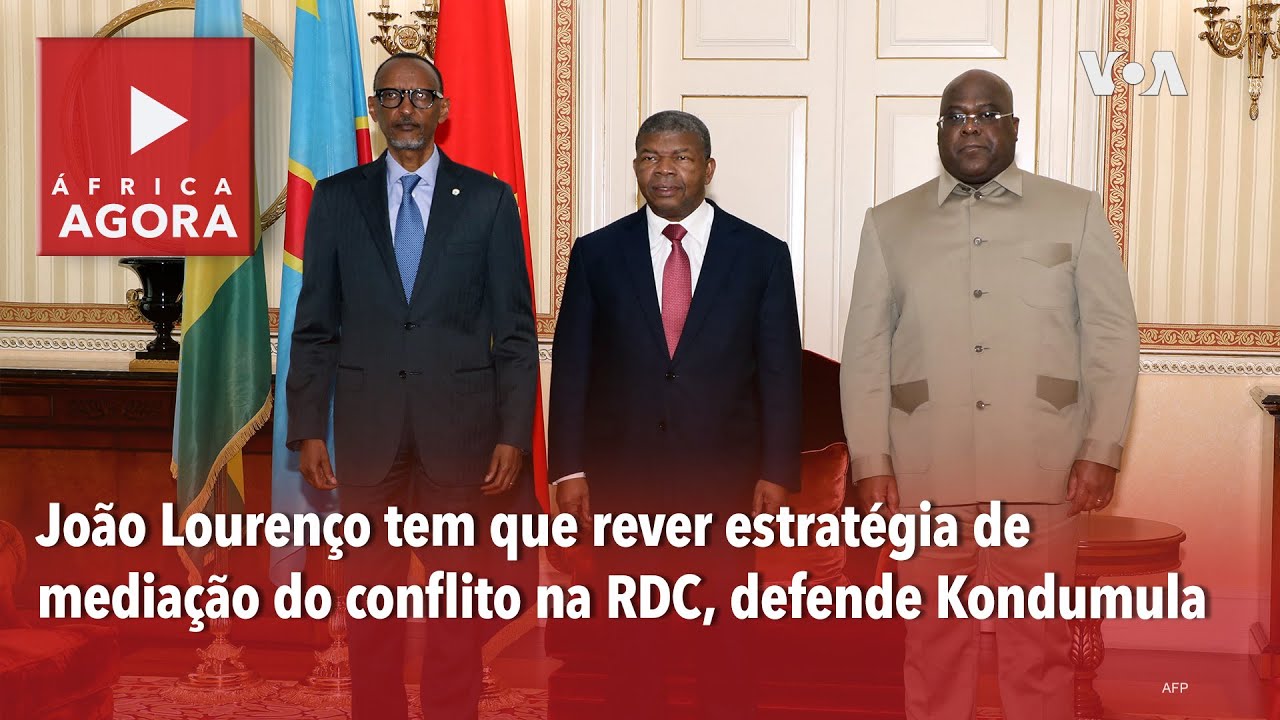
After the victory of the Rwandan Patriotic Front (PFR) against the genocidal Rwandan government, the new government led by the Tutsi began its involvement in the Congo (then known as the Republic of Zaire. Rwandan troops, under the leadership of President Paul Kagame, and Tutsi militias based in Congo, with Rwandan support, launched an invasion of Zaire, which was ruled at the time by the dictator Mobutu Sese Seko. Rwanda justified both efforts by arguing that the Hutu groups in eastern Congo were still a threat to its Tutsi population and that the Mobutu's regime was harboring Hutu extremists who had fled across the border.
Rwanda fought the First Congo War against Zaire with the help of other states Africans (most significantly Uganda, but also Angola and Burundi) who had the their own concerns and interests. The invasion by the Rwandan coalition was coordinated with the help of Zaire's then opposition leader, Laurent Kabila. The Kabila-Kagame coalition won the First Congo War in 1997, when Mobutu fled Kinshasa.
Soon after, Kabila was sworn in as president of Zaire and changed the country's name. back to the Democratic Republic of the Congo. Approximately 1 year later in 1998, the deterioration of relations between Kigali and Kinshasa.
After the rumors started that Rwanda had influence over Kabila Kabila denied allegations that Rwanda had been responsible for winning the war and putting him in power. During this same period, a group of rebels called the Congolese Regrouping emerged. for Democracy or RCD again with some influence from Rwanda and Uganda.
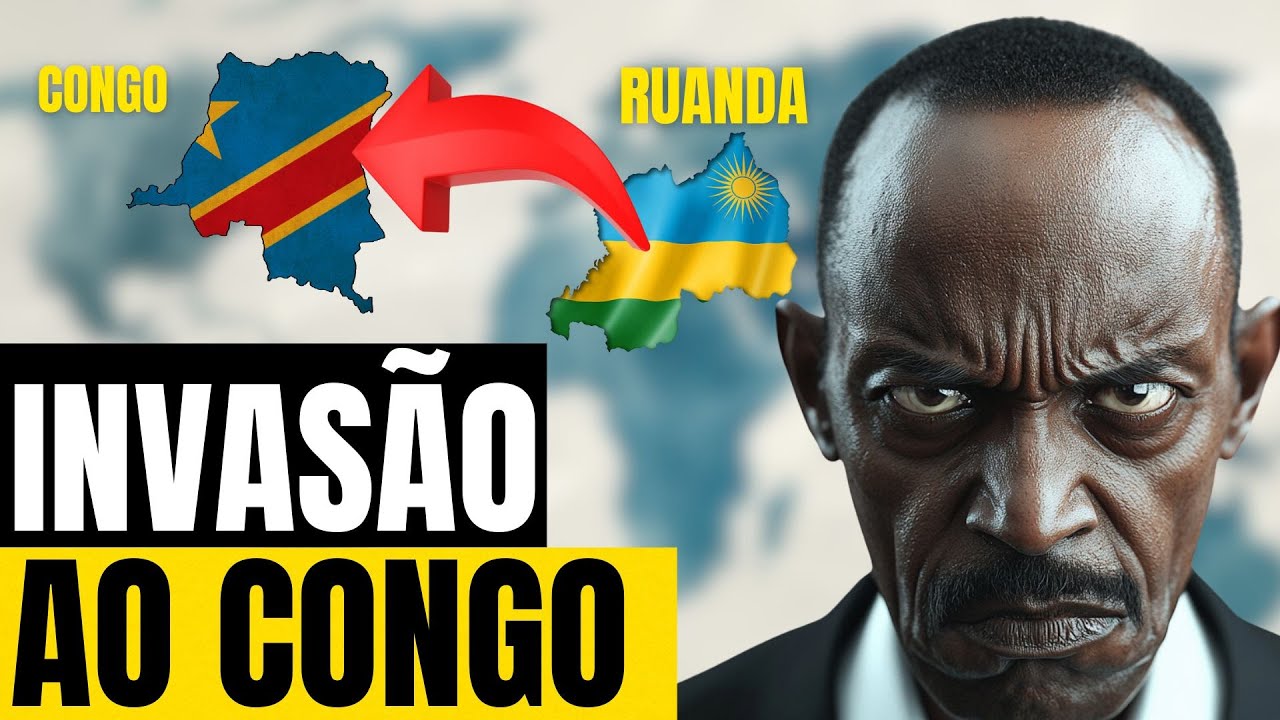
With this Kabila also began to remove the Tutsi ethnic group from his government and took measures to weaken Rwanda's military presence in eastern Congo. At the end of the 1990s, in a reversal of alliances, Kabila ordered that all foreign troops to leave the Congo and allowed Hutu armed groups organize themselves again at the border. Rwanda responded by invading in 1998.
Rwanda's stated objective was to create a zone on the borders between Congo and Rwanda controlled by its own troops, in order to create greater distance from the Hutu groups in eastern Congo. The Congo Armed Forces (FARDC) now supported by Angola, Namibia and Zimbabwe fought against the military of Rwanda, Uganda and Burundi, During this same period, the RCD, which was supported by Rwanda and Uganda, created two factions, Congolese Regroupment for Democracy of Goma or RCD GOMA was more influenced by Rwanda and Congolese Regroupment for Kisangani Democracy or DRC KML which was supported by Uganda. other rebel groups linked to the Congo government also fought, such as the Mai Mai Rebels and the Democratic Forces for the Liberation of Rwanda, which has its ethnic majority being the Hutus who had left Rwanda.
Later, DRC Goma emerged as the most powerful, which maintained control of North Kivu and South Kivu and the city of Goma. In the midst of the chaos of war, Laurent Kabila was murdered and was replaced by his son Joseph Kabila. The Second Congo War was formally ended under the young Kabila in 2002 and, The associated humanitarian disaster may have affected more than three million people.
A long peace process carried out largely under the administration of South Africa finally came to fruition and between 2002 and 2003, Rwanda, Uganda and Congo began implementing a set of peace agreements that authorized a government of transition in Kinshasa led by Joseph Kabila. 3 years later in 2006 there were elections that were won by Joseph Kabila, unfortunately these results were not accepted, mainly by RCD GOMA who also refused integration into the national armed forces. .
. They once again launched a rebellion in July 2006 after several years and months of fighting intense and failed peace negotiations. On March 23, 2009, peace was finally achieved.
During the 2023 African Cup of Nations games, the Congolese team took this moment to protest in relation to the conflict that is happening in your country and the lack of attention from the world and of course this is just another protest of There are several that don't appear in the media about what this group is doing in Congo. So who are the M23? M23 is a group that has taken several previous forms The M23 is the result of the formation of RCD in 1997 which passed to RCD GOMA IN 1998 In 2006, the RCD GOMA was reconstituted into the National Congress for the Defense of the People or (CNDP) And later in 2012 CNDP resurfaced as the M23 group Then, between 2012 and 2013, the M23 became an undeniable force in eastern Congo the M23 launched attacks accusing the government and Kinshasa accused Kigali of supporting the group.
A UN mission together with the Congolese army managed to expel the M23 from its initial military campaign in 2013. Félix Tshisekedi was declared winner of the December 2018 elections President Joseph's transfer of power Kabila marked the first peaceful transfer of power in Congo's history. Now, after being defeated in 2013, the M23 rebels resurfaced after a few years, in 2021 they launched attacks and in July 2023 gained control of large parts of North Kivu province.
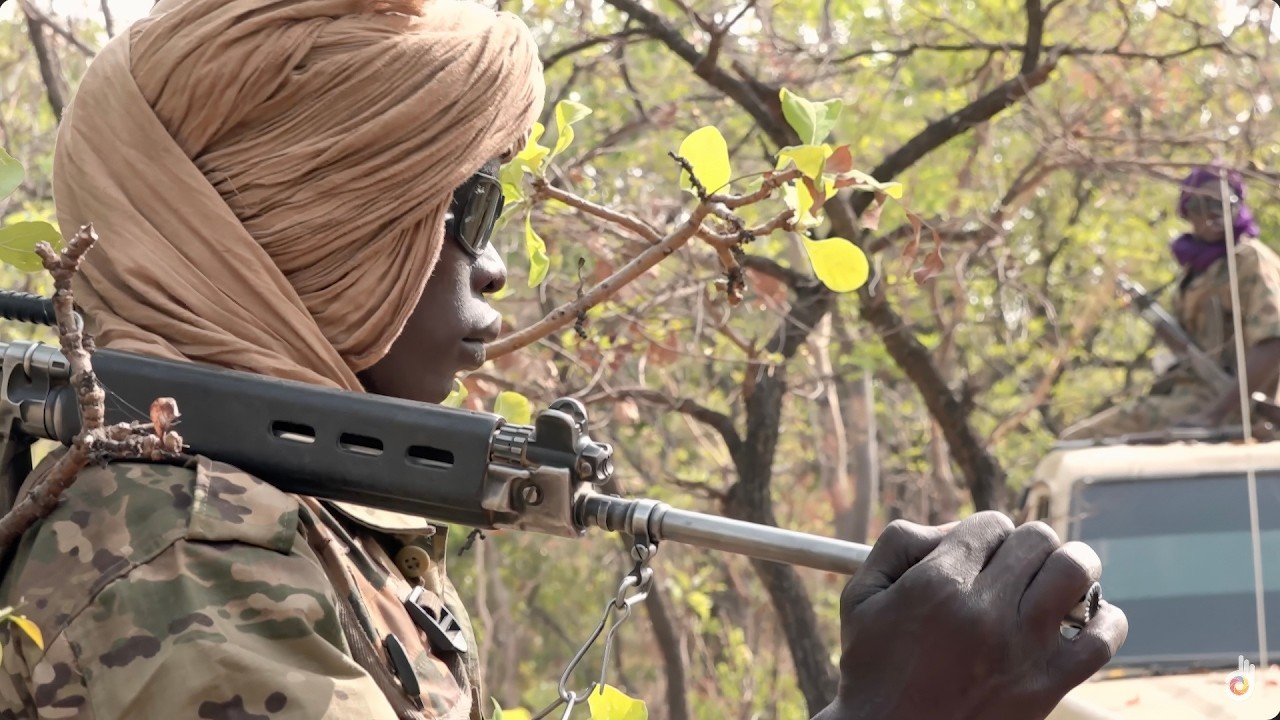
Now the M23 is militarily stronger than in the past, it increasingly functions as a conventional army, with much more sophisticated equipment than in the past, Congolese intelligence sources have hinted that the M23 is currently capable to operate 24 hours a day thanks to night vision devices. This is why the Rwandan Security Services are suspected of supporting the M23 It is also important to understand that the Congo National Army is extremely dysfunctional, corrupt, and poorly equipped. Congo accused Rwanda of financing and support the resurgence of the M23 (a charge supported by the African Union, by the European Union and the United States.
In return, Rwanda accused Congo of supporting more once extremist Hutu militias and increased their military presence inside Congo. President Felix Tshisekedi even compared Rwandan President Paul Kagame to Adolf Hitler. and achieving a lasting ceasefire seems distant and some rebel groups in region demonstrated hesitation in complying with any type of agreement.
In addition to the M23 threat, the Congolese military and eastern residents Congolese continue to face increasing attacks from other groups. Congo's relations with its other neighbors continue tensions, including those with Burundi and Uganda. But who benefits from these conflicts?
perhaps none of these African countries. But it is certainly the people who lose and suffer.