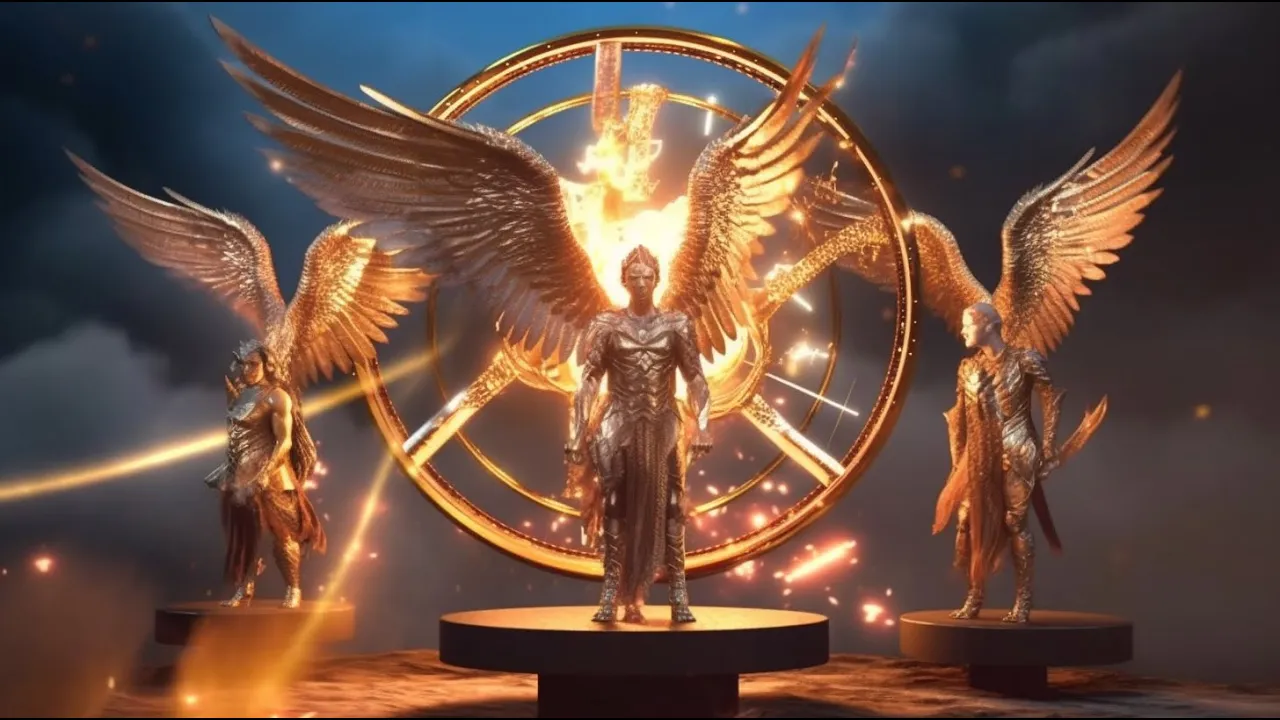
The prophecy of Ezekiel does not resemble a tale from another time or a distant place. It is the chronicle of a very real man, who lived in an authentic place and received incredible divine visions on a particular day. Ezekiel’s prophetic ministry was born at a time when Judah was still an independent kingdom.
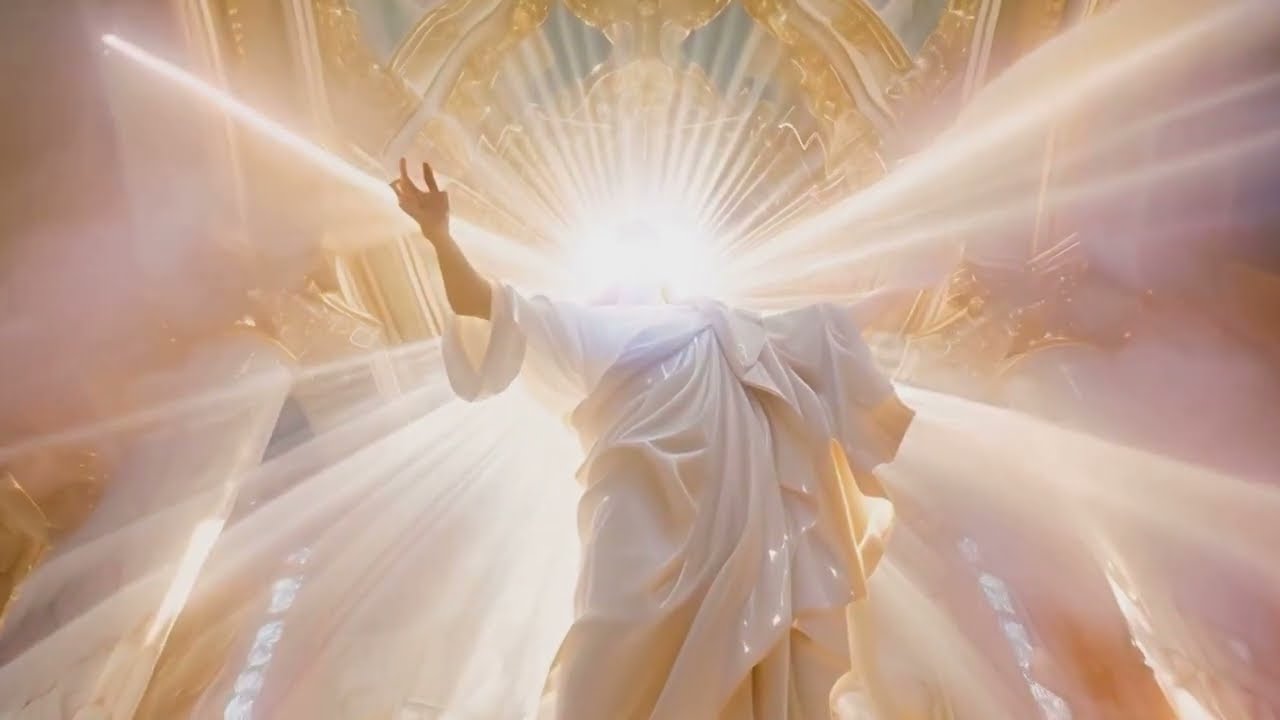
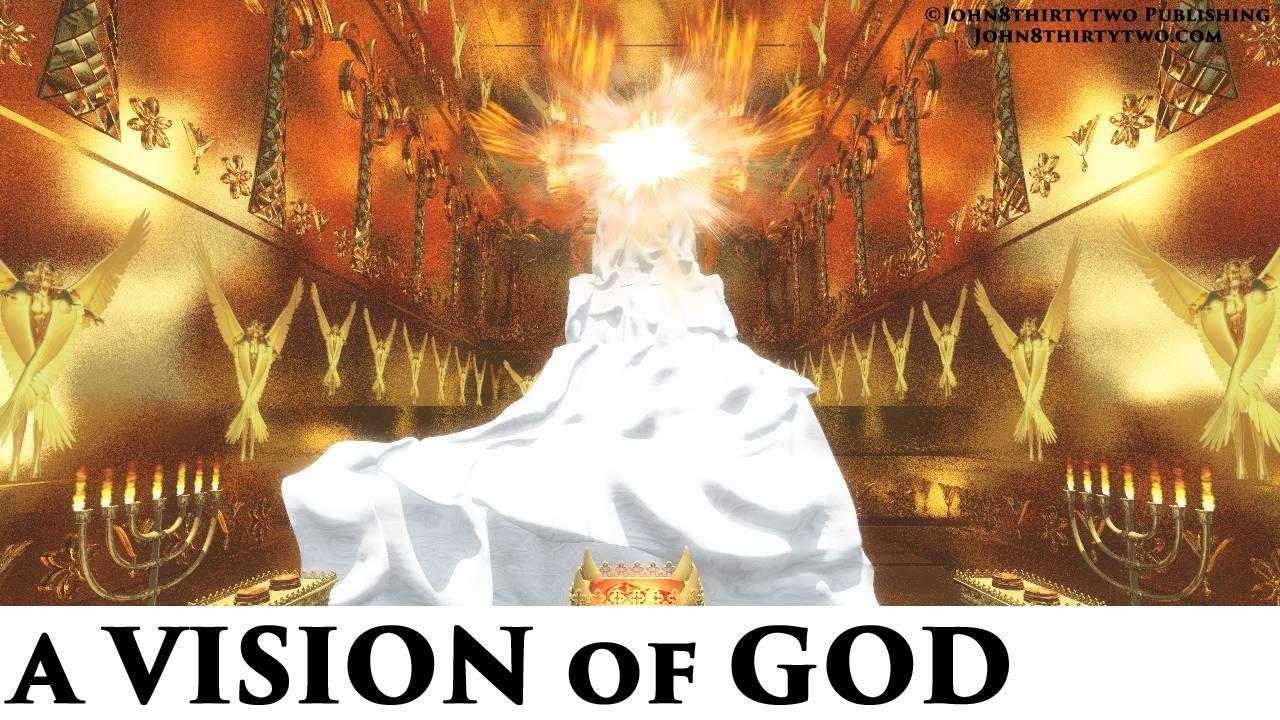
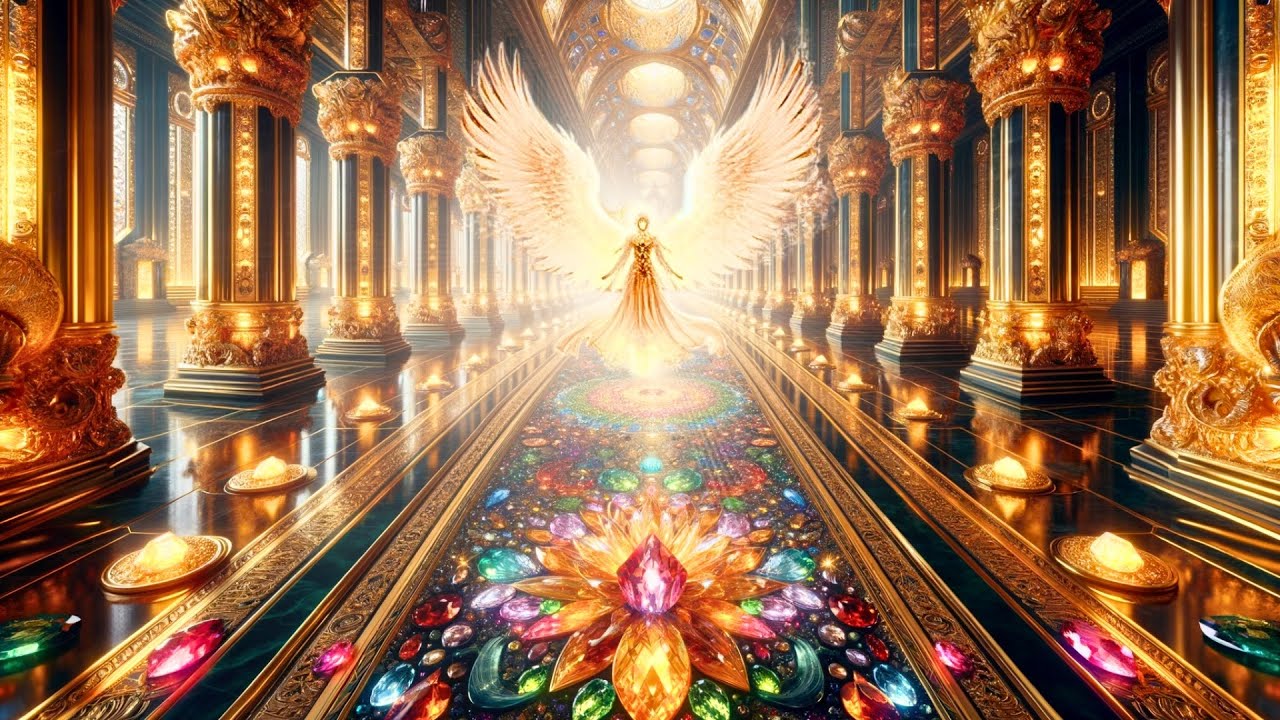
Do you wonder what Paradise looks like? It would be a unique experience to cross the threshold of God’s throne room and observe the activities taking place there. The Lord’s message was expressly conveyed to the priest Ezekiel.
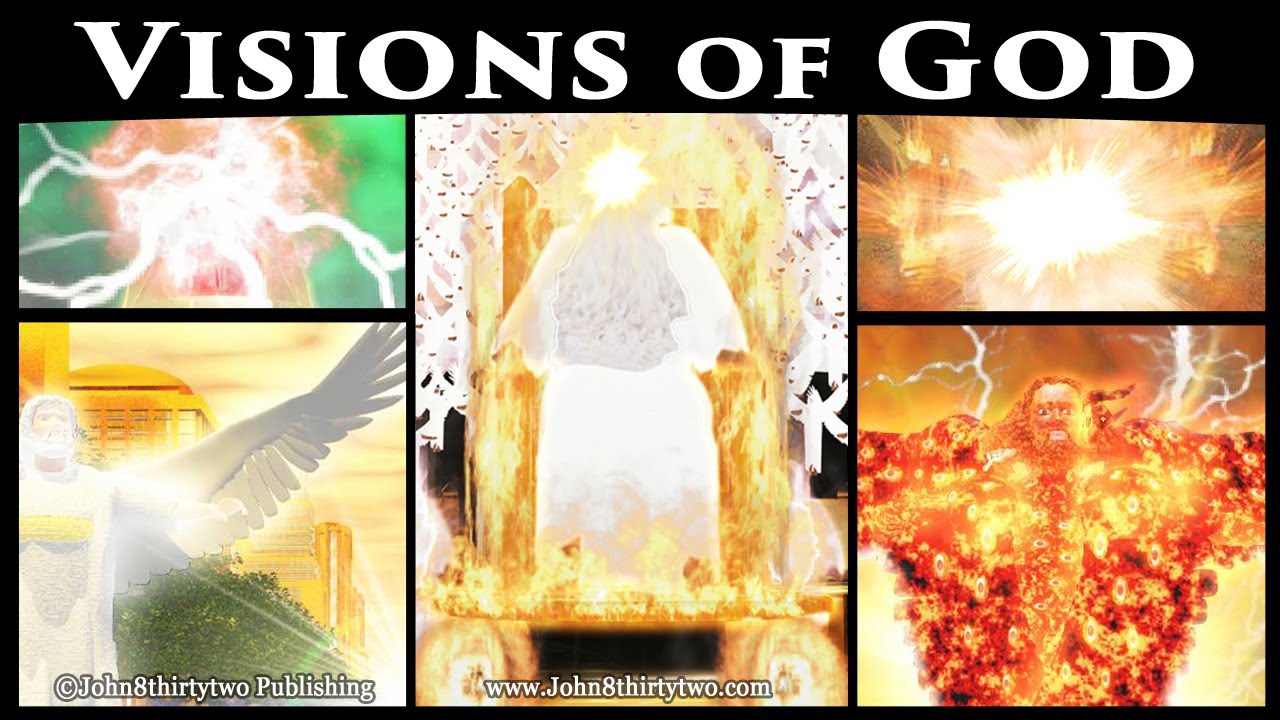
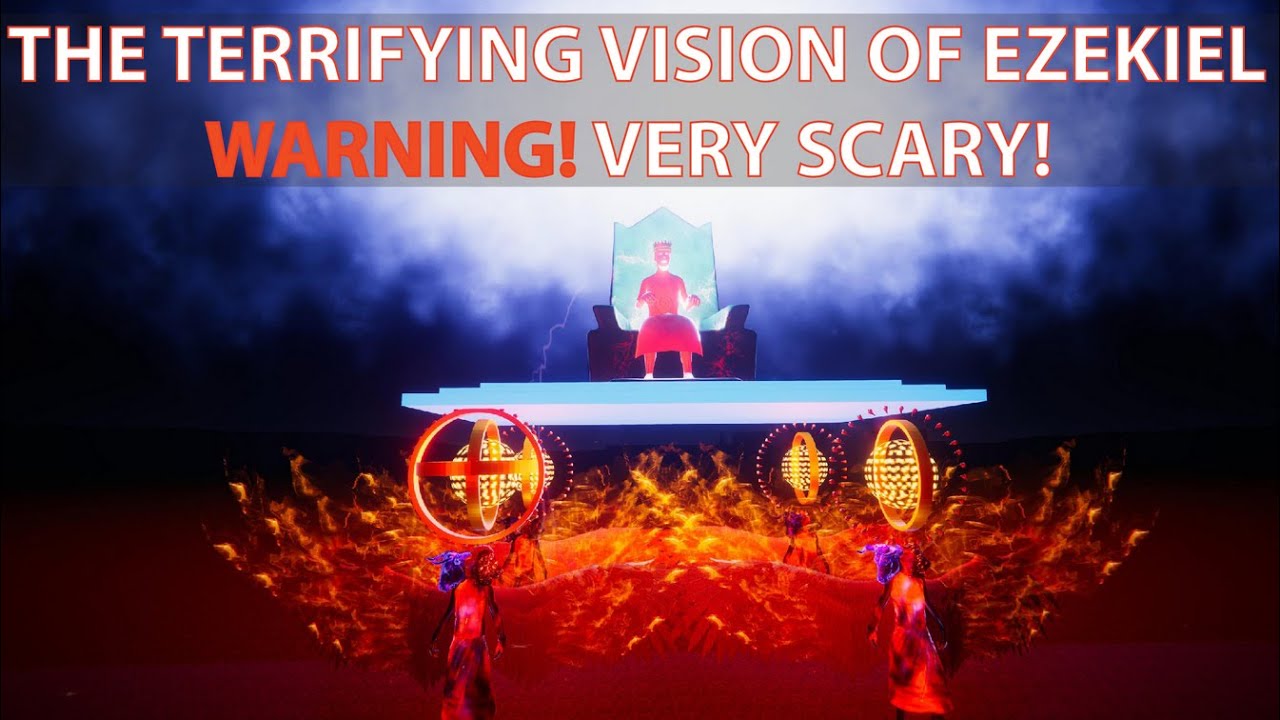
Not only was this word delivered to him, but it was done in a remarkable way. The name Ezekiel can be translated as “the strength of God”. Ezekiel 1v4 : And I looked, and, behold, a whirlwind came out of the north, a great cloud, and a fire infolding itself, and a brightness was about it, and out of the midst thereof as the colour of amber, out of the midst of the fire.
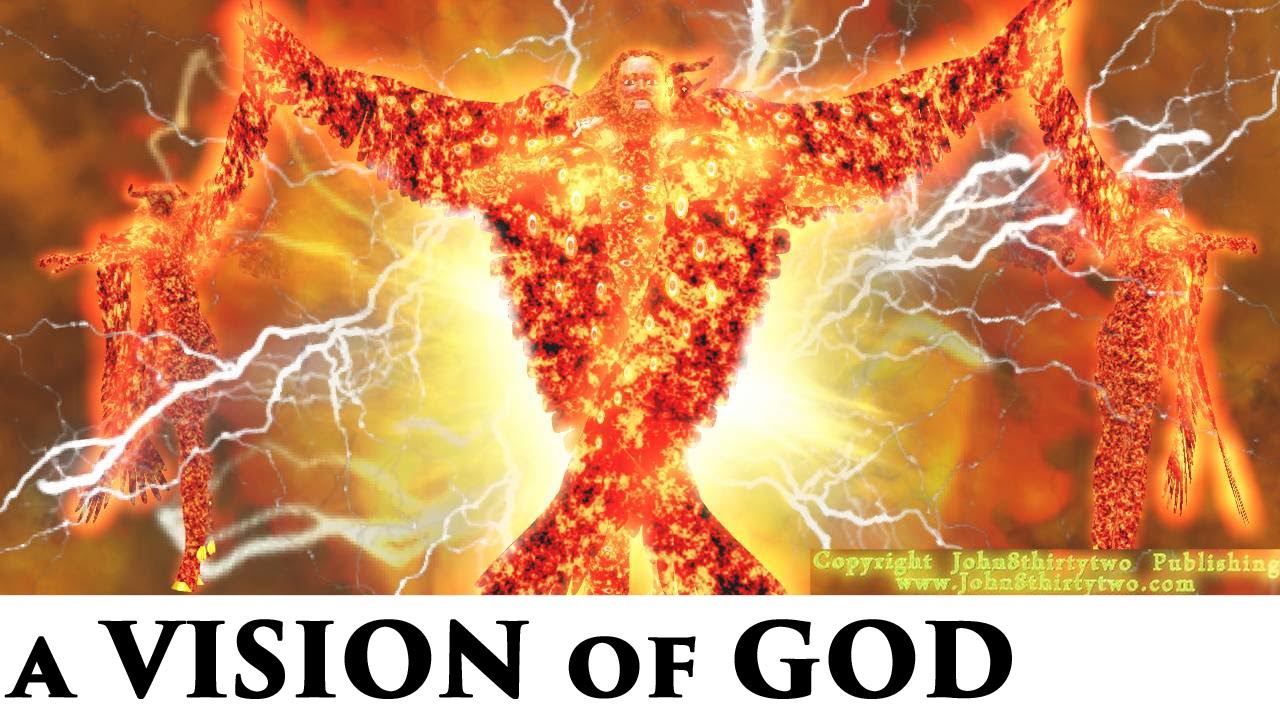
In the beginning, Ezekiel noticed a furious whirlwind coming from the north, before seeing four living creatures, each with four faces - Lion, Ox, Eagle, Man - four wings, straight feet, and hands hidden under their wings. Each creature embodies the attributes of God manifested in creation: His majesty, His power, His velocity, and His wisdom. The Lord, resplendent in glory, sat above the expanse.
Near each living creature was a wheel, or more precisely, a wheel within another wheel. This dazzling vision of the glory of God marked Ezekiel’s entry into his prophetic ministry. We discern similarities with John in Revelation.
However, comparatively, Ezekiel provides a much more detailed description of the four living creatures. . Ezekiel 1 :5-9 : Also out of the midst thereof came the likeness of four living creatures.
And this was their appearance; they had the likeness of a man. And every one had four faces, and every one had four wings. And their feet were straight feet; and the sole of their feet was like the sole of a calf’s foot: and they sparkled like the colour of burnished brass.
And they had the hands of a man under their wings on their four sides; and they four had their faces and their wings. Their wings were joined one to another; they turned not when they went; they went every one straight forward. You can also find these four living creatures in Revelation 4: verses 6 to 9.
And before the throne there was a sea of glass like unto crystal: and in the midst of the throne, and round about the throne, were four beasts full of eyes before and behind. And the first beast was like a lion, and the second beast like a calf, and the third beast had a face as a man, and the fourth beast was like a flying eagle. And the four beasts had each of them six wings about him; and they were full of eyes within: and they rest not day and night, saying, Holy, holy, holy, Lord God Almighty, which was, and is, and is to come.
And when those beasts give glory and honour and thanks to him that sat on the throne, who liveth for ever and ever. No evidence suggests that these beings are allegorical figures in the text that depicts them. On the contrary, they are presented as concrete beings.
The four living creatures, literally beings, constitute a particular and superior order of angelic entities or cherubim. Their proximity to the throne of God clearly attests to this. Ezekiel 1:12 to 20 suggests that they are constantly moving around the throne, Ezekiel 1:12 to 20.
And they went every one straight forward: whither the spirit was to go, they went; and they turned not when they went. As for the likeness of the living creatures, their appearance was like burning coals of fire, and like the appearance of lamps: it went up and down among the living creatures; and the fire was bright, and out of the fire went forth lightning. And the living creatures ran and returned as the appearance of a flash of lightning.
Now as I beheld the living creatures, behold one wheel upon the earth by the living creatures, with his four faces. The appearance of the wheels and their work was like unto the colour of a beryl: and they four had one likeness: and their appearance and their work was as it were a wheel in the middle of a wheel. When they went, they went upon their four sides: and they turned not when they went.
As for their rings, they were so high that they were dreadful; and their rings were full of eyes round about them four. And when the living creatures went, the wheels went by them: and when the living creatures were lifted up from the earth, the wheels were lifted up. Whithersoever the spirit was to go, they went, thither was their spirit to go; and the wheels were lifted up over against them: for the spirit of the living creature was in the wheels.
Revelation 5, verses 6 to 14, describes the roles or responsibilities of these four living creatures: they prostrate themselves before the Lamb, who is Jesus Christ, and pay Him the same homage as to the Father, thus attesting to the divinity of Jesus Christ. Revelation 5, verses 6 to 9: And I beheld, and, lo, in the midst of the throne and of the four beasts, and in the midst of the elders, stood a Lamb as it had been slain, having seven horns and seven eyes, which are the seven Spirits of God sent forth into all the earth. And he came and took the book out of the right hand of him that sat upon the throne.
And when he had taken the book, the four beasts and four and twenty elders fell down before the Lamb, having every one of them harps, and golden vials full of odours, which are the prayers of saints. And they sung a new song, saying, Thou art worthy to take the book, and to open the seals thereof: for thou wast slain, and hast redeemed us to God by thy blood out of every kindred, and tongue, and people, and nation. They hold harps and golden bowls full of incense, representing the prayers of the saints, and are surrounded by 24 elders.
In the Old Testament, harps are frequently associated with worship. They are also linked to prophecy. The purpose of the four living creatures is to proclaim the holiness of God, and to encourage His worship and adoration.
Moreover, these four beings play a role in the execution of God’s judgment in one way or another. They represent a high order of angels whose main role is worship. Revelation 19:4: And the four and twenty elders and the four beasts fell down and worshipped God that sat on the throne, saying, Amen; Alleluia!
. . .
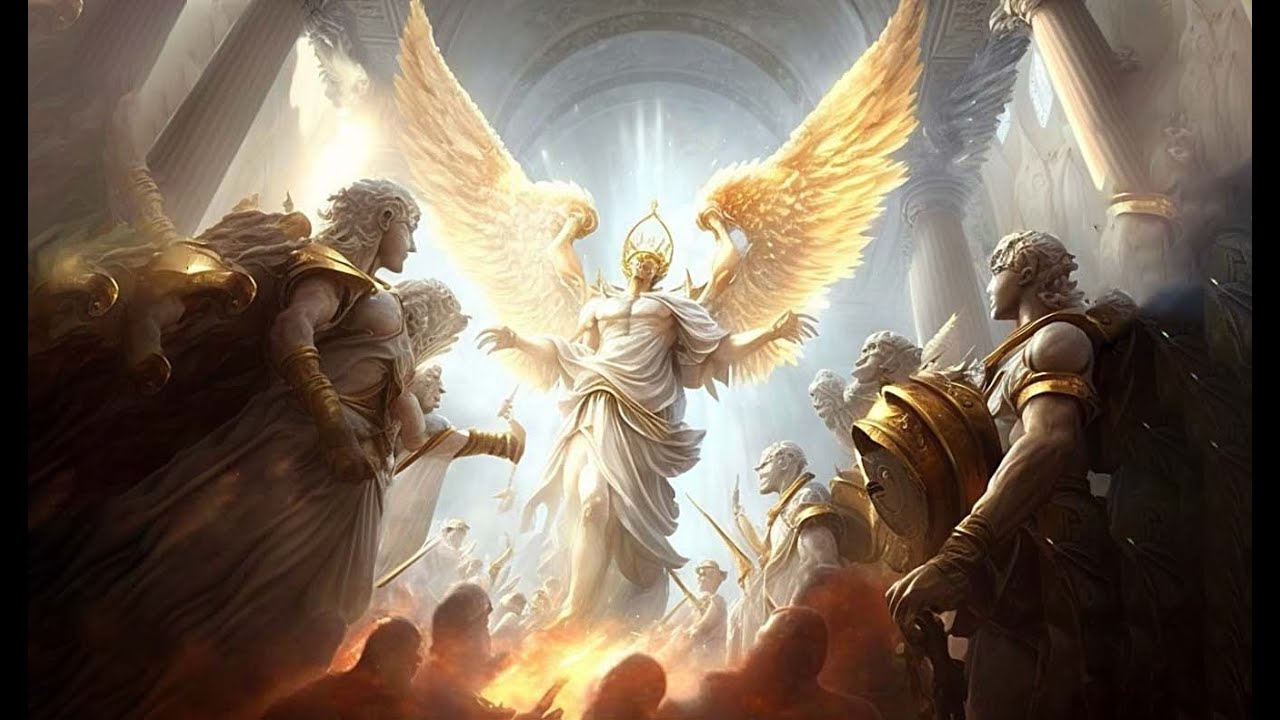
Later, Ezekiel identified these extraordinary beings as cherubim, those angels who surround God and possess particular power and glory. Before his fall, Satan was one of the cherubim that covered God’s throne. Ezekiel 28:14 to 16: Thou art the anointed cherub that covereth; and I have set thee so: thou wast upon the holy mountain of God; thou hast walked up and down in the midst of the stones of fire.
Thou wast perfect in thy ways from the day that thou wast created, till iniquity was found in thee. By the multitude of thy merchandise they have filled the midst of thee with violence, and thou hast sinned: therefore I will cast thee as profane out of the mountain of God: and I will destroy thee, O covering cherub, from the midst of the stones of fire. .
Just as the Ark of the Covenant symbolized God’s presence among Israel, Yahweh was sometimes referred to as the One who dwells between the cherubim. 1 Samuel 4:4. So the people sent to Shiloh, that they might bring from thence the ark of the covenant of the LORD of hosts, which dwelleth between the cherubims: and the two sons of Eli, Hophni and Phinehas, were there with the ark of the covenant of God.
Ezekiel 1, verses 10 to 14, depicts the appearance of these living beings. In John’s heavenly vision, they appear as four distinct creatures, each having one of the four faces mentioned earlier. Throughout history, Bible scholars, or researchers in general, as well as artists, have been inspired by these four different faces.
Exodus 13:21 to 22: And the LORD went before them by day in a pillar of a cloud, to lead them the way; and by night in a pillar of fire, to give them light; to go by day and night: He took not away the pillar of the cloud by day, nor the pillar of fire by night, from before the people. . A devouring fire that consumes itself recalls Moses’ burning bush, which burns without ever being consumed.
We read: “A brilliant light surrounded it and radiated from within it. This brilliant brightness is the expression of divine glory. The four unique beings stood out within this whirlwind representing the presence of God.
Later, Ezekiel identifies these magnificent creatures as cherubim, in Ezekiel 10:8 to 15. These are angels of unmatched power and glory, who surround God. The cherubim make their first appearance in the Garden of Eden, where they are tasked with guarding the path to the tree of life with a flaming sword.
Genesis 3:24 : So he drove out the man; and he placed at the east of the garden of Eden Cherubims, and a flaming sword which turned every way, to keep the way of the tree of life. These beings had a human appearance. Ezekiel specified that they were not men, but angelic beings.
However, they resembled humans in their form and general structure, as the following description shows, without resembling any earthly being. Artistic representations of cherubim, commissioned for the temple of the tabernacle and the ark of the covenant, emphasize their wings, as we see in Exodus 25:20. So what lessons can we draw from these vivid images of God’s throne room?
First, we need to contemplate the Lord in His splendor, be dazzled by His glory, understand what He expects from His people, since He is the Almighty God. He demands from us submission, a heart that trembles at His Word and aspires to obedience. Secondly, we must grasp the greatness of God.
Anyone seeking to assimilate or share this chapter should not get lost in the details of most of its aspects, as important as they are for understanding the details of John’s portraits. Instead, all the details presented should be put back in their Old Testament context, in the broader perspective of their function, which is to reveal the greatness of the divine court, and therefore His own greatness. Thus, they also present a striking contrast to the arrogant and pretentious splendor of earthly rulers.
The text invites us to worship today, just as it did at its first reading in Ephesus. It also invites us to renounce the fear of human greatness, which pales in the face of the majesty of the eternal God with whom we have formed intimate bonds. Thirdly, we must know that it is God who commands.
Chapters 4 and 5 describe God’s judgment on the world. They immerse us in a heavenly perspective, and remind us who is in power here on Earth. We must worship God as He deserves, and allow Him to make us live the experiences He deems appropriate.
The glory of God is the main objective of the revelation that John receives. Even the judgments he will soon witness will glorify God and reveal His work. Instead of satisfying our curiosity about the future, this revelation aims to instruct us about divine magnificence.


![Kim Clement PROPHETIC WORD🚨 [THE END OF 2024 SHOCK YOU] BETRAYAL COMING LEADER REMOVED Prophecy](https://img.youtube.com/vi/saWGavSO4-U/maxresdefault.jpg)