when I started out in raising venture capital I had no network no brand no cachet I wasn't from Stanford Harvard or MIT and I lived in New York this was back in 2011 when and the venture space in New York wasn't even that developed yet yet I was able to raise our series be from andreessen horowitz our series a from Jackson Square Ventures and our seed investors included the launch fund by Jason Calacanis founder collective 500 startups and many other notable angels now that I'm an angel investor I get to sit on the other side
of the table and I sit in on countless pitch meetings in this video I'm gonna walk you through the six slides that you absolutely need to have in your startup pitch deck and I'm gonna explain why intro what's everybody welcome to unstoppable I'm TK author of the book how to punch to Sunday jitters in the face entrepreneur and angel investor on this channel I help star founders business owners and entrepreneurs become unstoppable in their life and their business I drop a video like this every single Sunday with the TK energy so be sure to hit
the subscribe button and the bell icon so you get notified when I drop an episode in this video I'm going to walk you through the six slides you absolutely must have in your startup pitch deck but I'm going to approach this slightly differently I'm gonna approach this in first highlighting the inner narrative that's going on inside an investor's head as you go into a pitch meeting and then I'm going to show you which slide to use to actually meet that narrative so that you can get to the next stage of fundraising if you're excited about
digging in go ahead and smash the like button it helps us out and let's get started so you're going into this pitch meeting and you're really nervous and the investor is probably on their 10th pitch meeting of the day it's too afternoon and you go into this meeting and it's super scary and you're like trying to fidget with the projector we've all been there as star founders now we as star founders are so enamored in our pitch and proving that we believe in this and this is a thing in the should invest we forget exactly
what's going on in the Internet of the investor as they're walking into that meeting so I'm gonna walk you through the six slides that you need to have but I'm always gonna start with the narrative that's going on inside the investors head so as you walk into the pitch meeting the first thing is what I call the hey phase the hey Dogface and in this part of the pitch meeting the investor is just trying to get in the zone now I've been in countless pitch meetings where the investor hasn't read the pre read deck that
I sent over and that's okay they're busy people you're busy and they really want to have this meeting and they want to understand what you're working on but before they get into any of that they're kind of wondering well why are we meeting again who are you again what do you do and do I even care this is one of those scenarios where it's always good to get a warm introduction to the investor ideally from an angel investor I did a whole episode on how to actually get the right angel investors you can check that
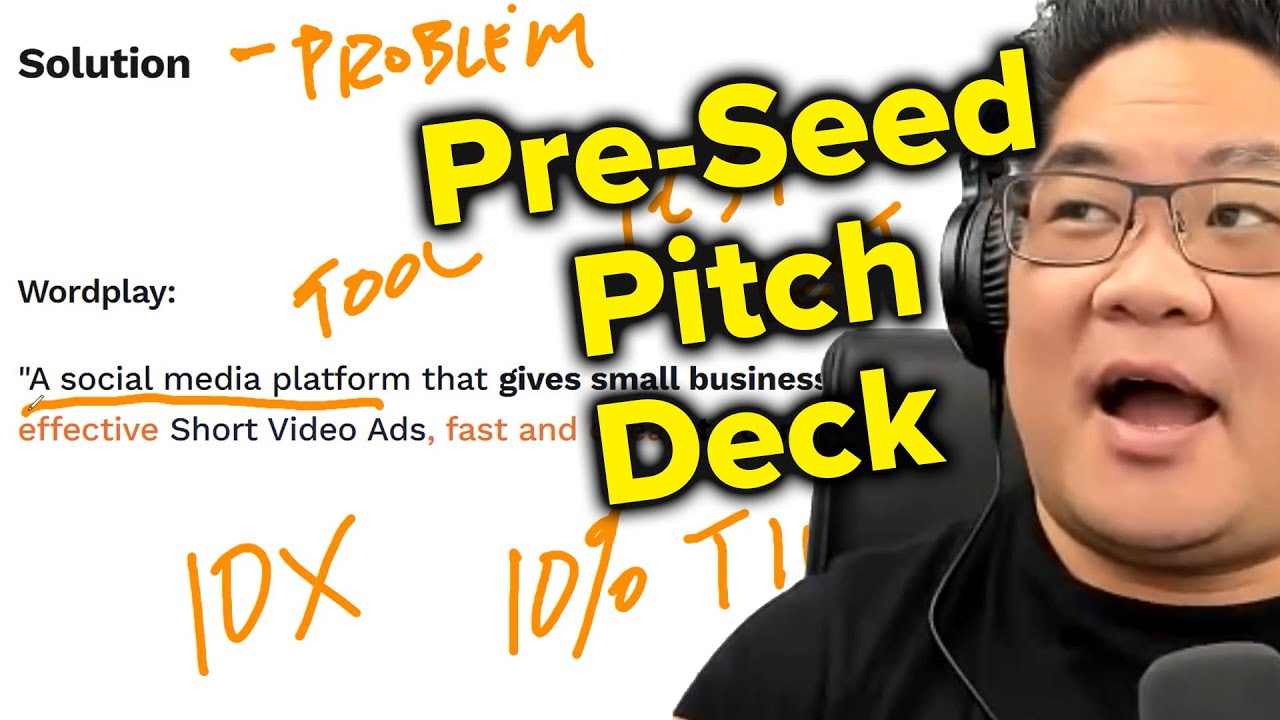
out here or here I'll also link to it below so you can keep watching this video and check it out after this video the first slide that you actually need to do as you're getting in getting acquainted is a remind them how you were introduced who you are and then quickly jump into as succinct of a definition of the problem and the solution that you're looking to solve with a hint of the vision that you're going after this is what we call your one-line hook for me at our table it was email for salespeople it
was sales productivity or sales engagement it immediately got the one-line hook on this is for salespeople and we actually increase their productivity and we're in the email space if I was walking into an investor meeting and they didn't know anything about enterprise sales I tried to not do those meetings because I couldn't explain all of those things this sets the stage right up front on exactly the space you're in and it really Tunes in the investor on whether they really care or not and you almost want to get to that upfront as soon as possible
because if they're not in the space but they don't understand the intricacies of the space that you're in they're probably not going to invest well you also want to do in this slide is along with the problem and solution you want to give just a hint of a vision you don't want to give the full vision you don't want to say we're gonna disrupt with AI and all of Mar tech because then the meter will go off and you haven't earned the trust yet so you you want to give a hint of division along with
the problem and the solution that you're going after that's slide number one that's as you get acquainted and then get into the first slide that's after your logo slide of course once you actually set the stage and define the problem and the solution the first set of things that go through the investors mind is well why do you care about this you as the founder why are you and your team uniquely equipped to actually go after this and do you actually know enough about this and why now as soon as you state the problem and
the potential solution that you're working on they're starting to wonder well is this true is this real and why are you the person to do it which is why the second slide almost always has to be the story of you and your founding team and the big macro trend that validates the problem you're talking about now let's just say the problem is sales people waste a lot of time with email and phone calls and you have to do eight touches to convert a lead to an opportunity that's the problem space we dealt with a toe
tap how do I validate this and how do I show that I have a story that actually goes into solving this kind of problem so I quickly almost always jumped into a story of how I got started in this problem space and the big macro trend I think about all day all night we had two macro trends one was it takes 8 touches to convert a lead to an opportunity and the other macro trend was 80% of a salespersons time went towards data entry as I painted the story of Who I am who the people
are in the team and as I started to highlight the big macro trend that we are really passionate about and why it goes into validating what you laid out in the prior slide which is the problem and the solution and the one-line hook you start to build the credibility with the investor at that point and they start to move away from like why you because they start to hear about your origin story they start to understand that there's a big macro trend that's someone vetted that they can start to at least say ok suppose I
agree with that what have you got for me as you start to describe the problem and the solution and why you're so passionate about it and you have this origin story of why you got into this and why you care about this anyhow you have this team around you that really understands this problem you're going after and there's a macro trend that validates that this is a real problem to go after the next thing the investor starts to wonder about is is this for real stage they're asking themselves okay you're saying these things but are
you legit do you have a real solution and do others agree with you they're starting to wonder like is this like a vapor where pitch where you're pitching some sort of pie in the sky dream and you don't quite have anything or do you actually have actual traction actual numbers an actual product which is why the third slide almost always goes into some sort of traction numbers and leading into an actual demo of the product the trasher numbers show that you actually have a product in the market and in addition to the macro trends that
exist there are also actual human beings that are saying yup this is a real problem I want the solution and I want to use this product and from there if you dove tail into a screenshot of your product and then into a real demo you start to build more and more and more credibility with the investor in saying look I understand the problem I understand the macro trends we have a solution and we're starting to see traction in that solution and here's what we've got so far let me show you what the product looks like
as you navigate out of the heart is this real or you legit stage then you get into the show me the money stage in this case they're saying okay you've got a product it's cool you've got some traction it's cool who is the buyer who is your ideal customer profile how do you actually get leads how do you get users how do you even make money and how big Kandice get these are the big things that I'm thinking in my head once I sort of agree with the problem you're talking about I sort of agree
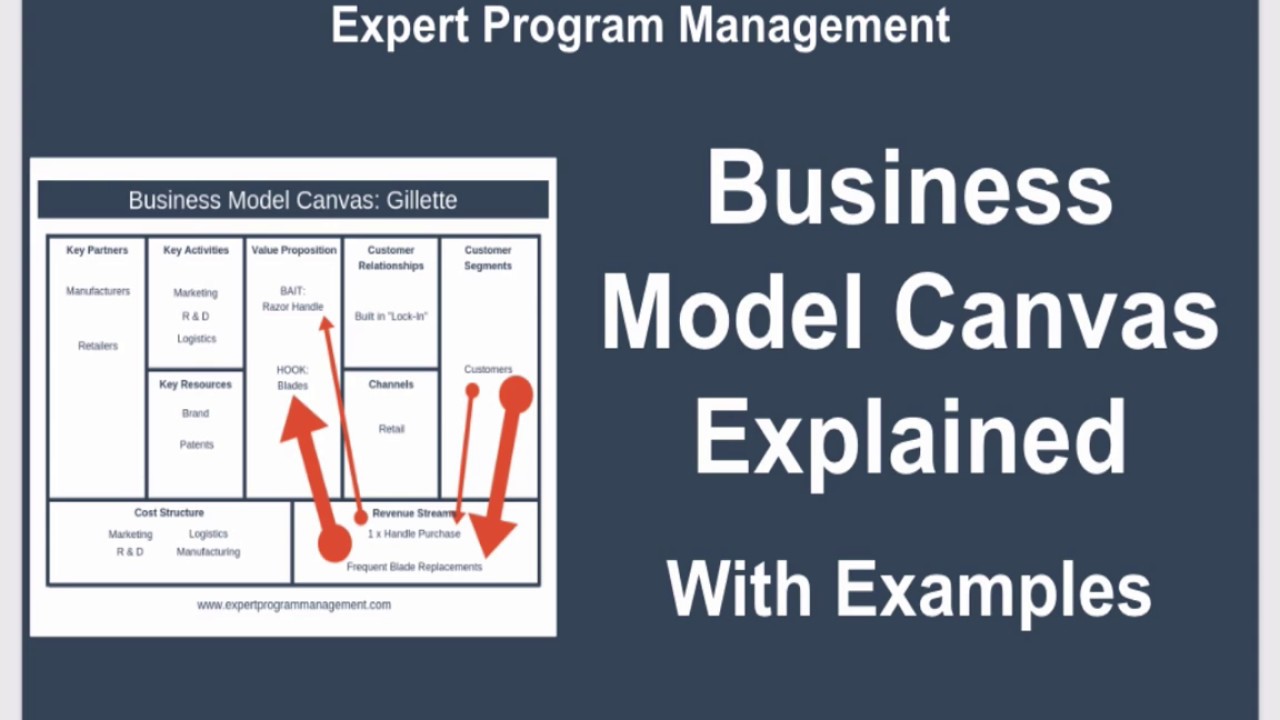
that okay maybe you're the right person to go solve this problem you've got the right team around you and I sort of agree that okay the products pretty good it's got some rough edges it's got some ways to go but man there's some good bones to it but how does this turn into a real business which is when you go into your business model slide the business model slide ideally attacks three key things the first thing it attacks is your temp you want to start to identify like look we are targeting this specific group of
people this is our ideal customer and in our ideal customer this is the overall total addressable market that exists with all the people that are servicing it right now in terms of the people that we actually have in our product right now here's who our ideal customer profile really is right now and here's how we're getting them to sign up here's our go-to-market maybe we have a sales team maybe we have a self-service model maybe we're ad driven maybe we're totally organic this is one of those cases where you never want to say we spend
zero dollars on marketing what you want to say is here's a specific group of people were going after here's how big that market is and here's how we make money here's how we charge for our product here's how we monetize our product and here's how we're actually thinking about the whole thing when you start to put the product and then you start to add the business model all these little objections that go through the investors mind on are you legit are either right person is this a real problem and how do you actually make money
starts to get addressed almost preemptively and in a very beautiful way once you get through these four slides then you start to really dig in because investors like okay they've got actual traction they've thought about how to go to these people and attract these people and get them into the product they've got an extra product this person this team has some story behind why they really care about this they have some domain knowledge and there's a big macro trend and there's a big market I'm interested so let me pause here just for one second that's
four slides out of the six slides that I'm gonna show you and there's a subtle difference in the approach here and I want to make sure that I highlight it every single one of these slides actually goes up against the common objections that an investor has it aligns with the internet if that is going through an investor as they walk into a pitch meeting it's very different than trying to pitch some big crazy idea and showing conviction and saying it's gonna work and sing there's gumption and please invest in me and please tell me this
is a good idea it's a very different approach and the entrepreneurs that learn this tend to get better at fundraising there was a distinct before-and-after moment in my own fundraising journey when I was an entrepreneur like if you think about baby TK baby TK used to go into these pitch meetings and used to talk about the product and the vision and all these things were going to do and the little traction that we have almost in a way of looking at the VC and looking at the investor and saying hey do you think this is
a good idea like almost seeking validation as if the investor kind of knows whether this is gonna be a good idea or not in that after oh what's I went through enough pitch meetings where it didn't work or worked a little bit and I got coached and I learned there was this after and after is when I realized every pitch meeting is a meeting where you're trying to find alignment you're trying to actually say here is what we believe here is why we believe that here's why we really care about this and here is what
the opportunity is and what you're looking to do in the pitch meeting is to find alignment between the investors worldview and your worldview there's very little convincing that really goes on here what's really happening is investor is trying to play out in their head their intern era t'v on is this a real business that I believe in and you're walking through your belief on why this is a business that you really believe in are you starting to see the difference in approach in this this is not about pitching some grandiose vision and some pie-in-the-sky thing
this is about really telling your thesis around your business Ray Dalio at Bridgewater he's one of the most famed investors I used to actually work at Bridgewater so I got to see him almost like at a ten ten foot view a Ray Dalio always said our job as entrepreneurs is to bet against the consensus and be right and truer words have never ever been said about startup founders what we are really doing is we're saying we have a thesis and this thesis is almost a little bit of a secret it's betting against the consensus because
the consensus has to do this and I'm gonna go do this and if I am right and if you join me on this and we are both right then we're gonna get paid handsomely for it because we end up being right by betting against the consensus that's how it works in the investment management business whether you're venture capitalist or a hedge fund manager or a PE manager and that's how it works for entrepreneurs and Starr founders like us this is why it is so important that you follow this type of narrative where you're purely pitching
your thesis are on the business and your conviction or on the business and your story or on the business and you build on it one slide after an and when you're able to do that when you start to start with the problem in the solution and then you go into the macro trend and the story on what uniquely qualifies you and your team and then you go into the actual traction and the product and the numbers and then you show how you're going to make money you're walking through your bet against the consensus and why
you think you're right and what the early signs are and that's when real conviction comes and that's when this real centeredness comes in a pitch meeting and that's when you're meeting the narrative of what the what the investor is already thinking and that's where you're starting to get aligned if you're starting to see the difference in approach here if you start to see the aha moment that I had in the before and the after can I just get a yes in the comments below it would mean a lot to me and my team and also
just helps me know that you're with me here so going off the last slide that we talked about as they exit this show me the money zone where they're starting to see okay these people know how to go after leads and users and they know how they're gonna make money and this can get pretty big given the TAM the toll addressable market that they're talking about and the ideal customer profile that they've defined by the way if you want to learn how to create an ideal customer profile I did three videos on this I'll link
to them below one is about how to create an ideal customer profile the other is how to implement ideal customer profile so be sure to check those out after this video once they actually exit out this show me the money phase then they start to go into their own heads they start to actually check in with their own business model and this is one of the things that a lot of star founders especially when you're starting out I didn't realize this all right and think about this I didn't think about the VCS business model theses
are money managers they are here to deploy capital and they have their own business model just like how you have your business model which is why making money getting to an exit is super important for them and this is when the VC starts to think about or the investors does to think about like look I get it you have an idea here but in their own mind they're thinking I need to return 3x my fund how big can this business get how big can this business get and will your business be the one that actually
ends up being the one company that really were turns my fund the thing about venture capital is it's got a very high failure rate and it's supposed to be like that their jobs are to deploy capital into things that are betting against the consensus and most of those things are gonna be wrong but their job is to make sure that every single thing that they invest in has the chance of actually being right and being so right and being so big that it returns 3x to 10x their fund so if they've got a 10 million
dollar fund they need to make sure that you get a certain outcome if they've got an 8 billion dollar fund they need to make sure they show a certain outcome and this is the point in the pitch where it has nothing to do with you really they're in their own head thinking is this company alone going to return my fund and this is where your vision comes in this is where you show your slide or on how you will compete and win this is a slide where you can show the landscape that you're in you
can show your competitors and you can really start to outline this is what our competitive bet is this is how we're betting against the consensus which is all these competitors and this is how we're going to attack it completely differently and this is how beyond what you saw in the product today this is how we're going to grow and this is what it can ultimately become which in a way is really gonna ask answer their question of how big can this really get so when you actually show your vision which you hinted at in the
beginning but really dive into it and say look if this works and this works in this works we can go get this and we displace all these other competitors go after this tol Tam and that's how I think we're betting against the consensus that's when they're gonna start to do the math in their head and say okay if this is the vision and this is how they're going to compete and this is their origin story maybe this can actually to return my fund and that's when the investor or the VC starts to kind of lean
in and say tell me more so up to this point in the meeting you start with acquaintances and you start to speak to their narrative if you're doing it differently right and you're starting to say well I'm betting against the consensus and here's why we think we're right here's the problem and solution we're going after an r1 line hook with a hint of vision here is the story of Austin why we care about this and the big macro try that makes us believe that this is a real problem to go after and here is the
traction that we have and here's the demo of our product and here is the big tall addressable market we're going after and the ideal customer that we're starting with and here's a go to market motion and here's how we're making money and here is the big vision as we prove out these things and go bigger and bigger and bigger we can go after this really big thing and here's how we're gonna compete this is when you're starting to really align if you're with the right investor and that's when this next part of the narrative comes
in the investor then says all right if I say yes and this is the thing that a lot of star founders don't think about their summer playing their mind if I say yes let's just say I put in five hundred thousand dollars alright put in a million I put in two three million dollars whatever that cheque size is if I say yes to this round let's just say I'm in a bunch of other really smart people are in awesome great now they're asking all right let's just say you raise three million dollars how are you
going to put that capital to work and what does the next fundraise look like here's the thing that I also didn't think about as a start-up founder early on the baby TK didn't think about which is if I raise this round the investor is not just thinking about what happens in this round they're thinking will I be able to raise the following round because if I raise this round and then I'm not able to really change the trajectory of the business then I'm not gonna be able to raise that next round I'm not gonna be
able to execute on the bigger bigger vision which is gonna go return the fund for that investor that you're pitching so there's some you do this math on all right if this round is at this valuation and the next round will have to be at this valuation and will my money and whoever else is putting in money will you guys actually be able to put in that money to work so you can get to that next stage and that next stage could be the next round of funding or it could be profitability but really it's
probably the next round of funding so that you can go after that bigger vision which is starting to convinced me that it's gonna help me return my fun which is why you wanna at this point go into your financials you want to be able to lay out your financial model that shows all right if we raise this amount which is what we're raising and we're raising only what we need to raise if we raise this amount here's where we are right now here's how we're gonna deploy that cash and here's how it's gonna get us
to this next stage and when we get to that next stage here's what the company is gonna look like here's where we are gonna be in our vision and based on that we'll be able to neck raise our next round and that will answer the question in the investors my life look I say yes to this round will you actually be able to continue on and raise the next round an increase evaluation of the company which will then allow me to go back to my LPS and say hey I invested in this company we invested
this validation there at this valuation now we're pretty awesome we're raising our next round which is kind of interesting because all sudden this is very little to do with your company but it really has to do with the business model of the investor which start owners don't think about and then finally as you navigated this conversation they'll probably dig in more they'll ask more questions they'll ask more thoughtful questions and they'll start to really stress test you on how you're thinking about the business the one thing that you want to be ready on is being
able to say we don't know that but we'll get back to you what that means is you'll have to know all your stats you'll have to know the inner workings of your business you'll have to be able to demonstrate that you've thought about this company this macro trend and this bet you're making against the consensus which includes the competitive dynamics and the technology issues that may come up you've thought about all this and you can speak to it with conviction but at the same time you are also centered enough to be able to say you
know what I don't know the answer to that but I'm gonna get back to you I I remember when I was in my pitch meeting for my series be round and it was one of the most humbling things because by the time we were at Series B and we were pitching investors I had spent years thinking about Taotao I had spent years thinking about salespeople and our software and the vision and where we could go and it was one of the most humbling things because I was in a room with Marc Andreessen Ben Horowitz the
entire partnership of injuries and Horowitz and we spent the first 30 minutes going through slides a very similar to this and there was this moment where I'll never forget this Marc Andreessen just said okay got it then okay got it met he had computed my entire business and the ecosystem in his mind in the time that we spent so far and then they started to pepper me with questions that were so deep I was like how are you already thinking about this I can't because I've been thinking about this for years I've thought about it
deeply and I've thought about but in 30 minutes you've calculated that in your head that's what great investors do they build up a mental model about your business as you walk through these slides they think about their own business model and then they enter into a phase of stress testing you so you also want to be prepared to have a bunch of appendix slides that go into different scenarios of different aspects of your business so that you can be stress tested and you can show that you've thought deeply about the business once you go through
these slides it will hopefully get you into a more engaging discussion the next meeting and a more engaging next step so that you can continue the fundraising process but there's one last bonus slide I have for you inevitably the investor will say at the end no matter what whether they're interested or not they'll probably up to go talk and think about it a little bit more they'll say the dreaded term that we all just log as start founders they'll ask you how can I be helpful with a nice smirk and it's like you write me
a check that's how you can be helpful I know that's the answer you're thinking in your head but here's the slide I want you to have ready I want you to have this one slide ready and it has made the biggest difference in my fundraising and other star founders that I've used it I want you to have a slide with ideal portfolio companies that are in their portfolio that are in your ideal customer profile I did this and it's almost always just a bombshell as soon as they say how can I be helpful you want
to pull up a slice of that says you know what you invest it in these five companies here are their logos these companies are totally in our ideal customer profile and we believe we can help them it would mean the world to us it would be very helpful to us if you introduced us to their CEO or to their head of sales or to their head of marketing or whoever you're selling to when you drop a slide like this it shows two things one it shows conviction around your product and two it shows that you've
really thought about this it shows that you are honed in on your ideal customer profile and it shows that you have enough conviction to say put me in a sales process I will add value to your portfolio companies and by the way if there are Center portfolio companies that they've invested in that are already customers add in there and say they're already a customer and you can go talk to them about us but we would really love intros to these three or four other companies so to recap here are the six slides that you have
to go through number one problem solution and your one line hook with a hint of vision you don't want to put the whole vision up front because you don't have the trust yet and the vision is probably like a bigger consensus bigger bet against the consensus number two you want to build on that and share your story why you care about this and the macro trend all of which validates the problem solution slide then you want to get into your traction to show that yep we've tested this and there's actual traction and you want to
show your demo and then you want to show your business model and show your Tam your ideal customer profile you go to market strategy and how you're making money which is your business model and then you want to dive into alright and here if all this works and we raise our round here's our bigger vision here's how we're gonna compete here's our bet against the consensus and here's our world domination strategy and then you're gonna go into the financial showing if we raise this round here's how we put the money to work and here's what
the next stage looks like and once you've done that you want to drop your bombshell and say by the way here are the customers where we have in your portfolio companies but here are the three intros we would love to have because we want to help them do what we do now that you have the six most important slides that you need to have in your star pitch deck I want to leave you on one last note fundraising is a difficult process you can go talk to the entrepreneur and star founder that have had successful
exits and are raising for their third company fundraising is still a difficult process for them as well it's an unnatural process it's a difficult process but in the end it's always worth it and if you're having trouble and you're having trouble navigating this whole process just remember the best companies that exist today some of the best companies exist today had trouble fundraising in the early days Marc Benioff founder of Salesforce Salesforce is valued at $115 today they could not get any VCS to invest in Mark's company Marc was not able to convince any VCS to
believe in this vision around the cloud which is in if you think about it he had to go to his personal friends and put in his own money to get Salesforce off the ground and it's a hundred fifty billion dollar company today if you think about Jeff Bezos the richest person in the world Amazon giant companies incredibly successful company he had to pitch 60 investors to cobble together a million dollars of funding at that stage of the company at the early stage of the company which is also insane so this thing you have to remember
is it's hard even for the best of us and on top of that investors don't decide whether your idea is right or wrong whether your bet is right or wrong there's only one group of people that actually decide and that is your customers as a Star founder you have two levers that matter the most you're the shipping code or your closing deals ship code close deals you operate those two levers properly and your customers will tell you if you are on the right path and if your bet against the consensus is actually right and when
you do that and you go into these pitch meetings everything becomes easier so to summarize and now you have my six slides if you download my six point star strategy guide a link to it below it includes the template for this it also includes a lot more information on creating a one page strategy for your startup so you can ship code and close deals which are the two levers that matter the most additionally as promised if you want to go build out your ideal customer profile be sure to check out this video where I explain
the three most misunderstood things about building an idea customer profile you can also check out this video that helps you create an ideal customer profile and then you can throughout this video that helps you implement an ideal customer profile once you've an ideal customer profile and as you're building your product what you also need is an unstoppable sales funnel and unstoppable sales funnel is a specific way that I create a sales funnel that helps you get early customer validation that helps you rise above the competitive noise and create more pipeline and create more customer conversations
for your business so you can check out this video for learning how to build and unstoppable sails fun if you enjoyed this video please hit the like button it would mean the world to me and my team we put in a lot of effort to take really complicated topics and distill them down into simple note cards so then you can go execute on an unstoppable strategy it takes a lot of work and it means the world to us when you like the video it helps us spread our message if you can comment below with your
thoughts that would mean the world to me as well if you're part of a whatsapp group or slack group or a mailing list with other star founders that would find value in this video please share the video with them as well we want to help as many star founders pasta as possible to rise above and execute with an unstoppable strategy and lastly I drop a video like this every single Sunday with the TK energy to give you clear actionable steps on how to take your startup to the next stage of growth how to have a
strategy for your personal life and start mater and your business and so be sure to the subscribe button and the bell icon you'll get notified when I drop an episode every single Sunday and lastly you remember everyone needs a strategy for their life but when you are with us yours is gonna be unstoppable I'm TK and I'll see you next Sunday





![Ultimate Pitch Deck Guide with Examples [in 2022]](https://img.youtube.com/vi/iHNwH4oiPIE/maxresdefault.jpg)