cats often give off an air of self-sufficiency but beneath that poised exterior lies a sensitive creature attuned to our actions and environment so here are top nine ways you might be unintentionally causing your cat emotional distress number nine ignoring them when you come home when you come home and don't acknowledge your cat not even a quick gentle Pat they do take note you see Cats form attachments to their owners in ways that are subtle yet signific ific a study conducted by Oregon State University found that cats form secure and insecure attachments with their human caregivers
much like dogs and even children when their owner ignores them especially at a time when they're naturally wired to greet or engage like when you return home it can create a sense of insecurity in them when you get home always take a moment to greet your cat look for them say their name offer a stroke or a scratch behind the ears this small gesture acknowledges their presence and importance in your life it reassures them that they are a valued Part of Your World number eight overlooking their hunting instincts even the laziest Couch Potato of a
cat has a natural instinct to hunt it's wired deep into their DNA a trait inherited from their ancestors so when this instinct is not acknowledged or satisfied it can lead to a bit of a kitty crisis one common mistake cat owners make is using a laser pointer for play without giving their cat a tangible reward at the end here's what happens your cat chases that elusive Red Dot with all the focus and energy they can muster but when the game ends and there's nothing to catch it can be quite frustrating for them so at the
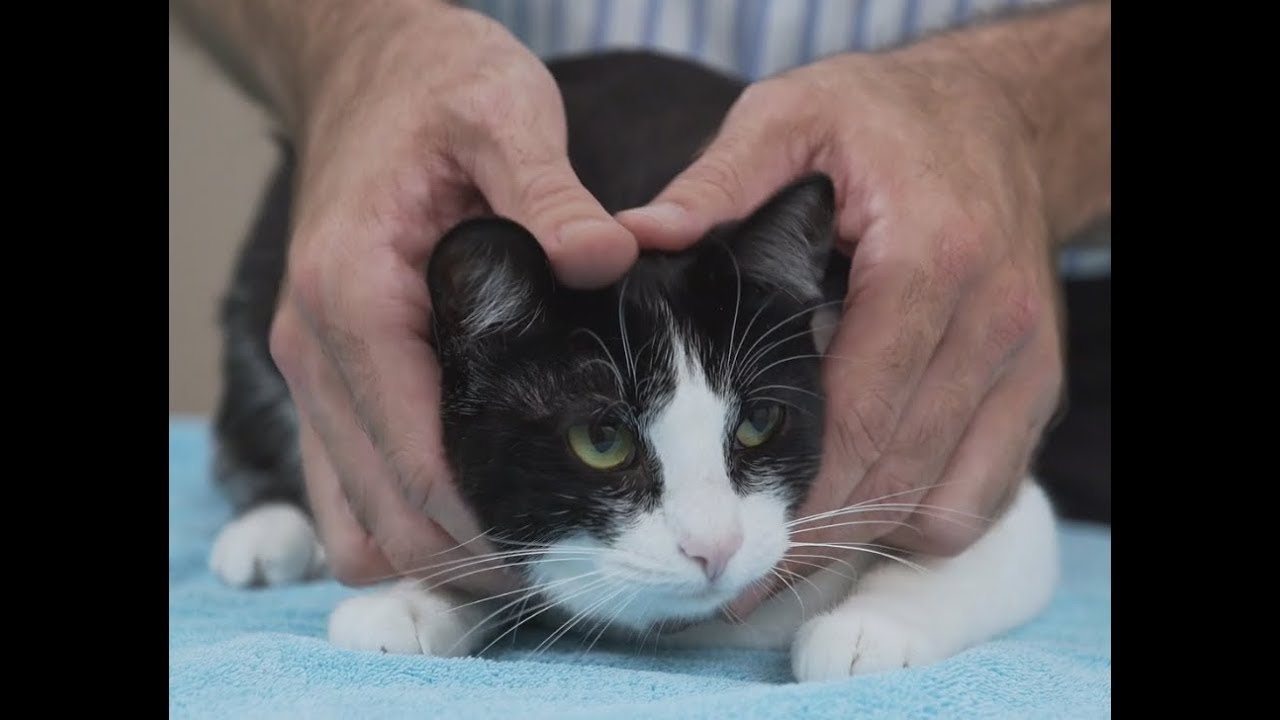
end of a laser pointer play session offer them a physical object they can pounce on and catch it could be a stuffed toy or a treat this gives them a sense of achievement and completes their natural hunting cycle number seven disregarding their preferred petting zones you might have noticed that some cats love a good chin scratch While others might purr happily when you stroke their back yet there are areas like their belly or the base of their tail that many cats find too sensitive or even threatening when touched these preferences can also change a cat
that may have enjoyed belly rubs as a kitten might grow to dislike them pay attention to how your cat responds to being petted in different areas start with safe zones like the base of the ears the cheeks and under the chin if they seem comfortable and relaxed you can gradually try other areas but always be mindful of their reactions if they show any sign of discomfort it's time to stop number six not respecting their space cats have their favorite spots around the house a cozy Corner a sunny window sill or under the bed these places
are their safe havens where they can unwind observe or simply enjoy some alone time when we encroach upon these spaces particularly when they Retreat to them it sends a signal that their boundaries are not respected respecting their space is crucial it means not picking them up when they're comfortably settled somewhere not disturbing them when they're sleeping and not following them when they Retreat to their Hideaway number number five scolding or punishing them cats are very much creatures of the moment they don't make connections between actions and punishments like we might expect them to if you
scold them they don't understand that they're being reprimanded for something they did instead they're likely to feel confused or scared because their trusted human is suddenly angry or loud the key is redirection and providing Alternatives if your cat is scratching the furniture offer them a scratching post and encourage them to to use it if they're jumping on counters try to find out why and address the root cause maybe they're curious or looking for food in that case provide more enrichment or ensure they're fed regularly number four loud noises or yelling cats are built to pick
up the slightest rustle of a mouse in the grass which means loud noises in our human world can be startling and even frightening to them when a cat is frequently exposed to loud sounds like yelling loud music or even the booming noise from a TV it can create a constant state of stress and anxiety for them yelling in particular can be very detrimental when they hear raised voices whether it's someone shouting at them or just loud conversation they don't understand the context all they know is that the environment feels unsafe and unpredictable it's not just
about immediate reactions either over time a cat living in a noisy environment May become more withdrawn or exhibit signs of stress like overgrooming or a change in eating habits number three ignoring their communication attempts cats might not be able to speak our language but they certainly have their own ways of communicating with us this includes vocalizations like meowing or purring as well as actions such as bringing toys to you or rubbing against your legs each of these behaviors is a way for them to interact and connect with you meowing for instance is a behavior cats
have developed primarily to communicate with humans a study by the University of Georgia found that adult cats don't usually meow at each other but they do meow at humans this means that when your cat meows they're trying to tell you something it could be that they're hungry want attention or are just saying hello ignoring their meows can make them feel like their efforts to reach out to you are in vain number two forc socialization cats are very particular about their social interactions and they prefer to have control over when and how they interact forcing a
cat into social situations like making them interact with other pets especially new ones or insisting they spend time with people they're not familiar with can be quite stressful for them cats rely heavily on scent and non-verbal cues to communicate when they're forced into an unfamiliar social situ sitation these signals can get mixed up leading to anxiety or fear this is particularly true for cats that haven't had much socialization from a young age kittens typically have a socialization period that lasts until about 14 weeks of age during this time their experiences with people other animals and
different environments can shape their future social behaviors but here's something really interesting research shows that cats are capable of forming secure attachments to their humans much like dogs or even children to their parents a study published in current biology in 2019 found that the majority of cats form secure attachments to their owners showing signs of distress when the owner leaves and then demonstrating relief upon their return this goes to show that cats do form strong social bonds but on their own terms so when it comes to introducing a cat to new people or pets patients
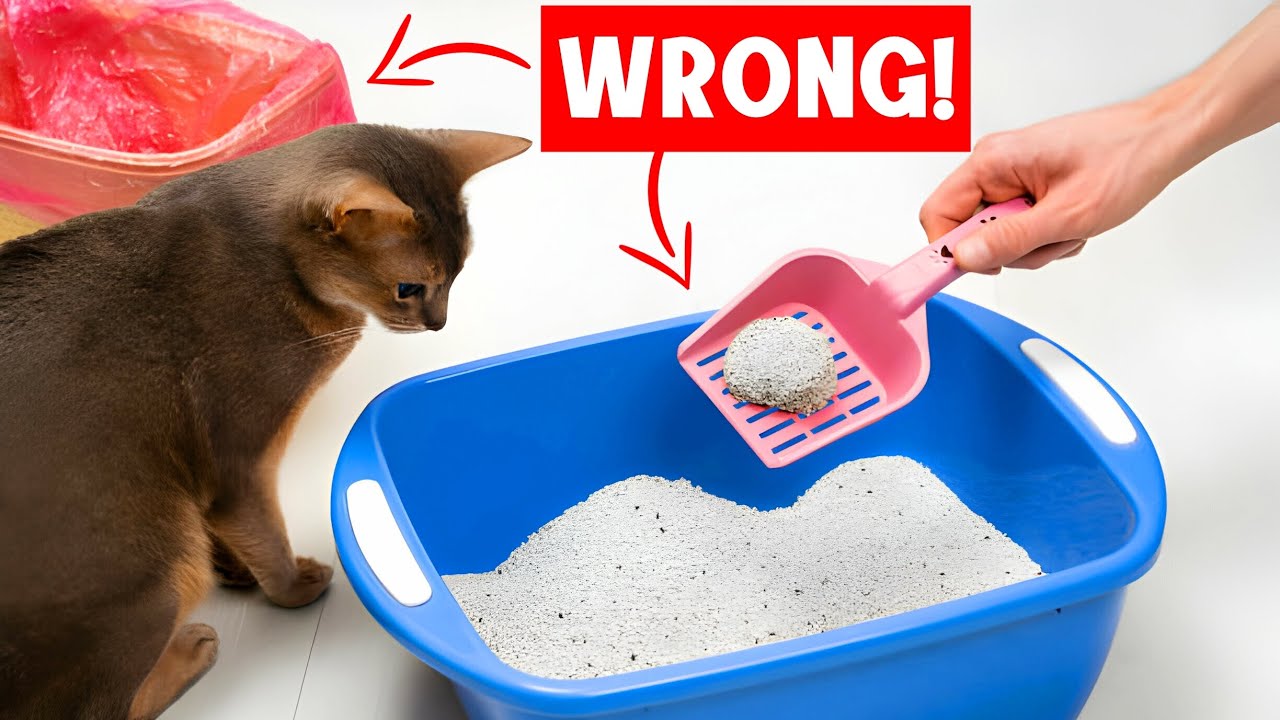
is key it's best to let the cat approach on their own terms and in its own time and make sure to create a safe and comfortable environment where your cat can Retreat if they feel overwhelmed number one overwhelming smells what might be a pleasant or mild scent to us can be overpowering or even distressing for your cat take scented cat litters for example while they might seem like a great idea to keep the litter box area smelling fresh for cats these strong scents can be quite off-putting cats might avoid using a litter box with a
strong scent leading to inappropriate elimination behaviors definitely not what any cat parent wants and it's not just about discomfort cats use their sense of smell for a variety of important functions they communicate through pheromones which are scent markers that they leave around their territory strong artificial scents can mask these natural pheromones essentially blinding the cat in a scent sense this can lead to increased stress and anxiety as the cat feels Less in control of its environment cat language is unique and often misunderstood so they sometimes show love in ways that go unnoticed by their owners
so check out this video where we look at 17 surprising ways cats show affection so you never miss a special moment with your kitty again and be sure to subscribe to our Channel and join our feline loving community