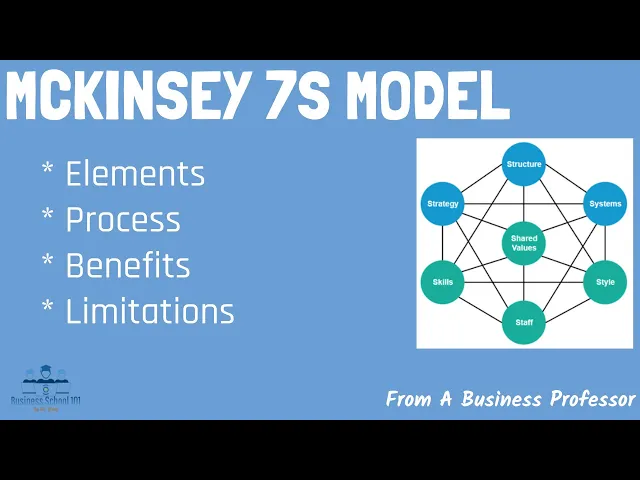
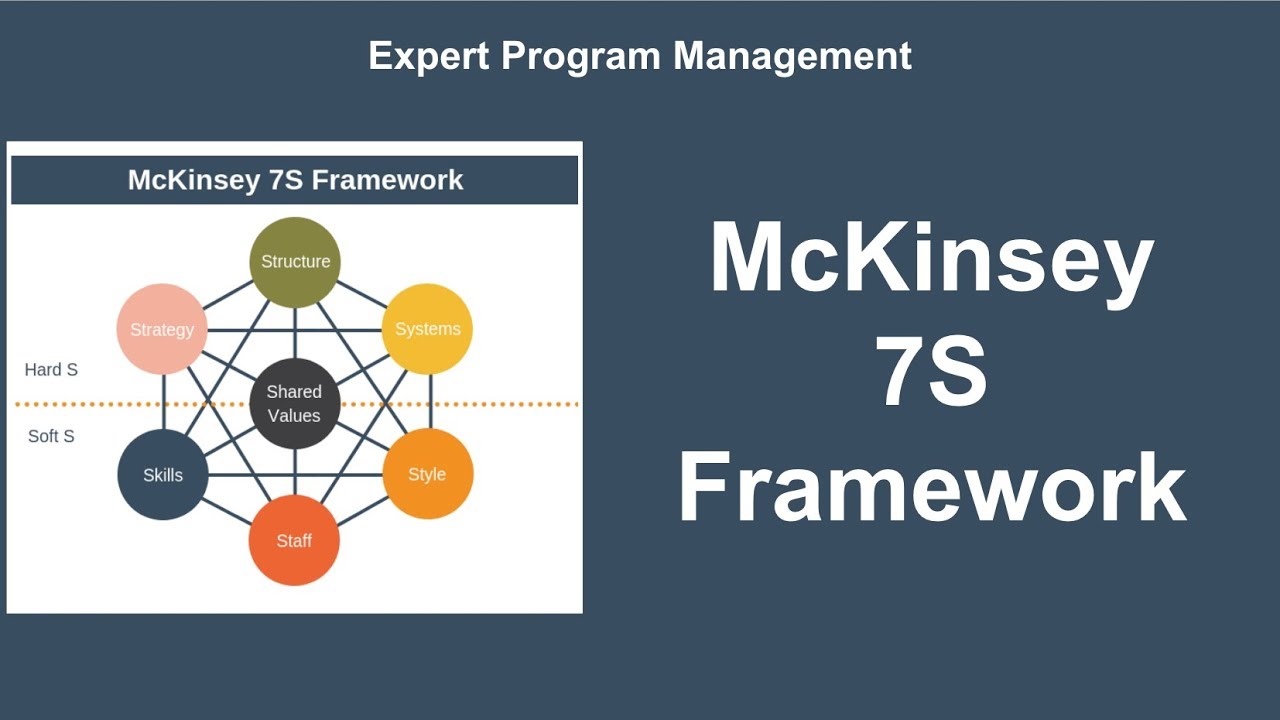
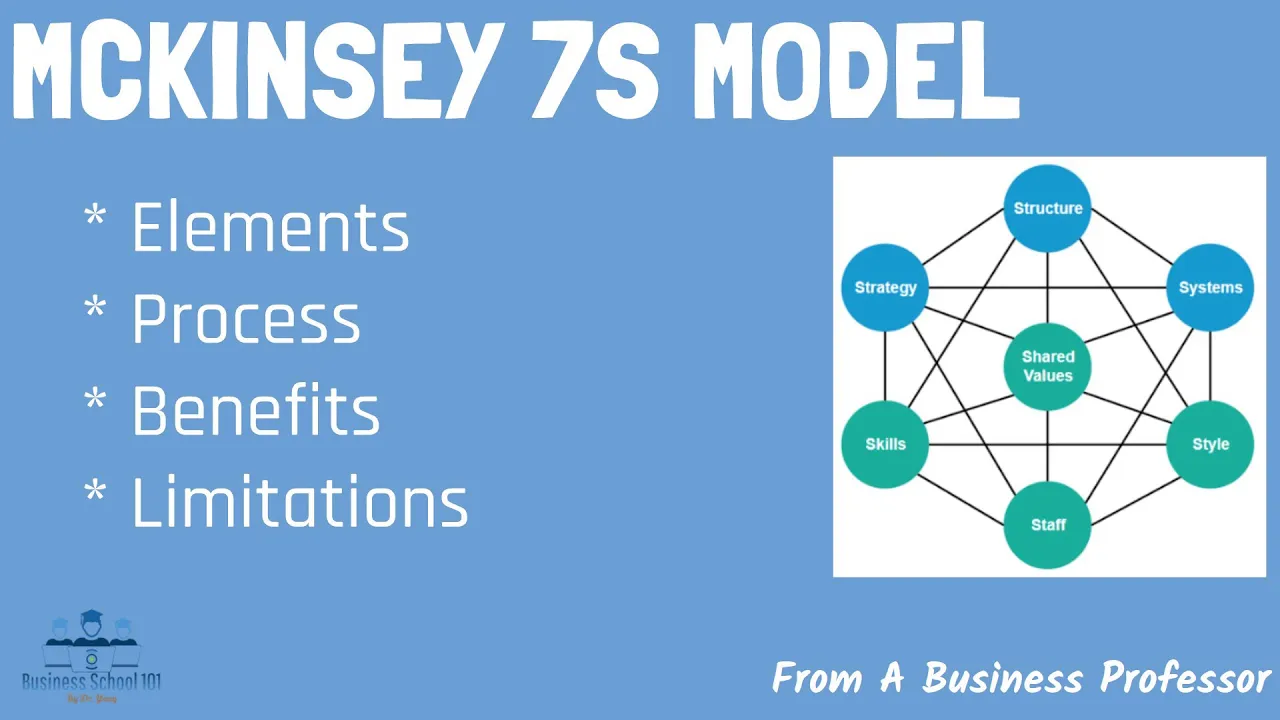
the Mackenzie 7s framework is a management model developed by consulting firm McKenzie and Company in the late 1970s it is designed to help organizations analyze and improve their internal alignment to achieve better performance the framework is named after its seven interdependent elements all of which start with the letter s so what do the 7s represent how can this framework be applied what benefits and limitations does this framework have in this video I'll delve into these questions with you section one elements the model categorizes The Seven Elements as either hard or soft hard elements are relatively
easy to identify and management can influence them directly in contrast the soft elements are less tangible and more influenced by your company culture but they're just as important as the hard elements if the organization is going to be successful now let's discuss them individually the three hard elements include number one strategy this this refers to the plan of action that an organization adopts to achieve its goals it involves decisions about what products or services to offer which markets to enter and how to position the company in the industry for example Apple's strategy has been to
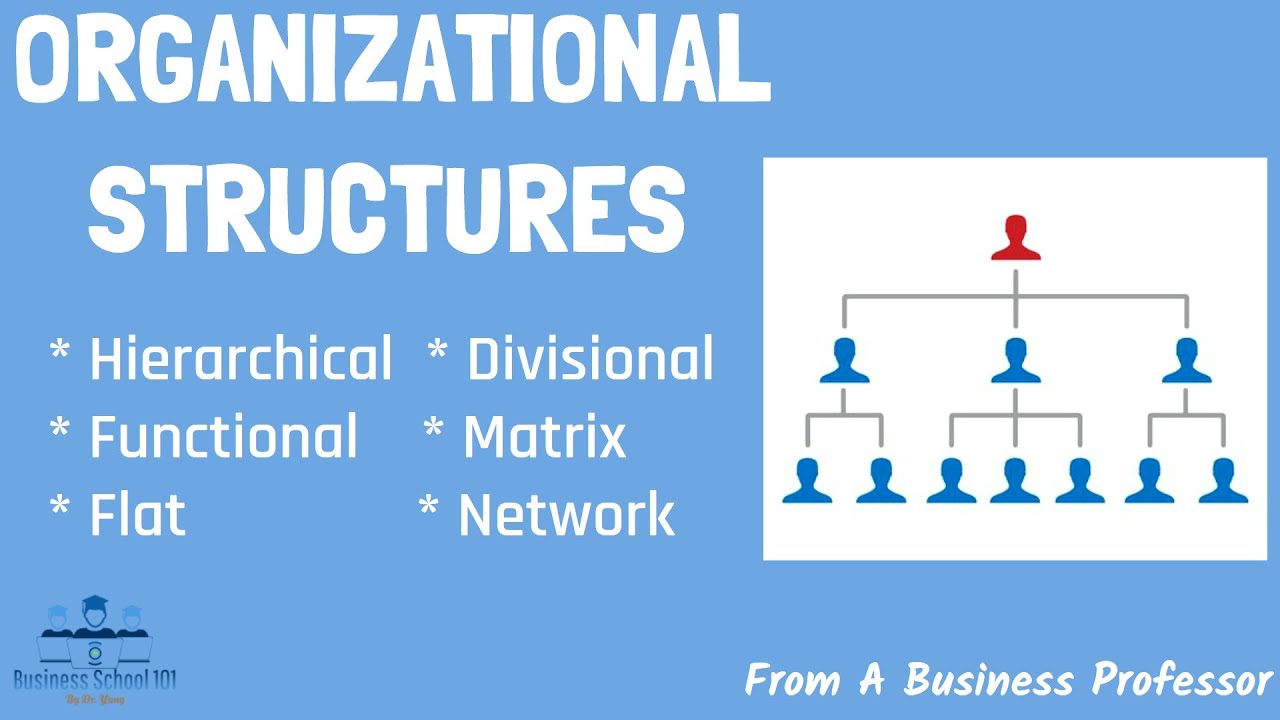
design and Market Innovative anesthetically pleasing consumer electronics their focus on premium products and user experience has set them apart in the market number two structure structure is the organization's formal framework including its hierarchy reporting line and how various departments and units are organized it defines how people and resources are grouped together to achieve the company's objectives for example Google's organizational structure is known for its flat hierarchy fostering a culture of innovation this structure allows for quick decision- making and collaboration among teams number three systems systems Encompass the processes procedures and routines that guide how work
is done within the organization this includes both formal systems such as performance measurement and incentive systems as well as informal systems that influence behavior and decision-making for example Amazon's efficient and customer Centric order fulfillment system which includes Advanced Logistics Inventory management and recommendation algorithms these systems contribute to the company's success in the e-commerce industry the four soft elements include number one skills skills represent the capabilities and competencies of the organiz A's Workforce this includes the knowledge abilities and expertise necessary to execute the chosen strategy and operate within the organization structure for example Tesla's emphasis on
hiring Engineers with expertise in electric vehicles and renewable energy the company's success is attributed in part to the specialized skills of its Workforce in cuttingedge Technologies number two staff staff refers to the organization's employees and their characteristics including their number qualification and experience it also includes factors like the corporate culture and how well employees fit into the overall Organization for example the American online shoe and clothing retailers appos is known for its unique company culture where employees are encouraged to express creativity and individuality the focus on hiring people who align with the company's core values
has been integral to its success number three Style Style refers to the leadership and management style of the organization this includes the values beliefs and behaviors of top management which can significantly influence the culture and working environment for example Southwest Airlines has a leadership style that emphasizes a fun and friendly work environment this style set by its co-founder herb Keller has contributed to the airline's success and positive corporate culture number four shared values shared values are the core beliefs and guiding principles that shape the organization's identity and Define what it stands for they are the
fundamental values that are shared across the organization and influence decision-making for example Patagonia an outdoor clothing and gear company is committed to environmental sustainability this shared value is reflected in their products business practices and corporate activism resonating with environmentally conscious consumers as you can see the focus of the McKenzie 72 model lies in the interconnectedness of the elements that are categorized by Soft SS and hard SS implying that a domino effect exists when changing one element in order to maintain an effective balance placing shared values as the center reflects the crucial nature of the impact
of changes in founder values on all other elements section two process implementation here are five steps to implement the analysis step one assess current state Begin by thoroughly examining the organization's current state in terms of strategy structure systems skills staff style and shared values identify strengths weaknesses and any misalignments among these elements step two Define desired State and identify gaps clearly articulate the desired state for each element based on the organization's goals identify the gaps between the current state and the desired State this step sets the direction for where the organization wants to go and
what changes are necessary step three develop action plans create specific action plans to address the identified gaps consider the interconnectedness of the elements and ensure that the action plans are comprehensive step four Implement changes in communication execute the action plans implementing changes to those seven elements communication is crucial during this phase to ensure that employees understand the reasons behind the changes and their roles in the process step five evaluate adjust and iterate regularly assess the impact of the changes on organizational performance use feedback and results to make adjustments as needed the organization should be prepared
to iterate on the process adapting to evolving internal and external [Music] conditions section three benefits the McKenzie 7s framework offers several benefits for organizations seeking to enhance their performance and Effectiveness number one holistic perspective the framework encourages organizations to consider multiple interconnected elements simultaneously this holistic perspective helps avoid a narrow focus on isolated aspects of the business number two alignment of components one of the primary advantages is its emphasis on ensuring alignment among the seven key elements by addressing strategy structure systems skills staff style and shared values collectively organizations can achieve better coherence and integration
leading to improved performance number three diagnostic tool the framework serves as a powerful diagnostic tool for organizations undergoing change it provides a structured approach roach to assess the current state identify gaps and develop targeted action plans number four strategic planning organizations can use the 7s framework to align their strategy with other critical elements this ensures that the chosen strategy is not only well formulated but also supported by the appropriate organizational [Music] settings section three limitations while the McKenzie 7s framework is a valuable tool for organizational analysis and Alignment it does have its limitations here are
some of the key drawbacks number one simplification of complexity the framework simplifies the complexities of organizations by categorizing them into seven elements in reality organizations are intricate systems with numerous interacting factors and the framework May oversimplify the challenges they face number two static nature the framework May imply a static view of organizations in today's Dynamic business environment organizations are constantly evolving and the 7s framework might not capture the fluid and changing nature of various elements number three focus on internal factors the framework primarily concentrates on internal factors and may not adequately address external influences such
as changes in the market industry Trends or technological advancements external factors can significantly impact an organization's success number four lack of priority the framework does not inherently prioritize elements and organ organizations may find it challenging to determine which elements are most critical for their specific context this can lead to a lack of focus and difficulty in prioritizing interventions number five dependency on perception the effectiveness of the 7s framework relies heavily on subjective perceptions and interpretations different stakeholders may have varying views on the same element leading to potential bias or misalignment in the analysis number six
not a Panacea while the framework is a useful diagnostic tool it should not be considered a Panacea for all organizational issues it is one of many models available and its application should be complemented by other tools and methods for a comprehensive analysis section four summary the McKenzie 7s framework is a strategic management model developed by McKenzie and Company it provides a holistic approach to analyzing and aligning these elements within an organization to achieve Optimal Performance and Effectiveness by examining the interconnectedness of these components the framework helps identify areas for improvement guide organizational change and ensure
internal coherence all right that's all for today's topic if you have any questions regarding this video please leave your thoughts in a comment below I hope you guys have enjoyed this video and if you did make sure you give it a thumbs up and subscribe to my channel thanks for watching and I will see you next time