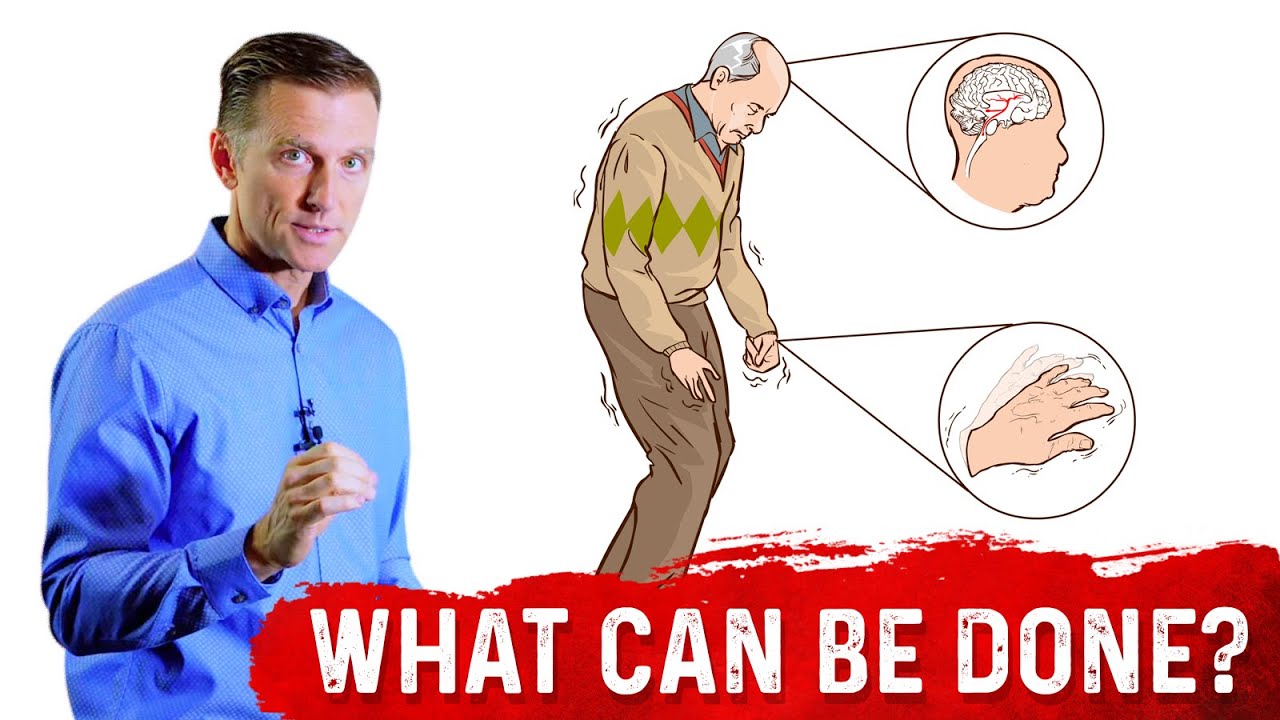
treating Parkinson's disease with velvet beans I have several videos on foods that may trigger Parkinson disease but how can diet be used in treatment this video in the next look at beans for treating this [Music] disease two centuries have passed since James Parkinson's essay on the shaking py described a disease characterized by Tremor and problems with movement today treatment options include surgically implanting electrodes into the brain there has to be a better way we've known since the 1950s that Parkinson's disease is manifested by a dopamine deficiency in the brain well then why not eat a
dopamine diet a variety of fruits and vegetables contain the same dopamine made by our brain unfortunately dopamine can't ch the bloodb brain barrier and hence is ineffective as therapy however the dopamine precursor known as lopa or levadopa can get from the blood up into the brain where can then be converted to dopamine within the brain by an enzyme called decarboxylase we don't want the levodopa to be converted to dopamine outside the brain because then it can't get in so we give people a decarbox inhibitor which itself can't get into the brain so that keeps levodopa
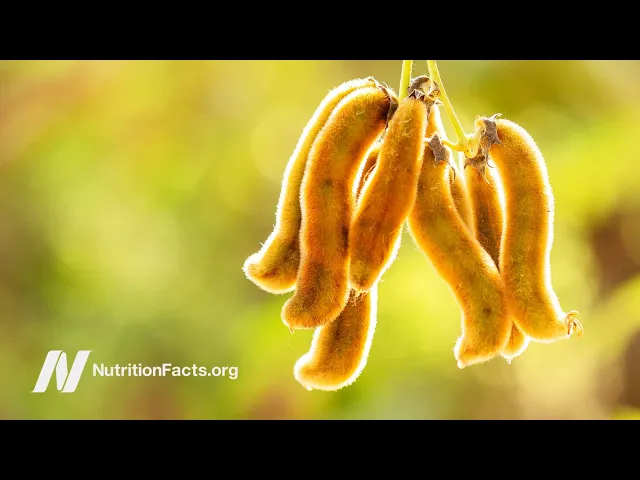
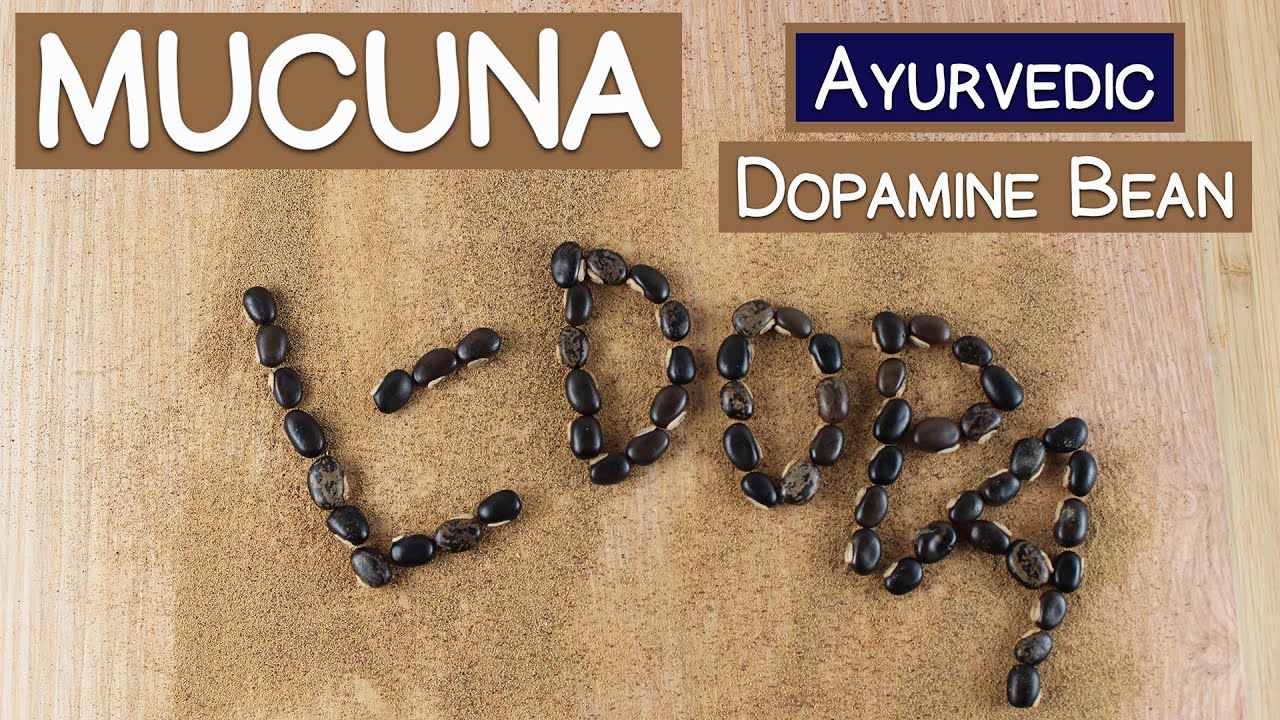
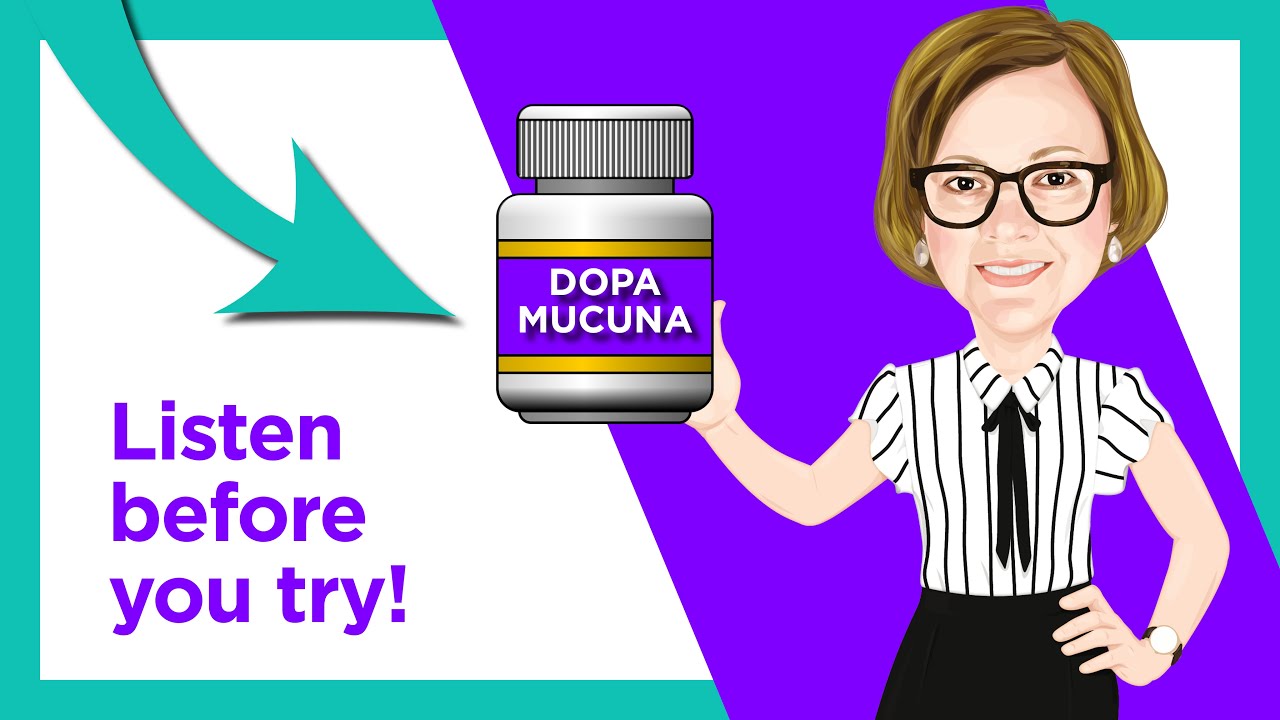
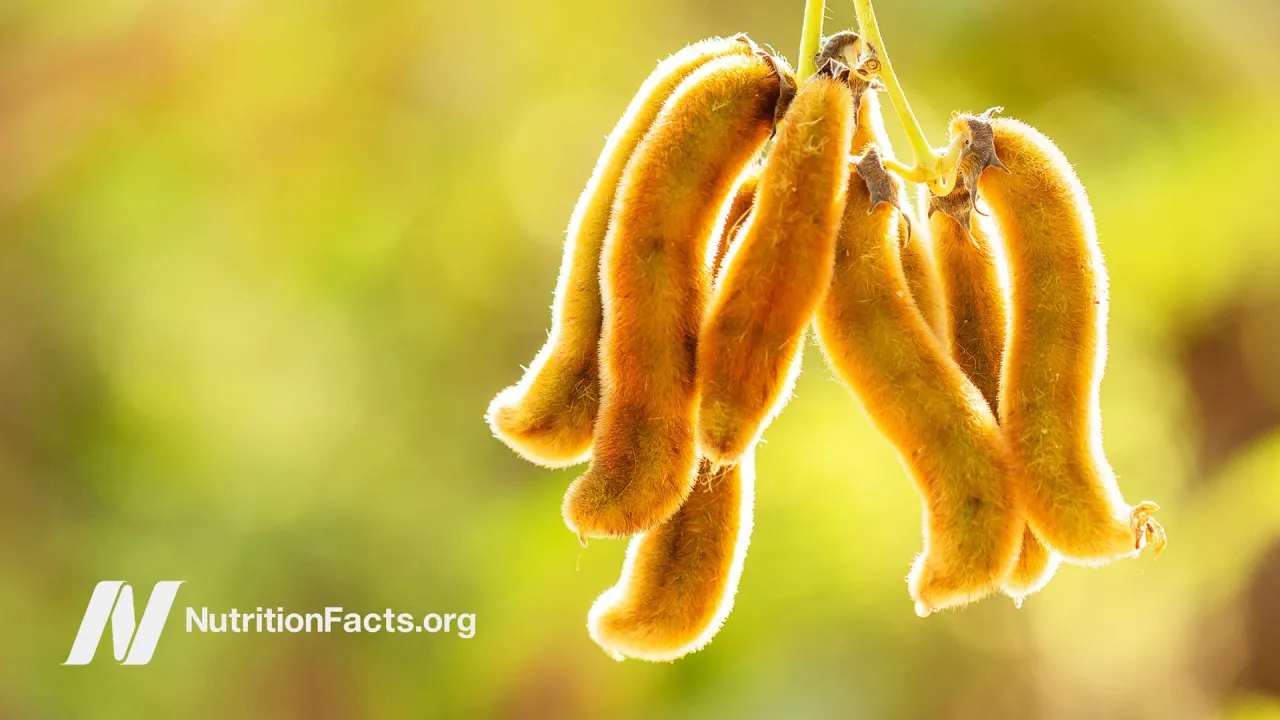
from prematurely turning into dopamine before it gets into the brain where we need it so eating dopamine rich foods doesn't help but what if we ate lopar rich foods more than 1500 years before Dr Parkinson came on the scene an Indian physician seemed to have nailed it and even suggested a treatment velvet beans the plant with the highest amount of elopa huh so might there be a way to Forstall the epidemic of Parkinson's disease through plant-based remedies after all levodopa the gold standard therapy for Parkinson's patients but most Parkinson's patients and lowincome areas cannot afford
long-term daily levodopa therapy in rural Africa for example it's estimated that only 15% of patients are treated with levodopa because the daily cost of levadopa treatment is about a dollar a day which may be half of what people make in a day same with other regions in the global South l dope is mostly unavailable or unaffordable so patients frequently use powdered velvet beans as a replacement or supplement to the drug but does it work you never know until you put it to the test velvet beans in Parkinson's disease are randomized double blind clinical study and
a dose of 30 gram which is about 3 tablespoons led to a reliable and sustained anti-parkinsonian effect in all patients working significant L quicker than the drug working significantly longer than the drug and working significantly better than the drug and another doubleblind randomized head-to-head crossover study the leop and velvet beans appears to be two to three times more potent as compared to the same dose of pill form levodopa suspected to be because there may be some intrinsic decarboxylase inhibitor compound in the plant as well okay but those were single dose studies what about The Chronic
use of velvet beans for Parkinson's 14 patients with Advanced Parkinson's received roasted velvet bean powder or the standard drug switching back and forth for months looking at changes in quality of life activities of daily living movement and non-movement symptoms and time with good Mobility without Troublesome involuntary writhing movements and the Velvet beans seem to work as well as to drug in all measures of efficacy including quality of life here's a video of someone with Parkinson been solely treated with velvet bean powder for 14 years before and after treatment okay so can you put both hands
out for me and tap your fingers on the right just the right try to go big and the left and turn [Music] the left the right turn turn around see I'm learning despite the efficacy the chances of this cheap herbal remedy ever being licensed seems unlikely and for good reason first of all this stuff evidently tastes nasty and we don't really have good data going out more than a few months while velvet beans May potentially be part of the answer to Parkinson's disease management in low-income countries and High income countries one may be tempted to
prefer them to drugs just because it's a more natural therapy but researchers discourage patients and Physicians to consider its use when the drugs are available so leave it open pill form should remain the first line treatment for Parkinson's however velvet bean powder may be better tolerated in certain patients psychologically some patients just have a thing against taking pills and so if they refuse then certainly the beans can step in but otherwise velvet bean supplements suffer from the same issues common to all supplements specifically lack of sufficient regulation and quality control there's all sorts of Brands
out there but there's no head-to-head comparisons as to which is best and the quality of the products likely vary but you don't know until you put it to the test six brands of velvet beam product were ordered through the internet and most of them four out of six showed a large discrepancy between the claim on their label and the actual ual elopa content and only two even came close the remaining products contain considerably less less than 10% two cases too bad there isn't a food source of elopa that you could just eat instead of taking
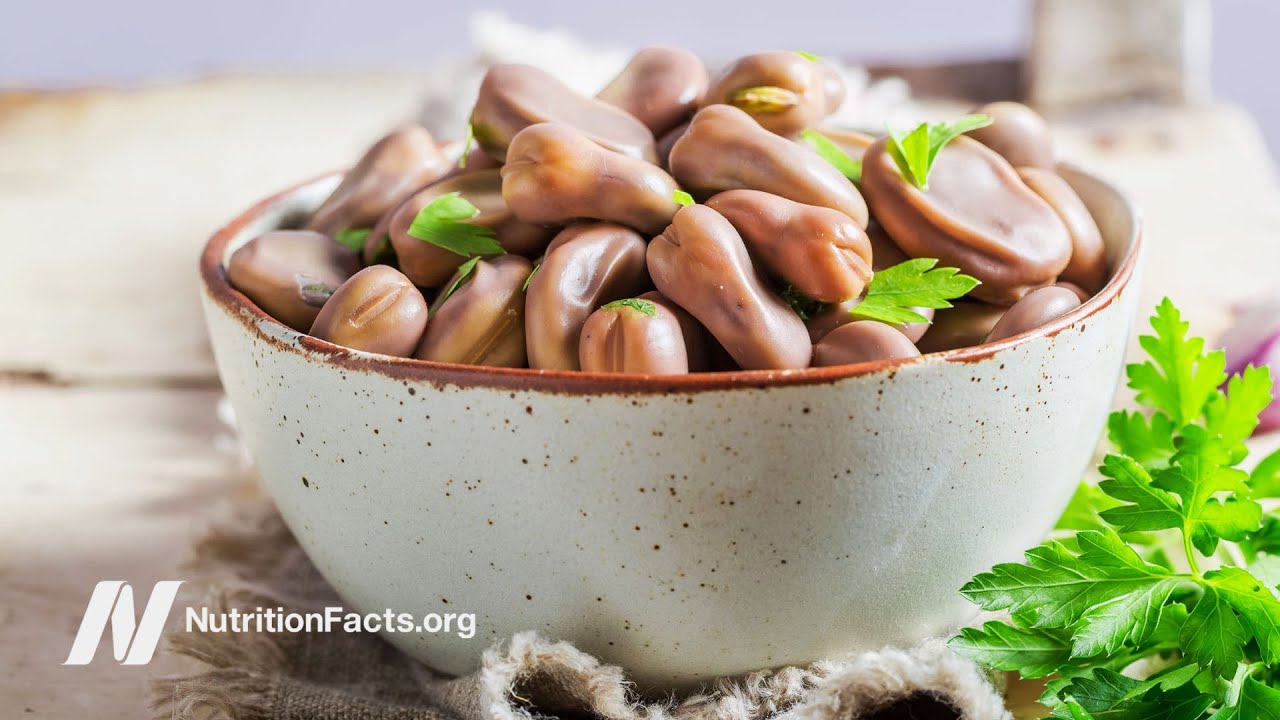
in a supplement well wait a second elopa was originally discovered more than a century ago in fava beans might eating faba beans help with Parkinson's I'll explore just that question next [Music]