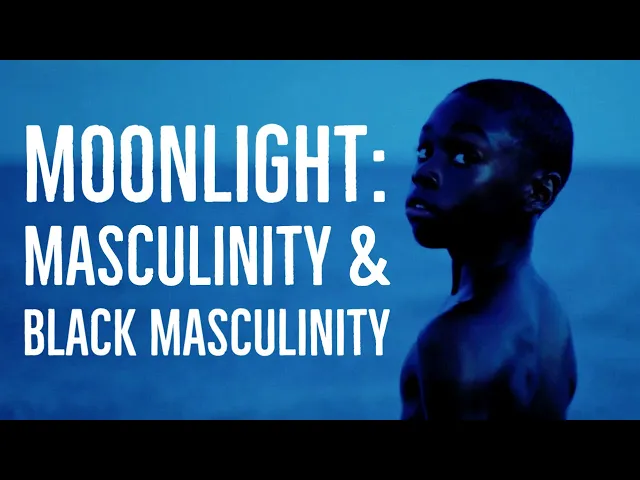
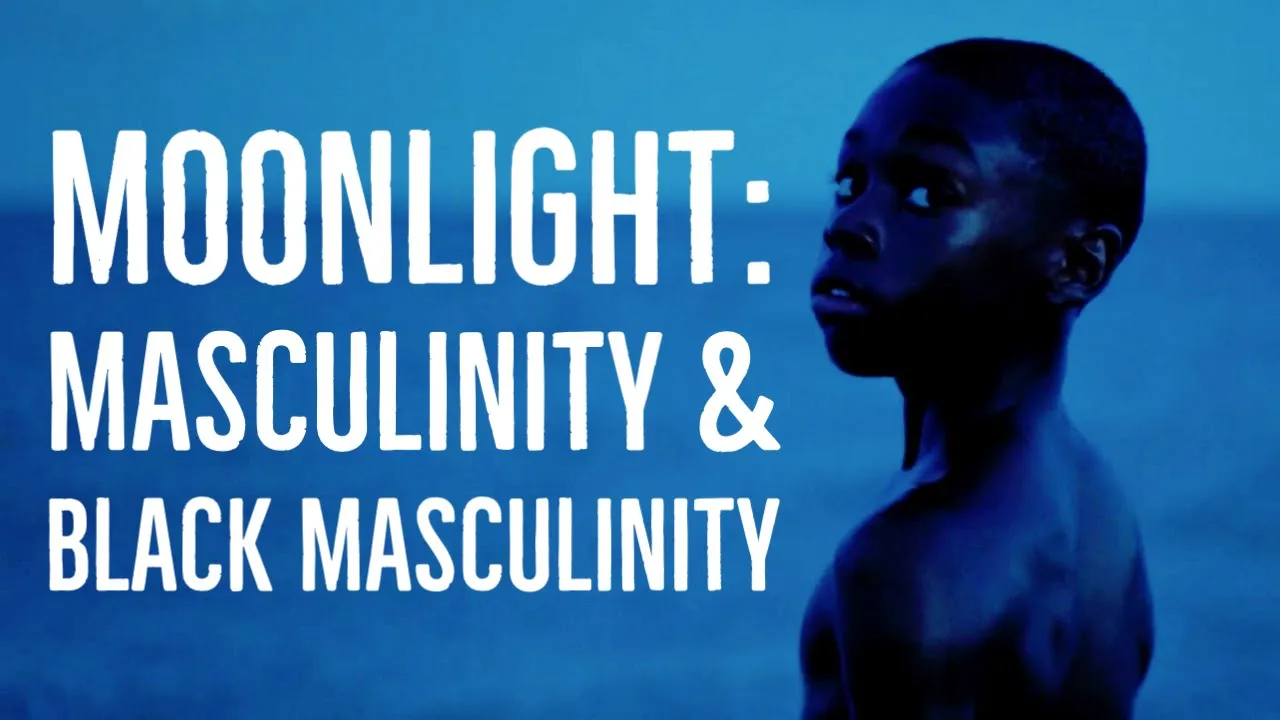
in moonlight black boys look blue bell hooks in her book the will to change recounted an experience that she heard from many men albeit in different ways and she writes on their behalf again and again a man would tell me about early childhood feelings of emotional exuberance of unrepressed joy and then a rupture happened somehow the test of manhood men told me was the willingness to accept this loss this quote instantly made me think of chiron or little for moonlight directed by barry jenkins and adapted from the screenplay in moonlight black boys look blue by
tyrell alvin mccraney and i want to take a look at how masculinity exists in the black community and masculinity a little in general through the lens of 2016's best picture moonlight from bell hook's quote and attaching that to the perspective of shiron moonlight's main character this disconnect begins young and in the very first act of the film as the movie begins we are taken to the lens of a ten-year-old shyron and yet in the betrayal he does the same thing he begins to perform this version of hyper masculinity right rather than you know be open
about who he is once the world starts to assert itself he does the same thing that everyone else is doing in that world that was from an interview with barry jenkins himself in these early years of his life and in black boys lives they are told don't be soft they are taught that fighting violence domination is the only way that other men will respect you words feelings emotions aren't manly but it doesn't only exist in the community it exists at home as well sharon is called homophobic slurs by his absent mother even so in addition
to living a life where love doesn't exist everywhere he goes he's being told and he's seeing who to be and how to be it he's understanding that these things make a man and that in his own skin he is not a man with that pressure he can't just exist a pressure that a lot of black boys face in their formative years just like charon black boys aren't allowed to simply exist and to soak in the pleasures of youth which includes discovery of oneself and discovering one's own sexuality is a part of that as well they
are instead told what to be who to be and how to be it and in order to survive chiron has to perform as jenkins mentions he can't be soft like the way kevin challenges him to a wrestling match to prove that because men aren't soft author and professor of psychology james garberino asks where do boys learn what it means to be a man they seem to learn it all too often from the media and from the most visible males in their community boyz's friends are often the arbitrators of what is masculine and what is feminine
adding to that in black communities like charons fathers aren't always present all of the kids chasing him from chiron's introduction in the film they have become the arbiters of masculinity and they've decided based on what they've been taught and what they've seen that chiron isn't a man that chiron soft and so that often leads to either isolation or violence so proving his status as a quote unquote man is what chiron has to do at every step in his life but when he meets wan things are different played by mahershala ali wan is only in the
film for the first chapter but remains a poignant character in sharon's life juan becomes a father figure to shiron and through his character represents a positive male influence in a film that balances both positive and negative representations juan is kind and welcoming he treats sharon and his barriers with respect patience and he's gentle further juan deals with sharon being called homophobic slurs with the respect that typically isn't shown in the black community as it was his mom who called him that but in these communities there are always people with juan's heart he specifically imposes his
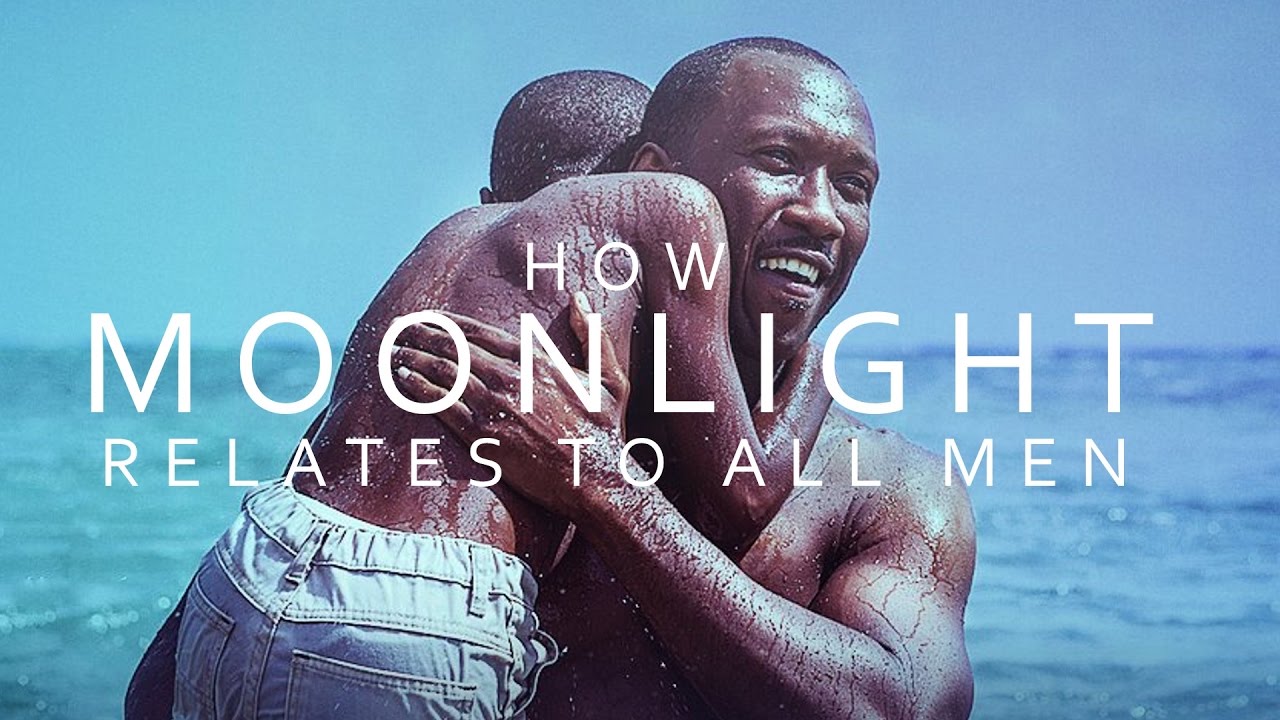
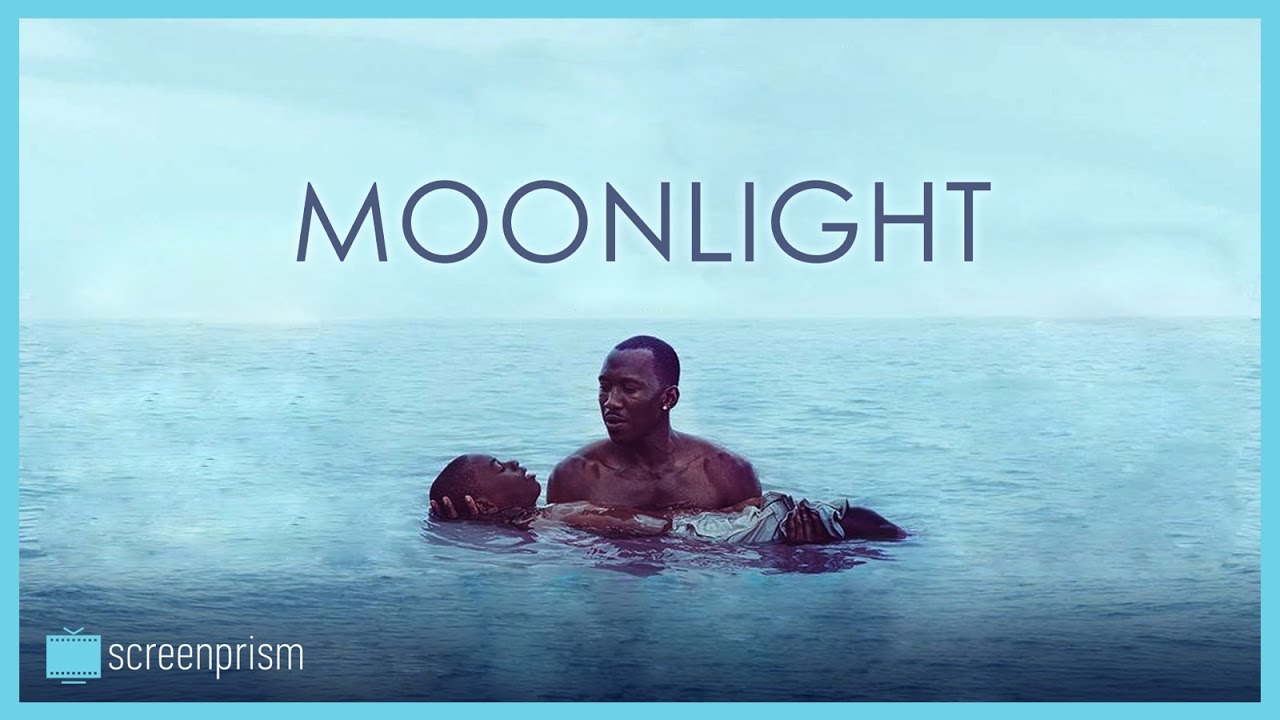
presence in one of moonlight's most powerful and beautiful scenes when juan is teaching sharon how to swim and it's in this moment in this scene where we can truly see that juan is everything a man should be vulnerable accepting respectful and tender as he holds sharon's head in the water alluding to a baptism with actions and later with his words juan encourages shiron to be whoever he wants to be and that he has to make that decision for himself further he reassures him of what a man should be and in one of the scenes that
follow it shows sharon dancing in the mirror among his classmates he's carefree he isn't burdened by what he should or shouldn't be and it's one of the rare moments in this film that shows sharon simply existing and really soaking in juan's words and his example but at the same time it is also revealed to us that juan sells drugs dealing to sharon's crack addicted mother there is a very human element to his character a complexity to him and it makes his time on screen feel precious and weighted even and with that revelation juan's direction and
his love leaves sharon's life in the second act of the movie titled sharon we see our teenaged main character he's awkward a little shy and at school he's still getting bullied because he isn't up to the male standards of black men according to tyrell his bully in this act we see that love is scarce once again his mother paula is still addicted to crack cocaine as she hounds her son for money juan is now dead but teresa will always have a place for him and her love still exists but his mother won't allow it so
again love is scarce focusing a little on paula it's important to note the way she neglected and berated shyron for being gay at such a young age and how that affected him the only mother's love he's felt has been from teresa who his mother resents look at the way paula physically drags shiron around the way she handles him with aggression and rage when asking him for money this is a mother who along with her community has pressured and forced her son into the confines of masculinity and when she saw that shyron was everything but a
quote unquote man she became angry she became abusive and violent this is not a mother's love and he carried that trauma all the way into adulthood moving forward in this act kevin becomes a pivotal part of charon's story and when looking at masculinity when performing means to survive here is a person who has seemingly mastered it since they were kids kevin is bisexual but he is the opposite of shiron he's seemingly confident in himself he's comfortable and when he sees chiron in the hallway and talks to him about the sexual experience he's had with one
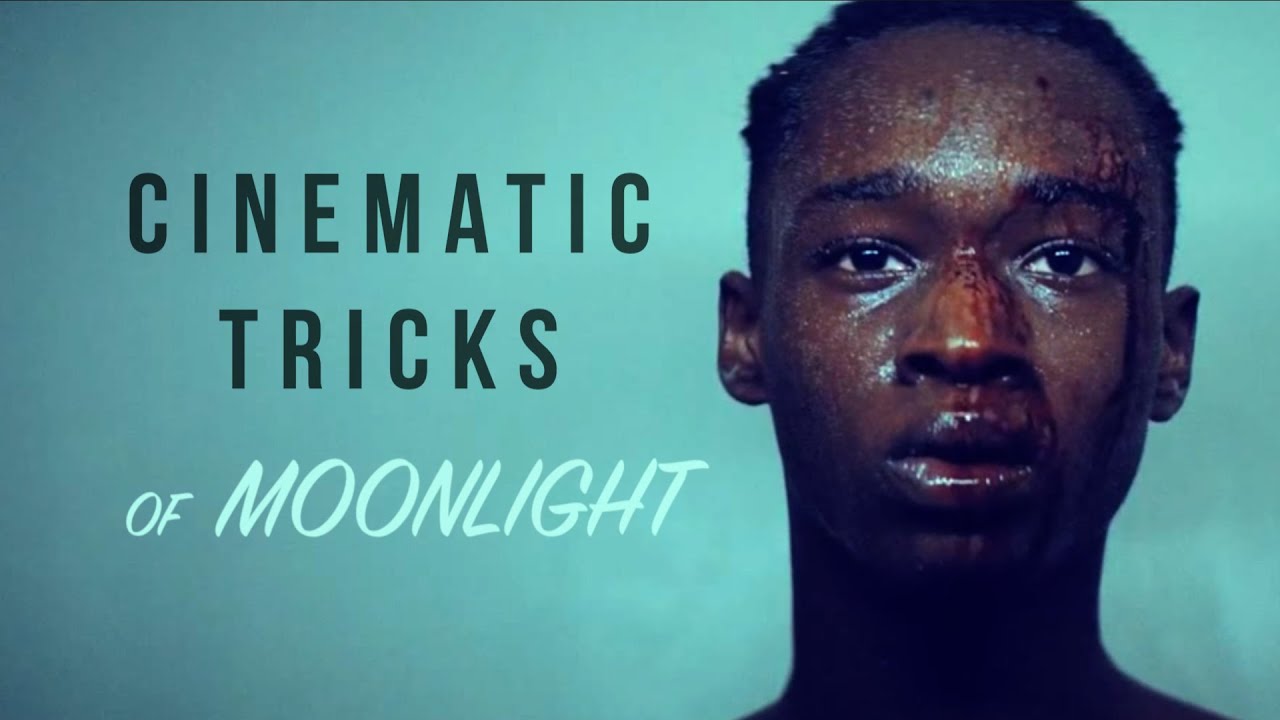
of their classmates he's there again performing which is why he doesn't get treated like sharon does but where kevin truly becomes important is when he stands as the one person who truly knows sharon and who sharon can confide in as he does when he tells kevin that sometimes all he ever wants to do is cry and in a transformative scene of love vulnerability and intimacy it's so clear how much tyrone has been so deprived of it how badly he yearned for love but that short moment is fleeting as it's juxtaposed with kevin punching him in
the face the following day again performing masculinity in order to survive as he yells at sharon to stay down so disconnection severing himself from his true self from his emotions is the only way for sharon to survive masculinity or patriarchal masculinity as bell hooks puts it is in all ways and forms destructive to both women and to men as well that disconnect leads to anger and violence and because males are unable to properly express their emotions it leads them to anger the only emotion that has been championed since they were children a man needs to
be angry he needs to be violent sharon's anger and rage for having to constantly deny who he was kept on building from his youth and the lack of love hurt him as well it's why he cries so much if all we want as humans is love and he had just felt it why was he being punched in the face by the man who had just finally touched him but again this is what being a man is this is the disconnect this is the severance chiron at this point in his life wasn't fully disconnected from feeling
freely from emotion not yet just as he told kevin the day before he cries a lot he hasn't fully plunged into that traditional masculinity but when he sees that he cannot be loved by a man and be a man at the same time he washes the blood off his face and washes all of the emotion and his younger feeling self away and he gives into the severance of his former self because violence and anger that is what men respect and it's what tyrell will respect as well that's how he'll survive in this world builds up
this literal musculature this armature to protect himself from having to deal you know with being vulnerable in the final act of this film we see shiron built up he looks like juan if juan was 10 years younger they have the fronts the rolled up durag the gold watch the muscles the attitude the drug dealer this is shiron the trapper this is black he became what juan was trying to steer him away from and this is the peak of black masculinity all of the aforementioned things are what is expected of black males this is the standard
this is long-term survival for black men in the hood a performance further to survive and to survive as a trapper you need to look and perform the part as he does like this no tyrell will ever lay a hand on him again it's clear that everything that has happened in the past he's fully distanced himself from it physically and mentally more specifically he's given into everything the world has told him to be and it's tragic because he did it because he had to love sensitivity that shiron dancing in the mirror freely that vulnerable kid doesn't
exist anymore in that world but it does when kevin calls and he's reverted back to that awkward kid who can barely speak film critic joanna d matthia writes in her report throughout moonlight characters look directly into the camera a humanizing gesture that demands we look into their eyes and into their souls and when sharon looks up at the camera and we see him from kevin's perspective kevin's gaze is able to penetrate sharon's armor with ease as always kevin sees him for who he truly is and will forever see him as that 16 year old kid
who just wanted to be loved in hell and touched the fleeting love he received from juan and teresa just wasn't enough and that fleeting love from kevin was something he remembered so vividly sharon has had to live these two lives and black has had no choice but to rear its head out of necessity sharon hasn't truly been chiron in a decade but what i loved about moonlight was that even in his armor sharon still allows himself to be vulnerable when he's listening to his mother declare her love for him apologizing and telling him to be
better it triggered something in him for how much she heard him when she was the root of his pain and suffering sharon still stayed and listened when he really didn't need to he showed a sense of forgiveness it showed that shiron was willing to heal and finally admitting to kevin that he hasn't been touched since that day and later allowing himself to be in kevin's arms to be held despite everything he went through illustrates chiron's resiliency and most of all it shows his courage we are seldomly given movies that don't end with black men and
death whether that be physical death or the death of one's true spirit or mind but moonlight tells a hopeful tale that as a black man as black men we are still worthy of tenderness and love you can still be blue even if you spent all of this time denying it you can exist without having to fit any mold but like shiron you have to be willing when bell hooks uses the term patriarchal masculinity she hammers away at the idea that the impacts of this masculinity towards men are at the forefront of what's wrong and is
what's creating a cycle that is so violent abusive and destructive moreover that we have to understand the difficulty in changing this but we also have to understand how necessary it is from her own experiences with men in her life and from anecdotes of other men she talks about the pressures that we go through to suppress to conform to disconnect and how ingrained it is that masculinity is taught as domination chaos anger and how our society has normalized this this obsession with domination leads to a quest for it everywhere in the workplace at home in intimate
relationships in sex and it often leads to violence hooks writes the power of patriarchy has been to make maleness feared and to make men feel that it is better to be feared than to be loved but that's not what masculinity should be it should be about being strong enough to be vulnerable to be tender to be compassionate when society has told you being those things makes you less of a man being strong enough to feel and to love properly that's what makes a true man but when you've been taught your whole life and black man
specifically when you've had to survive by not being those things and by denying your true self and your needs like chiron these things can't just be expected of you but again like sharon you have to have the volition you have to have the want and the will to change you simply existing feeling and loving owning up to your failures your mistakes your shortcomings and wanting to be better that is what makes you a man even before i read this book i've always felt and i've always said that everyone no matter who you are yearns for
companionship to be recognized and to be loved you yearn for love but you have to be brave enough to let yourself receive it and you have to be able to give it in a healthy way love is not only the feeling but the action ultimately you have to be vulnerable to be and to do all of these things and you have to be vulnerable to be a man that is the story that moonlight succeeds in poetically telling [Music] at some point you got to decide for yourself can't let nobody make that decision for you you