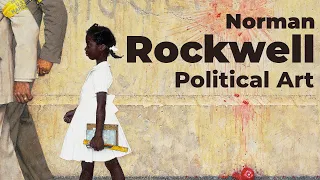
The Four Freedoms outlined years ago by an American president first inspired artist Norman Rockwell but they've also inspired a new generation of artists as Anna Warner now shows us this is what the German air force has done to our beautiful number pictures that look like hell on earth it's January 1941 war rages in Europe and President Franklin Delano Roosevelt must convince Americans their country will have to enter the war against the Nazis so in the midst of one of the most dire periods in history he delivered a speech key to that speech the four freedoms
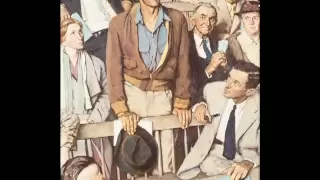
goals he believed were worth fighting for [Music] the Four Freedoms as articulated did not garner much attention laurie norton Moffatt is the director of the Norman Rockwell Museum Americans had little appetite to return to war world war one had been devastating in its consequences America was still coming out of the Great Depression and there were many people who were still struggling for housing and jobs and food so the speech fell flat until artist Norman Rockwell took Roosevelt's words and translated them into these iconic American images freedom of speech freedom of worship freedom from want and
freedom from fear he realized he needed to take these ideas down to everyday life things that everyone anywhere could appreciate when they were published in 1943 and one of the nation's top selling magazines The Saturday Evening Post the pictures were seen by millions they just took off across the country with meaning and patriotism and people feeling deeply the paintings went on tour and helped raise 133 million dollars for the war effort do you have any idea of how many copies have been made of those paintings alright I don't really know I know it runs into
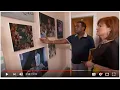
millions and billions and now they're traveling again this time in an exhibition to celebrate their 75th anniversary with its first stop at the New York Historical Society so this would have been actually a luxury almost for many people to have a dinner like this this was an aspirational dinner but what do the Four Freedoms mean today this is a reinterpretation of the freedom from fear a companion exhibit on display at Hunter College in New York City seeks to answer that question Deborah Gardner is curator in some cases it's a direct reference to the Norman Rockwell
paintings they take the Four Freedoms the original images and they transform the people in them to reflect much greater religious diversity and ethnic diversity artists from across the US and Canada submitted their work 39 were chosen including an Iranian American photographer with this image and a courtroom artist from New York with a painting of a child living in a war zone Norman Rockwell's granddaughter artist Daisy Rockwell is also featured in the exhibit she contributed a group of portraits mug shots of women facing jail time freedom of speech and then there's the work of Massachusetts artist
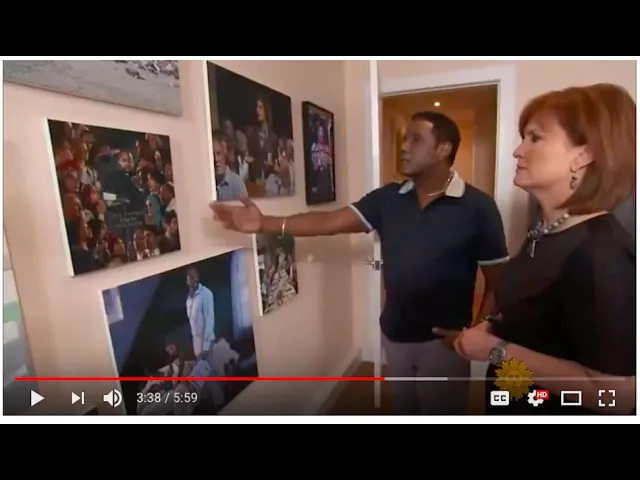
pops Peterson his reinterpretation of the Four Freedoms combines photography with digital painting techniques Norman Rockwell was the quintessential all-american painter he showed you the American landscape everyone being loved everyone's safe except not if you're Mexican not if maybe you're Hindu not if you're black so in Peterson's version of Rockwell's freedom of speech instead of a young white man there's an african-american woman for freedom from what with its traditional Thanksgiving table Peterson shows himself with his husband and his freedom of worship depicts a Baptist minister preaching to people of varying faiths and there's freedom from fear
Rockwell's image of a family at bedtime the father holding a newspaper that speaks of bombings and horror you call it freedom from what because do we have freedom from fear no what do we have freedom from what you're really saying is for a lot of people those freedoms don't exist exactly and the fear does exist so in His image an african-american man putting his children to bed looks over his shoulder the newspaper headline here I can't breathe a reference to Eric garner who died after police put him in a chokehold in 2014 I just want
to show what's going on on the other side of the railroad tracks and that's really emotional for you because because we're always there and nobody looking I mean it was really nice of his suburbs for the nice white family to be safe from the Blitzkrieg I mean obviously they were representing all Americans and this is a current image and the father's just wondering what is going on on my street can I leave the house safely in 2018 says Petersen there are still freedoms to fight for that people count that people belong and that people have
the right to be heard and to be seen