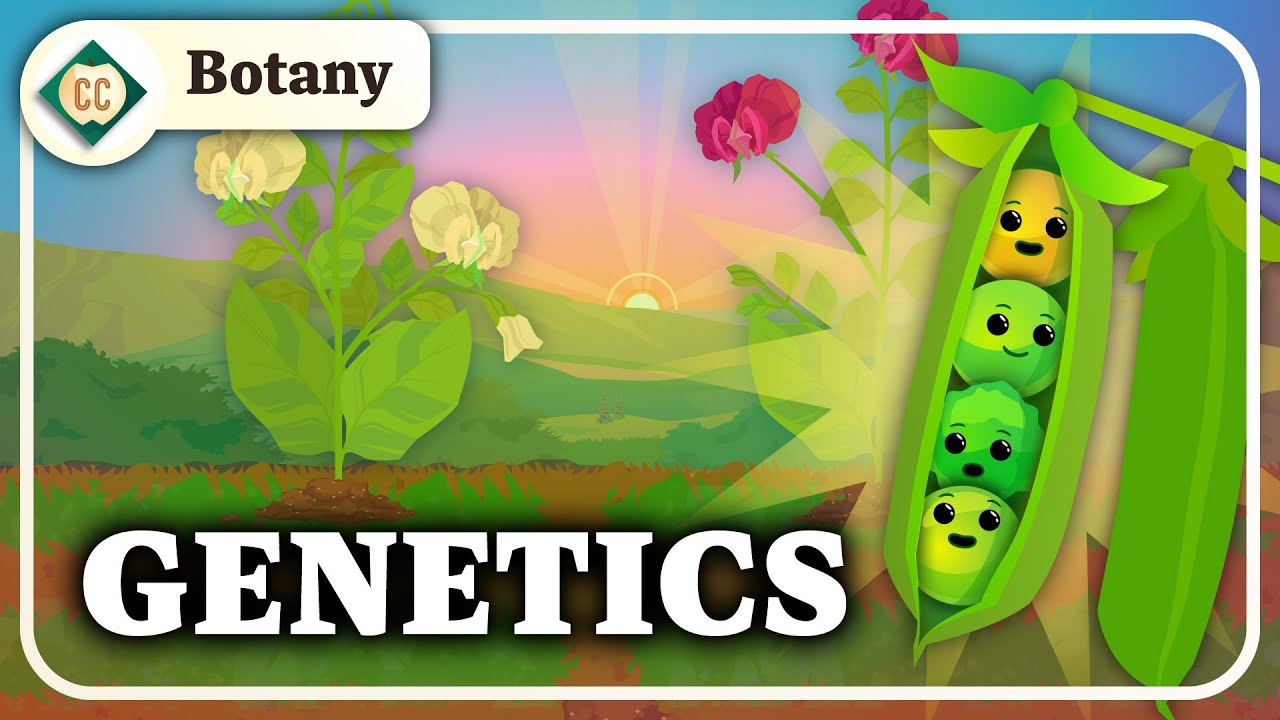
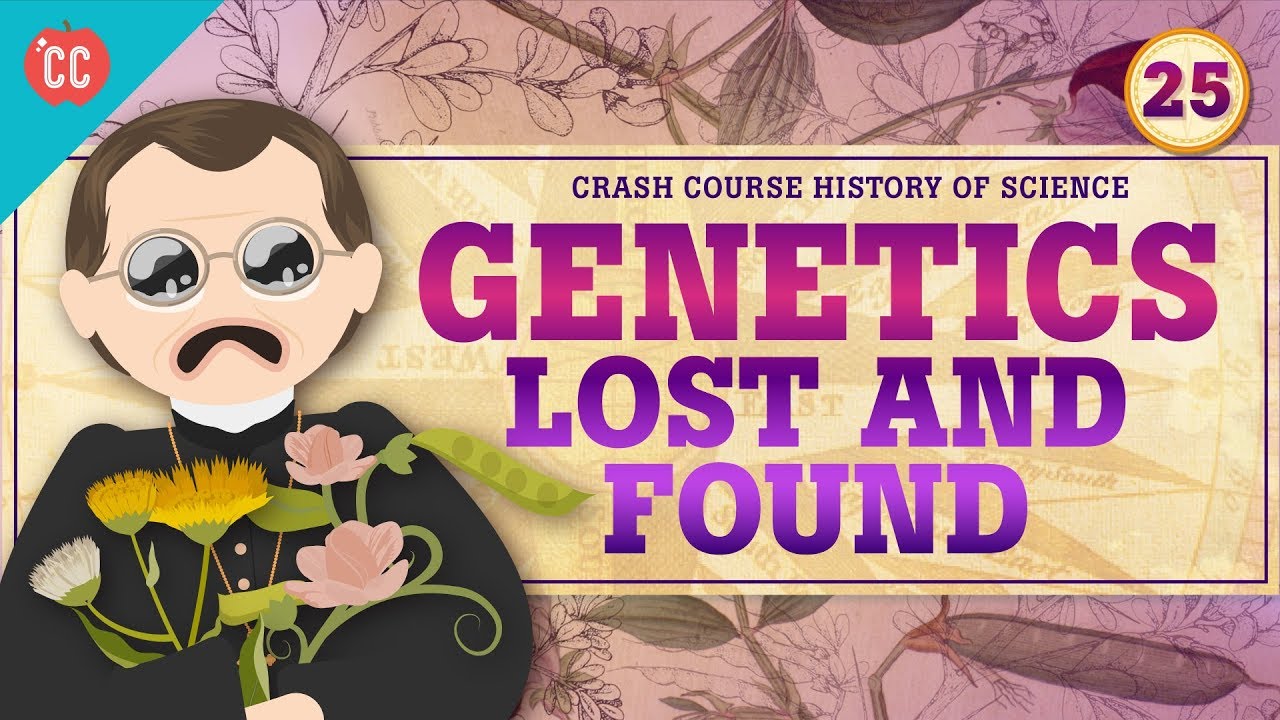
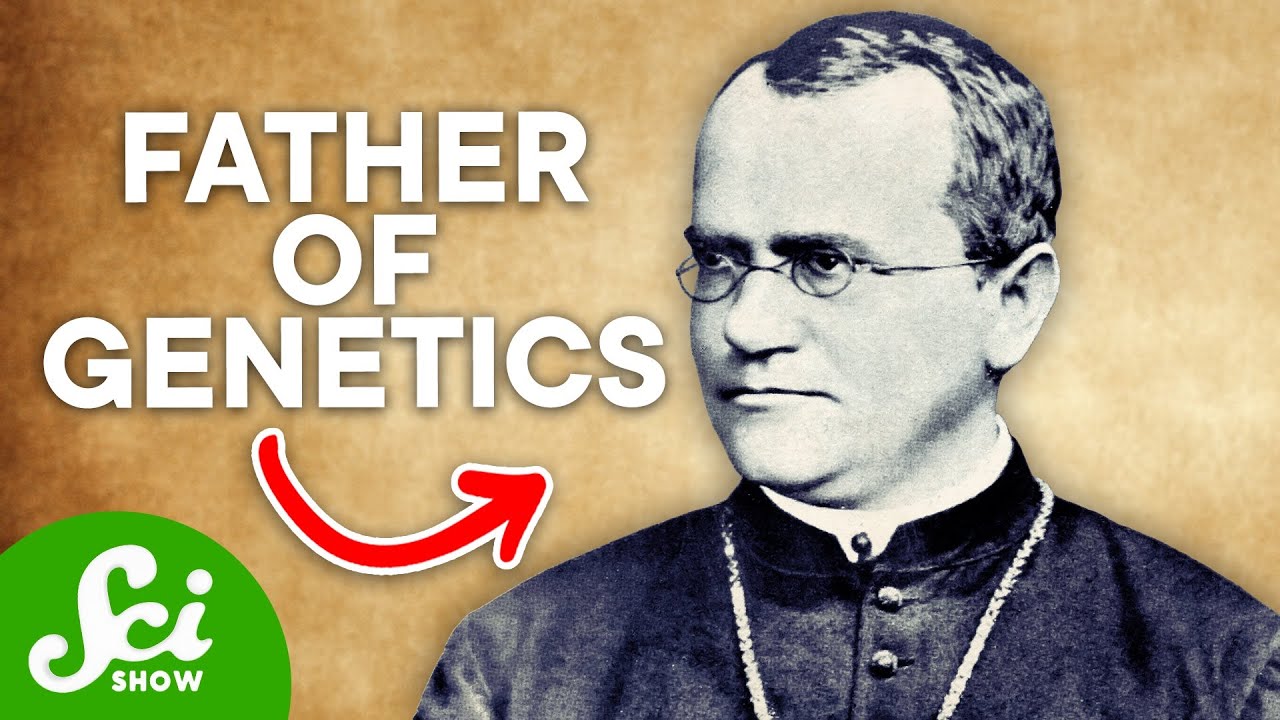
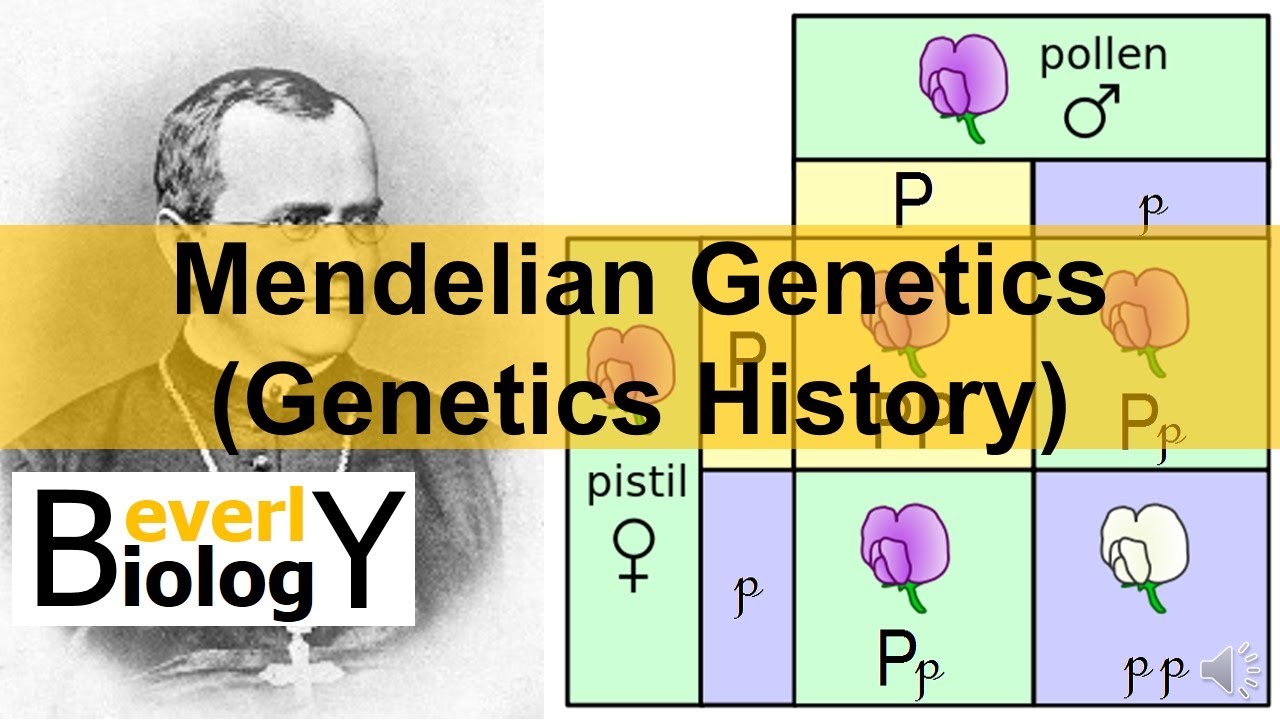
in today's video we're going to cover the work of gregor mandel who's considered to be the founding father of genetics and was an austrian scientist and monk who lived in the 1800s by the 1800s farmers had already known for thousands of years that crossbreeding the best plants together could lead to more favorable offspring but nobody understood how it worked while mandel was living in his monastery though he experimented with pea plants in the gardens and studied how certain traits like the height of the plants the color of their flowers and the color of the pea
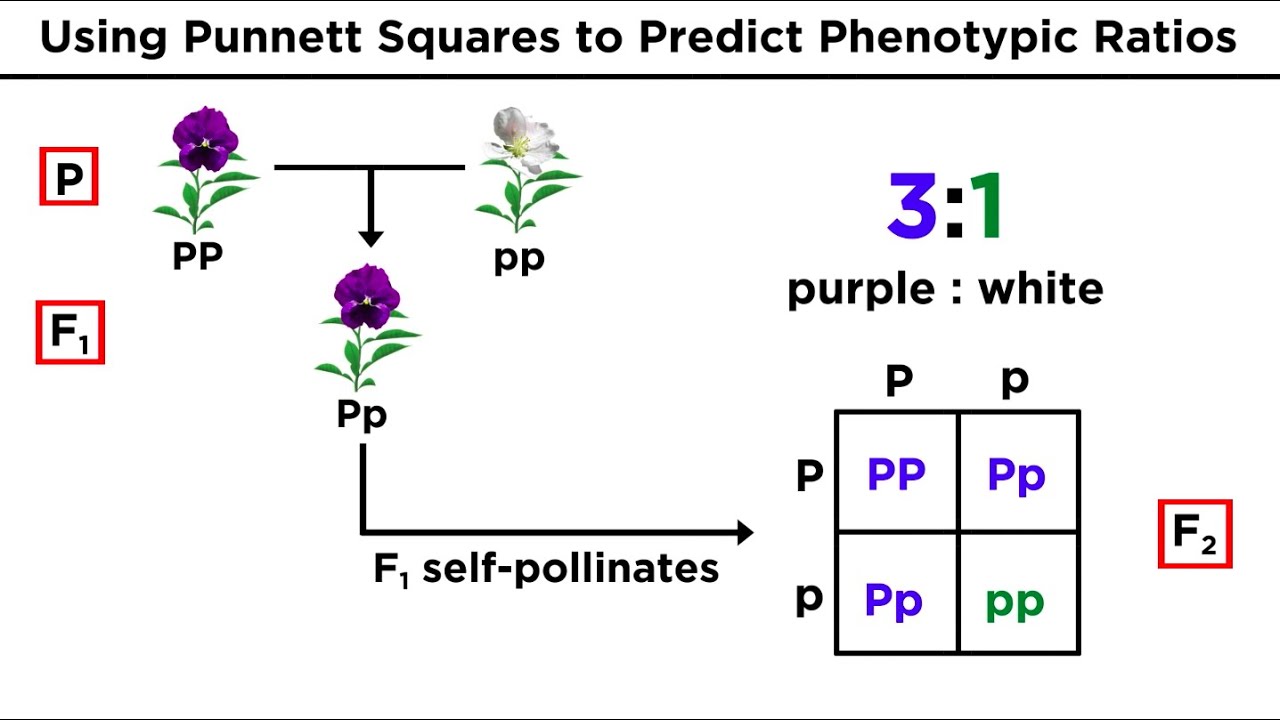
pods was passed on from one generation to the next to understand what he found let's run through one of the experiments he did with the pea plants first of all he took a green pea plant which had green pods and a yellow pea plant which had yellow pods and then he crossed the two plants together the offspring from this were all yellow pea plants there weren't any that were green next he took two of these offspring yellow pea plants and crossed them together this time at three quarters of the offspring were yellow but one in
every four were green now it seems kind of strange that crossing green and yellow pea plants together would produce only yellow but when you cross only yellow plants it produces some green his conclusion though was that there must be something that's being passed on from one generation to the next which he called hereditary units and importantly these units could be dominant or recessive with the recessive ones only being expressed if the plant got the unit from both parents so in these experiments all of these yellow pea plants in the second generation still had the hereditary
units for green pods but they just weren't being expressed because they were recessive whereas this green potted plant in the third generation did have green pods because it had two copies of the recessive hereditary unit and so the recessive heritage unit was expressed mandel also did the same experiment with other traits as well like the height of the plants and the color of their flowers but each time he did it he found the same pattern suggesting that lots of different characteristics are passed down in his dominant recessive way now if we take a step back
remember that all of this stuff was happening in the 1800s almost 200 years ago at this time scientists didn't know anything about either dna or genes and because of this it wasn't until decades after his death that anybody realized how important his discoveries had really been towards the end of the 1800s scientists discovered chromosomes and could observe how they behaved during cell division then in the early 1900s they noticed the similarities between chromosomes and the hereditary units that mendel had talked about and they came up with the idea that these units which we now call
genes were actually on the chromosomes the other big advances were in the 1950s when we discovered the double helix structure of dna and more recently in 2003 when we managed to sequence the entire human genome which means that we figured out the entire sequence of genetic bases that make up human dna and that in a nutshell is the history of genetics that's everything for this video though so hope you enjoyed it and we'll see you again soon you