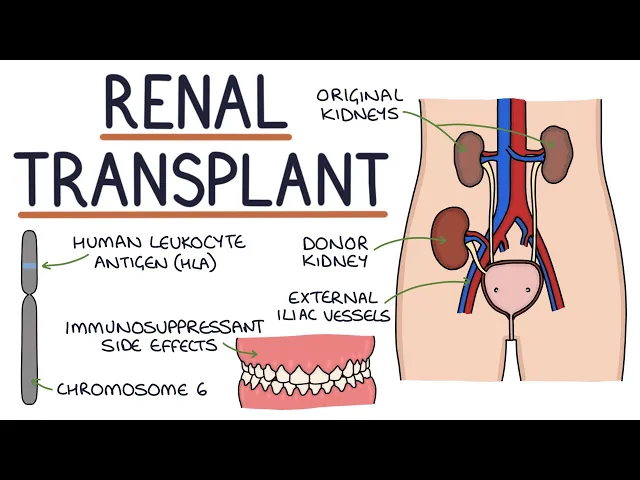
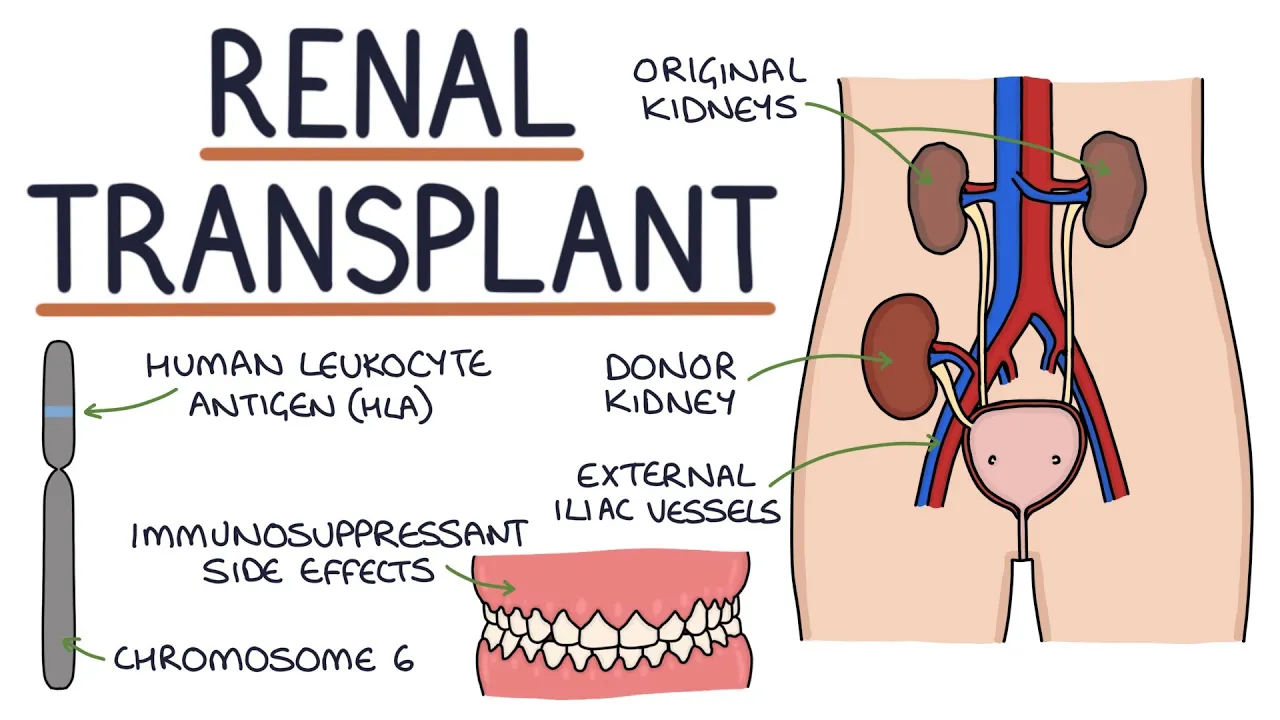
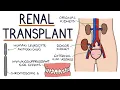
foreign [Applause] [Music] ers.com in this video I'm going to be going through renal transplant and you can find written notes on this topic at xerodifinals.com renal transplant or in the Urology section of the zero to finals surgery book so let's jump straight in a renal transplant is where a kidney is transplanted into a patient with end-stage renal failure this typically adds 10 Years to Life compared with just using dialysis and it significantly improves the quality of life let's talk about donor matching the patient and the donor kidneys are matched based on the human leukocyte antigen
or HLA type A B and C on chromosome 6. the patient and the donor kidneys do not have to match fully but the closer they match the less likely there is to be organ rejection and the better the outcomes the person who's going to have the kidney transplant can receive treatment to desensitize them to the donor's HLA type in preparation for transplant from a living donor there won't be enough time to desensitize them to a deceased donor because the kidney needs to be transplanted quickly let's talk about the procedure the patient's own kidneys are left
in place the donor kidneys blood vessels are connected or anastomized with the pelvic vessels usually the external iliac vessels the ureter of the donor kidney is anastomized directly with the bladder the donor kidney is placed anteriorly in the abdomen which means it can usually be palpated in the iliac fossa area a hockey stick incision is typically used and there will be a hockey stick Scar left after the kidney transplant after the kidney transplant the new kidneys will start functioning immediately patients who have had a kidney transplant will require lifelong immunosuppression to reduce the risk of
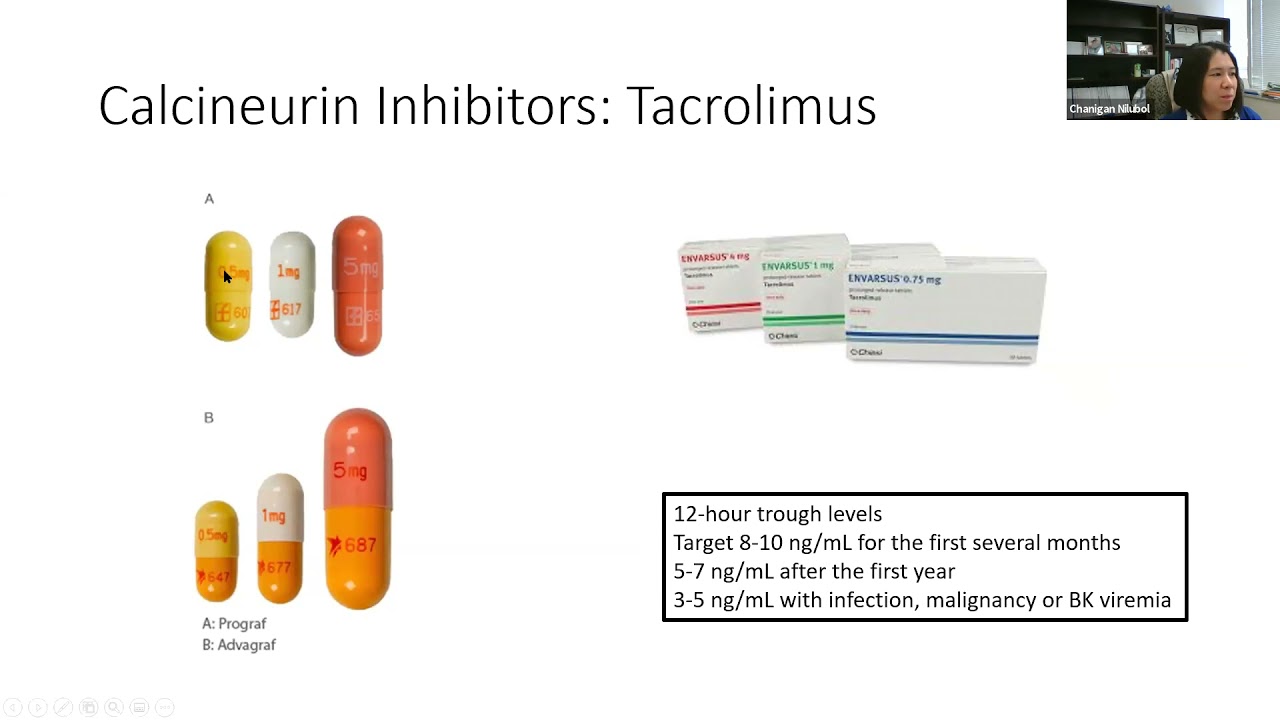
transplant rejection the usual regime is tacrolimus mycophenolate and prednisolone other possible immunosuppressants that may be used include cyclosporine serolimus and azathioprine a tum tip for you if you're seeing a patient with a kidney transplant in your Oscars you can look particularly clever by looking for the side effects of particular immunosuppressant medications generally immunosuppressants often cause sebaric warts which are a type of skin lesion and they also cause skin cancers so look for scars from skin cancer removal if the patient's on tacrolimus they may have a tremor if the patient's on cyclosporine they may have gum
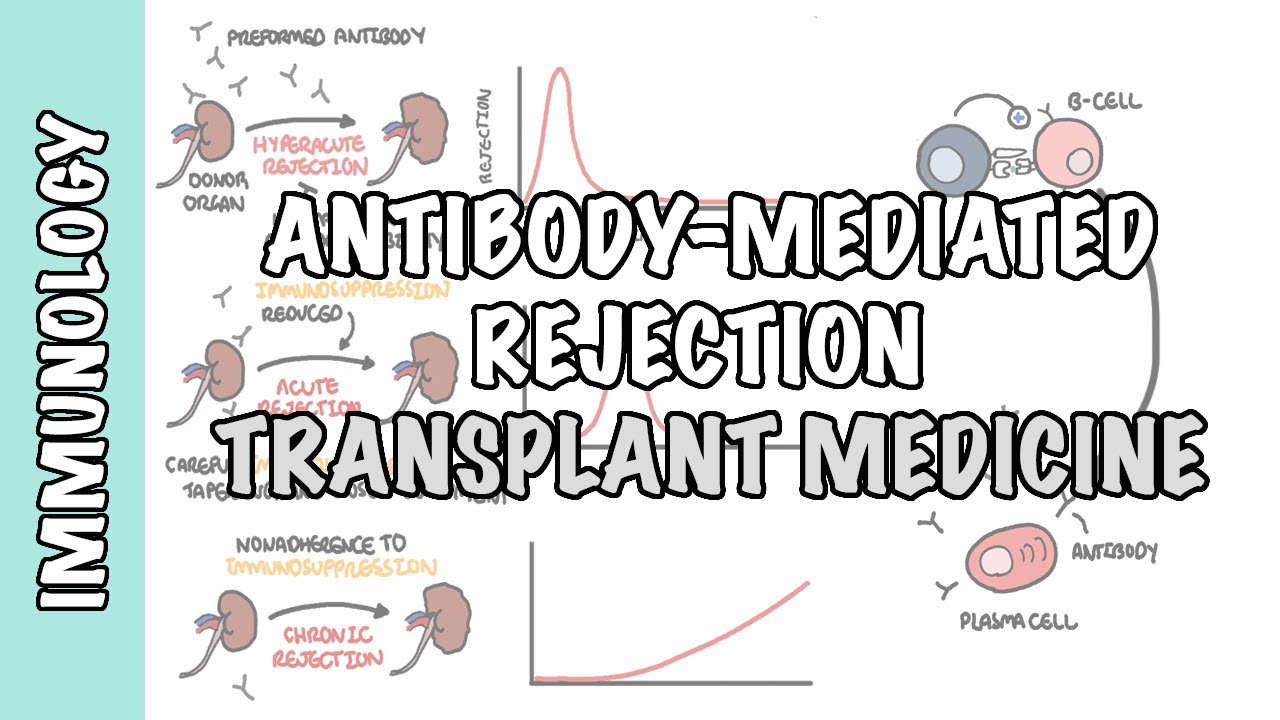
hypertrophy and if the patient's on steroids they may have features of Cushing syndrome finally let's talk about the complications complications relating to the transplant are transplant rejection which can be hyper acute acute or chronic transplant failure and electrolyte imbalances complications related to immunosuppressants include ischemic heart disease type 2 diabetes which is caused specifically by steroids infections are more likely more severe and may involve unusual pathogens Non-Hodgkin's lymphoma and skin cancers particularly squamous cell carcinoma there are some unusual infections that can occur secondary to immunosuppressant medications and these include pneumocystis geoveci pneumonia or PCP or PJP
cytomegalovirus or CMV and tuberculosis or TB if you like this video consider joining the zero to finals patreon account where you get early access to these videos before they appear on YouTube you also get access to my comprehensive course on how to learn medicine and do well in medical exams digital flash cards for rapidly testing the key facts you need for medical exams early access to the zero to finals podcast episodes and question podcasts which you can use to test your knowledge on the go thanks for watching and I'll see you in the next video