[Music] foreign [Music] to yet another episode of pre encyclopedia in today's episode we will learn about the basic concepts of a very well-known classical behavioral Theory called operant conditioning and reinforcement learning without further Ado let's get on to today's video this video is a part one of a two-part video series in today's part one video we will first understand what is operant conditioning and touchdown briefly on the origins of operant conditioning then we move on to understanding the concepts of reinforcement and Punishment in the part two of this video series we will learn about the
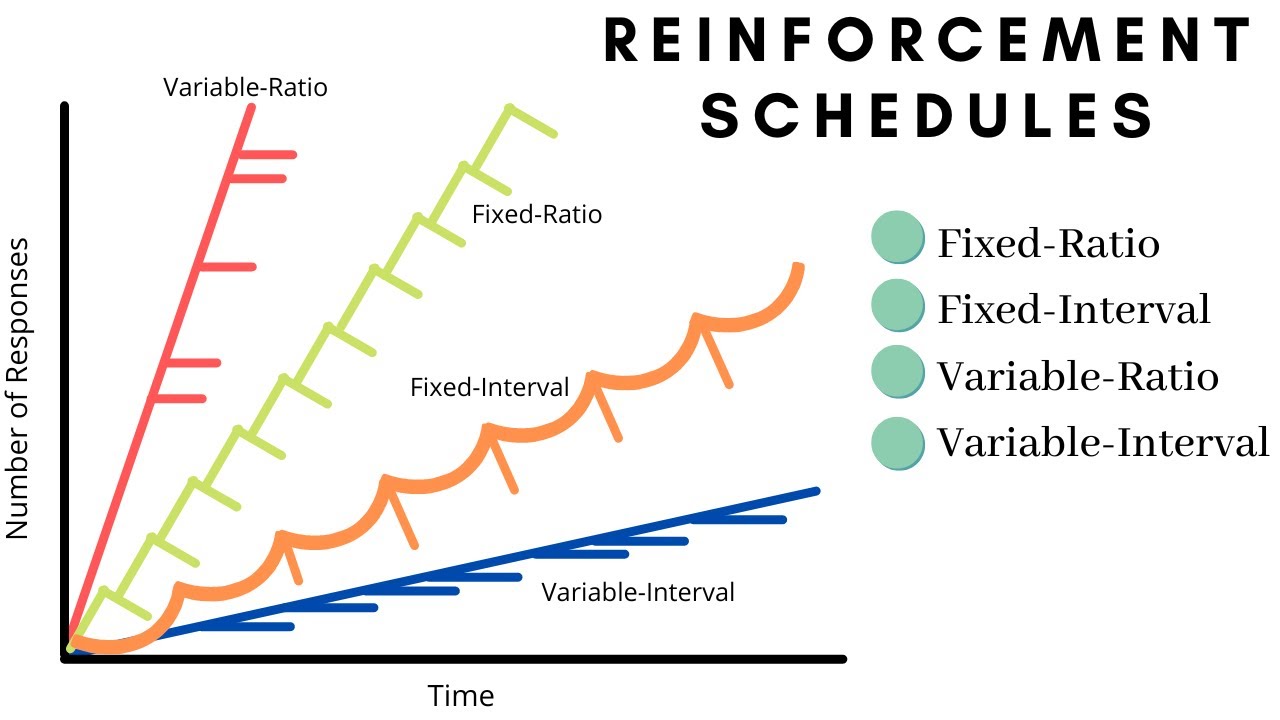
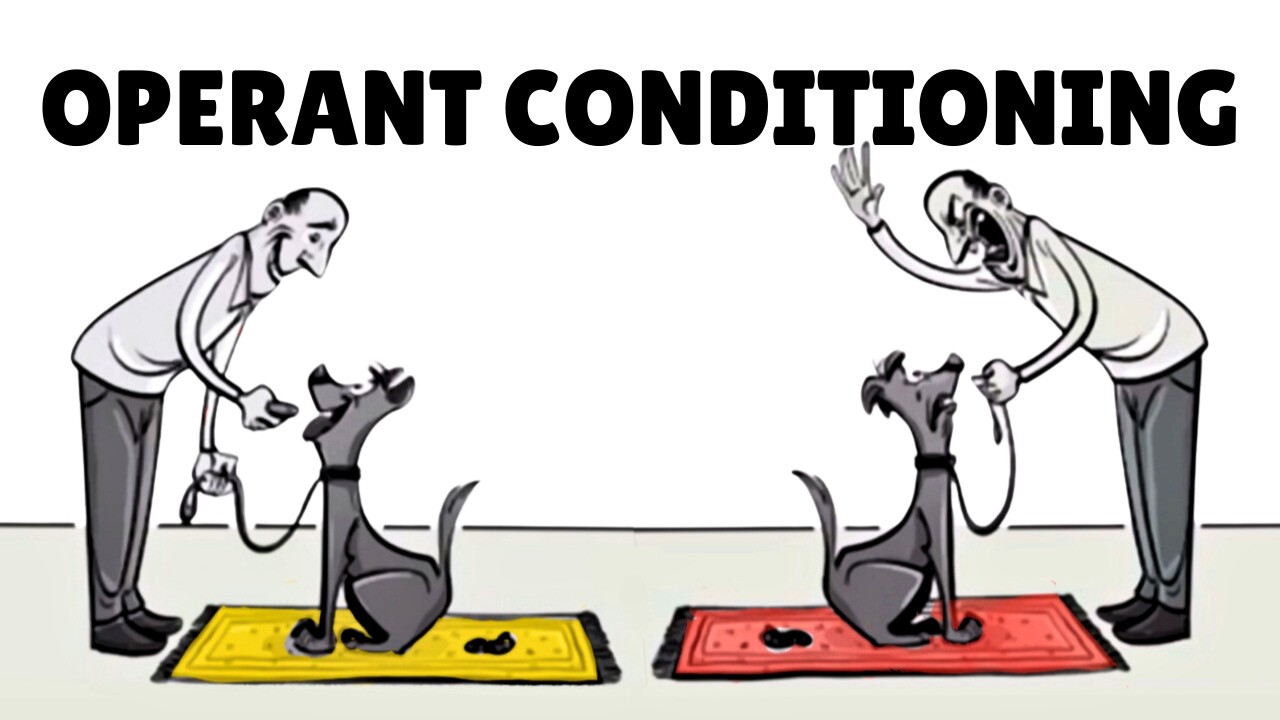
various schedules of reinforcement but more on that in the next video operant conditioning can be defined as the process which allows an animal to develop associations between their action and the consequences or outcomes of those actions developing this Association is essential because it is this Association that allows one to learn the behaviors that they can pursue such as the behaviors that have been rewarded or the behaviors that they need to attenuate to just the behaviors that have been unrewarded or subject to banishment the origins of operant conditioning can be traced back to the seminal contributions
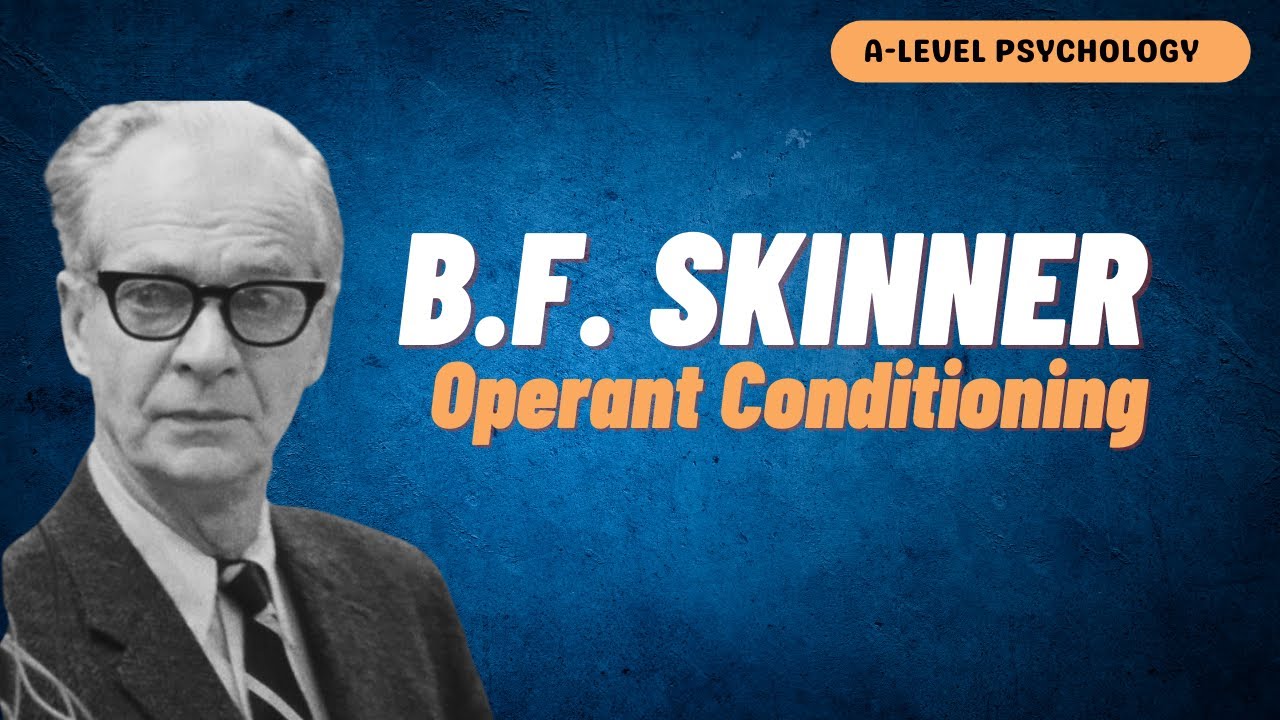
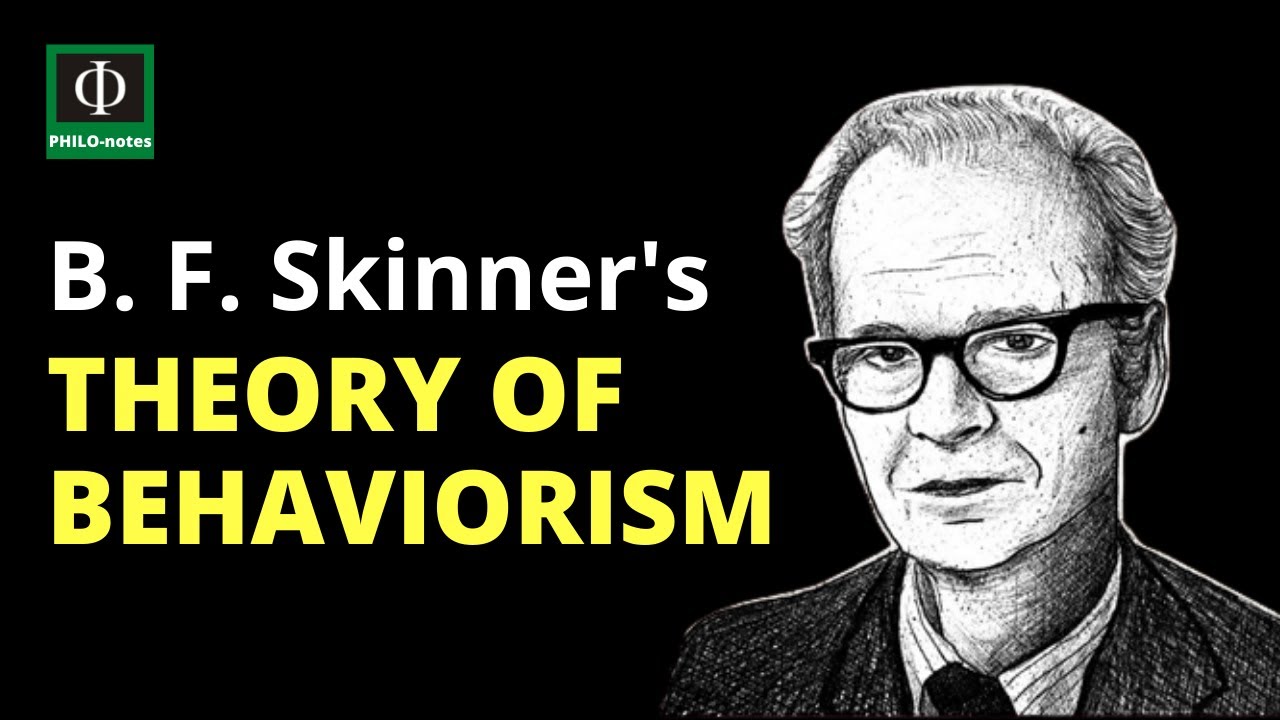
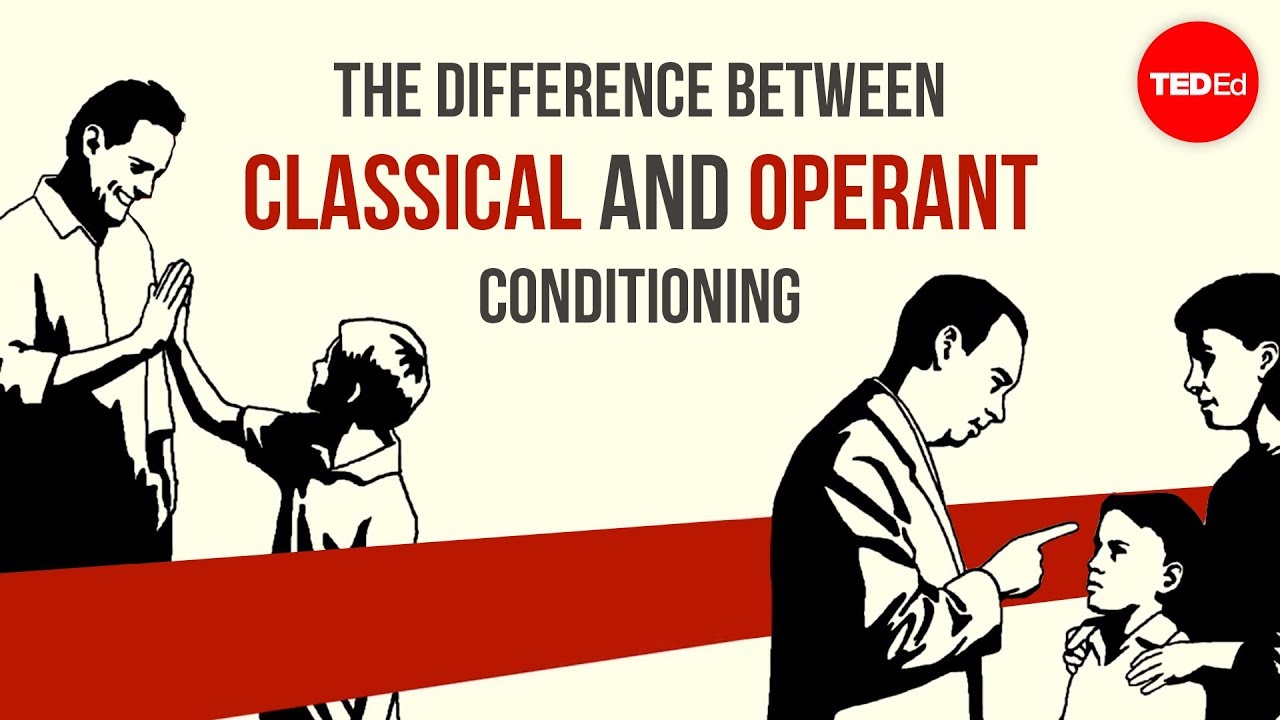
of the well-known behavioral psychologist beheris Frederick Skinner or more commonly known as beer Skinner and also referred to as the father of operant conditioning Skinner proposed that human behavior occurs is an outcome of conditioning however he had different views than Pavlov's classical conditioning Theory skin has stated that the current classical conditioning theory was limited in explaining the existing behaviors that were elicited reflexively as a result the classical conditioning Theory did not account for new behaviors such as how a person learns to drive a car the Zen Skinner's attempt to understand and theorize human learning he
proposed a theory that could explain how new behaviors were acquired reconditioning Skinner observed that behaviors that are elicited by humans is usually motivated by the consequences or outcomes of the behaviors such as reinforcements or Rewards or punishments that they receive as an outcome or consequence of one's Behavior Skinner's idea that learning is a result of the consequences was based on the seminal idea of law of effect a concept which was proposed for psychologist Edward thondike according to the law of effect behaviors that are followed by consequences that are satisfying to the organism are more likely
to be repeated and behaviors that are followed by unpleasant or punishment-like Consequences are less likely to be repeated essentially If an organism does something that brings about desirable results the will in fact do it more in the future and contrary if the organism does something that does not bring about desired results they will attenuate or are less likely to repeat that behavior again working with thorndike's law of effect is its foundation Skinner began conducting experiments with animals more specifically rats and pigeons his goal was to determine how organisms learned through his principles of operant conditioning
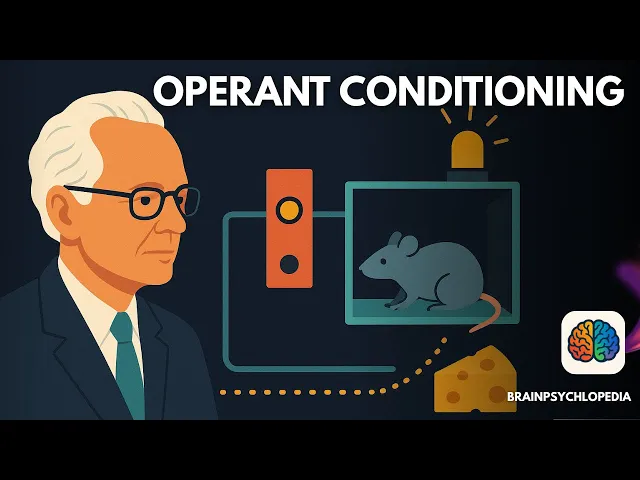
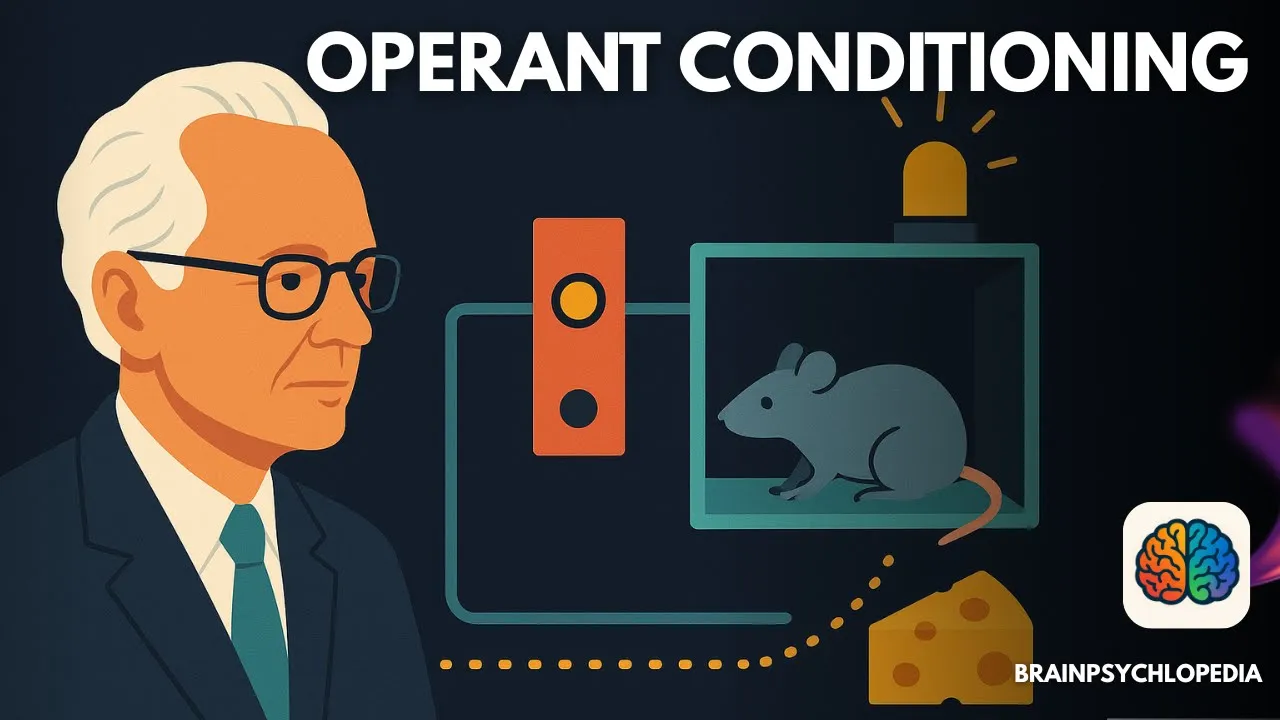
and he conducted many studies in the early 1940s he placed these animals inside an operand conditioning chamber which he built specifically to test his predictions and hypothesis about the operant conditioning theory that he postulated he called this the Skinner's box a Skinner's box contains various elements that can help a person test the predictions of the Skinner's Theory more specifically a Skinner's box contains a lever for rats or a disc for pigeons that will allow the animal to sort of press them and OPEC them for getting a reward such as food via the dispenser speakers and
lights can be associated with certain behaviors as cues for Rewards or punishments and a recorder will account for the number of responses that the animal makes Skinner performed many experiments with his operant conditioning chamber or the Skinner's box in order to find evidence for his theory before moving any further let's clarify a few terminologies that will help us understand the concepts of reinforcement and Punishment better in the context of the operand conditioning Theory we use many everyday terminologies such as the words positive and negative in everyday context the word positive could be meaning something good
and negative as something bad however in the context of the operant conditioning Theory this is not what these words mean in the context of operant conditioning the terminology positive stands for adding something and negative stands for removing something now keep this in mind as it will help you understand the concepts of reinforcement and Punishment even better now that we understand the concept of positive and negative in the context of Operating Conditioning let's move on to understanding the concept of reinforcement or a reinforcer a reinforcer can be defined as anything that increases the likelihood that a
specific behavior will occur with greater intensity if the reinforcer is spared with that activity a reinforcer can be a positive reinforcer or a negative reinforcer a positive reinforcer is a desirable stimulus which is added following an action with an intention to increase the set Behavior take for example every time you finish your homework your mother gives you your favorite treats or candies in this scenario the candies of the positive reinforcer that is likely to shape your behavior to finish homework on time every day interestingly enough it has been found that positive reinforcers or positive reinforcement
can be used as a learning tool as it is extremely effective for instance it has been found that one of the most effective ways to increase achievement in school districts with below average reading scores was to pay children to read wherein paying acted as a positive reinforcer friar in 2010 found evidence for this study showed that when second grade students in Dallas were paid two dollars each time they read a book and passed a short quiz about the book The reading comprehension of these second graders increased significantly the negative reinforcement or negative reinforcer on the
other hand is the removal of an undesirable stimulus which is subtracted or removed following an action with the intention to increase the said Behavior let's take an example from everyday life for instance you dislike getting stuck in traffic on your way to work on a Monday morning so to avoid the traffic you wake up early and leave early and thereby you avoid all of that Monday morning Rush negative reinforcers work to shape and modify behaviors because aversive stimuli tend to involve some type of discomfort either physical or psychological behaviors are negatively reinforced when they allow
you to escape from the aversive stimuli that are already present or allow you to completely avoid the aversive stimuli before they happen now there are two forms of reinforcers we have primary reinforcers and secondary reinforcers a primary reinforcer is any reinforcer that has some form of innate reinforcing quality this means that the presence of the primary reinforcer by itself is enough for behavior modification in the context of operant conditioning some common examples from everyday life of primary reinforcers include food that you enjoy money or monetary reward of some form material possessions that you value and
some form of comfort such as sleeping or taking a nap this is not an exhaustive list but some of the most common types of primary reinforcers that we have around us in everyday life secondary reinforcers on the other hand has no inherent value and only has reinforcing qualities when linked with a primary reinforcer for instance when one gets a promotion in a job that by in itself might not be reinforcing but the fact that makes a job promotion more reinforcing is the salary hike or the primary reinforcer of monetary gains that comes with it this
is therefore an example of a secondary reinforcer let's understand the concept of punishment in the context of operant conditioning Theory punishment is the opposite of a reinforcer that decreases weakens or eliminates the likelihood that a specific behavior will occur when the punishment is spared with the behavior punishments can be positive in nature or negative punishments positive punishment refers to adding an undesirable stimulus to decrease a behavior for example if a student is found texting during class the teacher is likely to scold a student if this Behavior occurs in this example the scolding which is an
undesirable stimulus is the positive punishment which is aimed at decreasing the behavior of texting during class negative punishment on the other hand refers to removing a desirable or Pleasant stimulus to decrease a specific behavior for example if you want to reduce your social media engagement you may set a rule for yourself that if I spend more than 20 minutes a day on my social media apps I will restrict my access to my favorite sweets or treats since you like eating your favorite sweets restricting them is undesirable So to avoid this you will decrease your behavior
of engaging in social media apps for more than 20 minutes a day alright so we've learned a lot of different concepts in today's video and it can seem fairly confusing so in this last part of the video Let's quickly summarize and consolidate what we learned today remember that a reinforcer or reinforcement of some sort is any stimuli that aims at increasing a particular behavior on the other hand punishment does just the opposite by trying to decrease a particular Behavior positive reinforcement or a positive reinforcer is any stimulus that is added to increase the likelihood of
a behavior on the other hand a negative reinforcer or a negative reinforcement is any stimulus which is removed to increase the likelihood of her behavior a positive punishment on the other hand is any stimulus that is added to decrease the likelihood of a behavior while a negative punishment is any stimulus which is removed to decrease the likelihood of a behavior you can pause the video at this stage and take a screenshot of the summary table in order to revise these Concepts and consolidate the material from today's video at a later time all right that is
the end of today's video if you haven't already subscribe to brain encyclopedia today leave a like share this video with someone you think will benefit from today's content comment below and leave your feedback or a future video request and press the Bell icon to remain updated about new uploads follow us on all of our social media sites and join the family the link of all of these sites are in the description box below if you liked our content please consider making a donation to our channel on our buymecoffee.com page the link of this will be
pinned to the comment section as well as in the description box below see you in our next video [Music] thank you