with many of us shuttered inside our homes we're using social media and other online information sources more than ever but amid this viral pandemic the spread of misinformation that's been dogging our politics could now be a matter of life or death wired editor-in-chief Nick Thompson has been writing about the role of Technology in this current crisis he joins us now to talk about it on nikka morning I want to talk about the wired piece on ibuprofen and the panic that started to take us back I mean there's always been panics about misinformation and information snowballing
but it's magnified in this day and age yeah it's magnified because we're so worried and we're so looking for anything that will help any sign of a cure or anything we can tweet about so we're absolutely primed and activated from this information the ibuprofen story is fascinating because there's a medical research group puts out some information about the way a specific enzyme might interact with Kove at 19:00 and then perhaps there's another doctor who says well maybe there's a connection between ibuprofen and this enzyme so you have to sort of thoughts but no studies and
then a French minister tweets be worried about ibuprofen and Cove at 19 and suddenly it spreads around the world so there's no mal intention there's no one trying to do harm but as a result people panic about ibuprofen so they go to CVS which is dangerous in and of itself and they start buying lots of acetaminophen which has its own potential concerns so a hazard is created totally unintentionally but just because of the speed at which misinformation can spread so along those lines and when you say there was no bad intent but what do social
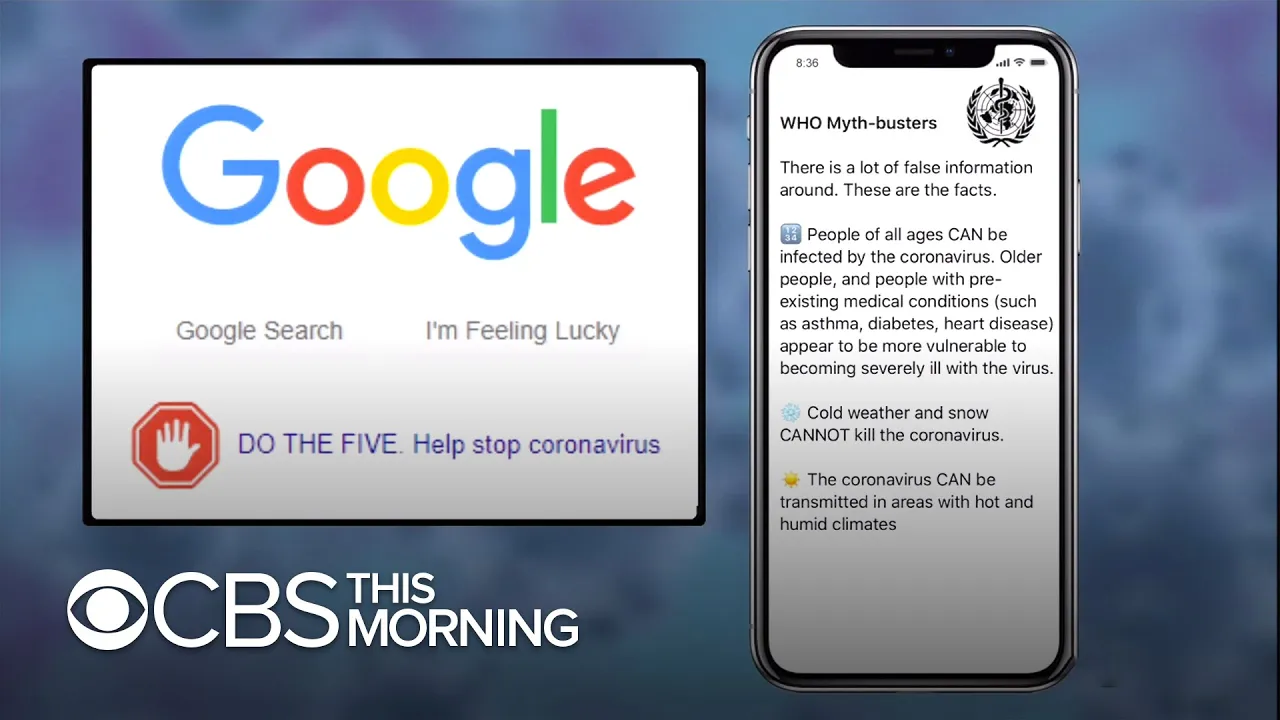
media platforms do right now to try to combat this type of spread of misinformation you know I've actually been pretty impressed with the social media platforms I've been quite critical of them over the last few years as you know they've all stepped up Silicon Valley was quite early to see the magnitude of this crisis so they all have worked hard to adjust their algorithms to help find misinformation and then very importantly they've been doing some pro positive things if you go to google.com it tells you to do the five Instagram has run stories about staying
at home YouTube is putting up videos that have real coronavirus news so each of the platforms is doing something positive my favorite is probably whatsapp you can text a number to the World Health Organization and will send you back all kinds of great information so they're getting two things they're trying to combat misinformation which is always hard and lots gets through and they're trying to proactively provide positive useful information you mentioned a lot of platforms you mentioned a lot of platforms there Nick but so much of this as you know at Wired at CBS News
everywhere else is still being driven by Facebook yeah right Facebook is surely the place we're going to the most right now we can't connect with our friends in real life so we're starting to use Facebook more traffic on Facebook is going up at Wired we've seen an Eightfold increase at least sometimes a 40 fold increase and the number people coming from Facebook to more stories so Facebook is working hard to block the misinformation provide some positive information and to keep their servers right and also knowing that bad stuff does spread on that platform because of
the nature of the way it was set up hey really quickly Nicola before you go a lot of people are frustrated by throttled Wi-Fi networks and and as it's lower speeds with everyone online is that gonna get better yeah it's not gonna get better I think that the United States is going to be okay I think that the major tech companies the companies that provide the information that slows everything down namely Netflix and YouTube will take steps that they did in Europe to send out lower bandwidth videos if there are real situations and also I
think what's generally happening it is it's not a national bandwidth problem in some places it's your wife and you and your kids are using the same Wi-Fi connections yeah everybody at home that's the problem Nick Thompson thank you very much but staying at home