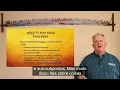
Welcome to partnership development we're going to be talking about practical ways to connect with partners to help you with your church plant i was asked to teach this many years ago for other catalysts working with the north american mission board and when i was asked to teach it i was asked to teach transferable principles i said "don't just tell us what you do but tell us principles that you can tell to Others and then they can figure out on their own." well i tried to comply a little bit but that's not really me i tend
to figure things out and then want to share them in great detail but i did come up with some principles they all fit on one slide as a matter of fact and here they are i eliterated them for the preachers in the group be prayerful proactive participating and make it a priority here's what i mean about that you've heard me talk in many settings About prayer as being the most important part we're praying to the lord of the harvest so we want to pray that he will give us the right partners so that we can
do our best in working together for kingdom advance we want to be proactive we talk about this when it comes to sharing the gospel as well we want to do the ask a lot of times we kind of put it out there for people what we're doing but we never give them an opportunity to respond to the gospel to being a part of The church or in this case to being a partner so specifically ask and ask them in a way that is clear what you need them to do and then the third one is
to be participating here's what we mean by that cooperate with those around you don't try to get it all about yourself as a matter of fact that's count not only counterproductive and not kingdom-minded but it will hurt you in the long run when it comes to your church plant you want to participate With those that have partnered with you you want to help them in what they're doing as well partnership is a two-way street it's not all about what they can do for you but how can you be a blessing to them and part of
that i want to be very clear and i want you to hear me strongly on this that means don't take money and get mission team help and all this stuff from partners and when that that time of partnership runs out where they're not funding you don't go "okay Well i got all that i can out of them so i'm going to leave this group and go join another group." uh i could spend hours just on that topic that is just plain wrong so don't be doing that the other thing i'd say is don't be territorial
in in terms of like everything in your area has got to be about you help other church plants help other churches other languages even some that may be similar to you we have had people partner with us just because they See that we're not all about us so don't be territorial and then the fourth one is make it a priority now that may sound obvious but it takes effort to make it a priority when i work on partnership development for a new network or a new church plant i have to specifically block out periods of
time that are sacred to what i'm doing i can't be taking other appointments or doing other things i have to hold those times because it's very easy for that to get Pushed out of the way because it's all your yourself initiative to do it it's very easy to let other things take over that time so you got to make it a priority and then you've also got to spend resources to make it happen it takes finances to go connect with people and it may sound like that's a lot or something that you're not comfortable doing
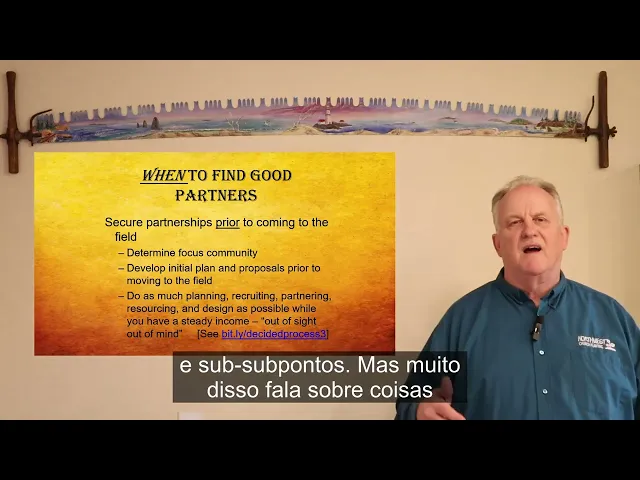
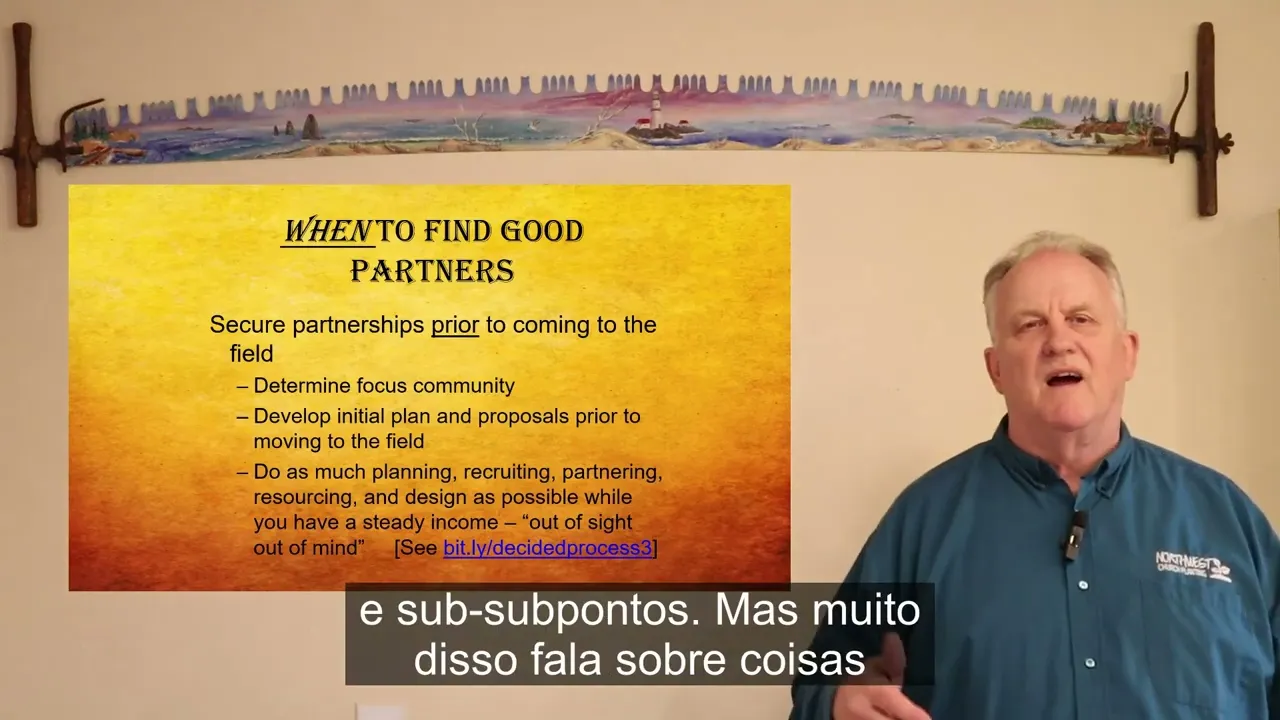
but it will it will produce so much more not only for what you're doing but church planning Overall so we're going to talk about a few things like when where how to find good partners so when to find good partners as much as possible we want you to find good partners prior to coming to the field uh so in order to do that you need to determine what the field or focus community is it's good to know where you're going to plant uh before partners get fully on board now i want to be clear there
are some that will join you even early on those that are Like family or close ministry partners or just some people that believe in you they say "when you figure it out i'll help you do it." but more people are actually called to the vision of what it is that god's called you to do so you need to determine where you're going to go and plant what kind of church it's going to be who you're going to try to reach all sorts of things so that you can communicate communicate clearly a vision for what god
has called you to do Once you've done that you want to develop an initial plan and put together proposals prior to moving to the field uh it's so that you can develop partnerships where you are now some of you may already be in the field so this is a moot point you're prior to the field and on the field or the same place but others that are relocating it's good to try to develop some of that ahead of time so that you can go to people where you currently live and try to connect With them
about partnering and then uh when you go to the field you of course you have to refine that you get a better idea of what it's you're going what it is you're going to do in your church plan you want to do as much planning recruiting partnering resourcing and design work as possible while you have a steady income now first of all i do want to say do this with all integrity either do it on your own time or if you're doing it on ministry time or business Time do it with your boss's knowledge now
some of you you can't do that you say "i'm going to go plant a church." and they're like "see you you're out of here." but i know others that have had 3 months 6 months even a year on staff of a church or other ministry even businesses where they've been able to shift a bunch of their time in their work hours to the new church plant some cases churches will pay them full-time while they're while they're learning What they need to do to plant a church and they're putting together their partnership materials developing partners and
so on so you want to do as that as much of as you can legitimately while you have an income because it's there's a saying out of sight out of mind uh once you move to the field it's easier for people to forget about you or to say no to what you're doing so as much as possible you want to try to connect with them build relationships That are true relationships but also get commitments for partnerships um now we've got some different materials that you can look at that help you in planning that out you'll
see one on your screen which is bit.ly/decided process three vit.decided process 3 this will take you to a word document that has a whole bunch of stuff you should be working on before you go plant a church uh as a matter of fact it's got 27 points with Subpoints and sub subpoints um but some a lot of that talks about things to do in partnership development we put it in a word document so you can take out what doesn't apply add other things and make your own kind of to-do list for planning your church so
when else to find good partners obviously still while you're on the field you want to continue finding and nurturing partnerships while you are planting your church um there's local Churches that will help you there's partnership trips and vision tours that we're going to talk about quite a bit in this training partnership trips are when we go out and connect with leaders and churches and associations and businesses and others in their setting and vision tours are when we encourage them to come to us quite often you've got to go on a partnership trip before they'll come
here but ultimately the goal is get them to come where you're going to plant a Church and and to see what you're doing so when you want to do that you want to do it before but you want to continue to do it while you're planting a church so where do we find good partners it's similar to when sharing the gospel first and foremost it's about relationships so relationships relationships relationships uh first of all nobody more than the planters own relationships they are going to support you uh if you're a church planner or a team
member They're going to support you because they know you and they love you uh they believe in you um but there's other relationships that you can take advantage of as well a strategist or catalyst like myself uh we know people uh that we can connect you to now we don't just have them sitting here in our pocket like waiting for us to find a church planner most of the time that's not my experience because as soon as i find somebody wants to partner i'm Already connecting with somebody who's planning a church or getting ready to
plant a church so what that means is you can't just rely on what i can do i've been blessed to connect with hundreds and hundreds of partners um but i've also worked with hundreds and hundreds of church plants so what that means is maybe my relationships could help on average find one partner for a church plant but in a church plant where somebody is fully resourced and they're Fully funded to plant a church like they're full-time at it and it's it expensive area whatever we found that it takes an average of six partner churches to
pay for that church plant or other kinds of partners uh so if i find one that means the planter's got to find the other five so most of those come through uh his relationships in addition to that there's relationships with associations uh state conventions uh north american mission board or whatever entity you're Connected with they have a lot of those relationships and it's important to keep reconnecting you don't you don't tell somebody one time hey i'm going to plant a church and think that it's always going to be on the forefront of their mind you
need to keep reconnecting with those people because a lot of times when you connect with them like an hour later or a week later a month later they get a call from somebody going "hey i'm looking for a place to help a church Plant." and you're like you know i was just talking with gary yerby you ought to call him because he's got a church plant you can work with so keep it in front of them uh all those leaders along with that are are churches and uh other associations not just your own association but
what are churches out there so as you connect with churches who else do they know we're going to talk a lot about that later and then another one is church plants now you may Think that's really strange why would i go to another church plant to be a partner well for a few reasons one um is that they're supposed to be helping plant other churches matter of fact many church plants on the first sunday they meet will take up an offering and their whole offering that comes in that sunday goes to a church plant that
hasn't started yet another is that they've committed to do church planting and multiplication if they work with us They've committed to do that uh and if they don't they're not fulfilling their commitment so today's plants they're tomorrow's multiplying churches and another one is the fact that they've got partners that a lot of times are planting other churches so i could give you multiple stories where somebody was a church planter um who as that partnership faded out they encouraged that partner church they had to go and to help another Church plant or some of them they
connected with were larger churches and they were doing multiple church plants at a time so maybe they were going to support this one church plant $500 or $1,000 even $2,000 a month but they were going to do it with multiple other churches so that church planter was able to connect the next church planner with his partners and help them find their the new church plant find their partners as well u other places to find them i've Got shepherd to sheepard on your screen shepherd to shepherd is a pastor's cluster that's led by our church health
and evangelism team it's an annual thing where they get together uh on a week well i can't tell you exact frequency excuse me i think it's every few weeks or every month but they get together and in this setting they are learning together they're coaching each other well be a part of those groups so that you can grow and learn too but it's also Through that that you can make relationships and find partners there are other kinds of pastor's groups it's not just the shepherd to sheeperd maybe it's a local pastor cluster maybe it's within
your network or association but somehow be a part of these pastors groups and don't just be in it for what you get be in it to be a blessing and be in it to have relationships that they need and you need and through that partnerships will develop now this next One may sound funny to you dying churches uh you're like well how you know if they're dying how can they be a partner well a lot of times dying churches they they've been great churches they they just like all things they have a life cycle and
they're coming to the end of their life cycle they've tried everything to revitalize and maybe it's through aging out or maybe it's through honestly some sin in leadership whatever it is there may be Some reason that that church is dying and it's just not going to come back to life well they have resources a lot of times they have money in the bank um they have church buildings and sometime even some people who really could be helpful in a in a new fresh setting they they just don't maybe fit the culture of the dying church
and so those are places that where they can connect with you and a lot of times uh network leaders like myself have those connections to dying Churches that are giving us buildings or finances and we can use those to help the next church plant or do a replant then another one that should be obvious is individuals um some church planners uh they do a lot in raising support or team members especially do a lot in raising support from individuals now i have much more experience in raising support from churches but also have done a good
bit with individuals as well and um they are going to connect Relationally so here's some advantages the they individuals may not give as much as a church but some of them can because they're wealthy and because they believe in you but individuals will tend to stay with you longer because they're connected with you on a relationship basis whereas a church might have a 1 three or five year kind of limit on how long they'll partner with somebody but individuals will stay with you longer and longer and the closer they are the Longer they'll stay with
you so i know some people that have had individuals who've stayed with them through doing multiple church plants so that's a great great resource as well uh another one is foundations uh or grants and it says see the church planning dvd we've now moved it online and i'll give you the code later on in the video but through there through there and your own research you can find groups that will support ministries that you're doing or Sometimes they'll support nonprofit efforts efforts that you're doing in the community maybe they won't fund a church plant directly
but maybe there's some kind of service you're doing in the community and they will fund that so take advantage of those opportun opportunities with foundations and grants that might be out there another one is businesses and i've spent a lot of time lately connecting with businesses um because uh we've done a Lot with individuals associations churches but there are chris christian business people out there that they are extremely kingdom- minded and they've made their fortune or maybe they're making one but they don't want it for themselves they want it for kingdom expansion and so uh
just finding those who are believers and who are committed to this sometimes they'll start a new business just to support what you're doing other times they will give out of The the profit of their current business um there's a whole thing that i do in terms of working with businesses and sharing with them five different ways that they could partner with us in church planning and uh that's something that i could share with some of you at another time but just know that that's an opportunity that's out there the next one on the list is
seminaries or bible colleges you might say "well seminaries have taken my money or bible Colleges taken my money how does that help me plant a church?" well there's there's a couple ways like one if they receive funding like the southern baptist seminaries for example they receive funding from the cooperative program and from other donors they can't take that money and just turn it around and give it to you maybe some colleges have funds like that or something like that and they may be able they can but here's what they do have is they have Relationships
and so they have people who support them who have means to support things beyond their seminary or bible college i've sat down over the years with a few seminary presidents with a church planner sitting next to me and a church planning professor maybe on the other side and said to the president "hey uh you like george here?" and they're like "oh yeah george is great he's our best student it doesn't matter who it is it's always he's our best Student you know george is great we love george." and i'm like "you want him to do
well in ministry don't you?" "yes we do." i said "well here's what george is going to do he's going to come and plant a church with us and we need him to do well so we need people that will support him and so it would be great if you would connect us and connect george especially with some of your donors who would be willing to support george and what he's doing and uh i will tell you This i have never been turned down when i've made that request sometimes george or whoever that person is is
actually uh a development person for the seminary while he's in seminary meaning he goes out and talks to donors or goes to to conferences or kind of big conventions and has a booth to recruit partners on behalf of the seminary now it would not be appropriate for george just to call those people on his own behalf but if he gets permission from The president of the seminary to do it now he can and so we will even ask the president say "hey could you contact some of these people and let them know george is going
to talk to him and and you basically give george an endorsement or can george at least say to them you said it was okay to give them a call and and would they be willing to have a conversation?" um and a lot of times george has got the list or the president just says you should talk to this person This person and this person and that those conversations start the next group i want to say another place to find partners are other church planning networks sometimes they are multi-enominational networks like acts 29 or you know
mosaic's church planning network has worked with a var variety of groups sometimes they're denominational groups like american baptists and so on and and there's enough alignment that they will do a dy Aligned church plant so again those are things you can explore on your own but you can also work with somebody like me and say "hey i'm wanting to plant a church in this area who do you know who who could i connect with?" sometimes i've had church planners call and they say "hey i i really could use a building this the schools aren't available
or there you know there's there's no theater or whatever is there a place where i can meet and because of my Relationship with other denomination and other network leaders i can put the word out and say "hey i've got a church plant here going to yelm does anybody have a building available in yelm that they could use?" and through that that can help in terms of partnership so lots of good places to find them so what kind of church partners are we looking for well we're looking for partner churches not mother churches now others use
mother church Terminology and i'm not here to condemn what they're doing i'm just telling you for us we want partner churches and there there's a couple of reasons we want this to be a partner relationship we want to give and take we also we're not wanting some other church to control what the church plant is doing now in the northwest a lot of times uh churches we've planted have been stronger than their local partners pretty quickly it's not always the case but sometimes it is And it actually makes it difficult if if if you you
have that situation where where maybe there's even more maturity and leadership in the new church plant because of the team they brought than in the other church and so we're trying not to create up this unhealthy kind of relationship there so there's there's a variety of other reasons but just trust me that's how we do it second of all we look for multiple partners locally and nationally uh i've Talked about h trying to have six or more now i want to make a a point to you here it's not fair but it's reality that english-speaking
congregations in america tend to have a lot more partners than uh our non-english congregations and as one guy who is a phenomenal church planner and networker he asked me he's one of our leaders who leads with our hispanic work he's said he wanted wanted me to help in terms of developing partners and i'm like his name's ivan I've talked about him before so ivan why would you need my help you're like way better than i am he said he said but i'm fishing in your pond and it's a relational thing and and so um people
unfortunately make decisions about what they're most comfortable with and so on so sometimes they'll speak to somebody looking like me before they will somebody from another nationality so have an advocate to work with you to help you if you're an international Planter to find some of those partners we look for what we call lead partners or and the terms that have been used in many settings are sending churches um so these sending churches are the primary partner either locally or nationally and sometimes they we have both they're the primary partner for a church plant so
let's say you've got six partners you have one that's the main one the church planner connects with so the church planner communicates with That one that partner and that partner helps bring the other partners on board doesn't mean he doesn't talk to the others he needs to doesn't mean they're not in a group together they are but if you had to give reports and accountability and supervision for six different people from six different churches you never get your work done so yes you can provide people with updates and newsletters and and videos and stuff like
that but when it comes to a Supervisor who comes from that sending church or lead partner church there should be one of those and that person holds them accountable holds you accountable as a planter for what you're going to do and another thing that i would say about church partners is they need to be in a covenant relationship uh kind of a little spin on the good fences statement is good bridges make good neighbors a covenant is a bridge for how we're going to Operate with one another it outlines what each of us is going
to do uh it also uh helps us to avoid pitfalls meaning that we're not going to just because somebody doesn't like the way you're doing something okay we're not going to partner with you no you very clearly spell out what's expected and what's not acceptable and you don't end the partnership just because somebody doesn't like the fact that you project your words on a screen instead of using Himnels that's not a good covenant relationship so covenants have expectations for planters as well as expectations for partners and uh those are spelled out between the different churches
the association the denomination whoever is involved so what do we expect of planters this if it's a covenant relationship what do we expect of a church planter or a church planting team when they go out to plant well number One you hear this all the time is prayer we expect them to be praying not just for the church plant but to pray for their partner church and believe me uh praying for a partner church or association or praying for individuals a church planter is motivated to do that because that planter not only wants them to
be blessed for their sake but those partners being blessed helps the planter and what they're doing uh if if things fall apart for your partner there goes Your partnership there goes your help so you're very motivated to be praying not only for the partner's sake but for the church plant's sake as well the second thing i'd say is communication i would recommend a monthly prayer newsletter or update newsletter maybe some quick videos here and now every now and then you can do it on your phone in two or three minutes when you're having a big
event is you can shoot a quick video even while the Event's going on uh and just communicate to the partners what's happening uh there is nothing that will cost you a partnership more frequently there's other things that can do it faster maybe but nothing that i've seen in partnerships more often than lack of communication communicate communicate communicate because you're building relationships the next part is cooperation they if you're partnering with some people they don't expect you To go "yeah i'm busy planting a church so i'm not going to come to any of the church gatherings
with other churches." or uh they you want them to come to your missions conference every now and then and they'll you'll even pay their way for a church planner to come they're like "yeah i'm too busy or i don't want to do that." that's not cooperation that's all about what's for the church plan and nothing what the partner needs and we need to cooperate with those that Are partnering with us and then the last one is diligence faithfulness and effectiveness basically it means do your job don't be getting all this support and just sit around
looking at youtube videos all day or even though it's a good thing don't spend all your time being a stay-at-home parent taking care of your kids when somebody's helping you plant a church giving you funds to do that so if you're a full-time planter you need to plant a church you still be A good parent you still be a good spouse but you need to do your job and uh unfortunately i've seen times when guys just haven't got that done because they're distracted by other things that are good things quite often but not what they're
being resourced to do so what do we expect of the partners well we alliterate these for you so that they're easy to remember we call them pray play pay and parlay pray is prayer support play is mission involvement We're kind of doing tongue and cheek get in the game and that's done through short-term mission groups that come and do a mission trip people that come on internships and even some people that will pack up and move their families to be a part of the church plant either getting a new job or transferring in their current
job or telecommuting but different ways to go be involved on the field the third one is pay and this is financial support this involves both Upfront and ongoing support and we'll talk more about that in a bit quite a bit actually and then parlay is partnership advocacy meaning that you go out and you if you're a partner you try to bring other partners you try to parlay your relationships into relationships for the church planner if you're a partner so let's look at these and how that makes things move forward for us well it happens because
as they're connected with us the resources Will come so for example if somebody says "i want to come on a short-term mission trip." and we would encourage them well do that but know that we would love to explore the possibility of this becoming a full four-point partnership and so uh go ahead and connect with people build relationships the resources will follow so the one that we're going to spend the most time on is the pay prayer we've talked about some in other settings uh The the play i just gave that to you quickly that's people
getting involved but the one that a lot of church planners want to know about is how are we going to have the money to do this and so for us when we talk to partners we say if you're going to be a partner for us you must invest financially now i'm not saying we wouldn't take a mission team or we wouldn't welcome your prayers but if we're going to be what we call a partner you must give resources To what we're doing because where your treasure is there your heart is also if you're not sending
funds you're probably not going to spend a lot of time uh supporting us in other ways or praying for us and um so we we have that as a very clear expectation of resources coming financial resources coming um there are some great resources out there i list nam and northwest because that's that's uh the setting i'm in but whatever your network is your group that You'd connect with those are great but it's usually not enough it's usually a part um if you were to take the funding that we get from north american mission board and
the the grants that northwest baptist convention puts in maybe that's 10 20 at the most 25% but usually 10 or 15% of what it takes to plant a church which means the the rest of the resources need to come from somewhere else the partners so there are two main kinds of financial the pay as i Mentioned upfront and monthly the upfront resources are the ones that you get to do startup or to have cash flow and then ongoing monthly support when i get asked uh you know which one do you want i will often say
well i'll take both but if they only give me a choice of one or the other more often i want the upfront and the reason why i want upfront resources is it gives me some finances in the bank where i can make sure i've got enough to make payroll or Pay the rent for where we're going to meet things like that buy the equipment we need um and then i can spread that out over the monthly as well i also want the upfront because a lot of times i find ones that say "we'll give it
to you up front we'll give it we'll then they come back and they say "well we'll give you some monthly too." and and the best ones are the ones i'll give you a lump up front and then spread the ones over a monthly uh time period for years in the Future uh it's important that you connect with people who are tied to you relationally or they really understand church planters and here's what i mean is those that connect with the planter or who really get church planning they're more likely to support salaries um i had
one partner church come it was a new missions pastor he just come out of the business world really sharp business guy but he just didn't understand church planning and i Took him around to to meet some of our church planners this was very early on my one of my first times taking a partner around and i introduced him to like a half a dozen church planters and they all needed financial support and uh when i asked him at the end of their time "what do you think?" make he goes "well i have a problem." i
said "well what's that?" and he goes "your church planners make almost as much as our senior pastor." now i had a problem with That statement i held my tongue because i wanted to partner but my problem with that statement was one why did he think his senior pastors were worth more than our church planters and number two where he lived the cost of living was less than half of what it is here so if he had a senior pastor making as much as a church planter here that senior pastor was living like a king while
these guys were just trying to get into a starter home and so he just didn't get it now if I had asked him for money to help with rent or if i had asked him for buying some equipment or buy children's materials he would have been all over that he just didn't get it and because i didn't know that at that time i didn't know that was how to how to ask so uh there's a lot more to that story but for the sake of time you can ask me some other day and i'll tell
you how it went but it was a valuable lesson for me because he didn't partner with us um but It helped me understand when i'm talking to others that it's important that i i not only understand do they understand church planning but what's important to them that's a part of our vision we don't change our vision to get help from a partner but there's usually something in our vision that a partner will resonate with and we can go "hey why don't you help fund our children's ministry or why don't you help fund our worship ministry
or why don't you pay For this outreach event we're going to do?" and they'd be like "glad to do it." because that's what's important to them um another question when it comes to partners i get asked quite often is how long should people partner how long do churches partner and we used to say uh 3 to 5 years would be ideal and in the northwest it could you know five to seven would be great uh because it takes longer more often but what we found is 3 to 5 years is good a lot of them
would On the side of three but the church planner still financially trying to get the to the point where the church can take care of itself and so we changed that to say we want you to partner with us as long as it takes and uh so you don't have a kid and just go "whoop you're a certain age you're cut off i'm never going to help you again." i have kids all my kids now believe it or not are in their 30s i still help them i still do things for them some of them
Need it financially others need me to come over and wire some electrical stuff in their house or whatever it may be editing a doctoral dissertation that i just finished doing some editing for my oldest son they still need your help you don't just cut them off and and so what we've said is we want you to do that until this church plant can stand on its own but now we've gone even beyond that because remember multiply and everything we want to help start other churches so We want if i'm a church planter i say i
want you to help me as long as it takes for me to get going and then i want you to help me plant my first church let's be partners together and plant my first church and guess what that church planter then goes "thank you for the help now that i'm up and going or i'm getting there will you," talking to the me and my partner church he'll say "will you guys help me plant my first church?" and if we do it right we become a family That just keeps planting together over and over again now
it's important that in partnerships like this we partner regardless of style i kind of alluded to some of that with the himynil and words on the screen thing there's a lot of things we might do differently in how we plant and we need to have open communication but we don't quit partnering because they're planting a different kind of church than you are as A matter of fact most cases they need to be planting a different kind of church than you are because they're planning in a very different setting and we choose to only end the
partnership for biblical ethical or misalignment reasons biblical obviously if a church plant quits being biblical that's a good reason to stop a partnership if they quit being ethical meaning that they're doing things they shouldn't as a church or the pastor's stealing money and and the church isn't Doing anything about it or he's having an affair well okay we should stop that relationship there for ethical reasons and misalignment reasons means we've planted a church in our case it would be a baptist church and all of a sudden they've decided they're methodist or they're going to you
know join church of christ church of jesus christ of latter-day saints well we're not that's not what we're doing so we can end the partnership because they changed what They're going to be so to help with this we have another number of covenants again in what we refer to as the church planning dvd and you'll be able to find that uh in a bit with the link that i'll share with you so how much that's the other question i get how long and how much i get asked those kind of things all the time jokingly
say "well how much is as much as it takes?" and if i'm really joking with them say "well how much do You have got?" because we you know different size churches and people with different that are individuals have different incomes businesses do i don't ask a church that's running 15,000 to give us 50 bucks a month um so it that that would really vary whereas there's other churches i partner with $25 a month that was pretty significant for them because you know they were just struggling to get by and their pastor was working another job
and for them to Give anything took a step of faith so we want them to give according to each partner's ability we don't go out and say "i need a hundred partners given $100 a month each." that may sound good that is not a good strategy because what you've done is you've you've number one you've lowered the bar for some i've had uh individuals give couple hundred,000 to church planting i know individuals have given $2,000 a month or 500 a month i Know churches that have done the same i know churches that have given more
than a half a million dollars to a church plan to ask them for $100 a month is not only a waste of their time and resources but sometimes it's kind of insulting to them it's like why are you only asking me for that you know i can do more than that the other problem with getting a 100 partners to give you $100 a month is now you've got 100 partners to keep up with that will take all your time you Won't have time to plan a church because you've got to communicate with all these people
so you need to be more strategic so we'll uh i'm not talking about a pyramid scheme so don't hear that but i'm talking about a pyramid you might have one partner who's giving you a $100,000 a year and a couple at 50 and some at 25 and all the way down to pe people are giving you 25 bucks a month uh so but you would have more and more people the farther it goes down because More and more people can attain that level um so after as you're looking at their ability you need to understand
what their role is as a sending or multiplying church the sending church or lead partner we talked about is somebody who sends out church planners and it's the primary partner the ones that say "we've got you we're going to make sure that you're doing okay." a multiplying church is a level beyond that a Multiplying church is a church that goes out and reaches the lost shares the gospel with them they come to faith in christ they grow as a disciple they are equipped to be leaders and then they're trained to be church planters and sent
out with the team to plant a church and they do it over and over and over again that's a multiplying church sending churches and multiplying churches these churches take a major role they are the most involved in a church plant now i'm Not saying you as a church planter need a sending church and a multiplying church because if it's a multiplying church they actually fill both roles but whether it's ascending church or multiplying church they are very active in coaching and supervision and resourcing and very active in sending mission teams very intentional about praying so
in the ideal setting the sending or multiplying church assumes the primary responsibility for finding More partners and holding them accountable they're trying to take some of that load off the planter's shoulders so the planter can focus on planting the church another thing that we see is that they um they are committing strong resources and it kind of raises the bar or elevates what everybody else will do so having a partner church that that does the most then they can go to others and say here's what we're doing how much are you in for and um
that's a good Principle some we're going to talk more about later but as you go and raise resources try to connect with some of those that are the highest givers first and then go to the others um if you want to have some ideas that you can use and others can use uh there is a video uh which is about raising more mission dollars in your church and it's it's a video that was made years ago by the pastor of one of our partner churches steve stroop who is the pastor Of lake church in rockwell
texas and it's a great video very helpful if you want to see that go to bit.ly/strup and i may even stick it on at the very end of all this partnership stuff if that's something that you want has have a link so you can do that or even put the video in but bit stroop and he shares about how people have several different pockets in in the how they manage their finances so don't just assume because they give to The church and the regular offering that they won't do more for missions or a church plant
or a building and he shares several ways that he's been able to mag use that over and over to find more partners now we come to the fourth p we talked about pray play pay the fourth one it's for the pirates of the caribbean fan if you fans if you ever seen that movie it's the parlay parlay means using your influence to bring others along parlay is helping to Develop coalitions and there are some key questions that go with that with parlay and here's the most important one this came from one of the guys who
used to be one of our church planners years ago uh paul fleming said "who do you know that i need to know?" you connect with some of these pastors and other business people and other individuals and they're people of connections and influence and you just Tell them it's like "look i know you're highly connected who do you know that i need to know who can help me in what it is that i need to do and when they tell you who those people are which i've never had somebody go "nope not going to tell you."
they've always shared and say "is would you contact them and ask them to have a conversation with me?" now sometimes the people you're talking to are too busy to do that or they just don't feel comfortable doing it Themselves but then you say "is it all right if i contact this person and say that you suggested i give them a call?" and again never been turned down for one or the other of those two who do you know that i need to know now the next thing that i want you to see is a thing
that we call mind mapping uh we didn't come up with the term but mind mapping is like brainstorming on steroids and so this is an example of a paul flemings same guy i Mentioned his strategy when he was planning his church plant many years ago he had his planning strategy and out of that he had different components about philosophy or how they were going to work together or disciplehip those kinds of things and off that you would come up with side things that were related until it just kept expanding and expanding and expanding and it's
a way to kind of think through a ministry or task and think of all the possible things that You're going to need to do or at least be able to give an answer for well we've taken that and we've used it when it comes to figuring out who might be your partners so what i would suggest is you get a big piece of poster board they're usually 2 by3 or we use these giant postits that you can peel off and stick on the wall they're 2 feet by 3 feet in size and not very big
like about this big in the middle i would draw a circle and i would write jesus and me in the Center i'm not saying i'm on the level of jesus i'm saying i want to be wherever jesus is so jesus and me we're going to be here in the m middle and then we're going to look at partner partnership possibilities out of that so one we would look at different groups or types of individuals or whatever that just different people that we might be able to connect with so the first one would be looking at
church planning networks uh for me so like if i'm going To go partner what are some other networks that are out there and i might identify um different groups and um and i would list put different ones i've got the i'm just putting letters up there i got the abc group you know that's one group i got the xyz group that's another network and the iou one cuz they're broke they don't have any money but those are some different networks and then off those i could draw additional lines and other possibilities and Connections maybe to
churches or individuals or businesses that are related to that well i do that same kind of thing with other groups u conventions conferences seminaries and colleges multiplying churches friends and family and i probably would have friends and family as two separate ones when i did this myself uh for putting together my partner partnership one of the big ones for me was family uh i'm one out of six kids i'm the number four kid there's six Of us we've got spouses in there we have my parents when they were alive they went home to be with
the lord a couple years ago and i would draw out to each one of those off the family circle and then from that i would go to their relationships so like when my mom and dad were with us i would draw well they've got these friends uh that that know me and love what we're doing they've got this this family like uncles i have that that are believe in what We're doing um they belong to uh aenddale baptist church in aenddale arizona great mission-minded church i could i could draw them and and pastor jack and
you know who does he know and just keep going and the idea is you try to write small but you want to fill up that poster board and hopefully come up with like a hundred ideas of potential partners that you could talk talk to about what you're doing so once you've come up with that mind mapping and you And again it would be a lot busier than what you're seeing here on the screen but once you come with that mind mapping uh then you've got to pray through it and prioritize and so here's the first
thing we want you to do is just pause this so i want you to practice this exercise if you don't have a big post-it you can actually do this on your computer i've done it in publisher or there's actually programs that will do mind mapping specifically or just Practice on a big piece of paper until you get the bigger sheet later on and can do it but you want to make a list of people who might support your church plant or ministry if you were to go do one it's good practice even if you're not
doing a plant now is to start thinking through who those people might be and in that setting you want to be who are people that you could ask remember do the ask is a core value and don't say no for people if they come to Mind don't go "oh they wouldn't do it or they don't have enough money." you just flat out don't know most of the time so if they come to mind you put them down um you want to identify churches that might partner we've talked a lot about that what are other p
possibilities foundations seminaries businesses all those could be a different one of those lines to a circle that you spread out of who are people that you might know and who might they know so just keep Brainstorming through that process now the next activity and i'm you can pause here and and practice these once you've done that is you want to prioritize your prospective partnerships in three ways god identified potential impact and receptivity what do i mean by that god identified is if you're praying and god makes it very clear that you're supposed to go talk
to this person about helping you or this church about helping you no Other criteria matters if god gave you a direct order you do it okay um but as you're kind of praying through the rest sometimes you don't know yet am i supposed to do this and so you've come up with your mind mapping and the way i would organize it is through potential impact and receptivity by potential impact is what does their capacity or willingness to give uh and receptivity is how open will they be to partnering with you and one time i took
a bunch of Church planners to a mariners's game and um this was back you couldn't even use credit cards you had to you everything at mariners's game you had to pay cash well it didn't take long for me to run out of the cash i brought to feed my my kids so i had to go find an atm and there was only one atm in the ballpark and it was behind home plate so i went there i got some cash out the atm cuz i hadn't eaten yet and i was starving so i go get
my hot dog and coke and i'm Getting ready to do uh i'm dressing my hot dog with ketchup and whatever else and as i start to move over um somebody else had stepped up not realizing i wasn't done and he's like "oh i'm sorry." and i go like "that's no problem." and i turn and look and it was our governor and i'm like "okay i just cut off the governor." i thought "great i'm going to be jumped by security here in no in no time at all." well i turn around look behind him and there's
bill Gates and bill gates was standing in line to get catch him and he was there with the governor they had gone to a ball game together they were sitting behind home plate we were sitting out in the right field bleachers but i got my hot dog behind home plate because that's where i got the cash so i was probably in the wrong rent district but i ran into him well so i get back to the to the outfield and i sit down i'm telling him what happened how i ran into the Governor and bill
gates and my son said "well did you ask bill for any money?" and i'm like "well no it didn't come up." but in reality uh that pro if i'd never been able to ask him for money that probably wasn't the opportunity because uh you know i don't think he would have been that receptive now you could give me back my own core value and say "well don't say no for people." i had no relationship i would have just been coming out of the blue going "can i Have a million dollars to plant a church?" and
i'd never heard of him putting money into a church plant but i probably would spend my time better talking to people that are receptive to what i'm doing so when i grew up i was raising a lot of money for different school things selling things doing a thons where you would shoot basketball hoops and see how many you can make or rocking in a rocking chair for 12 hours uh where you're just doing fundraisers i Would always go to my parents first and they would give generously for a couple of reasons one they're my parents
and they love me and believed in what i was doing but the other reason is they knew if i didn't raise money they were going to have to pay for the whole thing anything anyway and so they gave generously and they were the first ones on the pledge sheet and then i went to the lady across the street i mowed her lawn she cut my hair and and she was Like extended family force and she wouldn't give quite as much my parents but she put quite a bit on there and then i would go to
others and go to raise support from them for whatever it was i was doing and they would see what my parents did and what the lady across the street did and they go "well i can't do that much." but it would challenge them to do more than they probably would have done otherwise so i started with those who were higher impact and who Were more receptive and then went to others that same principle applies in partnership development it takes just as much time to sit down with a church that could give you you know $2,000
a month as it does a church that'll give you $50 a month now i'm not saying be mercenary and one's more valuable than the other in terms of the kingdom it's not i'm just saying try to establish things in terms of priority because you've only got so much time and i could give you More illustrations about that but i just need you to trust me on it for the sake of time if you want to hear more about it we can talk about it later so how do we do this how do we go find
these partners uh either in where you live or in other parts of the country or other parts of the world we have two kinds of trips we talk about and i mentioned them earlier we have partner partnership trips where we go to them and to solidify existing Relationships and to try to make new ones and then we have vision tours where those people come here to see what we're doing and there's a couple of different kinds of vision tours one where they come just for one church because you've connected with them for that or if
it's somebody like me i might bring a group of people or others on my team will bring a group of people to connect with four five six churches on one trip to try to determine which of those churches They're going to partner with