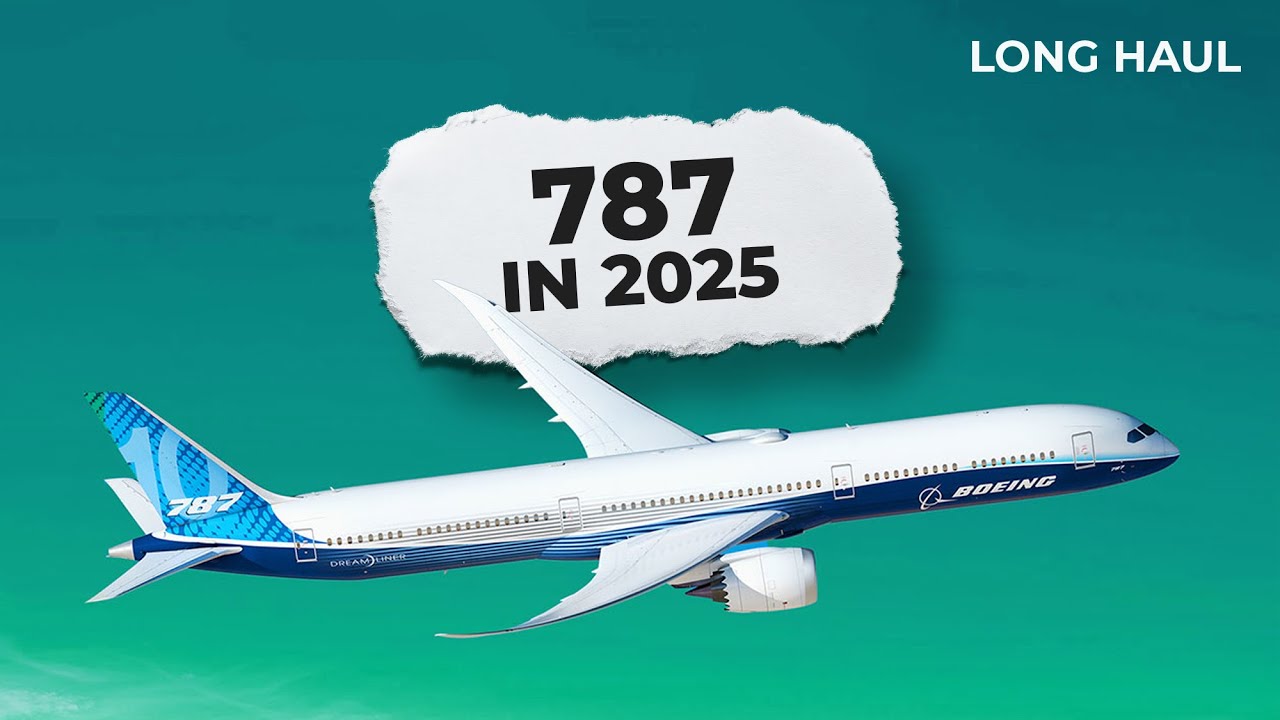
China Southern Airlines Asia's largest carrier has announced the complete sale of its Boeing 7878 Dreamliner Fleet this decision has raised eyebrows globally particularly since the Dreamliner is often regarded as one of the most advanced aircraft in operation however recent Revelations of design flaws may have significantly impacted this once celebrated planes reputation so why is China Southern distancing itself from these aircraft and what does this mean for Boeing China's Southern Airlines renowned for its expansive Network and a modern Fleet recently made an unprecedented move by deciding to sell its entire fleet of 10 Boeing 7878 Dreamliners
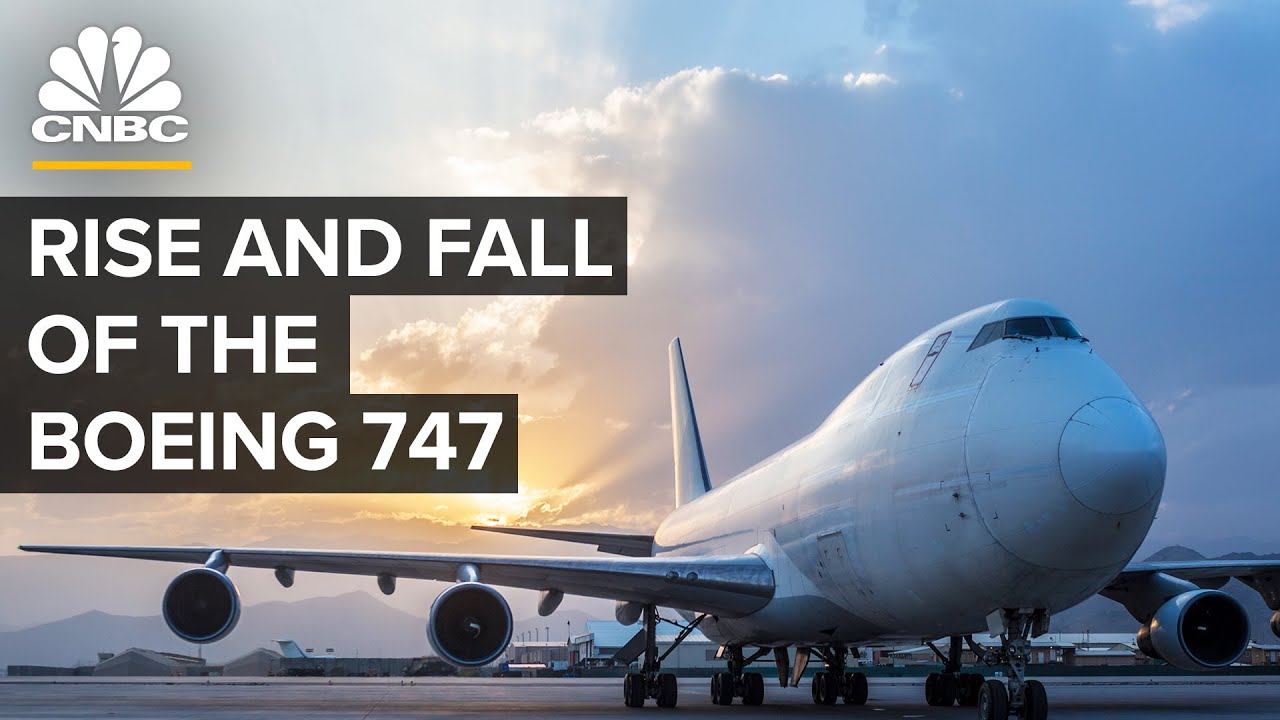
these aircraft once held as a technological Marvel are now at the center of significant controversy leaving the aviation industry to question what prompted this Swift and decisive action the Boeing 7 878 also known as the Dreamliner was introduced as a game-changing aircraft built primarily from Composite Materials it is lighter more fuel efficient and quieter than older models offering passengers a more comfortable flying experience for years it was the go-to aircraft for Long Haul routs however recent discoveries have cast doubt on its reliability in 2024 reports surfaced about structural issues during the dream liner assembly specifically
some planes were found to have improperly drilled holes a seemingly minor defect with potentially serious implications in aviation structural Integrity is Paramount even small flaws can compromise an aircraft's durability over time leading to safety concerns the situation worsened with an incident involving an Alaska Airlines [Music] 7878 where a door panel reportedly failed mid-flight while there were no injuries the event highlighted potential vulnerabilities in the aircraft's design such events have understandably raised alarm Bells within the aviation Community particularly among Airlines operating this model for China's Southern Airlines the risks outweighed the benefits the airline has historically
prioritized safety and efficiency making the decision to divest its dreamline of Fleet are logical orbe it bold move by selling these aircraft now the airline can mitigate potential future losses and maintain passenger trust which is a building block of its reputation moreover this decision aligns with a broader strategy to modernize its Fleet industry experts speculate that China Southern may be eyeing more advanced aircraft possibly from Airbus a key competitor of Boeing the Airbus a350 for example offers similar advantages in terms of fuel effic efficiency and passenger Comfort but without the growing concerns surrounding the Dreamliner
this development is undoubtedly a significant setback for Boeing losing a client of China Southern stature not only impacts Revenue but also delivers a blow to its credibility Boeing will now face increased scrutiny and pressure to address the flaws in the 7878 as well as to reassure other Airline operators of the models safety and reliability for the aviation industry as a whole this serves as a reminder of the importance of maintaining High manufacturing standards and transparency while technological advancements have revolutionized air travel even the most Innovative designs are not immune to challenges but what are the
design flaws that have shaken the dream beam liner reputation so strongly and what are the broader implications for Aviation safety and Innovation the Boeing 787 Dreamliner was designed to be a revolutionary aircraft combining Advanced Materials and Cutting Edge technology to redefine air travel but the flaw beneath the Sleek design and fuele efficient promises have emerged shaking the aircraft reputation at the heart of the controversy is the manufacturing process the Dreamliner is primarily constructed from carbon fiber reinforced polymer a material that's lighter and more durable than traditional aluminum this Innovation was a major selling point as
it allowed the aircraft to consume less Fuel and travel longer distances however working with carbon fiber presents unique challenges especially when Precision is crucial one major issue involves improperly drilled Fastener holes these holes are used to secure various components of the plane during assembly in traditional materials like aluminum minor imperfections can sometimes be corrected but with carbon fiber even a slightly misaligned or oversized hole can compromise the material Str strength leading to cracks over time why is this a concern think of an aircraft as a pressurized tube flying at 35,000 ft enduring constant stress from
takeoff cruising and Landing every inch of the structure must hold up to immense pressure a single weakness like a poorly drilled hole can develop into a bigger problem over the lifespan of the Lane potentially putting passengers and crew at risk another floor relates to the fuselage the main body of the aircraft in the Dreamliner the fuselage is built in large sections and then join together while this approach speeds up production it has also led to reports of gaps in the joins which may allow moisture to seep in over time this could lead to erosion a
problem Boeing was initially confident the dreamliner's composite materials would avoid and then there's the issue of quality control Boeing adopted an unconventional manufacturing approach for the Dreamliner relying heavily on a Global Network of suppliers to build parts of the plane while this strategy reduced costs it also introduced complexities in maintaining consistent quality standards across various locations some suppliers were reportedly cutting Corners leading to subpar components making their way into final assembly these flaws have understandably sparked concern among Airlines operating the Dreamliner safety is non-negotiable in the aviation industry and even a perception of risk can
damage an aircraft's reputation the incident involving Alaska Airlines is 78 7 where a door panel reportedly failed mid-flight Amplified these fears while investigations are ongoing such incidents cast a shadow over the dreamliner's safety record for Boeing these challenges are a reminder that Innovation must be matched with meticulous execution the Dreamliner is still an impressive aircraft but the mounting scrutiny has forced the company to re-evaluate its prod processes and ensure that safety remains at the Forefront the Boeing 787 Dreamliner once The Golden Child of Long Haul air travel is now causing turbulence not just for Boeing
but for the airlines that operate it and the passengers who depend on it the Fallout from the design flaw is Rippling across the aviation industry reshaping Fleet strategies passenger confidence and financial forecasts airlines are the first to feel the impact owning and maintaining a fleet of aircraft is a massive investment and the Dreamliner wasn't cheap with its Cutting Edge design and promise of operational efficiency Airlines flocked to purchase it betting on its long-term value but now as issues like improperly drilled holes and fuselage gaps come to light airlines are faced with tough decisions for China's
Southern Airlines the response was clear cut their losses and move on however not all Airlines have the financial flexibility or strategic alternatives to follow suit for smaller carriers or those with significant 787 fleets grounding or replacing these planes would be a logistical nightmare maintenance schedules have become more rigorous with Airlines forced to conduct additional inspections and repairs to ensure safety which means higher operational costs and more downtime for these aircraft and what about the passengers While most Travelers are unaware of the specifics behind an aircraft's design incidents like the Alaska Airlines door panel failure make
headlines and erode trust passengers natur naturally start to wonder is this plane safe this loss of confidence can affect ticket sales particularly on routes where the 787 is prominently used business Travelers and frequent flyers key Revenue sources for Airlines might opt for flights operated by rival carriers using different aircraft models such as air bus's a350 even Leisure Travelers who typically look for cheaper tickets might hesitate if safety concerns dominate the news meanwhile the global supply chain that supports the aviation industry is also feeling the strain maintenance facilities are overwhelmed with 787 repairs and part suppliers
face increased scrutiny to ensure their components meet stricter standards for Boeing's partners and sub contractors the flaws in the Dreamliner have disrupted production schedules raising costs and delaying deliveries of new planes beyond the immediate financial and operational challenges there's also the question of reputation for decades Boeing has been one of the most trusted names in aviation known for producing reliable and Innovative aircraft the Dreamliner was was supposed to cement that Legacy but the ongoing controversies are tarnishing the company's image this is particularly damaging in a competitive market where airlines are increasingly looking at Alternatives like
Airbus to meet their Fleet needs yet the 787 isn't entirely Down and Out despite its flaws many airlines still operate the model and value its fuel efficiency and passenger comfort for some carriers the choice is not between keeping or selling the Dreamliner but figuring out how to minimize risks while continuing to benefit from its unique capabilities so how is Boeing responding to these challenges so far we've seen how the turbulence surrounding the Boeing 787 Dreamliner has put the Aerospace Giant in an unenviable position once celebrated for its groundbreaking Innovations Boeing now finds itself in damage
control mode battling to restore trust with Airlines and the flying public the stakes couldn't be higher Boeing's reputation Financial Health and future as an industry leader all hang in the balance what about Boeing's response to the technical flaws after reports surfaced about manufacturing defects Boeing ramped up its inspections and quality control measures they've committed to fixing improperly drilled holes sealing fuselage gaps and enhancing the overall durability of the Dreamliner but this isn't a simple process repairs on a composite aircraft like the 787 require specializ IED materials and techniques significantly slowing down production and delivery schedules
acknowledging the urgency of the situation Boeing is also revisiting its supply chain strategy the company's decision to rely heavily on external suppliers once praised for its cost Effectiveness has proven to be a double edged sword to address inconsistencies in quality Boeing is working closely with suppliers to improve oversight and streamline processes this move is designed to ensure that only the highest quality components make it into future aircraft but for many airlines Boeing's fixes come too late carriers like China Southern airlines are divesting their Dreamliner fleets entirely citing the high maintenance costs and operational risks for
Boeing losing such a high-profile customer is more than a financial blow it's a public relations nightmare in response the company is doubling down on efforts to reassure its remaining customers Boeing has rolled out extended warranties and maintenance packages for Airlines operating the 787 offering Financial incentives to mitigate the costs of inspections and pairs they've also ramped up communication with their customers hosting workshops and Technical briefings to keep Airlines informed about progress and improvements these measures are designed to signal that Boeing is taking responsibility and is committed to restoring confidence in the Dreamliner meanwhile the company
is also fighting to regain trust with passengers a key part of this strategy is transparency Boeing has been more open about the issues plaguing the 787 releasing detailed reports and collaborating with Aviation authorities worldwide to ensure that safety Remains the top priority by addressing these concerns headon Boeing hopes to reassure the public that flying on a 787 is as safe as any other aircraft in addition to addressing the 787's flaws Boeing is also looking to the Future the company has announced plans to integrate Lessons Learned From the Dreamliner into the development of their next Generation
aircraft this includes stricter quality controls improved supplier relationships and innovations that build on the 787's strengths while eliminating its weaknesses yet The Road to Redemption is far from smooth Boe faces stiff competition from Airbus whose a350 has emerged as a strong alternative to the 787 Airlines looking to expand or upgrade their fleets now have a credible option outside of Boeing forcing the company to work harder to maintain its market share as the aviation industry grapples with the challenges posed by the Boeing 787 Dreamliner the path forward is marked by both caution and optimism this decision
by China Southern Airlines to divest its entire fleet of 10 Boeing 7878 aircraft stresses the complexities Airlines face in balancing operational efficiency with safety concerns however it's not all turbulence for the Dreamliner other Carri continue to place their trust in this aircraft for instance latam Airlines group has recently ordered 10 new 7879 Dreamliners with options for five more as part of their Fleet expansion plan similarly Japan Airlines has announced an agreement for up to 20 more s87 Dreamliners highlighting the aircraft's valued efficiency and range on International routes these developments suggest that while some airlines are
re-evaluating their Fleet compositions others remain confident in the 787s capabilities Boeing for its part is striving to address the concerns raised by carriers like China Southern implementing rigorous quality control measures and working closely with suppliers to ensure the highest standards are met the aviation Community is watching closely to see how Boeing navigates this critical juncture the company's ability to learn from past missteps innovate and rebuild trust will determine its trajectory in the years to come for passengers the hope is that these efforts will lead to safer and more reliable air travel experiences the Boeing 787
Dreamliner once hailed as a Marvel of innovation now serves as a lesson in the complexities of modern Aviation China Southern Airlines decision to sell its entire 7878 Fleet proves concerns over design flaws and operational challenges while also highlighting the industry's unwavering commitment to safety and Trust for Boeing this is a pivotal moment to rebuild confidence through transparency accountability and continuous Improvement as the aviation industry evolves the dreamliner's story stands as a reminder that progress demands vigilance adaptability and a Relentless pursuit of Excellence