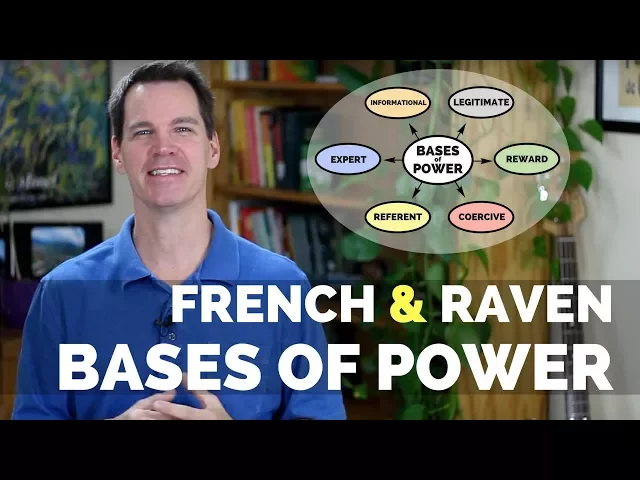
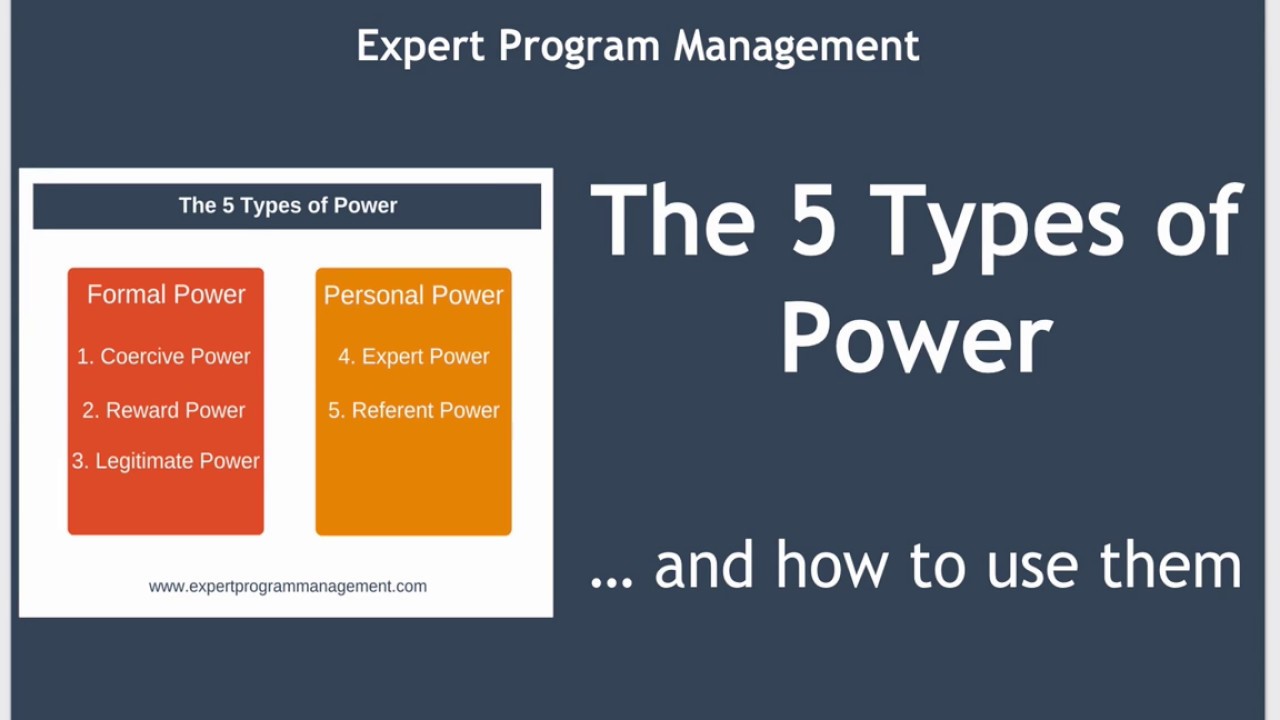
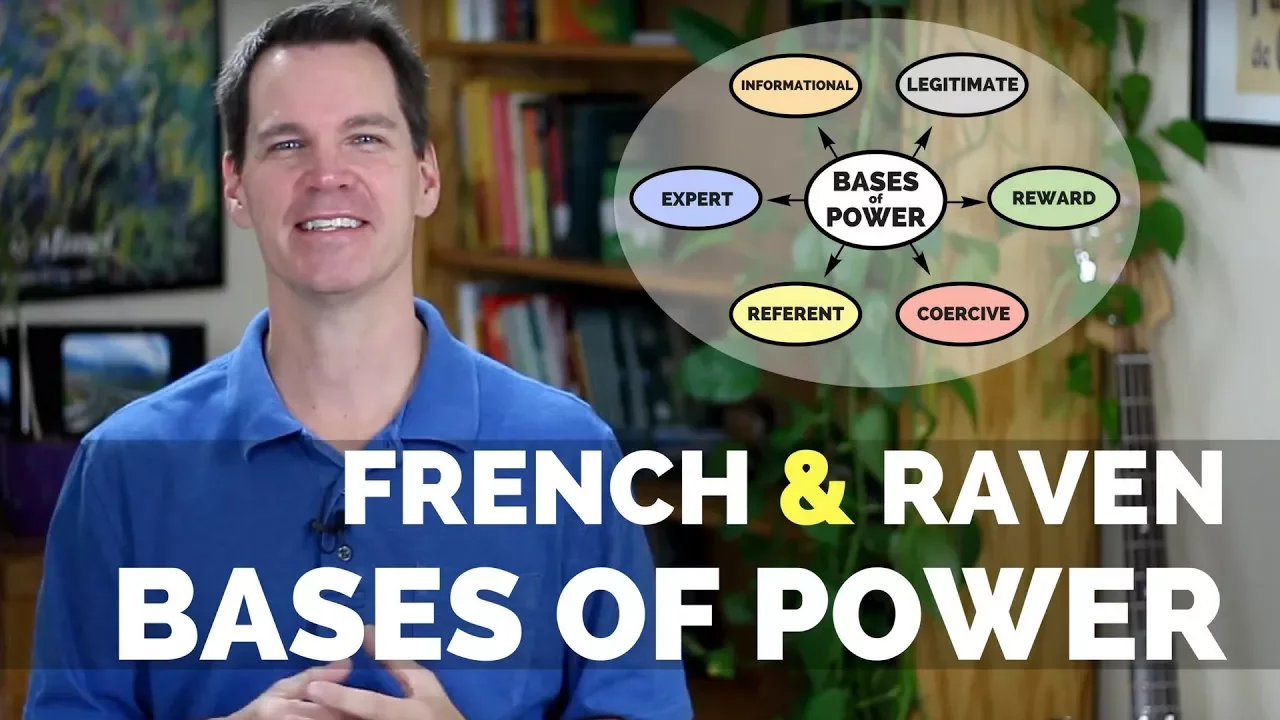
Spider-man's uncle once said, "Peter with great power comes great responsibility. " And in this video we're going to look at French and Raven's Power Bases, the forms of power. And as we look at this I don't just want to make it academic.
I want to make it real world. So ask yourself as we talk about these, where do I see myself in each of these forms of power in my professional role? So let's get into the details.
Hello again friends. Alex Lyon here and this channel, Communication Coach, is here to help people like you, rising leaders, to help you increase your own personal leadership impact to bring up the people around you. And today's topic is power, French and Raven's original five power bases and then at the end we're going to talk about this sixth power base that they added a couple years later in the 1960s.
This is really old research but I think you'll be surprised at how applicable it is to your current position. So the first form of power is legitimate power this is where you are hired, elected, or appointed to a particular position that comes with responsibilities, legitimate responsibilities. So let's say you're a frontline supervisor you're probably going to at some point make people's schedule.
That's your legitimate responsibility. It's tied to your position. And clearly you don't want to overuse this legitimate power and lord it over everybody.
Like Peter Parker's [uncle] says with power comes responsibility. The next form of power is reward power. And this is pretty expansive.
If you're ever in a spot where you can reward somebody with money, with free time, with praise like a pat on the back, hey good job. That's a reward that people like and that has an influence over them because we want to work hard for rewards. I'm a a middle-aged man and I still like a pat on the back if someone says a job well done that's a reward for me.
The flip side of this is the third form of power which is coercive power and this is another one you don't necessarily want to over use. This is the power to punish or potentially punish. So in other words if people know that you hypothetically punish them then you still have coercive power so you don't have to use this to have the form of power.
So I teach college and everybody knows that the teacher has the power over the grade and so in my position I currently have coercive power although I don't mention that. I don't push that on people but everybody knows that the boss can fire you that the teacher can give you a bad grade if that's the great that you earn and so forth. The next form of power is referent power and this is really the power of likeability.
If you have an influence over people because you have charisma you have a good relationship with them they look up to you, that's referent power. And whenever I talk about referent power in my classes people mention people like Oprah Winfrey. She's not my boss she's probably not your boss but she has a lot of influence over people.
She recommends books and then people read them they become bestsellers. She gives advice and people take it she has a lot of referent power and this is one that is wonderful to cultivate and use and you can't do too much of it because it's not like legitimate power or coercive power. It's a kind of power where people want to follow you.
And the fifth of the original five power bases is expert power. If you have a really high level of education let's say you're a physician or a lawyer or professor or some kind of expert engineer then you have expertise. And a lot of times people will look to you to bring in that expertise to influence a decision, to figure out the way forward that's going to help and create the most benefit.
So that's an expert power that you bring to the table to influence things. And I've seen entire groups get swayed by one expert because that expert knew more than everybody else. so those are the original five and the sixth power for more power base is a little controversial this is called informational power.
First of all, it's not tied to you as a person it's the power of the information. So let's say you have information that you provide to somebody, that might influence that decision or a future decision because they've been swayed by it. they've been persuaded sometimes we're persuaded by evidence by information.
I say it's a little controversial because if you think about it if you're in a professional setting and you have information because you're in that organization, that information doesn't really belong to you personally. And so you want to be very cautious not to use that information as a commodity as a way to make yourself more powerful. Information in organizations should be shared widely if it's the kind of information that people would benefit from then it should be shared widely.
You shouldn't hold on to it and I've seen people do this they use it like it's money to buy and sell and trade to enhance their own position of power. The other way that this is a little different from the others is it's not connected to you personally. So reward power legitimate power those are connected to you and your position personally but informational power is not.
So, in other words, if you give someone information then they have that information you don't have it anymore so now that information is shared it's somewhere else. In fact, you might even give them information and they don't even know it came from you. So in its nature, this one's a little different from the other five and that's probably why they added it later.
It is, however, very important to put on the list. So like I said question of the day where do you see yourself in this list? I would love to hear the kinds of power that you see tied to you in your professional role and I'd love to hear that in that section below.
So thanks. God bless. And I will see you in the next video.