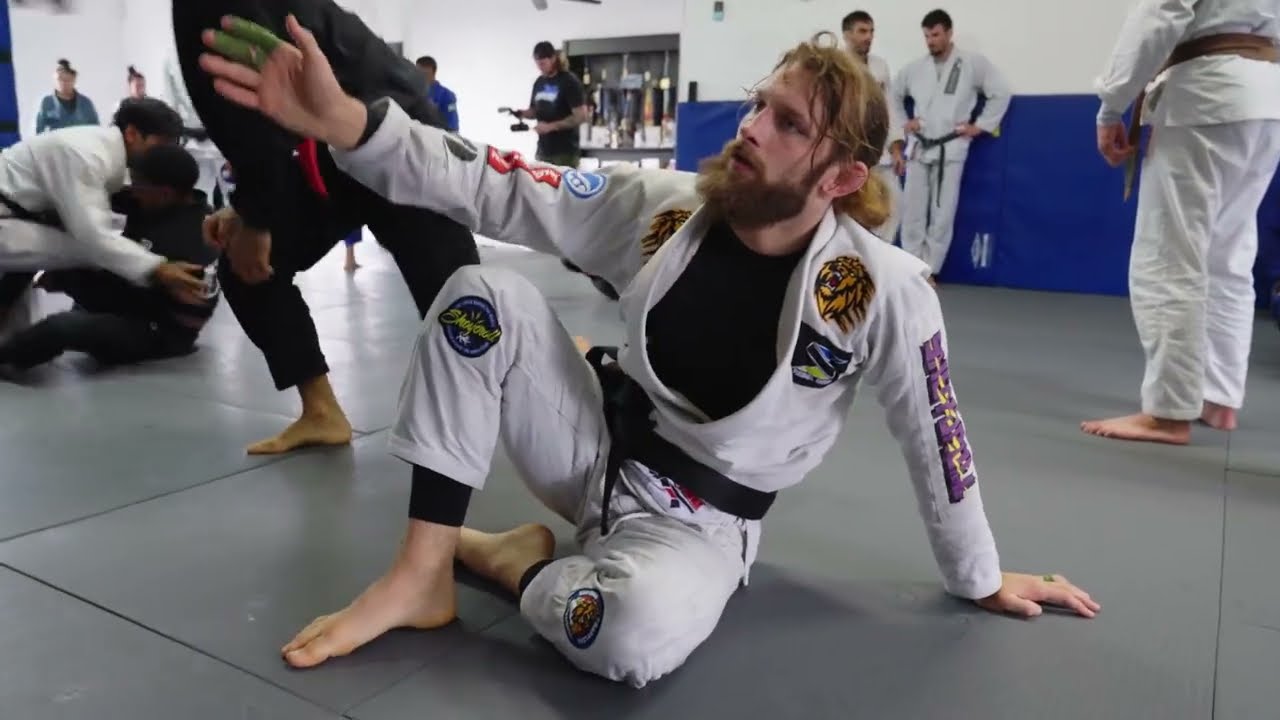
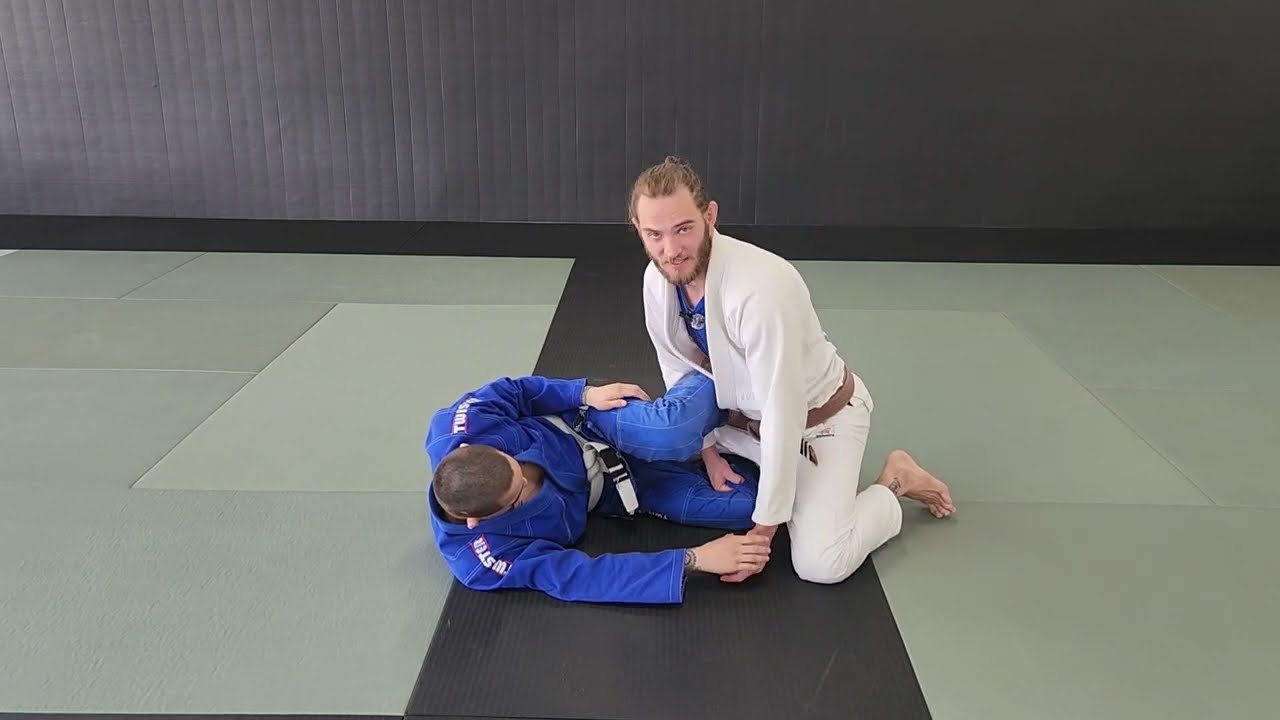
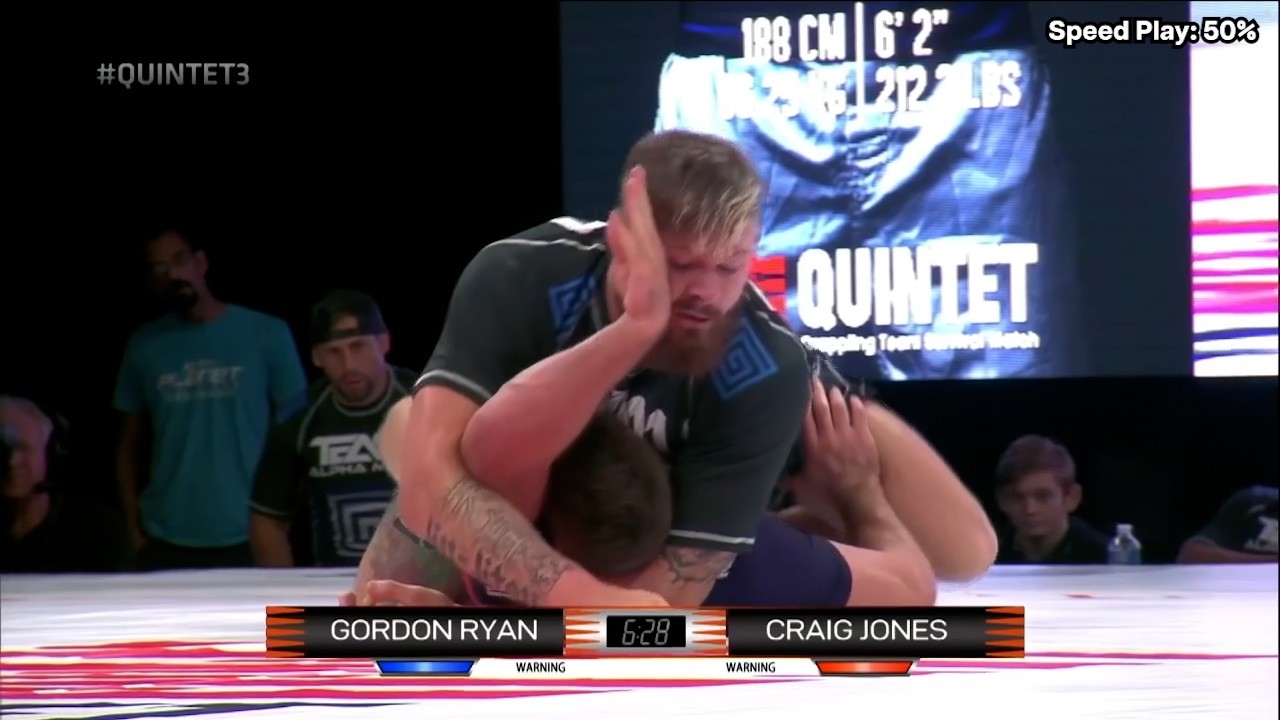
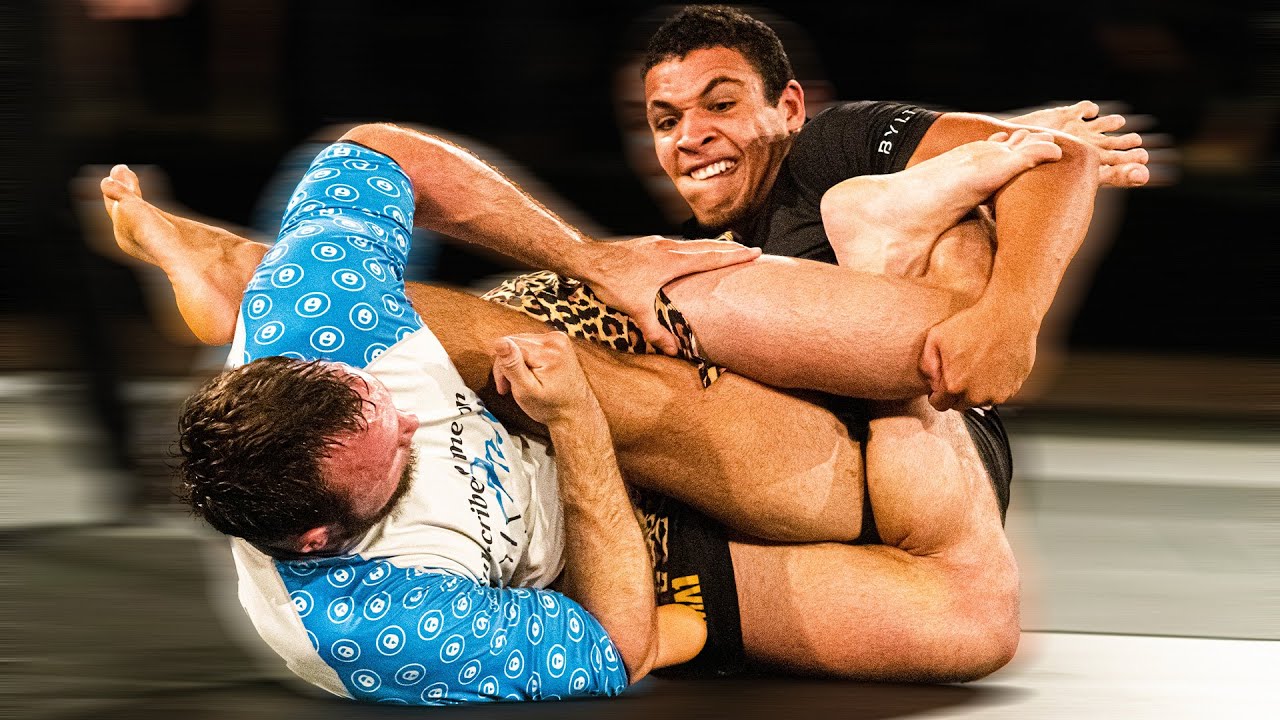
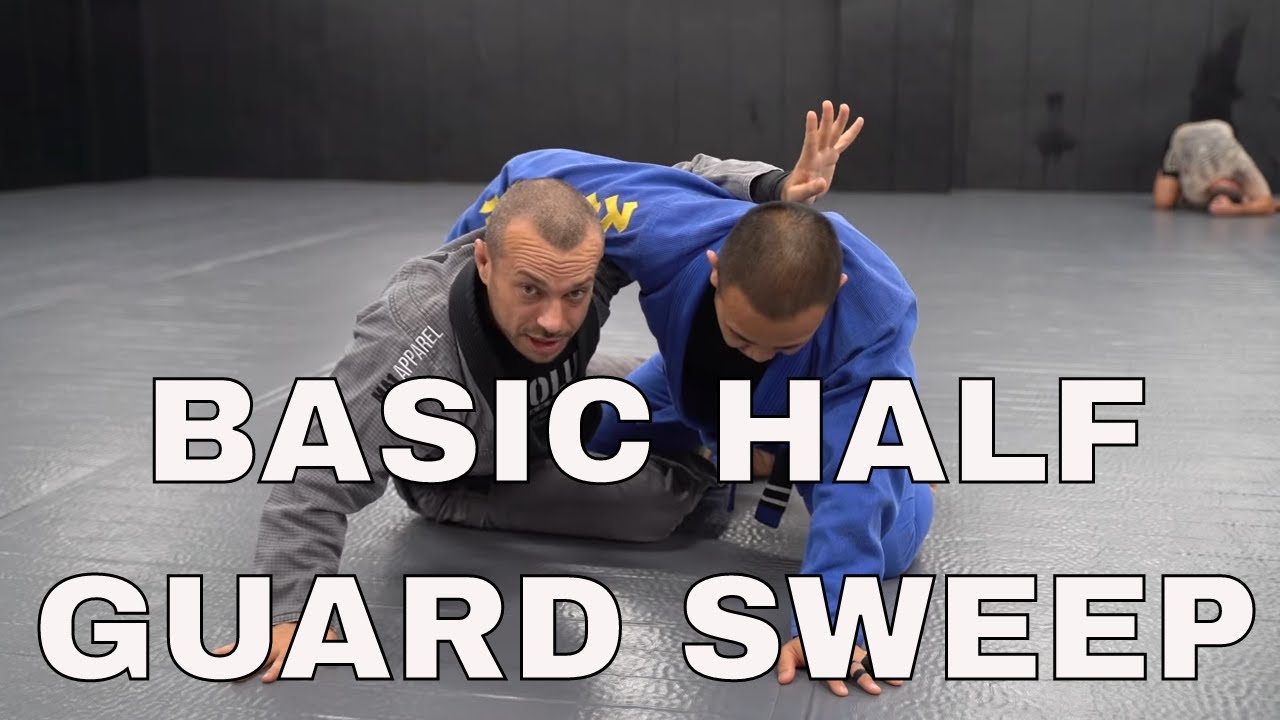
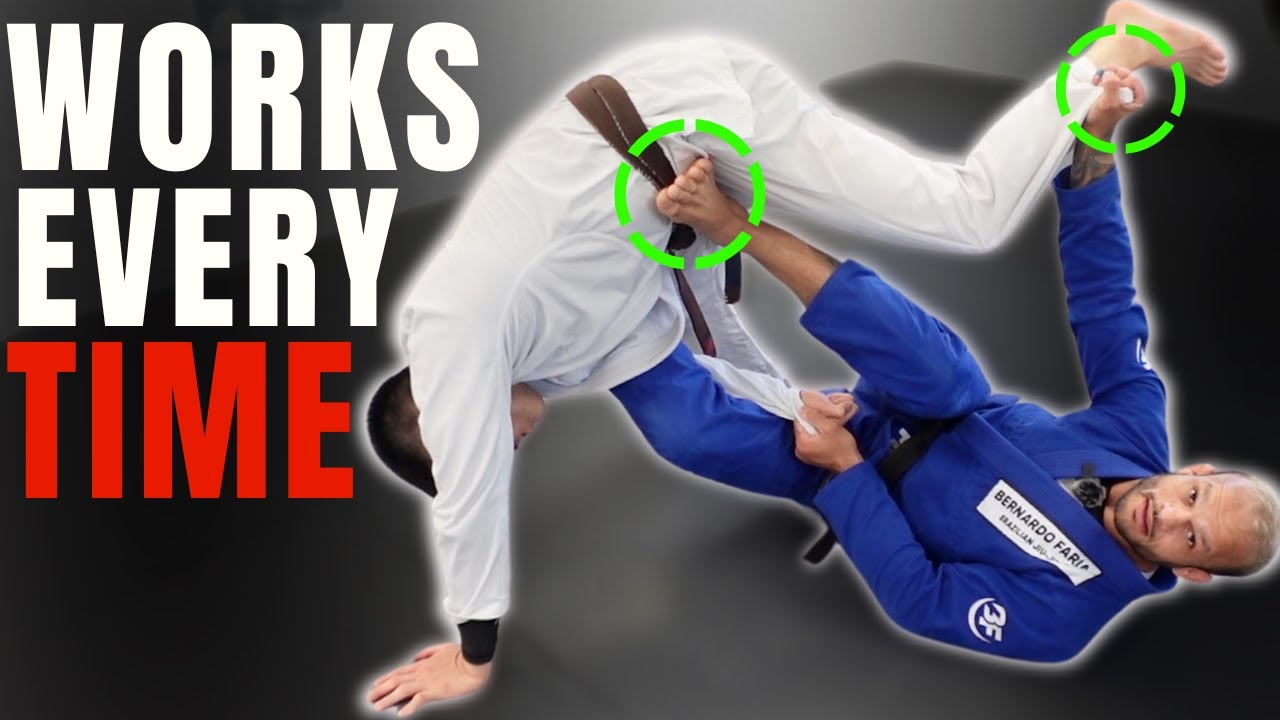
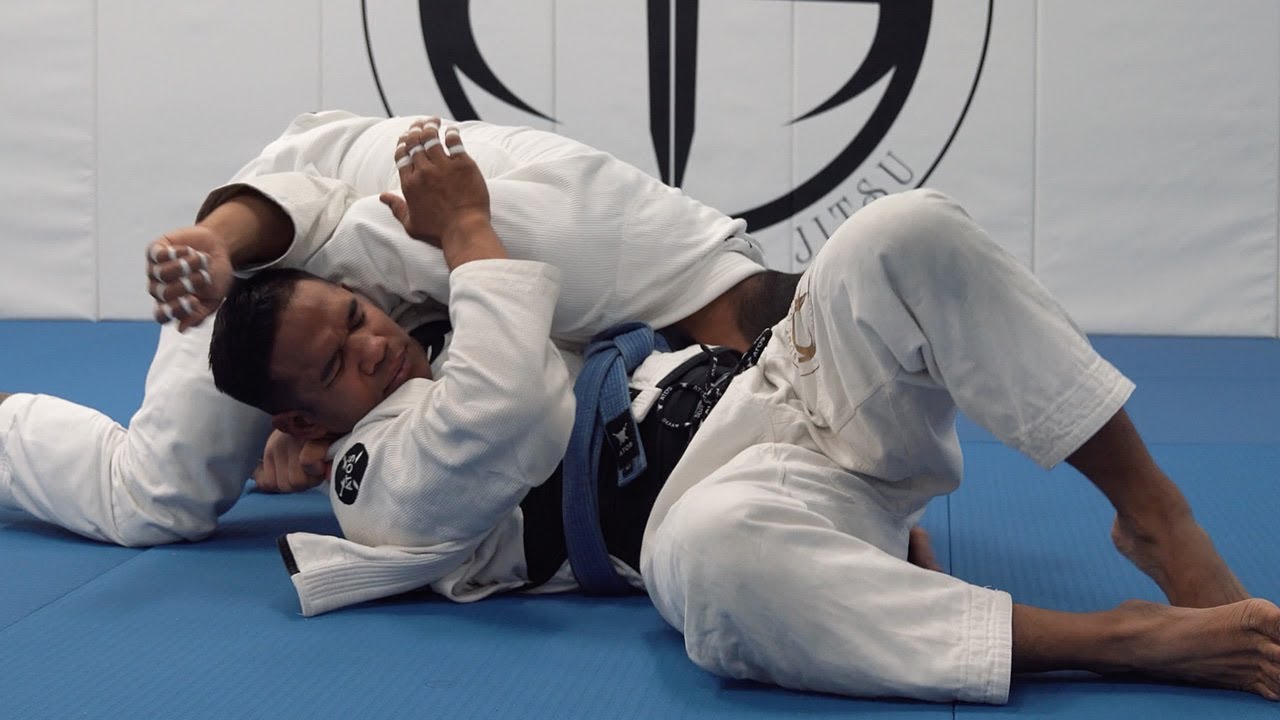
welcome to the ibjjf online rules course in this video we'll be going over sweeps before we start explaining sweeps it's very important to understand the concept of the guard position the guard is defined by the use of the legs to prevent The Athlete on top from reaching side control nor South position or any other control free from the opponent's legs in this video footage we show some of the most used guard positions to help clarify this concept a sweep is when the athlete on bottom uses any kind of guard to invert the position forcing the
opponent who was on top to now be on bottom for 3 seconds or more this counts as two points in this footage we show some examples of where sweep points are awarded even if the athlete gets to their feet and then manages to put the opponent down to the mats before 3 seconds of standing this is going to be considered a sweep and the athlete will score two points after 3 seconds of stabilization when a reverse triangle initiates from guard it will still be considered guard position if the athlete manages to get on top it
will be counted as a sweep and score two points on the other hand if the reverse triangle does not start from the guard it will not be counted for points as a sweep here is another way to score sweep points while the opponent is on all fours the athlete inverts the position controlling the opponent's back keeping at least one of the opponent's knees on the ground for at least 3 seconds during a movement if the athlete tries a different form of progression or submission the referee must wait for the end of the sequence if at
the end of the sequence the athlete finishes on top with back control and below the shoulder line two points and respective advantages must be awarded to show you how advantages are scored the referee may only award Advantage points once there is no longer a chance for the athlete to reach a point scoring position when the athlete attempts to sweep but does not hold the position for at least 3 seconds because the opponent fights out of the position and manages to get back on top when the athlete sweeps the opponent but the opponent fights to defend
ending out of bounds before 3 seconds of stabilization when the athlete attempts to come around the back but the opponent counters by standing up here are some situations where the athlete does not score any points or advantages the athlete who initiates the sweep movement but deliberately gives up top position in order to preserve a defensive Position will not be awarded an advantage for the sweep any sweep attempt that start starts and ends in a 50/50 guard situation will not be awarded advantages when the athlete gets the opponent to sit but the opponent recovers before the
athlete reaches top position when the athlete sweeps the opponent but Lands Beyond the safety area in a sweep movement when both athletes remain standing for less than three seconds and the opponent manages to throw the athlete back in the guard position here are some unique situations where the opponent can score takeown points from any position starting from the guard while in any position starting from the guard where the athletes remain on their feet for 3 seconds the combat shall then be considered standing combat in order to start the 3sec countdown one of the athletes must
have two feet on the ground and the opponent at least one foot on the ground without the knee of the opposite leg touching the mat both examples shown are where the opponent can score on the athlete the following scenario is the only case where the athlete will score two points and the opponent will be given one penalty when the opponent deliberately exits the match area to prevent the athlete from completing a sweep or a takedown if you have any more questions or concerns regarding sweeps visit ibjjf.org