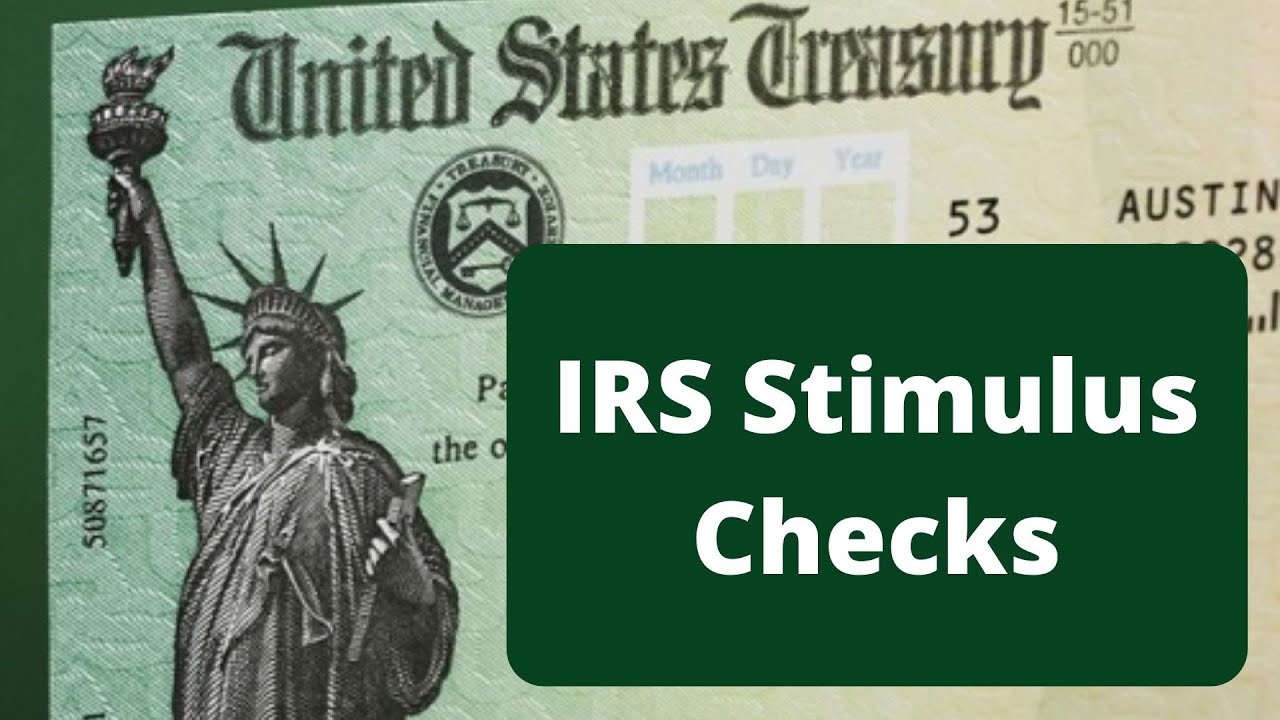
let's talk about the stimulus check as of today Monday April 6th the stimulus check money is supposed to go out next week by direct deposits let's see if it happens if you are on Social Security benefits if you are receiving SSDI or SSI Social Security benefit recipients you do not need to file a tax return the IRS has your information on file so they will get you your stimulus check money no tax return is required if you have not filed your 2018 or your 2019 tax return and you are not a recipients of Social Security
benefits then you need to file your tax return in order to receive your your stimulus check money or you need to register for the stimulus check money so I'm not being from that being sponsored to say this this is all over the news it's plastered everywhere TurboTax into a TurboTax is partnered with the IRS and they are creating and they've already created I'll leave the link below they've created a web page for you to register for your stimulus check money all you got to do is go to their website put in your information and you
are registered to get your stimulus check money this is if you have not filed your 2018 or 2019 tax return so if you do that you don't even need to file you a 2018 or 2019 tax return so there you go if you have filed your 2018 or your 2019 tax return 2018 and or 2019 tax return and you have not provided your banking information then that's a problem because they're gonna cut you a physical check for your stimulus check and that can take up to five months so what you want to do is input
your banking information with the IRS when they create their portal on the IRS website that's gonna launch late April or early May once they have that website ready go there and put your banking information again this is on the official IRS website do that so then you would get direct deposited your stimulus check money rather than you waiting up to five months to get your stimulus check the stimulus check is a tax rebate on your 2020 tax return therefore this stimulus check and the stimulus check money it's not taxable income and no the stimulus check
money is not in advance of your 2020 tax refund now I'm a tax guy so I'm gonna have to explain this and a lot of times I don't even intro I'm a CPA I'm a certified public accountants and I have my own tax practice so a lot of people are asking is this gonna reduce my refund that I get in 2020 no it's not this is this is how it works let's say that every year you get a two thousand dollar refund you've got a two thousand dollar refund last year you got two thousand I
refund this year and next year on your 2020 tax return that you're gonna complete in 2021 you're expecting a two thousand dollar tax return the tax refund on your tax return again if that's the case the $1,200 stimulus check that you're gonna receive it's not gonna reduce your $2,000 refund to eight hundred dollars so it's not like it's stealing from there it's not like it's reducing or chipping away at that refund instead it's more like you would get the $2,000 refund that you normally are accustomed to getting and on top you get an additional $1,200
and that additional $1,200 amounts is being advanced to you right now as your stimulus check so then when you go to file your 2020 tax return you would get the normal $2,000 refund that you're expecting as you are normally accustomed to getting I hope that makes sense this ties in with my next point if you do not receive that stimulus check or that stimulus check money for whatever reason it's not like you lose it's it's gonna be reflected on your 2020 tax return that you're gonna complete in early 2021 if that's the case then you'll
have that stimulus check money waiting for you on that tax return so it would just be built into your 2020 tax return you don't lose it it's just unfortunate that you'd have to wait that long to get that money because obviously you want the money now but you don't lose it it'll be there waiting for you on your 2020 tax return that you're gonna file in 2021 this brings her this this leads into my next point that if you get the stimulus check or the stimulus check money when you should not have because you're disqualified
you're gonna end up paying it back so how does this happen what do I mean the stimulus check whether you qualify or not is based on your 2019 tax return data let's say for 2019 you made too much money and you are disqualified however you did not file your 2019 tax return so the IRS they don't see that you're disqualified because you haven't filed your tax return so they're gonna look at your 2018 tax return and they're gonna say based off your income from 2018 if it's lower then they're gonna say okay you qualify they're
gonna cut you a check you're gonna get the stimulus check money when you go do your 2019 tax return and you file it the IRS is gonna know that oh woops we gave this person the stimulus check money based off to 2018 data but based off to 2019 data they don't qualify they're disqualified if that's the case in other words if you get the stimulus check money when you are disqualified then you should have never received it then you will be paying that back which is unfortunate on your 2020 tax return that you're gonna file
a year from now on in 2021 I think that's about it that should be my last video about the stimulus check because I'm stimulus checked out get it but I'm happy to close the book on this one and I'm looking forward to closing the books on the forgivable loans in the stimulus package Eadie the forgivable loan the Paycheck protection program the PPP loan and I'm looking forward to closing the books on the sick credits on the family leave credits and the employee retention credits we already have videos walking through all the details about that about
those but I'm looking forward to putting the finishing touches on each and every one of those programs thank you so much please stay safe and healthy please subscribe until next time take care