hi everyone welcome back to the processes from the project management body of knowledge this one we're looking at is an overview of project communications management now where does project communications management fit in the overall project management body of knowledge well as you can see uh it there's not really anything in our initiating section here but it's uh we've already been through our project scope we've been through planning our schedule we've been through planning our cost and then our quality and testing and also gathering and controlling any resources people or machinery or systems needed for our
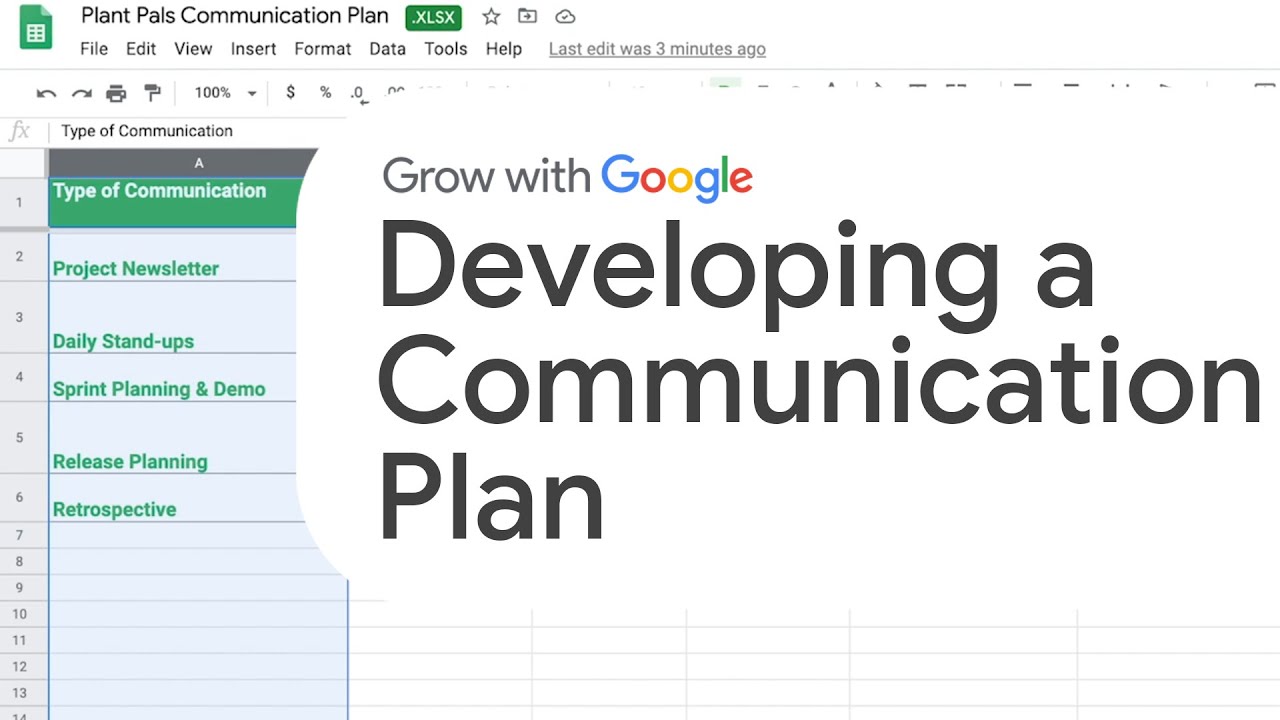
project as well and now it's time for us to plan and work through the communications of all of those elements now that we've created all of those elements now we can begin to plan out the communications manage and control the communications for our project these are the processes within project communications management so we've got planning our communications management which as you know is the first step for all of the the process groups and that's where we are just planning out the process for how how we're going to go about communicating to our stakeholders who is
involved how are we going to control it what's the framework behind it now then of course we've got managing the communications themselves physically doing them sending them communicating with our stakeholders and then keeping our communications on track making sure that communication is not causing any issues or if we're having issues with with stakeholder management and not bringing everyone on board for our project if things are going off track maybe we need to change the communication methods of our project to to assist in that and improving stakeholder relations so there are a lot of inputs tools
and techniques and outputs that you'll see we've got the project management plan as always and lots of project documents as well and of course we've got work performance data and reports that are going to need to be an input so that we can see whether our communications are working as we want them to now tools and techniques you'll see a few new ones so we've got communication technology skills and methods and of course different reports that we might see we've got other interpersonal things like interpersonal and team skills sometimes known as soft skills for your
project and these are really important things to hone over your project management career and then meetings to tie everything together which is a great and fast way to gather information from people or to disperse information across the project or your stakeholders in your project too now of course we've got things like project management plan updates maybe change requests that might come out of this if we need to make a change as usual and our communications management plan in how we're going to plan and and proceed with all of the communications within our project key concepts
for project communications management there are a few different ways that we can communicate so it can be done in written form so via email or letter or document or report can be spoken face to face or it can be over the phone in this case too formal or informal could be an sms or it could be a formal document or a letter or a formal request it could be through gestures now as well so through tone of voice if someone says uh yes i'm going to get that for you right away or if someone says
yes i'm going to get that right right away for you you know there's a bit of a difference there and we pick up that change in the gestures or even facial expressions so through media through pictures actions of course maybe memes or gifs as well so this is becoming more prominent we might need to be communicating through those methods and choice of words so sometimes the same word could express different ideas and we just have to be aware of those subtle differences in the meaning of each of these words and phrases of course project managers
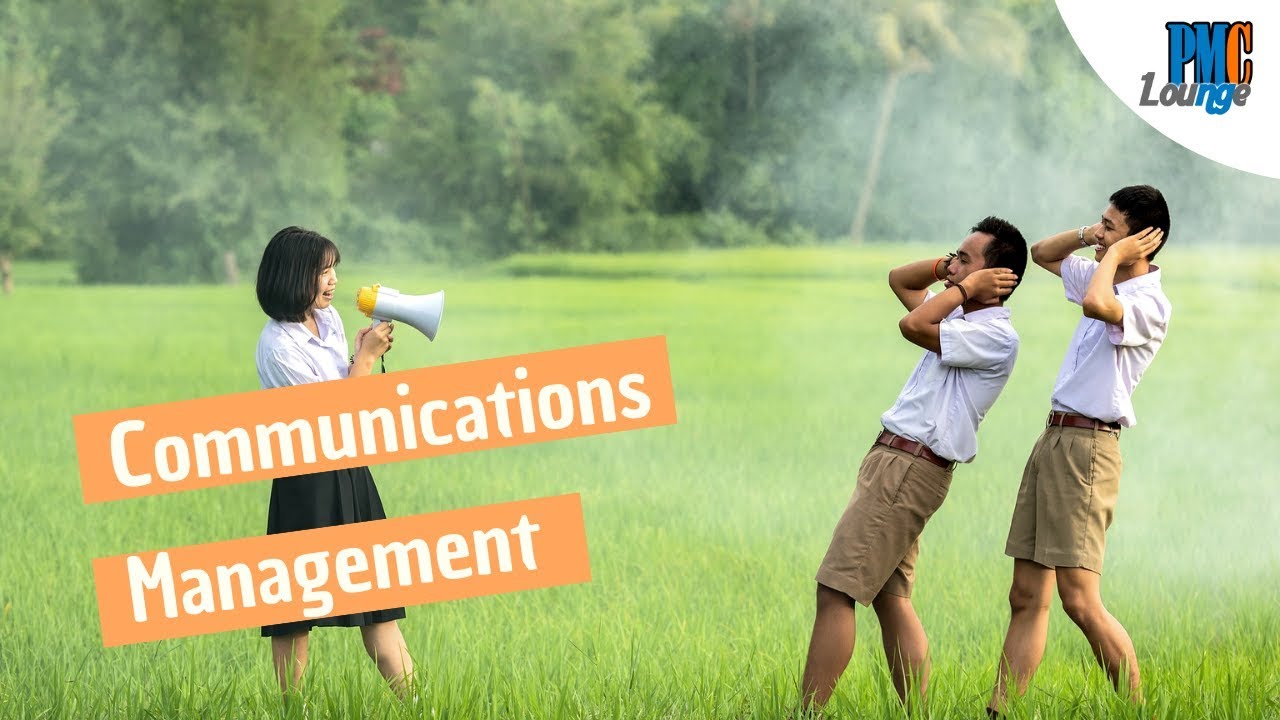
spend most of their time communicating in some way shape or form so community effective communication builds that bridge between a diverse range of stakeholders maybe you've got many different areas in an organization needing to come together in order to create the the deliverables for your project and they don't usually work together but it's your job as a project manager to help facilitate and communicate between all of those parties in an effective way communication activities can have many different dimensions as well we've got internal where we're focusing on stakeholders within the project and within the organization
external might be external customers vendors other projects or organizations maybe the government or public or environmental advocates we might have formal and informal methods as well so reports formal meetings meeting agendas and minute minutes might be formal or informal might be just general communications conversations by the water cooler that sort of thing all conversations amongst friends out of hours and that sort of thing other key concepts you'll see are hierarchical focuses so in other words are you communicating up to senior executives for example are you communicating across or horizontally to to just your peers so
these are your the people at the similar level to you within an organization and are you communicating downward as they say which is within the team that you're con currently controlling so the project team and so this is all the people who are contributing to the project work so that's what we're looking at when we're saying communicating upwards horizontally or downwards official reports might be seen reports to regulators or government bodies unofficial communications that focus on establishing and maintaining the profile or recognition of the project so just uh just building those unofficial conversations or communications
and there are written and oral of course so we might be saying something there might be body language and or you might be writing something and as they say you know the majority of what people pick up is through to voice tonation and also through expressions and body language the actual words themselves often account for just a small percentage i think around seven to ten percent of the actual communication and getting your point across misunderstandings can occur a lot when we're communicating as well so it's something that we have to work on for ourselves and
improve over time and also to be aware of but reducing misunderstandings can be done through use of the five c's so we've got correct grammar and spelling obviously that's going to help it's going to reduce any miscommunication concise so keeping it short and sweet where possible don't write a novel if you don't have to clear purpose so making sure you clearly have a purpose for what you're trying to express and an outcome not everyone does and then you know those are the times when people tend to go off on tangents or waffle on coherent and
logical flow of ideas based on that again really helps with a clear purpose and controlling the flow of words and ideas correctly so again not going off on on a rambling tangent if you can help it with a clear purpose and concise communication those two things will help you a lot the five c's are supported by things like listening actively so uh sort of confirming with someone that you are understanding what they're saying reflecting it back to them saying okay this is this is what i hear you're saying is that correct and then giving your
point of view as well having awareness of cultural or personal differences identifying setting and managing stakeholder expectations up front so maybe not letting expectations get too wild so that you don't have to rein it back in later on and of course enhancement of our own skills over time persuading people or teams or organizations to perform a certain weight or an action motivating people to do do the work coaching and improving negotiating between departments or projects or people to achieve mutually acceptable agreements between those parties and of course resolving conflict to prevent disruptive impacts to our
project so the fundamental attributes of effective communication activities and developing effective communication artifacts are clarity of the purpose understanding as much about the receiver so who you're communicating to so understanding as much about them as possible and then monitoring and measuring the effectiveness of those communications did you get your point across if not maybe we need to adjust our communication methods trends and emerging practices we'll see for project communications management there will be a lot more including stakeholders in our project reviews to bring them on the journey so we're we're much more into the whole
team approach now especially with the with the agile approach you'll see this a lot but we want everyone to come along on the journey and including everyone in those project reviews really can help with that stakeholder engagement inclusion of stakeholders in project meetings for the same reasons increased use of social computing so we might have slack or skype or even other social media channels that we can communicate through and of course there are multi-faceted approaches to communication because of that it might be messages it might be emails it might be on the phone it might
be face to face so there are many many many different ways and we need to be aware of them all tailoring considerations for project management for project communications management because each project is unique the project team will need to tailor the way the project communications management processes are applied so considerations might include the stakeholders that we have involved the physical location is everyone in the same place can we have daily stand-ups or do we need to have teleconferences for example are people in different time zones and that impacts the communications technology that we're going to
be using the language that we're going to be using as well and again comes down to formal or informal language as well as the cultural language that we're using and of course knowledge management how is everything gathered and placed into our project management knowledge information system and then how is it dispersed and shown to everyone as things change within our project considerations for agile or adaptive environments we might see projects with high levels of change in scope might need to communicate those evolving details more frequently and quickly so this results in things like the daily
stand up which is a short 15 minute usually 10 to 15 minute meeting to update the team on the progress of how you're going for a particular item and also to get help on anything that is blocked it also results in posting project artifacts in a transparent fashion so this is where our kanban board comes into play where we've got our activities or cards and they move across the board from input from the backlog to in progress all the way to done so everyone can see where we're up to at a given time and of
course regular demonstrations or stakeholder reviews once we have been through an iteration of two to four weeks and delivered hopefully a feature that we're a part of a feature that we're going to be putting into our project usually we would want to demonstrate that to our stakeholders and customers to make sure that they're happy with the outcome and that's again bringing everyone on the journey getting that feedback all of those different methods of communication that are really really important and that is the overview for project communications management as part of the project management body of
knowledge you