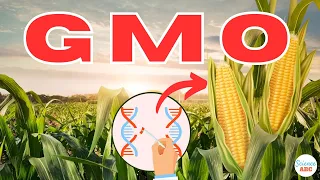
do you know what gmos are or what gm foods are are they useful or do they cause harm to us if you don't know the answer to these questions this is the right place for you in this video we will see what gmos and gm foods are and we will discuss their pros and cons gmo or the genetically modified organism is basically an organism that can be a plant an animal or even a microorganism that are modified genetically in a laboratory to add certain desired characteristics in them this is done when these desired characteristics are not present in them naturally this same technique is used to create genetically modified foods let's see how this is done the seeds of certain plants are genetically modified in the laboratory and then these seeds are grown nowadays a large number of crops including corn and soy are grown from genetically modified seeds according to data from the u. s department of agriculture around 90 percent of the soy corn and cotton grown in the united states are grown from genetically modified seeds that is definitely a huge amount so there's a huge chance that a lot of food products you use in your home are genetically modified well there's been a debate on the impact of these gm foods some researchers believe that these are safe and healthy while others believe that these cause harm to our health let's see the reason behind their opinions but the first question that comes to our mind is why do we need these gm foods when the crops or plants are grown in fields the farmers need to take care of the pests and heat and cold and irrigation and a lot of other things to grow good and healthy crops to make it easier gm seeds are made in a way that modifies the plants and provides them with increased resistance to pests and herbicides and even against drought cold and heat these changes can also increase the quality and size of the foods grown on these crops or increase certain nutrients such as protein or calcium sometimes these are used to increase the shelf life of foods so that it can be stored longer have you ever wondered how some watermelons and grapes don't have the seeds while others do these seedless foods are the result of genetic modification of their plants these genetic modifications are really beneficial especially in certain remote areas where people don't have access to sufficient or nutrient-rich food gm foods with increased nutrients and increased shelf life can be transported to these remote areas and thus help to feed people living there the facts presented thus far make you believe that gm foods are so useful and having positive impact that's definitely true but it has some cons as well a lot of researchers believe that these foods are not as safe as natural foods they can lead to certain allergies resistance to certain antibiotics and even cancer let's see the reason behind these opinions in the last decade the incidence of food allergies in the us has increased a lot according to the centers for disease control and prevention the incidences of food allergies in people below the age of 18 years has increased from 3. 4 percent in the late 90s to 5.
1 percent around 2010. the researchers believe that gm foods are the cause of this increase but there is no evidence behind this some other researchers believe that transferring proteins from one plant to the other causes the problem as foreign proteins are considered a cause of allergic reactions one example of this is the gm soybean that was modified in the mid 1990s to have the proteins of brazilian nuts due to this a lot of people that had an allergy to brazilian nuts got an allergy to these soybeans so the sale of these gm soybeans was stopped after this the food and agriculture organization of the united nations and world health organization made certain protocols to test gm foods before selling them to consumers to ensure that these foods are safe for use this helped to solve this issue and increase the use of gm crops the modification of seeds using antibiotic resistant genes is also to believe to be the cause of increased antibiotic resistance developed in people however just like the previous belief scientifically proving this connection is difficult in 2013 a research paper stated that roundup tolerant gm corn which are basically tolerant to a glyphosate herbicide name roundup have caused cancer in lab rats later on this was proven wrong as the researchers used very few rats and some were already cancer-prone to understand the long-term impact of gm foods a lot more research is still needed in europe gm foods are required to be labeled g modified but currently this is not done in the us so if you're living in the u.