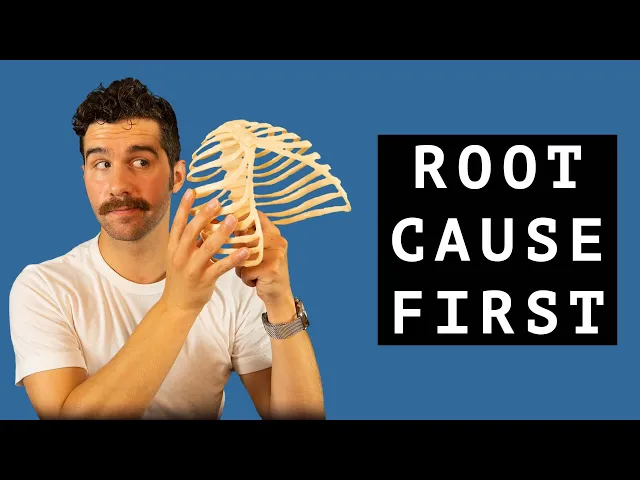
and so what we feel is the need to stretch or strengthen in order to maintain position in space usually if we go to the root cause first which is the diaphragm position structure and function we can actually reorient the body in a way where we alleviate some of these discrepancies so we want to go to the root cause first and then do the work to maintain that position once we've alleviated that root cause so most people think that the reason that their alignment is out of whack is due to tight and weak muscles and so
with this comes the conventional wisdom to stretch and strengthen and then we have variable results so some people get good results with that while many others end up feeling stuck like they can't make any headway with their alignment-based goals and if we just dig a little bit deeper we'll see that the biggest reason for this is an incomplete concept of what actually causes these issues in the first place so we're going to dig a little bit deeper in this video and we're going to talk a little bit about the diaphragm and how the diaphragm function
and structure can actually play into some of these alignment-based issues and how if we address the diaphragm and its function and structure we can actually get more meaningful and faster results so without further ado let's jump right into the video so when talking about the diaphragm it'd be pretty uncontroversial to say that this is probably the most important skeletal muscle in the entire body because if your diaphragm's not working you literally die now obviously the diaphragm is really important for survival but we don't often think of it as being important for alignment and posture however
if we dig a little bit deeper and we look into anatomical studies we'll find that the diaphragm is actually asymmetrical in structure and then if you look at any chest x-ray you'll often see that the position of the diaphragm can be asymmetrical and thus we can infer that the function of the diaphragm is often asymmetrical now when we look at the attachments of the diaphragm we have a rib portion and then we have a spine portion and so if you have one side of the diaphragm that's in one position and the other side that's in
a different position the pull both on the ribs and the spine will be different so if this asymmetrical function and position is happening perpetually over time what we can see is that there can be a twist in the spine and the ribs it'll often be associated with alignment-based issues such as scoliosis so when we get this change in position that's related to the asymmetrical diaphragm structure and function what we ultimately get is a change of the orientation of muscles and a change of the center of mass so we have certain muscles that are being loaded
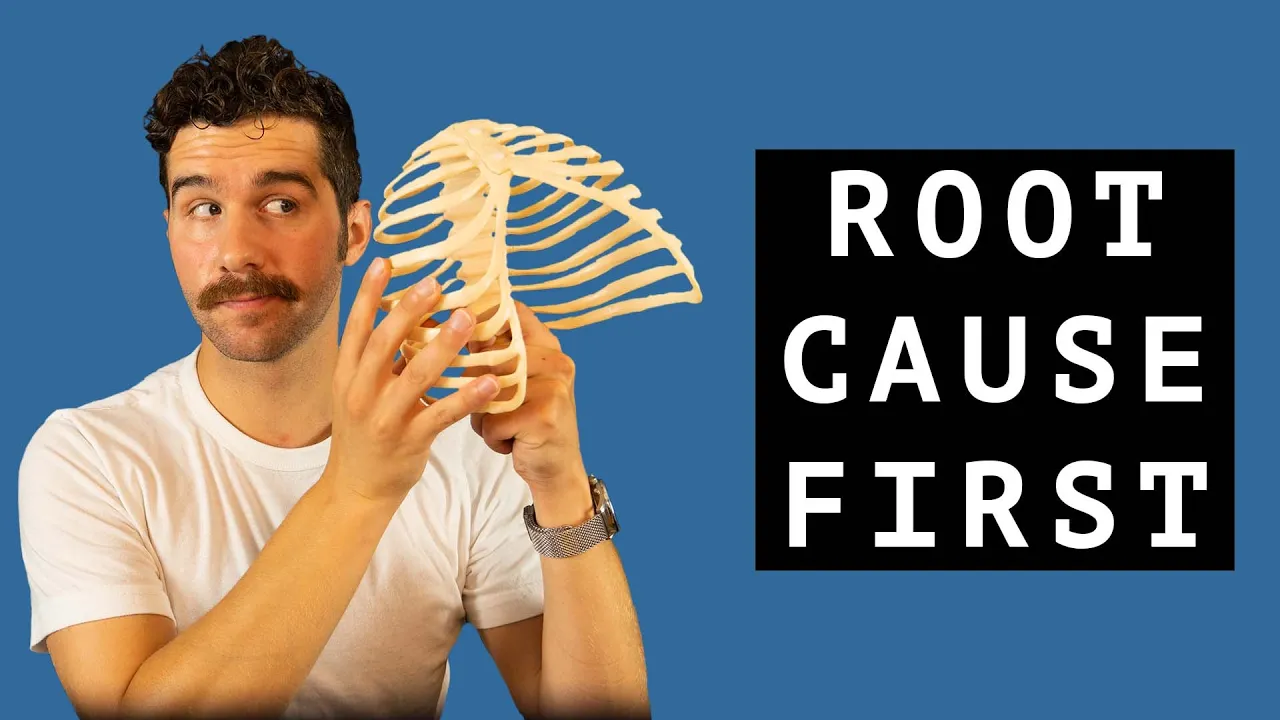
more than others and certain ones that are being unloaded then we have certain muscles that are behaving more short certain muscles that are behaving more long and so what we feel is the need to stretch or strengthen in order to maintain position in space and while over time that might be the case if this is really a chronic situation usually if we go to the root cause first which is the diaphragm position structure and function we can actually reorient the body in a way where we alleviate some of these discrepancies so we want to go
to the root cause first and then see what we're left with after that and then do the work to maintain that position once we've alleviated that root cause now the first time that i learned about this was during postural restoration institute classes and they talk a lot about the position of the right and the left hemidiaphragms and so we really have two sides that are quite different so the left is a bit smaller and the right is a bit bigger the attachment of the central tendon that pulls on the diaphragm is a little bit off-center
and then we have different organs that sit below and on top of the left and right sides respectively so on the left side we have a heart that sits on top of that diaphragm and on the right side we have a liver that sits down below and so what this means is as we take our breath in the ability of the right diaphragm to descend as we inhale is a little bit less than the left side and so what you'll often see is the left hemidiaphragm resting a little bit lower than the right side and
so it's really hard to inhale and push that liver and all the guts down on that right side so the most easy way that we can actually get a symmetrical position of the diaphragm is by doing a full exhale because in a full exhale the diaphragm is going to raise and it's going to ascend into that domed relaxed position and so if we do that we can actually get that left side to come up to the right side that alleviates the twist in the spine and in the ribs so this might seem pretty simple but
actually we're going to have to change the strategy that we use based on the needs of the individual so some people have a structure and behavior in terms of how they're using their body where they're using excessive superficial musculature and so if we use a high resistance technique such as a balloon or blowing through a pinhole straw they're actually going to recruit excessive superficial musculature and they won't get the shape change that they need in the rib cage and they won't get the diaphragm to ascend back up into that rested position so these individuals need
to use something more like an open relaxed side kind of breath that would be kind of like this and they would focus a little bit more on the duration rather than the intensity now there are other individuals who will actually require a little bit more of an aggressive exhalation strategy in order to move the ribcage but what you want to be careful of is assessing whether or not you're getting the change that you want which actually can be quite hard to do because after all we really can't see the position of the diaphragm now if
you're wondering how can i tell if i've achieved the correct position of the diaphragm what you want to look for is you want to look for symmetry in the movement of the lower ribcage so this area of the ribcage is the most movable and so upon a full exhalation what you should see is that the lower ribs actually come together so if we're starting out in this position and then we do a nice full exhale you're going to see the ribs move down and together as we inhale you should see symmetrical movement outward like this
now we have an asymmetrical diaphragm position what we typically have is we typically have a left rib flare so we have a left side sticking up and we have a right side relatively down so under those circumstances on your full exhale you'd want to see this left side come back down to look more like the right then on the inhale you'd want to see them both move out rather symmetrically now a way to train this movement a little bit is to work on alternating exhalation and inhalation so what you would do is you'd exhale fully
first to get the symmetrical position of the diaphragm then you try to keep a little tension in the abdominals of one side as you inhale and allow the other side to open then you exhale keep a little tension on this side and then allow the other side to open and that way you can practice descending and ascending each side of the diaphragm and biasing a little bit more of that asymmetrical function and this can help you restore some of the movement of either side of that lower rib cage so to recap here your first step
in starting to reduce this asymmetry from the inside that happens in the diaphragm is to get your full exhale this is going to help that diaphragm ascend usually on that left side because that will tend to be a little bit lower once you have that in a more symmetrical position then you can practice those alternating inhalations and exhalations coordinating the diaphragm in the abdominals and then to expand on that later you can start to incorporate sense of the movement of the pelvic diaphragm as well but that's a topic for another video so thanks a lot
for watching this video if you have any questions leave them down below in the comments if you haven't already subscribe to the channel like this video and until next time peace