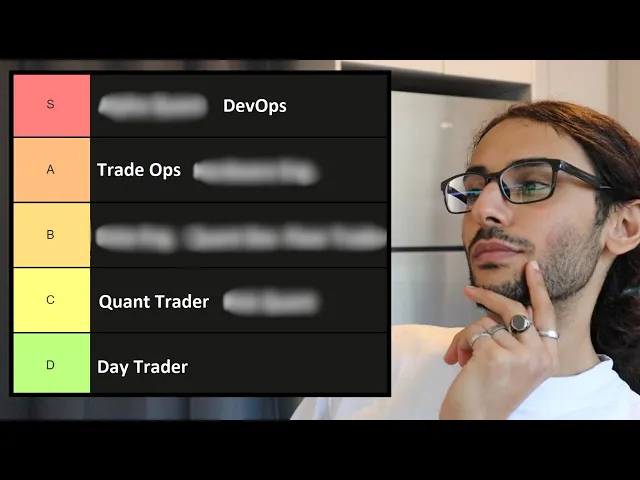
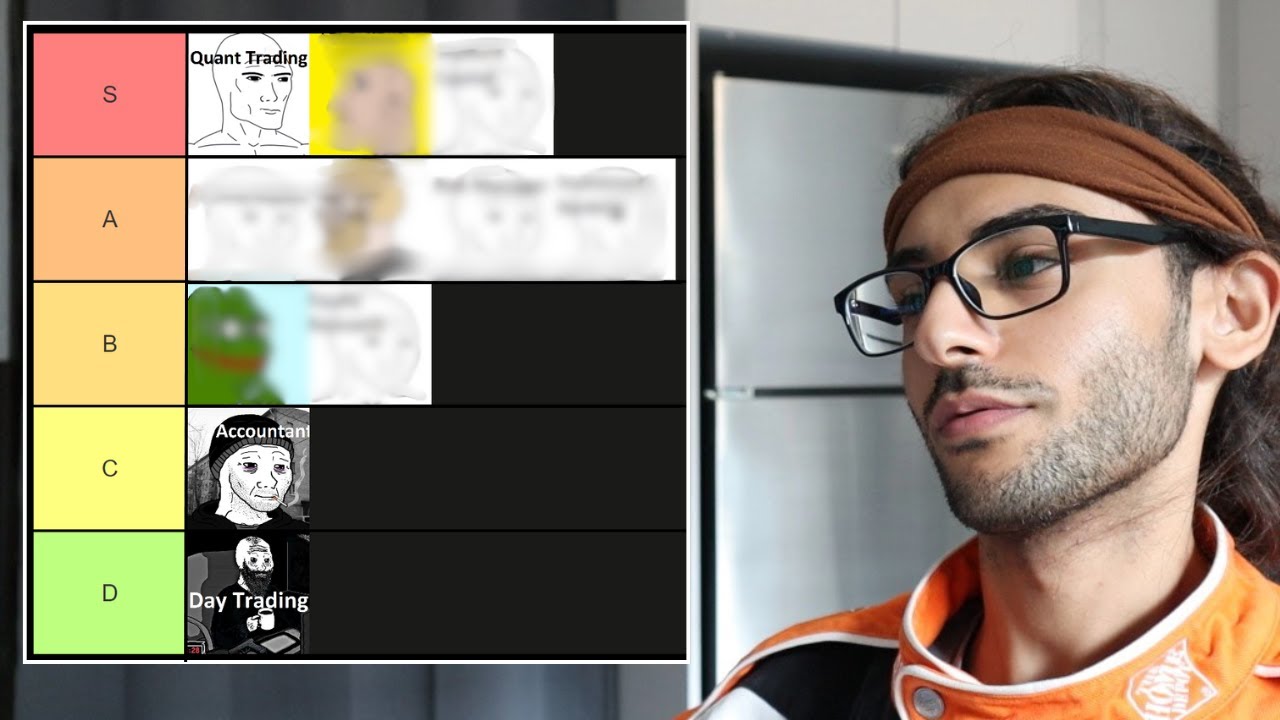
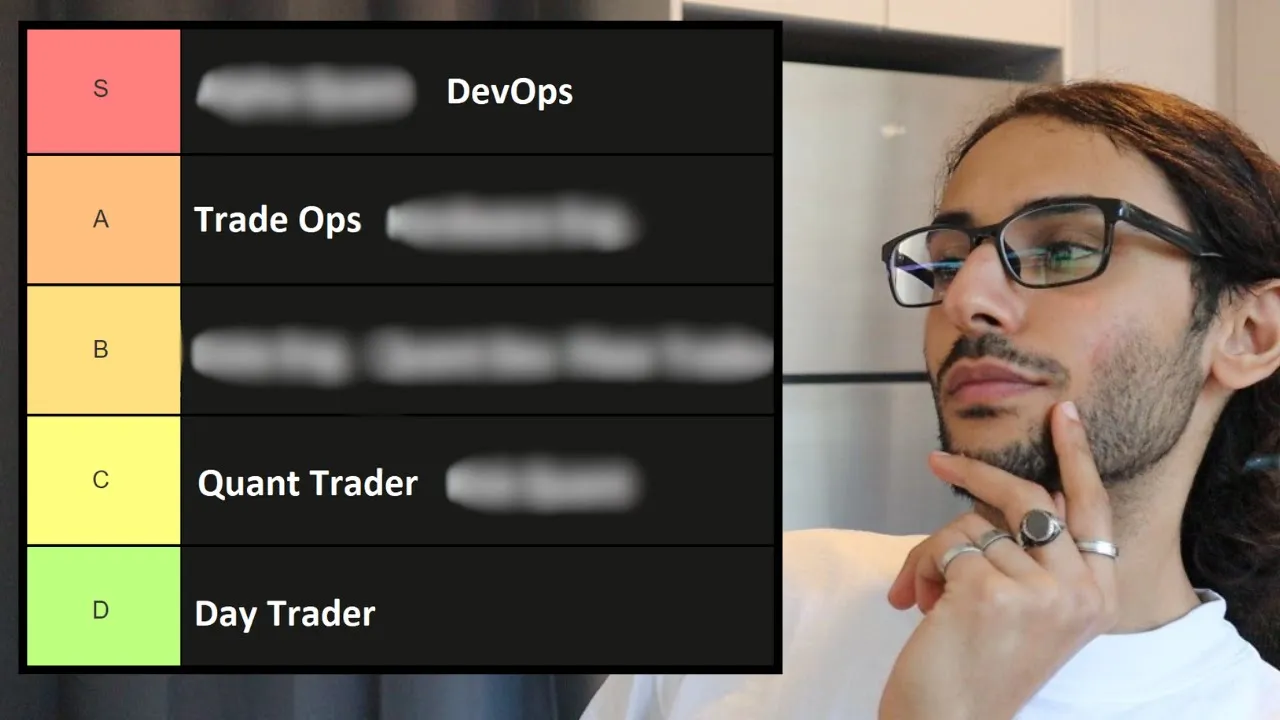
what is up guys coding Jesus here guys in today's video I'm going to be making a tier list of all the roles in quantitative trading now let me actually caveat that when I say all I mean all the roles that people are interested in that can fit in a 20-minute video okay these are the careers that I will be ranking I'm going to be ranking data engineer Alpha Quant Hardware engineer Floor Trader Quant Dev Quant Trader risk Quant uh devops and trade Ops okay and and so let's get into it I'm going to be starting
with the role that I actually know the least about and that is Hardware engineer surprisingly and my general understanding of a hardware engineer is you're working to accelerate the network infrastructure and trading components at the firm with Hardware so high speared Hardware Designs so you might be working with thirdparty vendors when it comes to most likely things like fpgas you're going to be working on building out that hardware inhouse and making sure that you know servers that are uh executing trades are running on You Know The Cutting Edge in latest technology you're obviously going to
be working with software Engineers Traders infrastructure engineers and integrating a lot of those low latency techniques um into the actual trading infrastructure themselves so you're going to be identifying those opportunities and making sure that you can capitalize on them using Hardware in general if you do a good job people shouldn't really hear about you because you're working behind the scenes and the work that you've done is kind of abstracted away from software developers they don't need to do anything to on board your work per se I'm going to put Hardware engineer I guess I can
say I'm going to put it at B tier um B is average uh I've only put it there because I'm not sure that it really stands out from the other rules here but if you're a hardware engineer and you know you want to you a different opinion go ahead and leave it in the comment section below I'm really interested to hear what you have to say all right now let's talk about a data engineer all right data engineer focuses on primarily capturing cleaning storing and making available data from both external and internal sources so you're
going to be working with Traders researchers to find out what data sets they need and making sure that you can analyze those data sets whether that's live or you're doing some sort of batch processing uh generating a history uh or using a history of data to insert it into some database or using some sort of streaming based approach where you're building a feed Handler to capture that real-time data you're really going to be working with quants the most because you're going to be working on continuously improve making sure that they can improve and iterate on
their research Frameworks and and allow them to scale by being able to consume an arbitrary amount of large data without necessarily sacrificing performance you need to be performant and how you store that data and how you allow them to query that data a lot of it also is kind of understanding the requirements like what does the business need right what sort of data do they need to be able to uh perform um and you're going to be developing those kind of like ETL pipeline Frameworks where you're going to be extracting transferring loading uh cleaning the
data normalizing the data you're going to be working with data for thousands of different Financial products and instruments you're going to need to normalize that data in a way that everybody can consume um and you're most likely going to be working with databases that are both on premise and in the cloud so you're going to need to know both like AWS S3 buckets or whatever that you know that is and you know the whole MySQL Cassandra stuff um the reason I say whatever that is for S3 is because most data stored on Prem you're most
likely going to be storing data both on premise and in Cloud so you're going to need to work you're going to need to be familiar with you're most likely going to be storing data both on premise in databases like mongodb Cassandra you know more structured data like my SQL Etc and in the cloud so thinking about Amazon S3 buckets Etc so that's what you're going to need to be to be familiar with I'm going to put data engineer um as a tier I mean it's high stress uh in a sense because data is the lifeblood
of the organization it's like the modern oil of today but at the same time you're paid well it's rewarding work it's interesting work you're working with a lot of different interesting cool people on data that's actually going to be used to make meaningful trading decisions and make the the for money hopefully cool now let's talk about Alpha Quant so when people think of Quant they think of Quant researcher and I decided to split up Quant into two portions because there really is kind of two different distinctions there's Alpha Quant and then there's a risk Quant
like let's talk about Alpha Quant first so these are the people that are focused on generating volatility and statistical models these are the very very heavy math guys developing sharp maximizing strategies parameterizing the system building back testing Frameworks working a lot with python libraries like pytorch pandas tensorflow numpy CPI mat plot lib um they may or may not work on machine learning depending on the size and scope of the organization um and so for example you know you might see something like machine learning research engineer you might think that's a software engineer that's actually probably
more likely an alpha Quant okay these people come from backgrounds that are heavily math-based uh when it comes to schooling Bachelors at least but you know on the junior level but as you move up you can expect Masters or phds in mathematics or statistics um I would put these guys as a tier actually s tier um what am I thinking s tier these guys really drive the profit and loss of the organization there's a lot of firms that espe in the smaller sizes that really specialize in Market making strategies kind of like the bread and
butter cookie cutter strategies but as you move to the higher levels or not per say higher levels but because there are a lot of smaller firms that do have very high level people in them that's not what I'm referring to when you move up to larger firms that have more money to throw around and more money to lose per se on more Cutting Edge strategies and strategies that might be a little more outside the box that's where you start seeing kind of alpha Quant shine and that's where you start seeing people making tons of money
in terms of bonuses because they have this pot of money that they can play with and they're looking to implement strategies alongside Traders they're driving those strategies they looking to implement them alongside traders to make make that pot of gold okay the next thing I'm going to skip a couple of these first I'm going to talk about risk Quant because we're already talking about the quantitative uh research side so like I said this is kind of like a secondary category of of Quant research these are usually people that are focused on risk models so I'm
going to throw risk management into risk want now I know that risk management in theory is a separate division but like I said guys I don't want this video to be like 30 minutes where I'm talking about every different subcategory risk management risk quants I'm going to throw them in here they kind of speak the same language anyways these are people that generate the risk models revolving around Concepts like value at risk the Greeks what if scenario analysis risk limits option pricing Etc they don't per se work on strategy development but they can if kind
of like an alpha Quant wants them to collaborate um these guys are often you know writing custom dat boards testing out different risk Frameworks that they'd like the organization to adopt and if those dashboards are kind of approved and used heavily by Traders then they may become approved to be productionize at scale so they might work with a quantitative developer to or a software engineer to go ahead and and kind of push those into production on a more broader and scalable fashion um these guys are oftentimes working a lot with the data that's stored by
data Engineers uh yeah Alpha quants are but you know a lot of the risk the trading related data that's stored in the data Lake these risk quants are are are working there so I'm going to put risk quants in a tier um you get paid I guess a good amount for what you do but it's not per se as lucrative as the guys that are really driving the um strategy development risk quants are working with research that's already well founded so option pricing models but they're not really working on kind of the tip of the
spear research or developing their own research per se all right okay now let's talk about Floor Trader so this is something that people probably aren't that familiar with in the world of quantitative trading in the world of Quant trading you have people that are you know working in the organization in their offices that are trading on their 12 monitors with all these different risk tools and applications and order entry gateways and getting fed all this massaged Market data in ways that will allow them to make better trading decisions there are also people on the floor
so for example in sio's SPX pit right so they're consuming realtime information they might have like a tablet that's hooked up to whatever firm systems that's displaying accurate pricing for them and they're making on the floor decisions to buy and sell certain pit traded products they um analyze the importance of floor Q information they act as intermediaries between the trading team and the exchange as a Floor Trader and they're doing a lot of like flow coordination so you'll often you know here if you're in the office here the FL the Floor Trader speaking with the
Quant Trader in the office talking about certain uh trades that they're going to execute and obviously because they're executing trades on the floor they're responsible for reporting you know profit and loss results making sure that their trades are booked um and pretty much exactly that so these are the guys that are kind of the more old school type of Traders you'll often notice that Floor Traders might be a little older in general like when I went and visited the pit and sibo I didn't really see like 23 year olds usually people that were like 30
40 50 maybe even older 60 years old you see a lot of people with like poker chips beside their desk it's a really really really cool environment if I find a video of that SPX floor and in my phone I'll make sure to put it overlaying this video as well cool I'm going to put Floor Trader as B tier now why is it B tier as opposed to a tier well the amount of career opportunities in the world of floor trading is diminishing so it's becoming less and less prevalent a lot of exchanges are closing
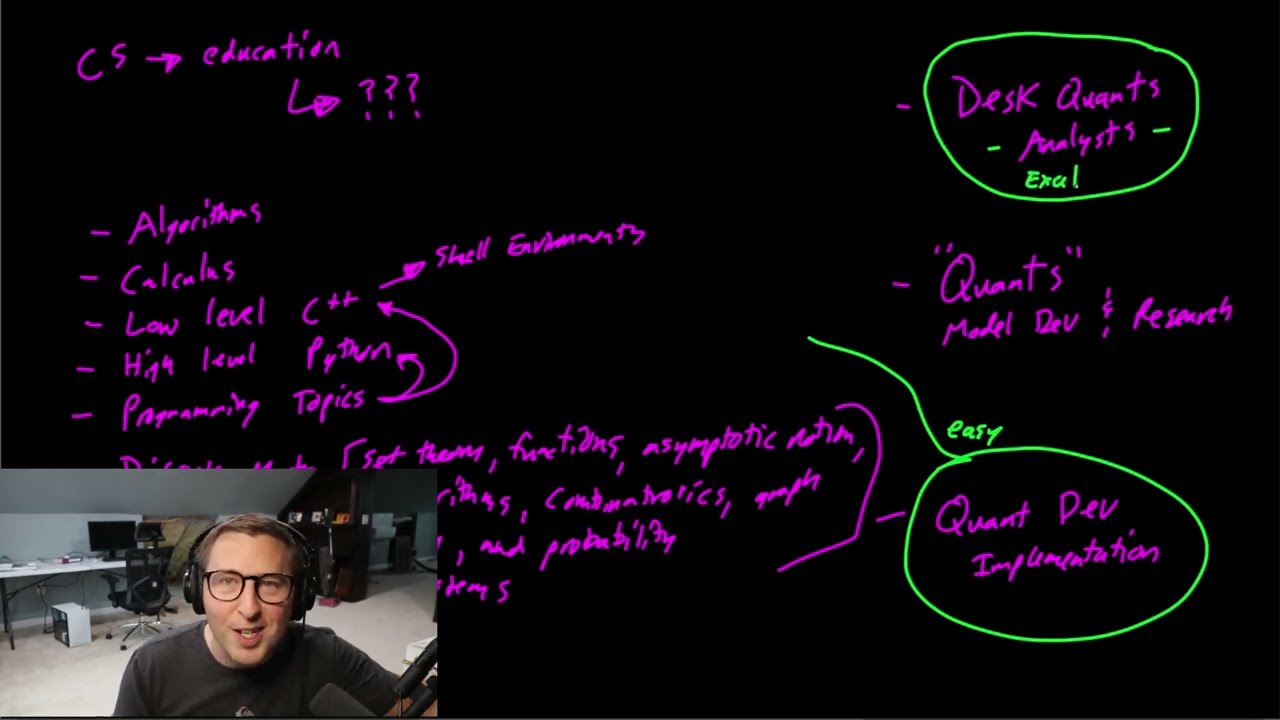
their floor trading pits and they're really just kind of like remaining as really a relic of old trading um and so you're not going to be seeing Floor Traders trading a lot of products they're going to be trading specialized products on exchanges that have a specialized pit for that product now let's talk about quantitative development so quantitative development SL software engineering I'm going to kind of group the two together these are the people that are responsible for delivering distributed asynchronous architectural Solutions um alongside researchers and Traders to help generate retain and mitigate pnl loss okay
so this category is quite General um these are pretty much software Engineers people that might be working in Python C C++ Etc and your goal is to build robust risk systems robust order entry systems uh robust Market data capture systems you might work alongside a data engineer for something like that and you'll most likely um be working on a wide range of tooling okay anything from monitor tooling that focuses on internal Dev tooling pipeline development um application Health monitoring to like I said order entry um post trade analysis per se alongside another quantitative Trader so
there's going to be a lot of collaboration and cooperation here but in general it's writing code to deliver solutions that can help generate money for the firm when you start off as kind of like the level one introductory Junior quand Dev what you'll really be focusing on is probably solving bugs here and there becoming more familiar with certain applications in the organization working on internal Dev tooling but as you grow you'll be responsible for more critical applications you might move into maybe trade Ops space which we'll talk about in a second you might move into
risk applications that you can literally spend years on you might work on order entry applications that are responsible for submitting orders on the very um safe side when like click orders or you might be on the more uh risky algorithmic side where there is literally no Trader intervention if an entire algorithm that's working purely based off code so that's kind of like the more risky form of order entry um and then you might be working on like Market data ingestion Etc alongside another engineer a data engineer depending on the resource allocation of the firm I'm
going to put a Quant Dev at a tier you paid a lot you work on complex issues with really interesting people and um I've made tons of videos on Quant Dev so I'm just going to leave it there okay Quant Trader so Quant Trader is kind of a large category like Quant Dev in the sense that software engineering is a very wide industry you can there's a lot of people that can code in many different languages there's people in Quant Dev that work on front end people in Quant Dev that work on backend like likewise
in the Quant trading space you have Futures Traders options Traders single stock equities Traders literally people that only trade Tesla options for the past three years okay Equity index Traders the way that I kind of look at Quant Traders is if you're thinking about a ship and quantitative researchers are The Navigators of the ship they're looking at they're using their compasses they're looking through whatever those telescopy thingies are and they're looking for new ground right new strategies new places to go ahead and explore the actual crew of the ship are the Quant trators they man
the Cannons they catch the fish they explore foreign land for Treasure there might be a foreign Island that you might think is uninhabited but there's actually a wild rabid tribe there that they need to combat okay so that's what the Quant Traders are doing now now often times their work is split between manual trading and automated execution so they're kind of like Manning the tools that are given to them kind of like in a spaceship really their key and primary goal is to grow maintain and discover new revenue streams for the organization the way that
the Quant trading space usually operates is that it's usually partitioned by desks so there's the gold desk equities desk uh water Futures desk the Delta one team all right so it's it's it's really by category like Futures versus options and at the same time by Pro like gold versus natural gas okay so they're responsible for managing the inventory of the desk of the portfolio of the individual strategy that they're executing under the supervision of a senior Trader or a desk head and they're responsible for making those critical real-time decisions all right so they're really focused
on bettering the long-term viability of a given strategy or portfolio or desk and making sure that that portfolio or desk is more competitive in the space some of these guys will also work with quantive researchers especially the more code inclined quantitative Traders and they will perform more like forensic on like post trade analysis or um retained Edge so obviously you make a trade you might make $2 on the trade for example and you want to make sure that $2 becomes $4 so retained Edge is what percent of that edge did I capture actually remains with
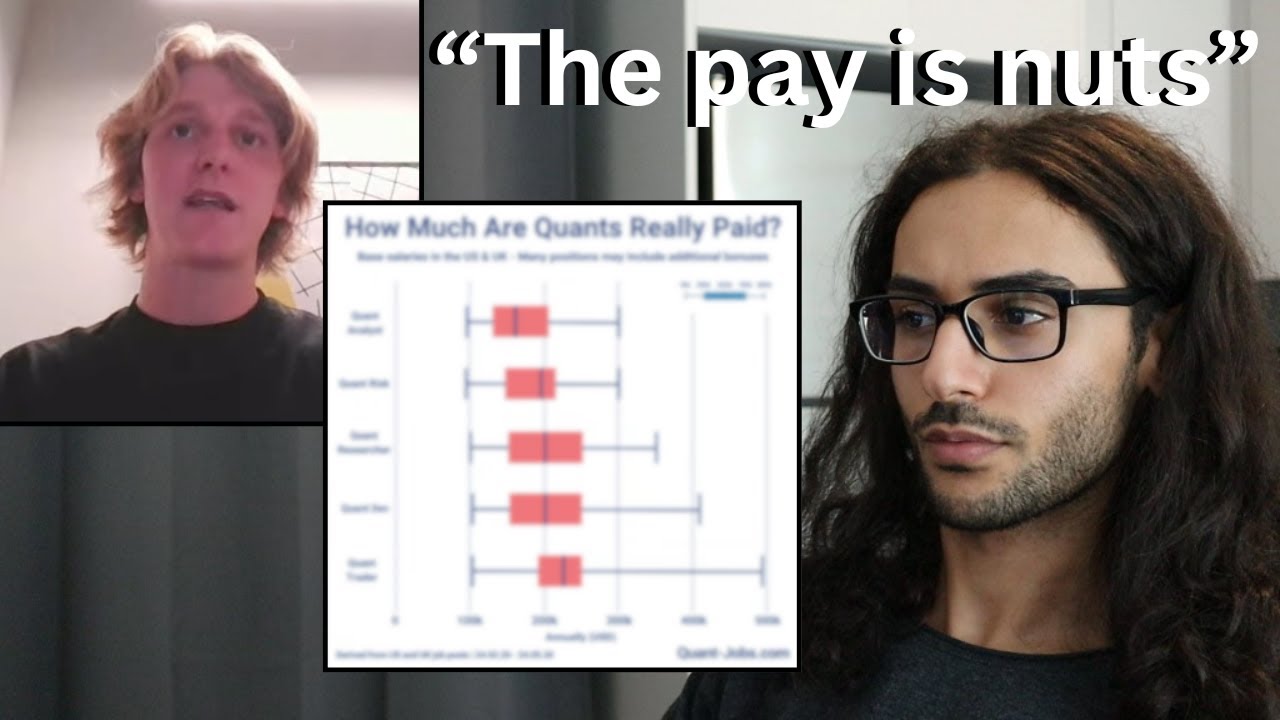
me by the end of the day if you made a trade and you captured $2 worth of it and by the end of the day it erods to 50 cents well then you've eroded a large portion of your your Edge so they focus on that kind of post trade performance analysis too sometimes I'm going to put Quant Trader in s tier highest pay definitely um in terms of base and bonus you're really kind of Your Own Boss here in the sense that you live and die by your p&l and if you're very good you can
go from you know the first junior level you can become a senior Quant Trader in under a year I know that sounds really strange but if you're able to take on a lot of responsibility show that you're able to manage a book by yourself and make the firm a ton of money then they have no reason not to promote you because if they're not promoting you another firm will okay so that's how I think about Quant Traders and their career progression now let's talk about devops and devops and trade Ops are very similar they kind
of sit in the same space in the room but I just wanted to make the distinction for you guys here so you guys can get a better understanding of kind of the more Niche part of Quant trading in terms of the devop space so let's first talk about devops devops is a very general category um you have Network Engineers production Engineers it set reliability Engineers Etc but the general thing that you're going to be doing here is building the tech infrastructure in the ethos of infrastructure as code so you're going to be working on deployment
deploying and configuring applications ideally in an automated fashion such that a software engineer can just simply press a button and their change from Master is in production or in some test environment Etc all right so in general what you're really doing here is you're providing that technical expertise technical expertise to support the infrastructure that a highfrequency trading firm requires whether that's on premise or in the cloud so to give you guys a kind of a more uh detailed uh example of things you might be working on is Network performance Network Health monitoring application monitoring uh
capacity planning for uh you need more data for example or um you need now to be able to store unstructured data and you don't have that capability yet um you be working with technologies that Focus On Lan and Wan you might be working on various uh monitoring and alerting tooling so an application's been down for 15 minutes nobody said anything because the trader at the desk isn't paying attention to that one application that consumes that data that's on his 12th monitor up there but somebody needs to know that that server is down so how do
they go about monitoring that and who do they tell okay you should have a very good understanding of like in-depth routing and networking protocols TCP UDP multicast uh unicast Etc um and you need to be comfortable with uh technology that's provided by external third party vendors so there's a lot of vendors like Pao Alto Cisco Arista these are all people that build networking switches Bridges technologies that you're going to be need that you are going to need to be comfortable with okay obviously you're going to be need to be comfortable with Basics like network security
firewalls and you're probably going to be using python for some sort of scripting or automation I would say that's a bit more trade Ops and you're going to be using Technologies here that focus on configuration automation Etc um and working on those complex technical uh tooling configuration time series data central logging kind of solutions and problems all right um also of course like the development pipeline so like I said how how how do you make it easy for the developer to take the code that they've written and push it into production okay I'mma put devops
as a tier paid very well in the trading space complex problems always a lot to do and um probably I would say that I'm the most impressed from the technical front by devops um a good devops team pretty much feels invisible because they make the process of executing and deploying your code smooth as butter now let's talk about trade Ops so trade Ops is a kind of very close brother to devops and but trade Ops the distinction here guys is that trade Ops is more focused on the trade and compliance side as opposed to the
tech side what do I mean by that well these people still code they might still work on automating tasks and they might still be pulled into those devops tax T tasks that I talked about earlier but they focus on making sure that the wheels of the organization are greased what do I mean by that they work on things like like data retention for regulatory requirements so an exchange might say say that hey guys you know CME has something called an audit Trail uh all this is public you can go ahead and see that the CME
if you work with them as a market maker they require you to have X amount of Euros worth of all your trades stored in whatever format okay these guys make sure that whatever tooling is necessary for that is working that it's developed that it's stored that it's archived right so that compliance part to make sure that if a regulator comes and they ask for that information it's there trade Ops trading operations right they're like the operation side of trading they focus on financial compliance so tracking things like margin do we have enough margin requirements are
we meeting the the threshold that's required and trade level compliance so various order types are we trading in the right way are we trading in the way that complies with the exchanges requirements so you know certain certain uh exchanges have certain uh quoting requirements or certain order type requirements right so making sure that you're following the rules per se uh they might also be working on making sure that the status of a trading session is is healthy the status of the market data you're consuming is healthy in the sense that you might not be dropping
Market data right you drop Market data you lose it forever unless you want to buy it from somewhere else or unless you're running you know parallel capture services that where you know if one doesn't hear about it the packet drops another one does right so um they're really focusing on making sure the wheels are greased so that the operation runs smoothly I'm going to also put them in a tier I think they're a really cool division they're they're quite unique and they're really kind of paid similar to devops they sit in the same rows and
teams and kind of places devops does and so um I decided to speak about them while separate from devops still an interesting distinction there all righty guys well that's the end of the video hopefully you guys learned something from this hopefully this was Illuminating as to the actual contents of the major teams in the world of quantitative trading if you guys would like to speak to me one-on-one you can do so with the calendly link in the description box below you can become a patron to view these videos up to a day early or up
to a week early um usually a couple of days early and if you guys would like to follow me on Instagram uh I don't I almost never post Quant related content there it's just my personal life so if you want to go see my life behind the scenes whenever I'm posting you can go ahead and do so at the coding Jesus uh thanks for watching this video guys cheers