today's video is going to be for the person who feels like they've done a great job training they've worked really hard and now all of the sudden you've hit a bit of a regression in your training your dogs stop listening to you they are ignoring your commands some of those irritating behaviors that they once had are showing up again this is actually really normal it's very very common for this to happen and today we're going to talk about some of the things um as to why this happens and what you're going to do about it
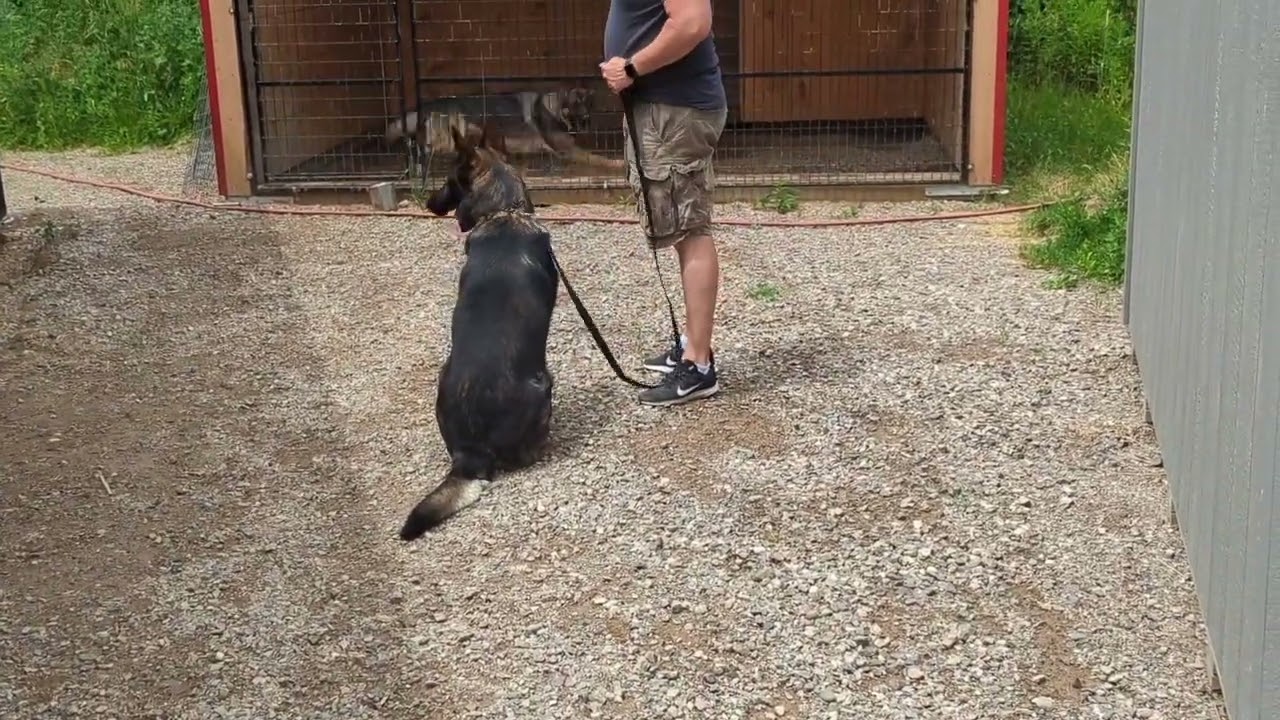
in order to get on the right track again I'm K welcome back to McAn dogs I'm out here today uh on the Maan dogs property walking my four dogs and um they're all very different ages and I will tell you that at some point in our life together they have gone through a bit of a regression where things were going really well and then all of a sudden things you know took a turn for the worst and um I know lots about dog training and it still happens to someone like me so it's very very
normal um let's talk about a few reasons why this happens now sometimes regression in their listening can be related to age um you know sometimes if they're young uh and they're not listening it sometimes is because maybe they don't know the skill well enough and it's not really that theyve regressed it's that they hadn't really know it in the first place um it also can be related to age and the fact that a lot of dogs most dogs every dog practically go through an adolescent phase which means they get old enough and experienced enough that
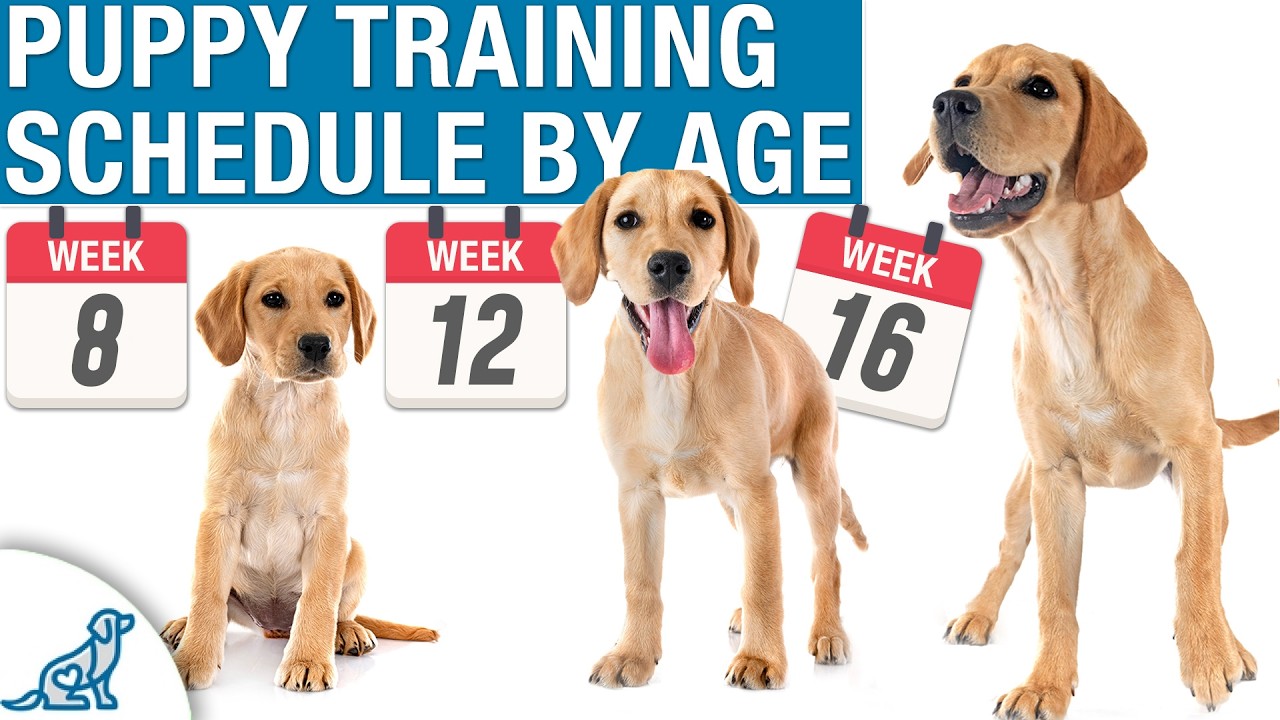
things that they just sort of naturally listen to or they followed you or whatever the situation might be um all of a sudden they go huh there's a big world out here I think that might be more interesting and then they start to you know choose those things instead of listening to you so it's a very very common thing that can happen if you want to get specific about age typically puppies that are under 12 weeks tend to um listen a little bit more organically because they don't have any life experience in they're more natural
to follow the purple person around they've been plucked from their litter and then into a new home and they're just trying to to figure out the lay of the land so um they tend to listen a little bit better as they start to get more comfortable at home that's when you start to see some of those unwanted behaviors because they're sort of testing the waters and figuring out you know where they fit and what they're supposed to do then what you'll do is you'll spend a whole bunch of time training your dog and things will
start to go really well and then around the 8mon period and again these are perfect ages but this is sort of a guideline around the eight month month period your dog's going to start testing you again to see whether are your expectations actually legit are they actually not allowed to go to the bathroom inside are they actually not allowed to jump on people that are coming inside the house um are they actually having to come back the first time that you call them there is a bunch of of things that uh they're going to test
you on and 8 months is usually around the early age but this can sometimes rear its ugly head um you know 12 months 18 months um you know it happens at different T time periods and uh it it's not fun when it happens but there is something that you can do about it I talked about how normal regression in your dogs dog training or listening skills is but in order to get on top of it quickly you need to know what some of the signs are that tells you that this is happening because it could
be happening right now and you have no idea that it is so a few things that you want to think about um are any regression in your training and the most common thing is going to be in their listening if all of a sudden you find yourself telling them to you know stop barking once twice three times four times 10 times perhaps they're not coming back you know when you're giving them any offleash time perhaps they're getting way more distracted on walks and when you try and get their attention back on you they're you know
they're not really giving you the time of day um it also happens when you try to take away their freedom so lots of dogs who are going through a bit of an ad adolescent period they avoid when you put the leash on all of a sudden the dog realizes when we hook the leash on we have control so they you know avoid us doing that um crate time is another thing you know lots of times dogs will go through a period of time where they're happy to go in their crate and then all of a
sudden we give them a little bit more freedom they start testing the wat a little bit and we have them go in their crate and they just try to avoid it all together because they want to be able to be out doing what they want when they want a couple other things that you might notice are things like changes in your dog's house training success so you might think that house training is completely under control now all of a sudden your dog starts marking in the house or they start you know asking to go outside
first or perhaps they're starting to get into chewing things again um you know you think you've gotten over that hump and now all of a sudden they're eating your shoes or ripping apart the couch or whatever it might be um you know this is not a fun thing to have happen but it is sometimes very common in dogs that are starting to change in their progression and sort of learning about where they fit in in the household and whether the rules are actually still the same way as what you initially laid out for them I
want to talk to you about how regression or you know you feel like going backwards in your training starts to happen now I mentioned before that all dogs go through regression even dogs that are owned by professional dog trainers but the thing is is when I've get to a point where I'm riding the wave of all my training and enjoying all of the you know labors of my hard work and I start to see very subtle differences in the way that my dogs listen or respond immediately I take action towards you know bringing those skills
right up to to Snuff again the average person however doesn't necessarily see those things happen and then a small problem starts to grow and then gets into a bigger problem and then it gets to a bigger problem and then now all of the sudden you have all of these annoying problems on your hand that um takes a lot longer to get back on track so it's really important that we start to see early signs so that we can make the necessary changes that we need rather than talking about little specifics I want to talk to
you about the overarching issue that people have um that causes some of this regression and that is dogs having too much Freedom um and this happens at all kinds of Ages and this is really common when we start to get to the point where you know we've trained our skills and we feel like we can give dogs a little bit more freedom and you know we we as I said before ride that wave of success for a while um but then we sto paying attention to the little subtle signs because maybe we're not supervising the
dog as much maybe they are getting more free time in the backyard maybe they don't have a leash on in the house anymore um perhaps we are you know taking them off leash in more circumstances than we would before because we feel like we can trust them and for the most part you know if they're fresh out of training you can but do dogs are you know they're not robots they're not machines I always equate dog training to like putting gas in the car you don't just like put gas in once and then you can
drive the your car for its entire you know for its entire lifespan um dogs are exactly the same way I'm going to do my training I'm going to be able to enjoy that for a little bit and then I'm going to have to do some maintenance stuff and and that's something you're going to have to do for your dog's whole life the cool thing about dog training though and the cool thing about fixing regression is that if your dog wants new knew the skill maybe they once had a great recall or they once really understood
the expectation when you have to go back and redo some training it's not like you have to start all the way over typically if things start to fall off the The Rails a little bit all you have to do is you know go back to a few training sessions or dial back the progression a little bit or take away a little bit of a freedom for a little bit more time perhaps you incorporate a a little bit more crate training uh than normal so that you can kind of control where they're making their decisions throughout
the house typically you can get them back on track in either a couple training sessions or a couple weeks depending on what the issue is and then you can go back to you know living the great life again the problem is is when things start to unravel and people don't recognize it those problems Fester into something worse that sometimes takes weeks and weeks to recover the other thing to consider is that you know is your issue really regression or did your dog not understand the expectation of the behavior in the first first place lots of
times people will say oh my dog's not listening to me anymore because of XYZ and then if I ask them about okay well how did you train it or how did you begin I start to realize that the issue is not regression the issue is that the dog actually didn't learn it correctly in the early stages or perhaps they didn't have a solid enough Foundation that would allow that behavior to actually last a lot longer for that person so that's another thing to consider whether you conquer this um regression or not or this going backwards
into your training or not really has to come down to your leadership and what type of information and guidance are you providing your dog number one is that we want to support our dogs even if the dogs are you know really frustrating us sometimes we always need to think about ourselves as a teacher our dogs are only as good as the effort and the work that we put in so um try to put a positive spin on it so that you're a little bit less frustrated and think about how you can provide some great leadership
with your dog the number one thing that you can do is be clear say what you mean and mean what you say follow through goes a long way when it comes to um getting our dogs on the right track in terms of listening reliably to us if you give them a command or an expectation and they don't do it simply follow through without you know having to yell or scream or get frustrated utilize tools like long lines and um crates and um rewards and all of those things to help get the job done without having
repeat yourself over and over and over to the point where you get frustrated so follow through is going to be huge the other thing is that you need to raise your expectations dogs are so capable of listening so well so expect that that happens so that you can actually have a better product at the end of this also stop making excuses stop saying things like oh he knows this or he should do this you know if dogs knew it they would do it so it's important that if your dog isn't listening think about why and
what you need to do again it circles back to that whole um concept of does my dog really know it or does he know it and he's ignoring me those two things can be dealt with in a very different way but both require hard work and follow through you shouldn't have to train your dog alone and that's exactly why we've developed programs that you can take with us both in person and online that way you'll never have to question anything else in your dog training now if you're ready for support like that you can join
us and the thousands of dog owners that have made a commitment to have a well- behaved four-legged family member now that you know a little bit more about training regression and you start to realize that it happens to everybody and that leadership is really the absolute most important thing you need in order to get through it uh you might want to check out something that's a little bit more on the lighter note in order to help you establish that great leadership for that check out that video right there on that note I'm kale happy training