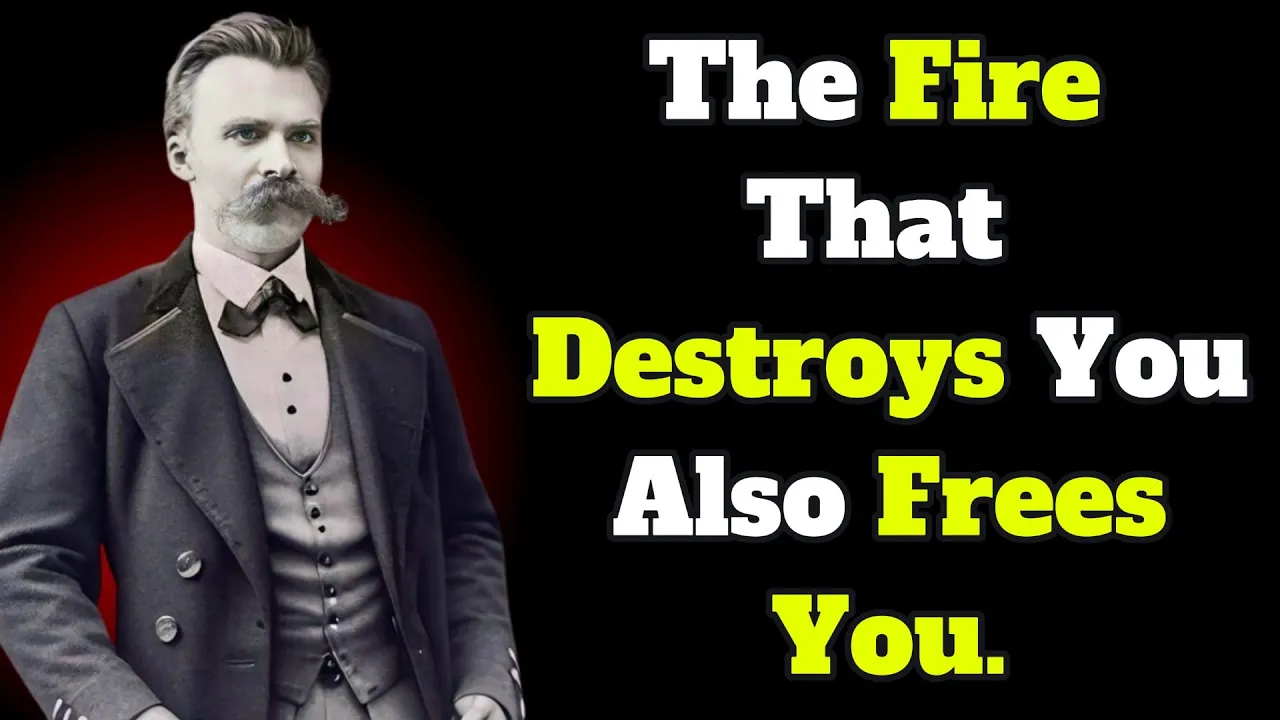
Friedrich Nichze was a German philosopher born in 1844. He is best known for his bold ideas and thought-provoking writings that challenged the traditional beliefs of his time. Nze's work focused on understanding the nature of existence, morality, and what it means to be truly great.
He is often credited with introducing concepts like the will to power and the idea of the aberch or overman which encourages individuals to rise above societal norms and create their own values. Nze believed that many people live within constraints set by society, religion or their own fears. He argued that to achieve greatness, one must break free from these limitations.
His writings often encouraged readers to embrace their individuality and forge a path defined by personal strength and creativity rather than following the crowd. His importance in modern thought cannot be overstated. Nichch's ideas have influenced various fields including psychology, literature, and even politics.
His call for self-overcoming resonates deeply today, especially as many seek to find their true selves amidst external pressures. By exploring Nichzche's philosophy, we can begin to understand why he suggested that burning away our old selves is essential for transformation. It opens the door to new possibilities and greatness.
This journey of self-discovery means letting go of what no longer serves us, allowing us to become who we are truly meant to be. To understand Nze's philosophy, it's essential to grasp his concept of the self. For him, the self is not a fixed entity.
Instead, it is shaped by our beliefs, habits, and experiences. Nichza argued that many people live their lives based on the expectations of society or the constraints of traditional beliefs. These influences can lead to a false sense of identity that doesn't reflect who we truly are.
The self in Nichze's view should be dynamic and everchanging. He believed that individuals must examine their thoughts and beliefs critically to uncover their true nature. By doing so, they can identify which aspects of themselves are authentic and which have been imposed from outside.
This process involves questioning societal norms and recognizing how deeply rooted habits can shape our identities. As we navigate through life, we often cling to old beliefs that no longer serve us. Nze encouraged people to confront these outdated ideas headon.
By burning the old self, individuals create space for a new identity. one that reflects their genuine values and desires. Through this examination and transformation, the self becomes a vehicle for personal greatness.
Embracing one's true self leads to living authentically, making choices that align with one's own values rather than those dictated by others. In this way, understanding the self is the foundation for becoming truly great and achieving one's highest potential. Change is a vital part of personal growth and NZ emphasized its importance for anyone striving to achieve greatness.
He believed that we often become trapped in old habits and patterns of thinking that limit our potential. These habits can create a comfort zone that feels safe but ultimately stifles our development. When we cling to familiar routines, we risk missing out on new opportunities and experiences that could lead us to greater heights.
For Nietze, embracing change means being willing to let go of what no longer serves us. This could involve rethinking beliefs that have been ingrained in us since childhood or breaking free from societal expectations that dictate how we should live. He argued that without this willingness to change, people may find themselves stuck in a cycle of mediocrity, unable to reach their full potential.
The journey of transformation can be challenging as it often requires facing discomfort and uncertainty. However, Nze believed that this struggle is necessary for growth. By confronting old habits and outdated beliefs, individuals can discover new strengths and insights about themselves.
This process not only fosters resilience but also cultivates a sense of purpose and direction. Ultimately, change is the catalyst for unlocking our true potential. By understanding the necessity of change, we can begin to burn away the old self and pave the way for a more authentic and fulfilling life.
Embracing this journey allows us to become the individuals we were always meant to be. The metaphor of burning one's old self is a powerful image in NZ's philosophy, symbolizing the process of transformation and renewal. Just as fire can destroy but also purify and create, the act of burning away outdated beliefs and habits allows individuals to emerge stronger and more authentic.
This metaphor suggests that to become truly great, one must confront the parts of themselves that are no longer useful or true. Burning represents a radical change, a willingness to face discomfort and embrace uncertainty. It signifies letting go of fears, insecurities, and societal pressures that shape our identities.
By engaging in this metaphorical fire, individuals can dismantle the false selves they've constructed over time. This act of destruction is not merely about loss. It's about making space for something new to grow.
In this transformative process, the ashes of the old self can serve as a foundation for the new identity. The burning symbolizes a cleansing ritual where the remnants of past limitations fade away, allowing individuals to rise like a phoenix from the flames. This rebirth leads to greater self-awareness and the ability to define one's path according to personal values and aspirations.
Ultimately, the metaphor of burning captures the essence of Nichzche's call for self-overcoming. It encourages individuals to embrace change boldly, knowing that through this fiery transformation, they can uncover their true selves and achieve their highest potential. As individuals embark on the journey of transformation, they often encounter significant fears and resistance.
Nze recognized that these fears can take many forms such as the fear of failure, the fear of judgment from others, or even the fear of losing one's familiar identity. These feelings can be paralyzing leading many to cling to their old selves instead of pursuing growth. Overcoming these fears is essential for achieving greatness.
According to Nichza, he believed that true personal development requires confronting these anxieties headon. By facing the discomfort associated with change, individuals can break free from their limitations and embrace their potential. This confrontation is not easy.
It demands courage and a willingness to step into the unknown. Nichza argued that fear often stems from societal expectations and norms that pressure individuals to conform. To rise above this resistance, one must cultivate a strong sense of self and resilience.
When individuals learn to challenge and question their fears, they can dismantle the barriers that hold them back. Embracing vulnerability is also key in this process. Acknowledging one's fears does not weaken a person.
Instead, it empowers them to take action. Through this journey, individuals discover inner strengths they may never have realized existed. Ultimately, overcoming fear is not just about conquering obstacles.
It is about transforming oneself into a more authentic and powerful being capable of reaching greatness. After shedding the old self and overcoming fears, the next vital step is embracing new values that align with one's goals and aspirations. Nze believe that once individuals let go of outdated beliefs, they create space for authentic values to emerge.
This process involves self-reflection and exploration to determine what truly matters in their lives. Adopting new values requires courage and willingness to challenge societal norms. Individuals may need to ask themselves essential questions.
What do I genuinely believe? What brings me joy and fulfillment? By engaging in this introspection, people can identify values that resonate with their authentic selves rather than those imposed by external influences.
It's also important to surround oneself with like-minded individuals who share similar aspirations and values. Being in an encouraging community can reinforce one's commitment to personal growth. Sharing experiences and ideas with others can spark inspiration and provide motivation during challenging times.
As new values take root, individuals may notice shifts in their decision-making processes, relationships, and life paths. The alignment of actions with personal values fosters a deeper sense of purpose and direction. Nze emphasized that this journey is deeply personal.
It allows individuals to redefine success on their own terms rather than adhering to societal expectations. Ultimately, embracing new values is about crafting a meaningful life that reflects who you truly are. This transformation not only strengthens one's identity, but also enhances the journey toward greatness, leading to a more fulfilling existence aligned with one's deepest desires.
Nichze viewed suffering as an essential component of growth, arguing that it is through hardship that individuals can develop strength and resilience. He believed that challenges and pain are not merely obstacles to be avoided but valuable experiences that shape our character. This perspective encourages a deeper understanding of suffering, suggesting that it plays a crucial role in the journey toward greatness.
When individuals face adversity, they are pushed to confront their limits and examine their beliefs. This struggle often leads to personal insights that might not be discovered in times of comfort. Nze stated, "What does not kill me makes me stronger," highlighting his belief that enduring pain can foster inner strength and fortitude.
Moreover, suffering can act as a catalyst for transformation. It forces individuals to reassess their values and priorities, prompting them to let go of what is unhelpful or false about themselves. Through this process, people can emerge more authentic and empowered, equipped with the wisdom gained from their experiences.
Nichze also emphasized the importance of embracing suffering rather than avoiding it. By accepting the inevitability of pain in life and recognizing its significance, individuals can cultivate a sense of purpose. This acceptance allows them to navigate life's challenges with greater courage and determination.
Ultimately, Nze believed that embracing suffering leads to profound personal development. Those who learn to confront their hardships not only become more resilient but also discover a deeper connection to their true selves, paving the way for a fulfilling life aligned with their aspirations. Throughout history and literature, there are numerous examples of individuals who transformed themselves by shedding their old identities.
One notable figure is Victor Frankl, a psychiatrist and Holocaust survivor. During his time in concentration camps, Frankle faced unimaginable suffering and loss. However, he emerged with a profound understanding of the human spirit's resilience.
By letting go of his former self and focusing on finding meaning in even the darkest circumstances, he developed a transformative philosophy that emphasized the importance of purpose in life. His book, Man's Search for Meaning, has inspired countless others to redefine their lives despite adversity. Another powerful example is that of Elizabeth Gilbert, author of Eat, Pray, Love.
After experiencing a painful divorce and feeling lost in her identity, Gilbert embarked on a journey of self-discovery, she traveled to Italy, India, and Indonesia, where she confronted her fears and embraced new values centered around self-love and spiritual growth. The transformation she underwent allowed her to emerge with a renewed sense of purpose and clarity about her aspirations. In literature, the character of Ebenezer Scrooge from Charles Dickens, A Christmas Carol, exemplifies transformation through introspection.
Initially, a miserly man driven by greed, Scrooge is visited by three spirits who force him to confront his past, present, and future. This confrontation leads him to shed his old ways and embrace generosity and kindness. These stories underscore Nichzche's belief that by burning away old selves filled with limiting beliefs and fears, individuals can embrace transformation and unlock their true potential.
To begin the process of burning your old self and embracing personal transformation, there are several practical steps you can take. First, engage in self-reflection. Set aside time to write in a journal exploring your thoughts, feelings, and beliefs.
Identify which aspects of your identity feel outdated or limiting. This could include negative self-t talk, unhelpful habits, or societal expectations that no longer serve you. Next, challenge these outdated beliefs.
Question their validity and consider how they have affected your life. Replace them with new affirmations that align with your aspirations. For instance, if you have always felt inadequate, remind yourself of your strengths and achievements regularly.
Another important step is to set specific goals for the change you want to see in your life. Break these goals down into actionable tasks that can lead to meaningful progress. Whether it's pursuing a new skill, enhancing your career, or fostering healthier relationships, having clear objectives will guide your journey.
Surrounding yourself with supportive individuals is crucial for transformation. Seek out friends or communities that encourage growth and positivity. Sharing your experiences with like-minded people can provide motivation and accountability.
Finally, practice gratitude and mindfulness. Acknowledge the lessons learned from past challenges and embrace the present moment. This helps foster resilience and encourages you to approach future obstacles with a positive mindset.
By taking these steps, you can actively participate in the process of transformation that NZA championed, letting go of the old self to uncover a more authentic and powerful version of who you are. In conclusion, Nichze's message invites us to reflect deeply on our lives and consider the transformative power of letting go. He emphasizes that true greatness lies in shedding outdated beliefs and identities that no longer serve us.
By embracing change, overcoming fears, and confronting our inner struggles, we can uncover our authentic selves and align with our true aspirations. As you think about your own journey, take a moment to identify what might be holding you back. Are there negative thoughts or influences that keep you in a cycle of mediocrity?
Perhaps it's time to challenge those beliefs and replace them with affirmations that promote growth and resilience. Nichze encourages us to use suffering as a stepping stone for personal development rather than a hurdle to avoid. Consider the stories of those who have transformed their lives by embracing new values and experiences.
Like Frankle, Gilbert, or even Scrooge, you too can redefine your path. Ask yourself, what old habits or fears do I need to burn away to make room for a more vibrant life? Ultimately, the process of transformation is not only about personal achievement, but also about living authentically and meaningfully.
As you embark on this journey, remember that burning away the old self is a powerful act of creation, a chance to rise a new and become the person you are truly meant to be. Embrace this opportunity for growth and let it lead you toward a future filled with purpose and fulfillment.